
Wadi Al-Hitan (Whale Valley)
Hidden in a remote desert valley in Egypt’s Western Desert, Wadi Al-Hitan — the Valley of the Whales — is one of the most extraordinary palaeontological sites on Earth. A UNESCO World Heritage Site since 2005, this otherworldly landscape preserves the fossilised remains of ancestral whales that lived here 40 million years ago, when this desert was a shallow tropical sea. Walking among the fossil skeletons of these ancient creatures is a profoundly moving experience that upends conventional ideas about evolution and deep geological time.
The Fossils
Wadi Al-Hitan contains hundreds of fossil skeletons of two extinct whale species, Basilosaurus and Dorudon, which are among the earliest fully aquatic forms of cetaceans. Crucially, many of these fossils preserve vestiges of hind limbs — tiny remnant legs that demonstrate the transition of whales from land-dwelling ancestors to their modern aquatic form. The site provides the most complete and best preserved record of this pivotal moment in evolutionary history anywhere on Earth. Some fossils remain partially embedded in sandstone formations where they were deposited when the ancient sea receded.

The Landscape
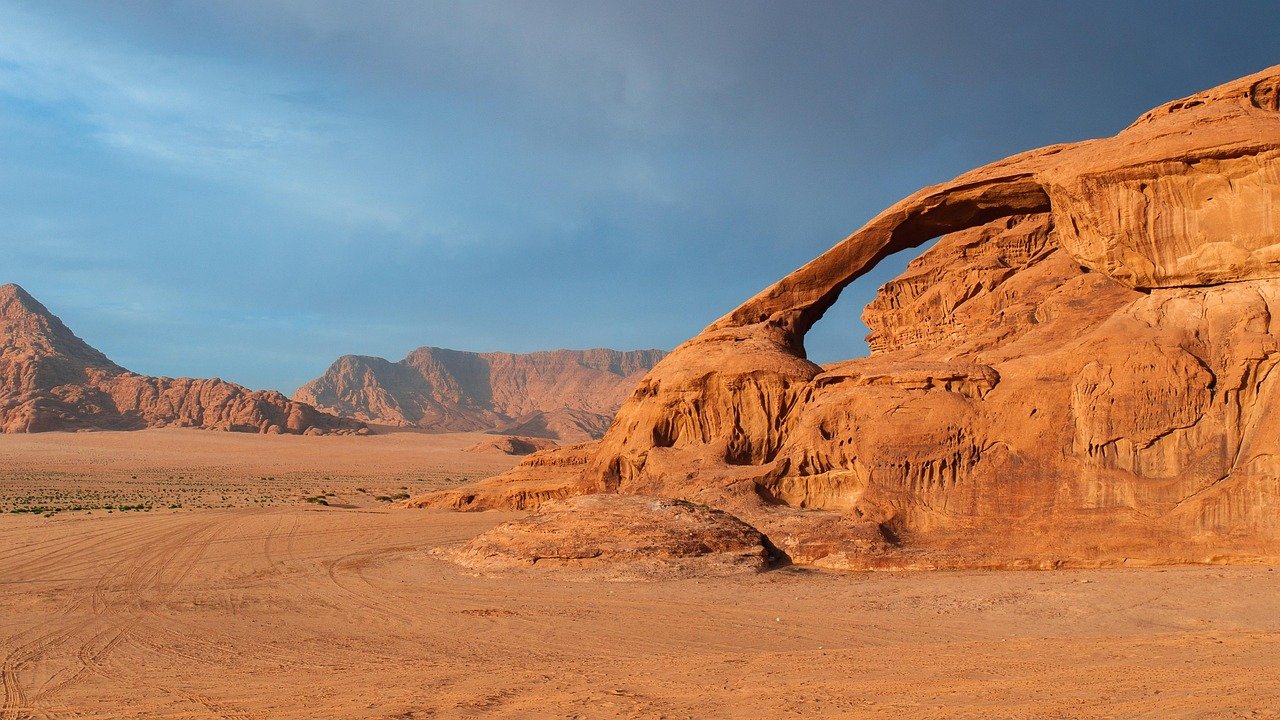
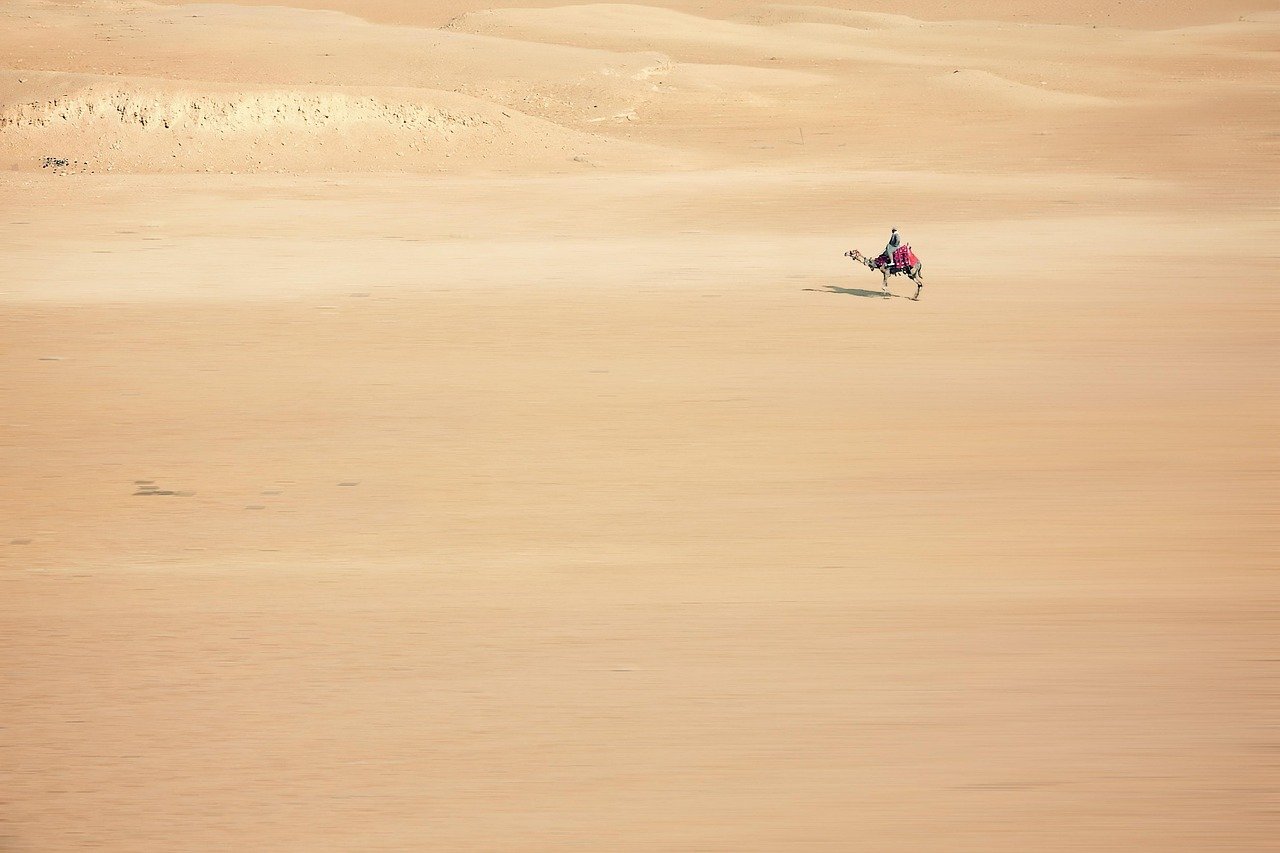
Beyond its scientific importance, Wadi Al-Hitan is strikingly beautiful. The valley is carved through the Eocene limestone plateau of the Fayoum Desert, creating a dramatic landscape of sculpted rock formations, sandy wadis, and exposed fossil beds that glow amber and gold in the desert light. The wind-eroded rocks have been worn into extraordinary shapes, and the silence of the desert is broken only by occasional birdsong from species that have adapted to this arid environment. Sunrise and sunset are particularly spectacular as the light transforms the fossil landscape into something almost supernatural.
The Museum and Visitor Centre
An excellent on-site museum opened in 2016 provides context for the fossils and tells the story of Egypt’s ancient seas through excellent displays, fossil casts, and geological reconstructions. A boardwalk trail leads through the main fossil area, with signage explaining individual specimens. Visitors can explore independently or join guided tours arranged through the visitor centre. The site is best visited in autumn and spring when temperatures are bearable; summer heat makes extended outdoor exploration impractical.
Practical Information
- The site is 150 km southwest of Cairo — allow a full day trip from the capital
- Organised tours from Cairo are the easiest way to visit
- No food or water available on site — bring sufficient supplies
- Camping is permitted with advance permission
- Avoid summer months when temperatures exceed 40 degrees Celsius
Getting There
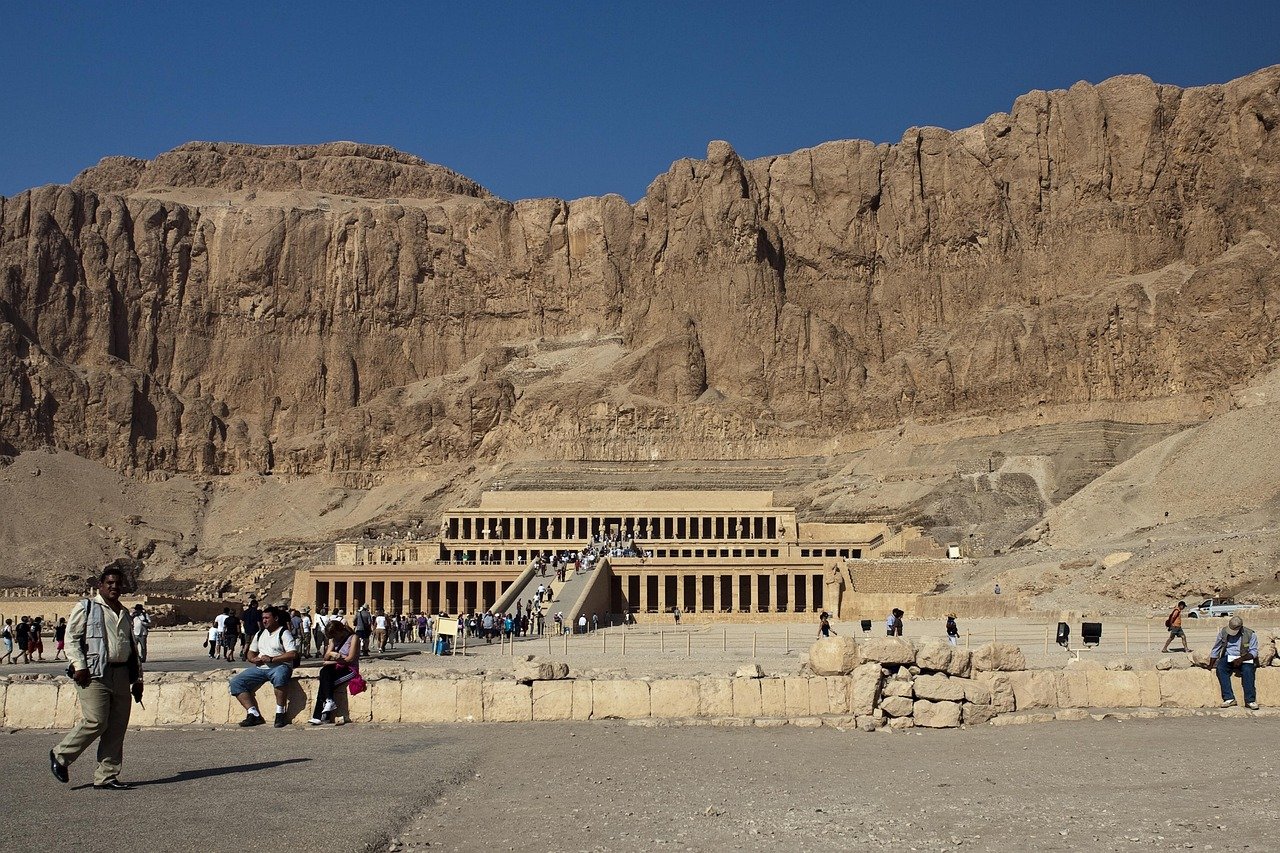
Wadi Al-Hitan is located approximately 150 kilometres southwest of Cairo in the Fayoum Oasis region. The most practical option is to book an organised day tour from Cairo, which includes 4WD transport across the desert track to the site. Self-drive is possible but requires a 4WD vehicle and navigation equipment. Tours typically depart early morning to arrive at the site by mid-morning and avoid the worst of the midday heat.