
Victoria and Alfred Waterfront (V&A Waterfront) 💎 Hidden Gem
Pressed against the rim of a working harbour with Table Mountain rising improbably behind it, Cape Town’s Victoria and Alfred Waterfront manages to be simultaneously a gritty working port and one of Africa’s most joyful leisure destinations. Seals haul out on the jetty pilings, fishing trawlers motor past superyachts, and the smell of freshly grilled linefish drifts across a precinct where you can buy a Xhosa beaded necklace, ride a giant Ferris wheel, and watch a live jazz band — all within 400 metres of each other. It is, in the best possible way, Cape Town at full volume.
History of the Working Harbour
The Victoria and Alfred Waterfront takes its name from two members of the British royal family: Queen Victoria, who gave her blessing to the development, and Prince Alfred, her son, who ceremonially tipped the first load of stone into the harbour in 1860 to begin construction of the breakwater. For most of the following century, the Alfred and Victoria Basins served as the beating commercial heart of Cape Town — a transit point for goods, ships, and people flowing between Europe and the Far East around the Cape of Good Hope.
By the 1980s, the harbour had fallen into gentle decline as container shipping moved to deeper berths at Ben Schoeman Dock. Rather than demolishing the Victorian warehouses and Victorian-era dry docks, the city and private developers chose reinvention. The V&A Waterfront development company was established in 1988 and work began on converting the historic fabric into a mixed-use precinct without evicting the working harbour — a decision that gives the area its distinctive character. The fishing fleet still operates, the dry docks still take vessels for maintenance, and the smell of brine and diesel is still part of the experience.
Today the precinct covers more than 123 hectares and welcomes around 24 million visitors per year, making it the most visited tourist destination on the African continent. It is also the site of the Nobel Square, where bronze statues of South Africa’s four Nobel Peace Prize laureates — Albert Luthuli, Desmond Tutu, F.W. de Klerk, and Nelson Mandela — stand as permanent reminders of the country’s extraordinary journey through and beyond apartheid.
What to See
Clock Tower and Historic Dock
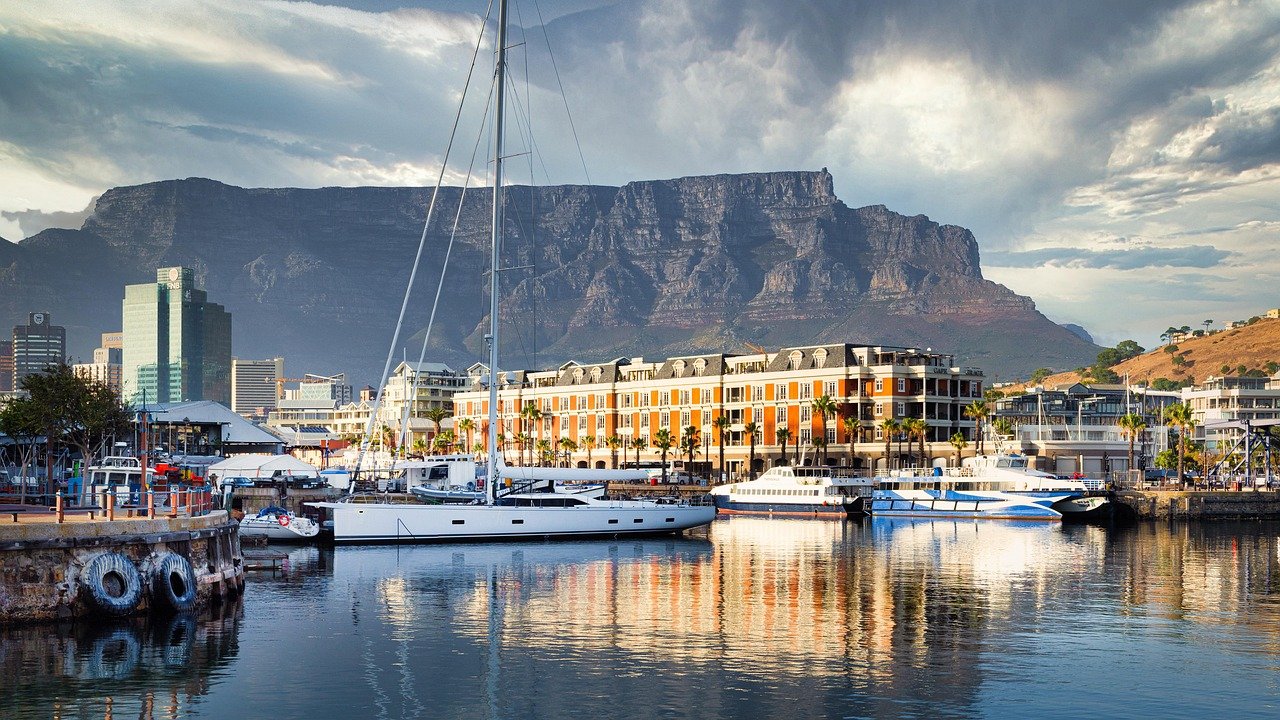
The octagonal Clock Tower at the water’s edge is the oldest surviving building on the waterfront, built in 1882 as the Port Captain’s office. Its distinctive red Victorian Gothic architecture and tidal gauge room — where a mirror once allowed the Port Captain to read water levels without leaving his desk — have been meticulously restored. The surrounding historic Pierhead area retains its original cobblestones and cast-iron dock machinery. The adjacent Alfred Basin still receives working fishing vessels, and on any morning you can watch the catch being unloaded alongside tourists sipping flat whites at the harbourside cafés. On the Victoria Wharf side, the Union-Castle House building — once the departure point for the famous mail ships to Southampton — has been beautifully converted into offices and restaurants.
Two Oceans Aquarium
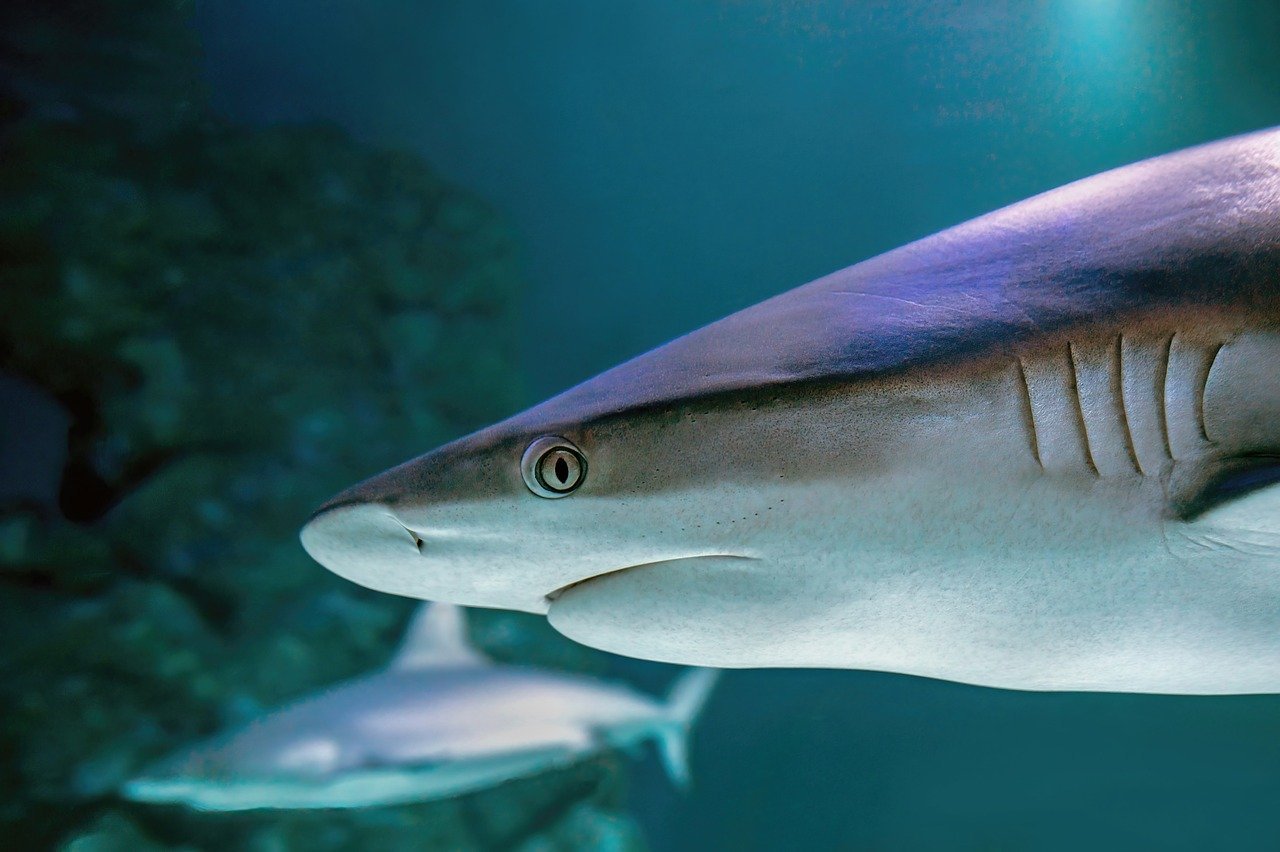
The Two Oceans Aquarium earns its name by showcasing creatures from both the cold Benguela Current of the Atlantic and the warm Agulhas Current of the Indian Ocean — two ecosystems that meet just south of Cape Point. The Open Ocean tank is the showpiece: a vast 2-million-litre cylinder where ragged-tooth sharks, sunfish, and eagle rays circle at close range. The I&J Ocean Exhibit takes visitors on a kelp forest journey that mimics the extraordinary underwater world visible just metres from Cape Town’s beaches. Daily dive shows, shark dives (for certified divers), and touch pools make it a strong choice for families. Allow at least two hours.
Shopping, Dining and the Cape Wheel
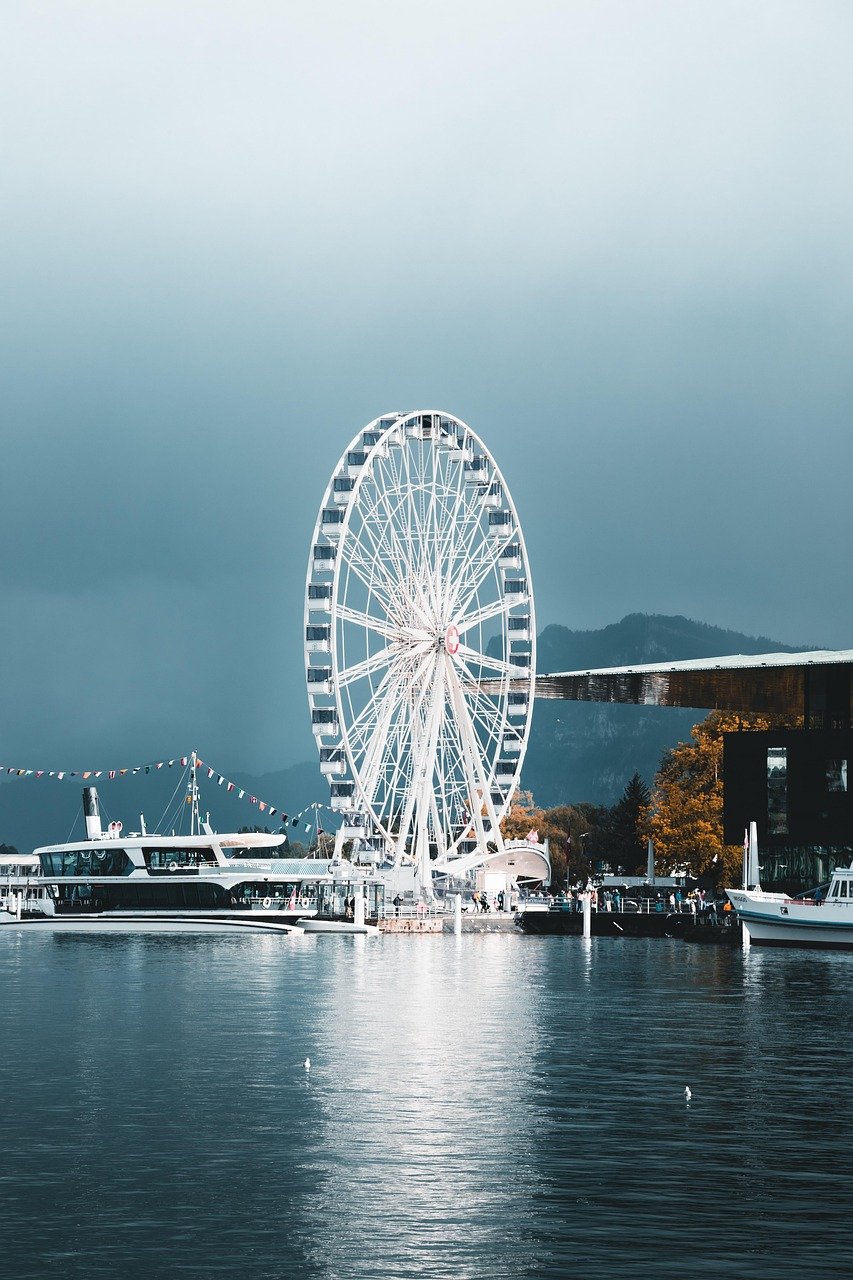
The Victoria Wharf shopping centre anchors the commercial heart of the waterfront with over 450 stores, from international brands to South African designers and the excellent Watershed craft market, where you can find everything from hand-stamped leather goods to rooibos-infused skincare. The precinct’s dining scene spans nearly every price point and cuisine — standouts include the fresh-catch restaurants at the water’s edge, the Bascule Whisky Bar, and the Hout Bay Harbour Fish Market. Towering above the Pierhead, the Cape Wheel is a 40-metre observation wheel whose glass gondolas offer a bird’s-eye view of the harbour, Table Mountain, and, on clear days, Robben Island in the bay — a 12-minute rotation that is worth the modest ticket price for the perspective alone.
Local Insights
Tips from Cape Town residents and frequent visitors who know the waterfront beyond the tourist surface:
- Visit the Watershed market on a weekday — weekends bring crowds and parking nightmares; Tuesday to Thursday mornings see local artisans in a much calmer setting.
- Watch for the seal colony at the working dock slipway near the Clock Tower — Cape fur seals are resident year-round and utterly indifferent to cameras.
- Book ferry trips to Robben Island from the waterfront — the iconic island prison where Nelson Mandela was held is a short boat ride away; tickets sell out days ahead in peak season.
- The sunset from the harbour boardwalk is spectacular — Table Mountain glows amber above the boats, and it costs nothing to simply stand and watch.
- Take the free shuttle that runs between the waterfront and the city bowl — parking costs accumulate quickly and the shuttle saves the headache entirely.
Planning Your Visit
Everything you need to plan your waterfront visit:
- Getting there: 10-minute drive from Cape Town CBD. Free shuttle runs from the city centre. Metered taxis and e-hailing apps (Uber, Bolt) are widely available. Paid parking on site.
- Tickets: Entry to the waterfront precinct, boardwalks, and Nobel Square is free. Two Oceans Aquarium: adults ~R280, children ~R150. Cape Wheel: adults ~R120, children ~R60. Prices vary seasonally.
- Hours: The waterfront precinct is open around the clock. Shops typically 9:00–21:00 daily. Two Oceans Aquarium: 9:00–18:00 daily. Cape Wheel: 10:00–21:00 daily (extended hours in peak season).
- Time needed: A casual stroll takes 1–2 hours. With the aquarium, Watershed market, and a meal, plan 4–6 hours. A full day is easily filled.
Frequently asked questions
Is entry to V&A Waterfront free?
Yes — entry to the V&A Waterfront precinct itself is completely free. You can walk the harbour boardwalks, visit Nobel Square, browse the Watershed market (no entry fee), and enjoy the general atmosphere at no cost. Individual attractions such as the Two Oceans Aquarium and the Cape Wheel require separate paid tickets, and restaurants and shops charge normal prices.
What are the best restaurants at V&A Waterfront?
The waterfront has restaurants across every price range and style. For fresh seafood in an atmospheric setting, try the harbour-facing restaurants along Quay Five and Quay Six. The Bascule Bar is a Cape Town institution for whisky and cocktails with harbour views. The food hall in the Watershed and the Granary Café offer quality casual options. For fine dining, The Pot Luck Club and La Mouette are close by in the De Waterkant neighbourhood.
How far is V&A Waterfront from Cape Town city centre?
The V&A Waterfront is approximately 2.5 kilometres from Cape Town’s central business district — roughly 10 minutes by taxi or rideshare, or about 25 minutes on foot along the foreshore promenade. A free shuttle also runs between the waterfront and the city bowl during operating hours, making it easy to combine a waterfront visit with time in the Bo-Kaap or Long Street areas.
What other attractions are nearby?
Robben Island ferry tours depart directly from the V&A Waterfront Nelson Mandela Gateway — the island, where Mandela was imprisoned for 18 years, is a UNESCO World Heritage Site and one of South Africa’s most significant historical sites. Table Mountain Aerial Cableway is a short drive or taxi ride away. The Cape Town Stadium and Signal Hill are also within easy reach, and Boulders Beach penguin colony is about 45 minutes by car down the peninsula.