
Unter den Linden
Few streets in the world carry the weight of history that Unter den Linden bears on its broad, tree-lined shoulders. Stretching 1.5 kilometres from the iconic Brandenburg Gate in the west to the Schlossbrücke (Palace Bridge) in the east, this grand boulevard has witnessed royal processions, military parades, the rise and fall of empires, Cold War division, and the joyful reunion of a nation. Today, strolling beneath the rustling canopy of lime trees — the linden that gives the street its name — feels like walking through the pages of German history itself. Whether you arrive at sunrise when the golden light gilds the neoclassical facades or in the long blue evenings when café terraces hum with conversation, Unter den Linden offers one of Europe’s most rewarding urban walks. No ticket, no queue, no closing time: just the city unfolding around you.
History of Unter den Linden
The story of Unter den Linden begins in 1647 when the Great Elector Friedrich Wilhelm ordered six rows of walnut and linden trees to be planted along the sandy track that connected the Berlin City Palace to the Tiergarten hunting grounds. What started as a royal bridle path slowly transformed into a prestigious address as the Hohenzollern dynasty expanded the Prussian capital. By the early 18th century, the first noble townhouses and academies had risen along its flanks. It was Frederick the Great — arguably Berlin’s greatest architectural patron — who gave the boulevard its definitive classical character between the 1740s and 1780s, commissioning the State Opera, St Hedwig’s Cathedral, and the Royal Library, reshaping a muddy track into a ceremonial spine worthy of a European capital. Contemporaries compared it favourably to the grand boulevards of Paris and Vienna.
The 19th century brought further transformation as the German Empire’s confidence found expression in stone. Wilhelm von Humboldt’s university — founded in 1810 in the old Prince Heinrich Palace — filled the boulevard with intellectual energy. The Deutsches Historisches Museum took root in the old Zeughaus arsenal, Europe’s finest surviving baroque military building. Meanwhile Unter den Linden became synonymous with Berliner café society: the famous Café Kranzler opened nearby, and the sidewalk terraces buzzed with artists, diplomats, and journalists. The post-World War II division of Germany split Berlin, and Unter den Linden fell entirely within East Berlin — the GDR government maintained it with propagandistic grandeur, replanting the linden trees destroyed during the war and staging military parades along its length. After the Wall fell on the night of 9 November 1989, jubilant crowds poured through the Brandenburg Gate and flooded the boulevard, reclaiming it for all Berliners. Today, following decades of painstaking restoration, Unter den Linden is once again Germany’s most prestigious address.
What to See at Unter den Linden
Brandenburg Gate and Pariser Platz
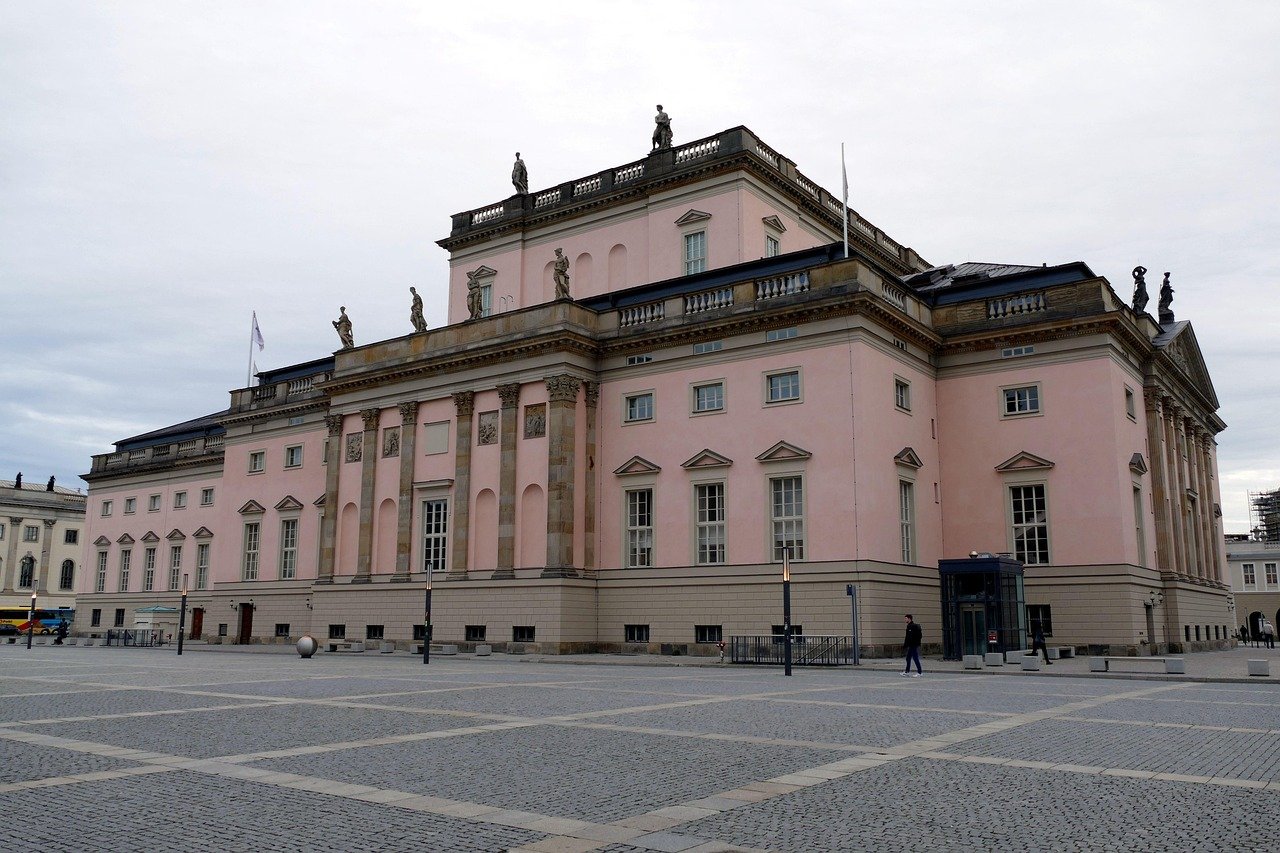
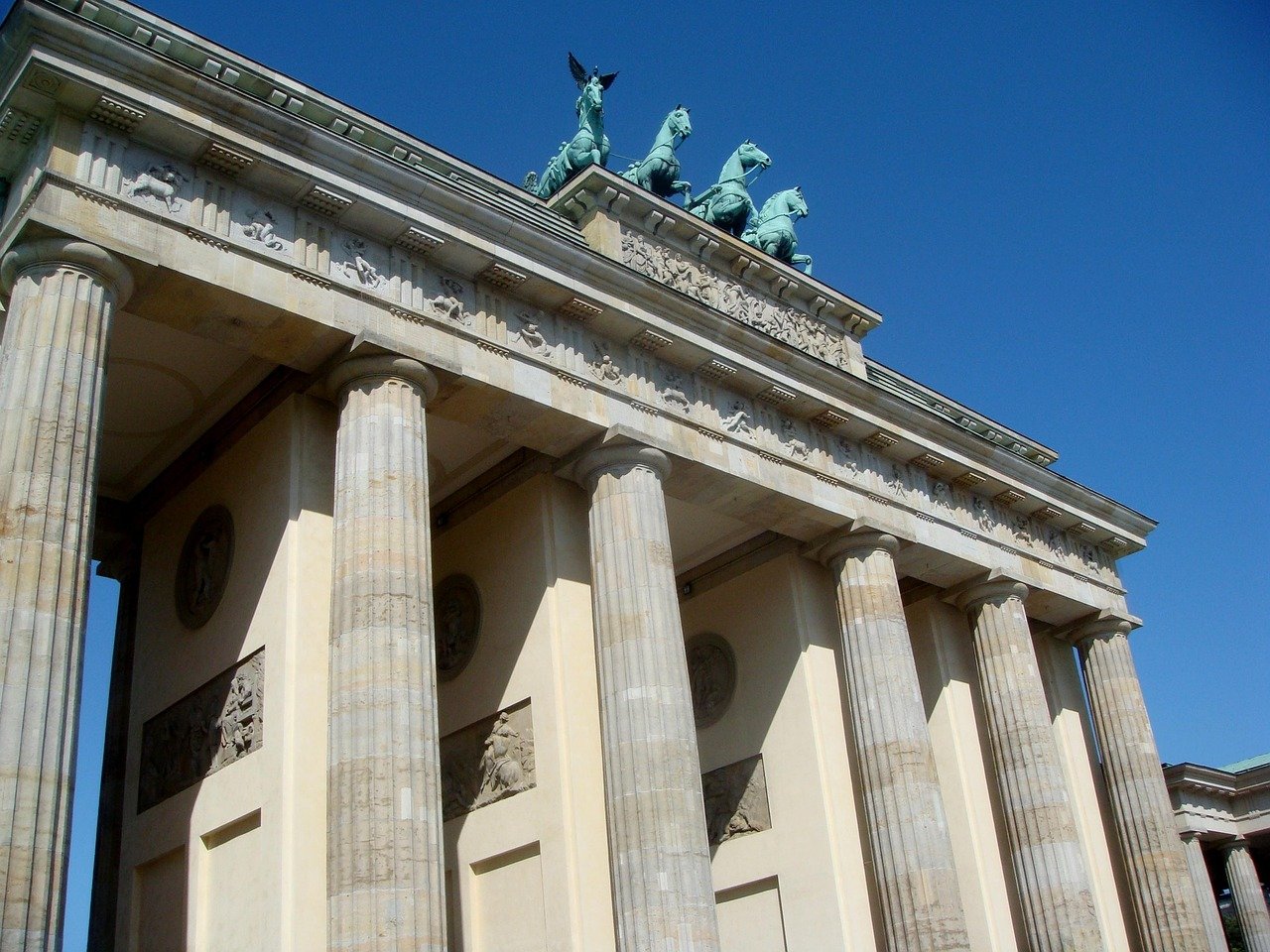
At the western terminus of Unter den Linden stands Berlin’s most recognisable monument — the Brandenburg Gate. Completed in 1791 by architect Carl Gotthard Langhans, it was modelled on the Propylaea of the Athenian Acropolis. The sandstone gate is topped by the Quadriga, a copper sculpture of the goddess of victory driving a four-horse chariot. For a century it served as a triumphal entry into the royal city; during the Cold War it stood stranded in the no-man’s-land between East and West, becoming the most potent symbol of German division. Today Pariser Platz — the elegant square in front of the gate — is framed by the Hotel Adlon, the French and American embassies, and the Academy of Arts. The gate itself is free to approach and photograph at any hour, though the interior passageway closes to pedestrians during events. Early morning visits, before the tour groups arrive, allow you to stand almost alone beneath the Quadriga in the quiet light — an experience of rare power. The Berlin State Opera (Staatsoper Unter den Linden) on nearby Bebelplatz, completed in 1743 as Europe’s first freestanding opera house, is another unmissable landmark along the route.
Humboldt University and the Book Burning Memorial
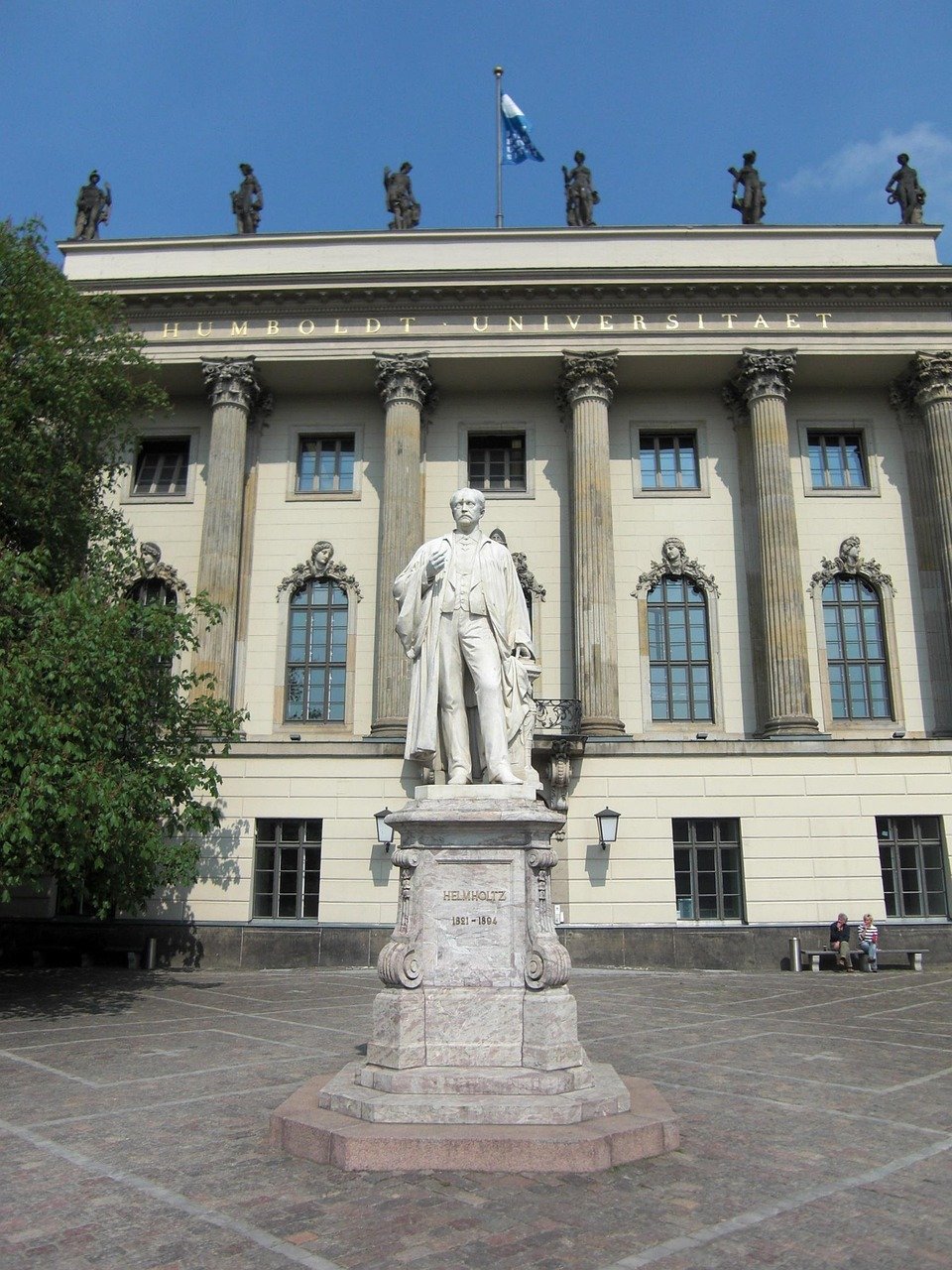
Midway along the boulevard, the twin equestrian statues of Frederick the Great and his brother Prince Henry flank the entrance to Humboldt University. Founded in 1810 by the Prussian educational reformer Wilhelm von Humboldt, it pioneered the concept of the research university — linking teaching with original scientific inquiry — and became the template for universities around the world. Alumni include Karl Marx, Albert Einstein, and no fewer than 29 Nobel laureates. Visitors can enter the main courtyard freely during the day to admire the baroque architecture and browse the student bookshops spilling onto the pavement outside. Directly opposite, in the centre of Bebelplatz, look for the underground window flush with the cobblestones: beneath the glass lies Micha Ullman’s haunting memorial to the Nazi book burnings of 10 May 1933, when SS students burned 20,000 books on this very square. Empty white bookshelves fill the underground chamber — a powerful reminder of what censorship destroys. A bronze plaque nearby quotes Heinrich Heine’s prophetic 1820 line: “Where they burn books, they will ultimately burn people also.”
Museum Island and the Deutsches Historisches Museum
At the eastern end of Unter den Linden, the boulevard crosses the Schlossbrücke — Karl Friedrich Schinkel’s elegant marble bridge decorated with eight groups of Prussian warriors — and enters the island in the River Spree that holds one of the world’s great concentrations of museums. The UNESCO-listed Museum Island complex encompasses the Pergamon Museum (home to the reconstructed Pergamon Altar and Ishtar Gate), the Altes Museum, Alte Nationalgalerie, Bode Museum, and Neues Museum (housing the famous bust of Nefertiti). Each requires a separate ticket and could absorb an entire day. Just before the bridge, on the north side of Unter den Linden, the Zeughaus — Berlin’s oldest surviving building on the boulevard, built between 1695 and 1706 — houses the Deutsches Historisches Museum (German Historical Museum), with permanent collections tracing 2,000 years of German history. The glazed I.M. Pei spiral staircase added to the rear courtyard in 2003 is a masterpiece of contemporary architecture embedded in a baroque shell.
Local Insights
Locals who walk Unter den Linden every day have picked up habits and shortcuts that transform a sightseeing march into something more leisurely and rewarding. Keep these in mind:
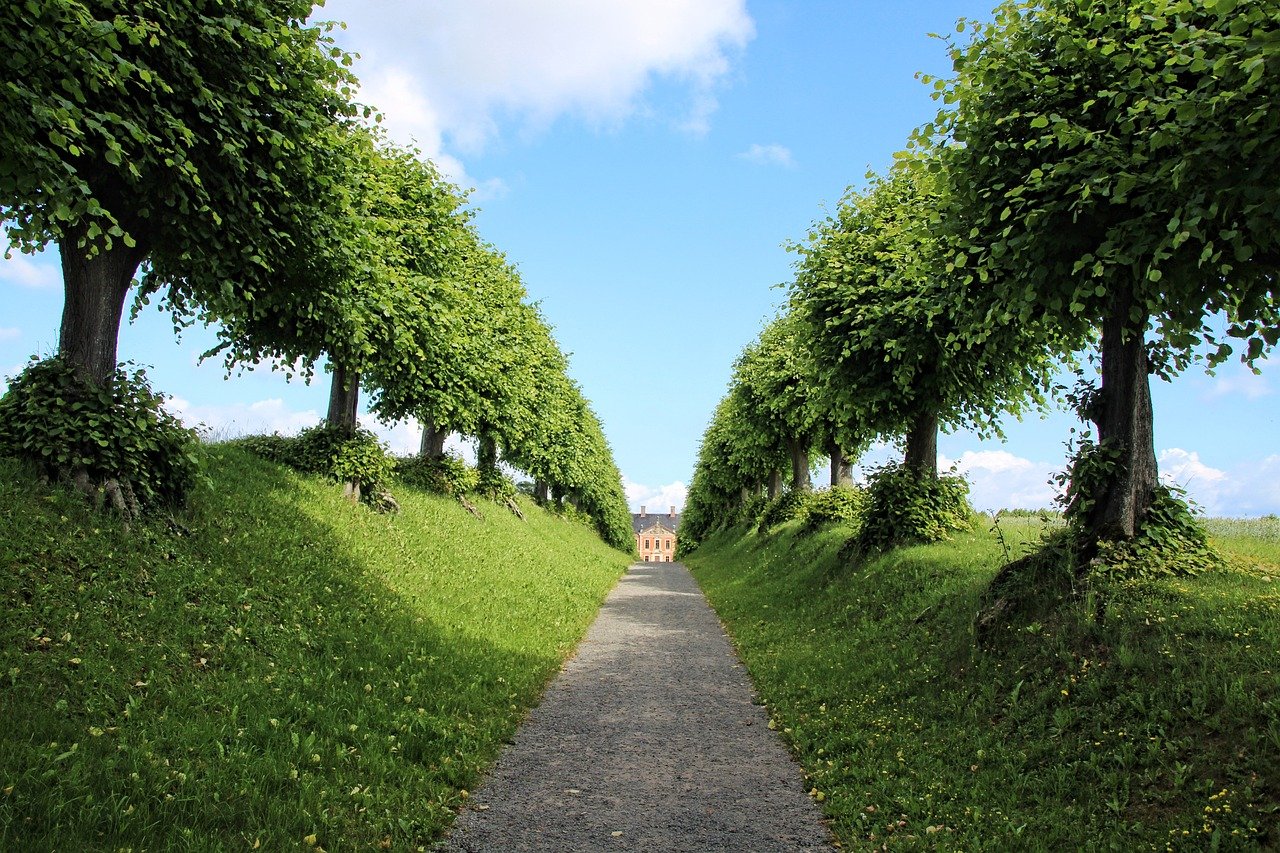
- Walk east to west in the morning. Starting from Museumsinsel U-Bahn station and walking toward the Brandenburg Gate puts the sunrise behind you and the warm light on the facades. The linden trees cast long, beautiful shadows across the wide central promenade, and the tourist crowds haven’t fully materialised yet — giving you a serene first hour.
- Check the free book market on weekends. Between the Neue Wache and Humboldt University, secondhand book stalls often set up along the pavement on Saturday and Sunday mornings. You’ll find dusty East German editions, vintage Berlin photography books, and the occasional GDR-era map — perfect souvenirs at paperback prices.
- Duck into the Kommode for unexpected quiet. The neoclassical building on Bebelplatz known colloquially as the Kommode (chest of drawers) — actually the old Royal Library — has a courtyard that most visitors miss entirely. Step inside for a moment of calm marble and greenery in the middle of the boulevard’s busiest stretch.
- Time the Neue Wache light. The Neue Wache (New Guardhouse) memorial to the victims of war and tyranny contains Käthe Kollwitz’s haunting “Mother with her Dead Son” sculpture. The oculus in the ceiling leaves it open to the sky — rain, snow, and sunlight fall directly onto the bronze figures. Visit in changing weather for an unexpectedly emotional experience.
- Use the U5 line strategically. The U5 U-Bahn runs the entire length of Unter den Linden underground with stops at Brandenburger Tor and Museumsinsel. Walk one direction, take the U5 back — this avoids retracing your steps and lets you cover the boulevard without fatigue, catching details you missed the first time.
Planning Your Visit
- Tickets: Free — public boulevard, open to all at all times
- Opening hours: 24/7 open street; individual museums along the route have their own hours (typically 10:00–18:00, closed Mondays)
- Best time: Early morning (7:00–9:00) for golden light and few crowds; late evening (19:00–21:00) in summer when the boulevard lights up and café terraces are lively
- Duration: 60–90 minutes for the full walk at a comfortable strolling pace; allow a full day if you plan to enter museums along the route
- Booking: No booking required for the boulevard itself; Museum Island museums recommend booking online in advance, especially for the Pergamon Museum
Getting There
- U-Bahn: U5 to Brandenburger Tor (western end) or Museumsinsel (eastern end); S-Bahn S1/S2/S25 to Brandenburger Tor
- By car: Very limited parking in the centre; nearest public car park at Pariser Platz. Strongly advised to use public transport — the area is a pedestrian priority zone
- On foot: A 10-minute walk from Potsdamer Platz heading north-east; 5 minutes from the Holocaust Memorial on Cora-Berliner-Straße
- Taxi/ride-share: Uber and Free Now operate across Berlin; ask for drop-off at Pariser Platz (western end) or Schloßbrücke (eastern end)
Frequently asked questions
Is Unter den Linden free to visit?
Yes — Unter den Linden is a public boulevard and there is no charge to walk along it at any time. The linden-tree promenade, the pavement cafés, the views of the Brandenburg Gate and the neoclassical facades are all free of charge. The museums lining the street — including the Deutsches Historisches Museum and those on Museum Island — require separate paid admission. The Neue Wache war memorial and the Bebelplatz book burning memorial are both free to visit and open to the public daily.
How long does it take to walk Unter den Linden?
The boulevard is approximately 1.5 kilometres long. A brisk, uninterrupted walk from the Brandenburg Gate to the Schlossbrücke takes about 20 minutes. A leisurely stroll with pauses to read the architectural details, browse book stalls, and stop at a café takes between 60 and 90 minutes. If you plan to step inside the Deutsches Historisches Museum, the Neue Wache, or any of the Museum Island institutions at the eastern end, budget at least half a day — and more realistically a full day.
What is the best time of day to visit Unter den Linden?
Early morning — before 9:00 — gives you the boulevard almost to yourself, with low golden light illuminating the limestone facades and the lime trees casting long shadows across the central promenade. This is the best time for photography. In the evening, particularly between May and September, the outdoor café terraces fill with Berliners and the atmosphere becomes more relaxed and social. Midday in summer is the most crowded period, with tour groups from Museum Island streaming along the pavement — still enjoyable, but busier.
Can I reach Museum Island directly from Unter den Linden?
Yes — Museum Island sits at the eastern end of Unter den Linden, separated from the boulevard by the Schlossbrücke (Palace Bridge) over the River Spree. Walk the full length of the boulevard and you arrive naturally at the island’s entrance. The U-Bahn station Museumsinsel (U5 line) sits immediately beside the bridge. The five museums on the island — Pergamon, Altes Museum, Alte Nationalgalerie, Bode Museum, and Neues Museum — each require separate tickets, though a combined Museum Island day-pass is available and represents good value if you plan to visit more than one.
Are there good cafes and restaurants on Unter den Linden?
The boulevard itself is lined predominantly with embassies, museums, and government buildings, but the immediate side streets are rich with dining options. The legendary Hotel Adlon on Pariser Platz offers one of Berlin’s most storied afternoon teas with views directly of the Brandenburg Gate. The Friedrichstraße crossing — midway along the boulevard — opens up a dense grid of options including traditional German Gaststätten, modern bistros, and several mid-range lunch spots. In summer, seasonal outdoor café stalls appear near Bebelplatz and along the central promenade. For a longer stop, the Staatsoper café bar is open to non-ticket holders before and during performances, and the Deutsches Historisches Museum operates a pleasant courtyard restaurant in the I.M. Pei wing. Budget travellers will find the best value in the student-oriented cafés around Humboldt University on Unter den Linden’s north pavement.
What is the Neue Wache and why should I visit it?
The Neue Wache (New Guardhouse) on the north side of Unter den Linden is Germany’s Central Memorial to the Victims of War and Tyranny. Designed by Karl Friedrich Schinkel in the 1810s as a military guardhouse in the Greek Revival style, it was transformed in 1993 into a national memorial under Chancellor Helmut Kohl. The interior holds a single sculpture: an enlargement of Käthe Kollwitz’s 1937 bronze “Mother with her Dead Son,” depicting a woman cradling the body of her child — one of the most emotionally powerful anti-war images in German art. The building is open to the sky through a circular oculus in the roof, so rain, snow, and sunlight fall directly onto the bronze figures throughout the year. Entry is free and the memorial is open daily. It is a quiet, deeply affecting stop that most boulevard visitors walk past too quickly.