
Uluru (Ayers Rock)
Seen from the air, Uluru looks like the top of an enormous buried mountain — an island of red rock rising from a perfectly flat desert plain, catching the morning light in a way that shifts from charcoal to deep orange to something approaching gold within the space of twenty minutes. On the ground, the rock is overwhelming in a way that photographs cannot prepare you for: 348 meters high, 9.4 kilometers in circumference, and made of a sandstone that has been here for 550 million years. But what makes Uluru truly extraordinary is not its geology — it is the unbroken 60,000-year connection between this rock and the Anangu Aboriginal people for whom it remains a living spiritual landscape.
History of Uluru
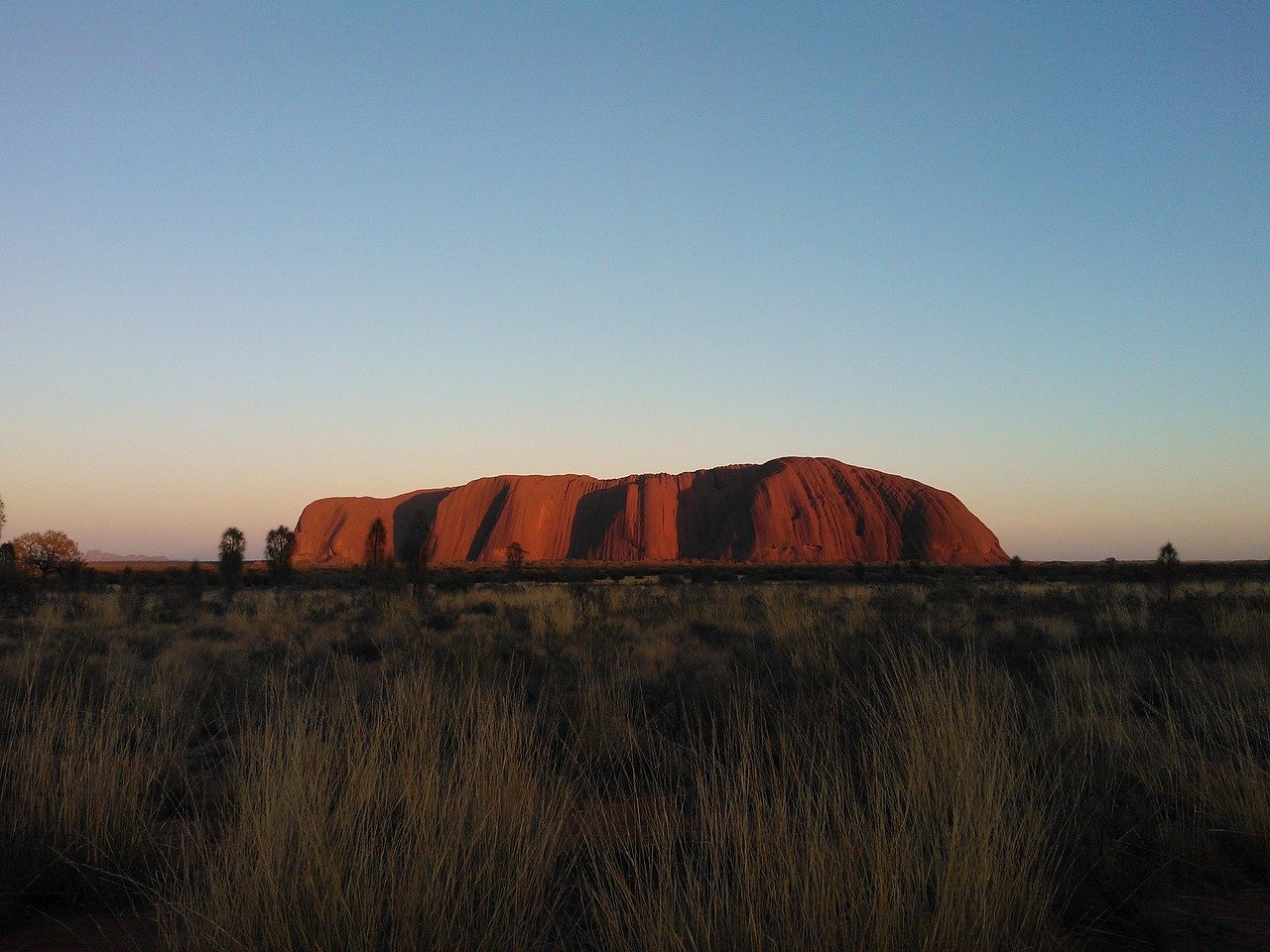
Uluru has been the spiritual and cultural center of Anangu Country for tens of thousands of years. The Anangu are the traditional custodians of the land, and their relationship with Uluru is expressed through Tjukurpa — the Anangu system of law, religion, and moral philosophy that encompasses the creation narratives of the landscape. The caves and surface markings of Uluru encode these stories in physical form, making the rock itself a kind of library of cultural knowledge. Many of these stories are not shared with outsiders, not out of secrecy for its own sake, but because they are sacred knowledge that requires proper initiation to understand and transmit responsibly.
European contact with Uluru began in 1873 when explorer William Gosse became the first non-Aboriginal person to see and name the rock, calling it “Ayers Rock” after the South Australian premier. The area was incorporated into a pastoral lease in the late 19th century, and tourism began slowly in the 1930s. The National Park was established in 1950, and in 1985 the Australian government formally returned ownership of Uluru-Kata Tjuta National Park to the Anangu people — one of the most significant acts of land rights recognition in Australian history. The climb on Uluru, which the Anangu had always requested visitors to forego out of respect for its sacred significance, was permanently closed in October 2019.
What to See
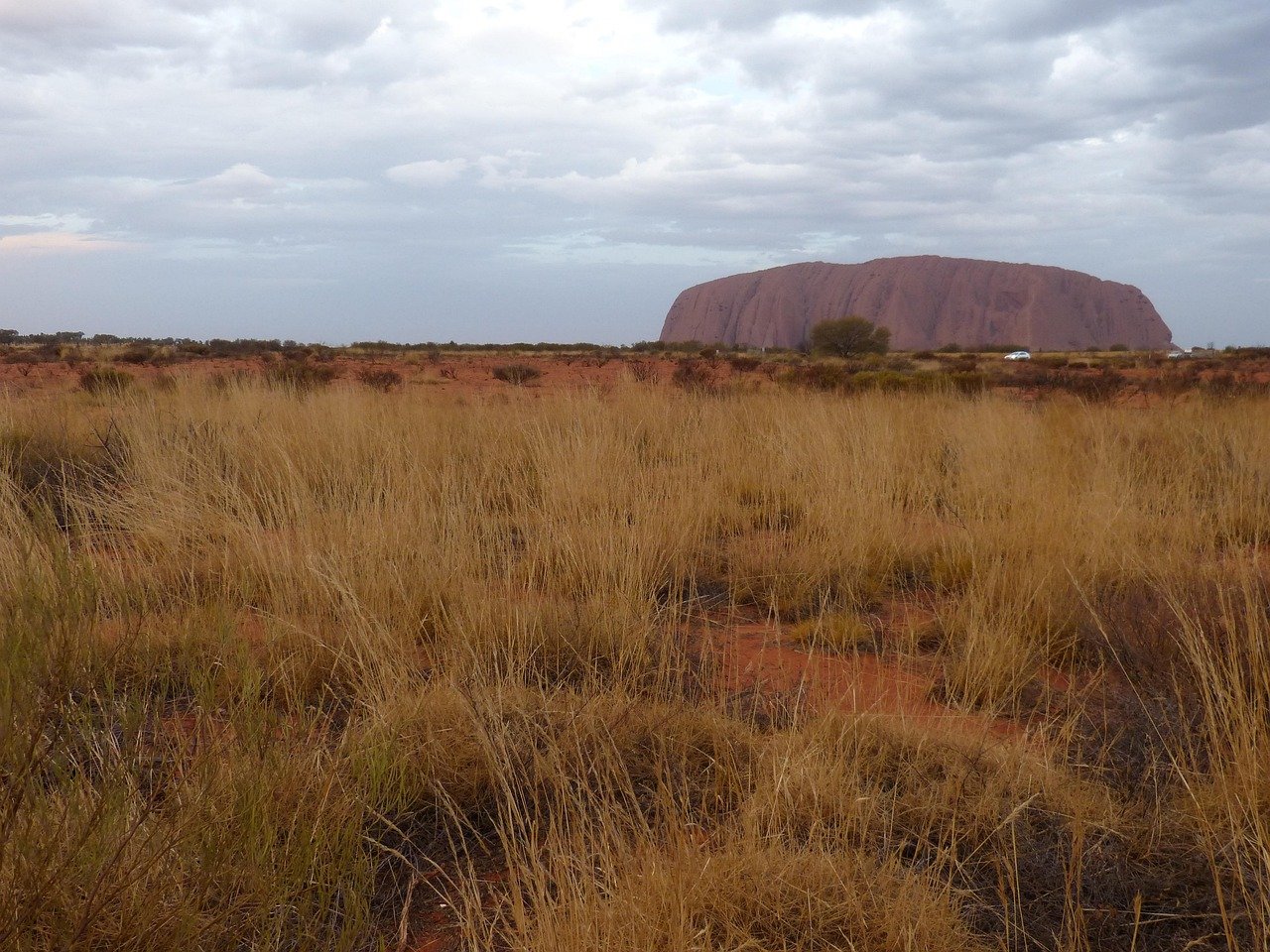
The 10.6-kilometer base walk circumnavigates the entire rock and is the most comprehensive way to experience Uluru. The walk takes approximately 3-4 hours at a moderate pace and reveals the extraordinary diversity of the rock surface: deep gorges, water holes, cave paintings, and sacred sites (many marked with signs requesting that visitors not photograph them). The Mutitjulu Waterhole on the south side is a permanent water source that has sustained Anangu life and wildlife for millennia, and the cave paintings nearby are among the most accessible examples of rock art in the park.
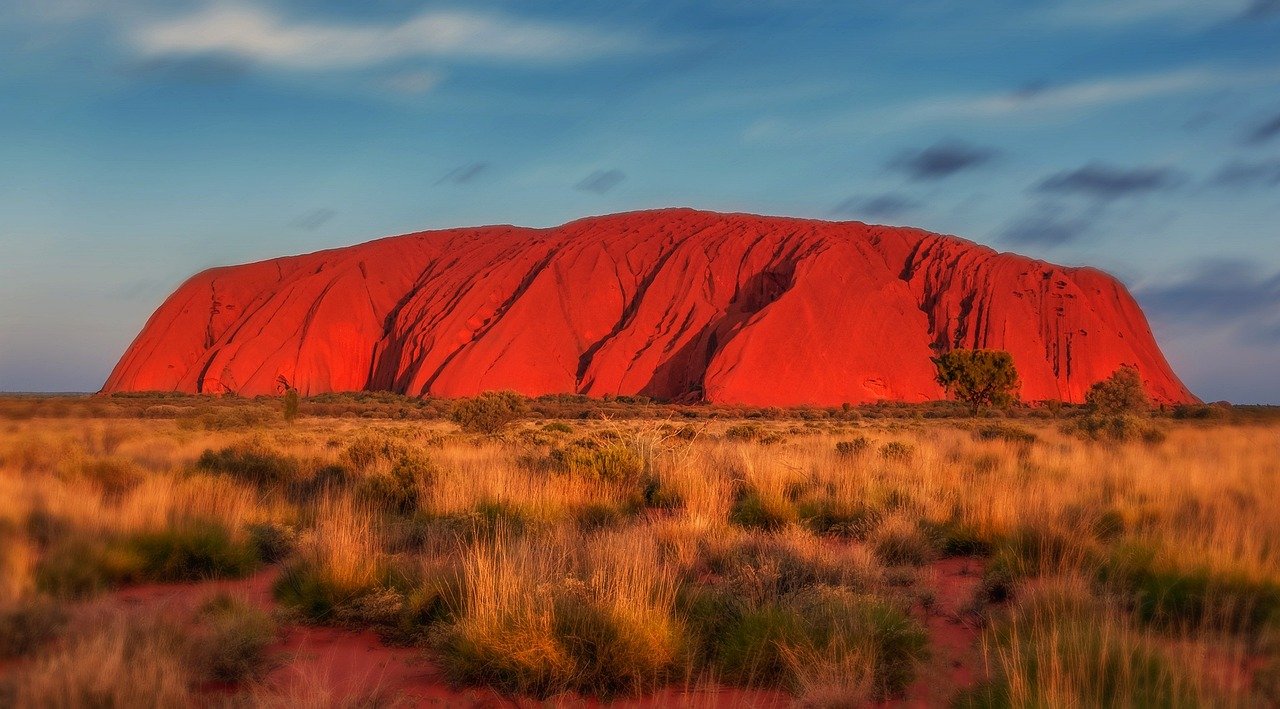
Sunrise and sunset from designated viewing areas are genuinely spectacular — the color transformations of the rock in changing light are not tourist hyperbole. The Talinguru Nyakunytjaku sunrise viewing area to the northeast provides views of both Uluru and Kata Tjuta simultaneously. Free ranger-guided tours depart daily from the Mala Walk car park at 8 am and provide Anangu cultural context that significantly enhances any visit. The Cultural Centre, 13 km from the park entrance, is free and essential — Anangu art, artifacts, and explanations of Tjukurpa provide the framework for understanding everything you are about to see.
The Anangu Connection
Understanding Uluru requires accepting that it is not primarily a geological attraction — it is a sacred site, an archive of living cultural knowledge, and the home of a community with continuous presence stretching back further than any other living culture on earth. The Anangu ask visitors to treat Uluru with the same respect they would show any sacred space: no climbing (since 2019 this has been enforced), no photographing of culturally sensitive areas (marked clearly), and no removing rocks, sand, or plants from the park. Visitors who mail back rocks or sand they took “as souvenirs” (a surprising number do) are a source of both bemusement and sadness for park rangers.
The Anangu-owned and operated tours — particularly the Dot Painting workshops and the Guided Cultural Walks — provide direct access to Anangu knowledge and perspective that no other source can offer. These are not performances but genuine cultural exchanges conducted on Anangu terms, with income going directly to the community. Booking these tours through the Cultural Centre or the park’s official tour operators is the most meaningful investment a visitor can make in supporting the community that has cared for this landscape for 60,000 years.
Practical Information
- Tickets: 3-day park pass: AUD 38 adults, AUD 19 children (5-15), free under 5. Annual pass also available. Purchase online or at the park entrance.
- Opening hours: Park gates open approximately 30 minutes before sunrise and close 30 minutes after sunset. Hours vary by month — check the park website before visiting.
- Best time to visit: May-September for cooler temperatures (the park can close due to heat above 36C in summer). Dawn and dusk for the best light and color on the rock.
- Duration: Minimum 2 days to experience sunrise, sunset, and the base walk properly. Allow 3+ days for cultural tours and Kata Tjuta.
- Booking: Accommodation at Yulara Resort should be booked months in advance. Park passes can be purchased at the gate but buying online saves time.
Local Insights
What locals know that guidebooks do not always tell you:
- The free ranger-guided Mala Walk at 8 am is one of the best value activities in the entire National Park — an experienced ranger with genuine cultural knowledge is worth more than any audio guide.
- The color of Uluru at sunrise depends entirely on cloud cover and humidity — overcast days can produce more subtle and in some ways more dramatic effects than clear-sky mornings.
- Flies are intense from September to April — a head net is not embarrassing, it is essential. They are dramatically reduced in the winter months (May-August).
- The Cultural Centre is often skipped by visitors in a hurry to reach the rock — this is a mistake. Spend an hour here first and everything at Uluru will mean more.
- Kata Tjuta (the Olgas), 50 km from Uluru, is arguably even more impressive to walk among than Uluru itself — the Valley of the Winds walk takes 3-4 hours and is less crowded than any Uluru trail.
Getting There
- By air: Ayers Rock Airport (Connellan Airport) is served by direct flights from Sydney, Melbourne, and Brisbane. The airport is adjacent to Yulara Resort.
- By car: Yulara is 1,490 km south of Alice Springs on the Stuart and Lasseter highways — a serious outback drive requiring preparation. Uluru is 17 km from Yulara.
- Organized tours: Many operators offer fly-drive packages from major cities, including accommodation at Yulara and guided park tours.
- From the resort: Free shuttle buses connect Yulara Resort to the park entrance, sunrise/sunset viewing areas, and the Cultural Centre.
Frequently asked questions
Can you still climb Uluru?
No — the climb on Uluru was permanently closed in October 2019, at the request of the Anangu traditional owners for whom the climb is deeply disrespectful to their sacred site. The closure is enforced and there are no exceptions. The base walk and all other trails remain open.
Why is Uluru red?
The red color comes from oxidized iron in the sandstone — essentially the rock is rusting. The interior of the rock, where water and oxygen have less access, is grey. Freshly exposed or broken surfaces are also grey, revealing the “true” color beneath the rust-red weathered surface.
Is Uluru worth visiting?
Uluru is consistently rated among the most memorable experiences in Australia by those who visit — but it requires approaching it on its own terms, with respect for its cultural significance, rather than as a simple geological tourist sight. Visitors who engage with the Anangu culture and take time for the base walk and Cultural Centre invariably leave more moved than those who simply photograph it from the viewing area.
What is Kata Tjuta?
Kata Tjuta (the Olgas) is a group of 36 domed rock formations 50 km west of Uluru, within the same National Park. They are geologically and culturally distinct from Uluru and offer extraordinary walking experiences including the Valley of the Winds — one of Australia’s finest walks. Both sites are included in the same park pass.
What accommodation is available near Uluru?
All accommodation is concentrated at Yulara (Ayers Rock Resort), 17 km from the park entrance, which offers everything from camping to luxury hotels. There is no accommodation within the park itself. Booking far in advance is essential, especially for peak season (May-September).