
Tiritiri Matangi Island
The ferry from Gulf Harbour has barely docked before you hear them — a cascade of birdsong unlike anything on the New Zealand mainland, rich and layered and insistent. Tiritiri Matangi Island is a living testament to what happens when humans give land back to nature. This 220-hectare island in the Hauraki Gulf was largely cleared for farming by the late 19th century, its native bush reduced to a handful of remnant patches. Then, beginning in the 1980s, volunteers planted over 280,000 trees and removed introduced predators, and the island was restored to a sanctuary where some of New Zealand's most endangered birds live, breed, and can be observed at remarkably close quarters.
History of Tiritiri Matangi Island
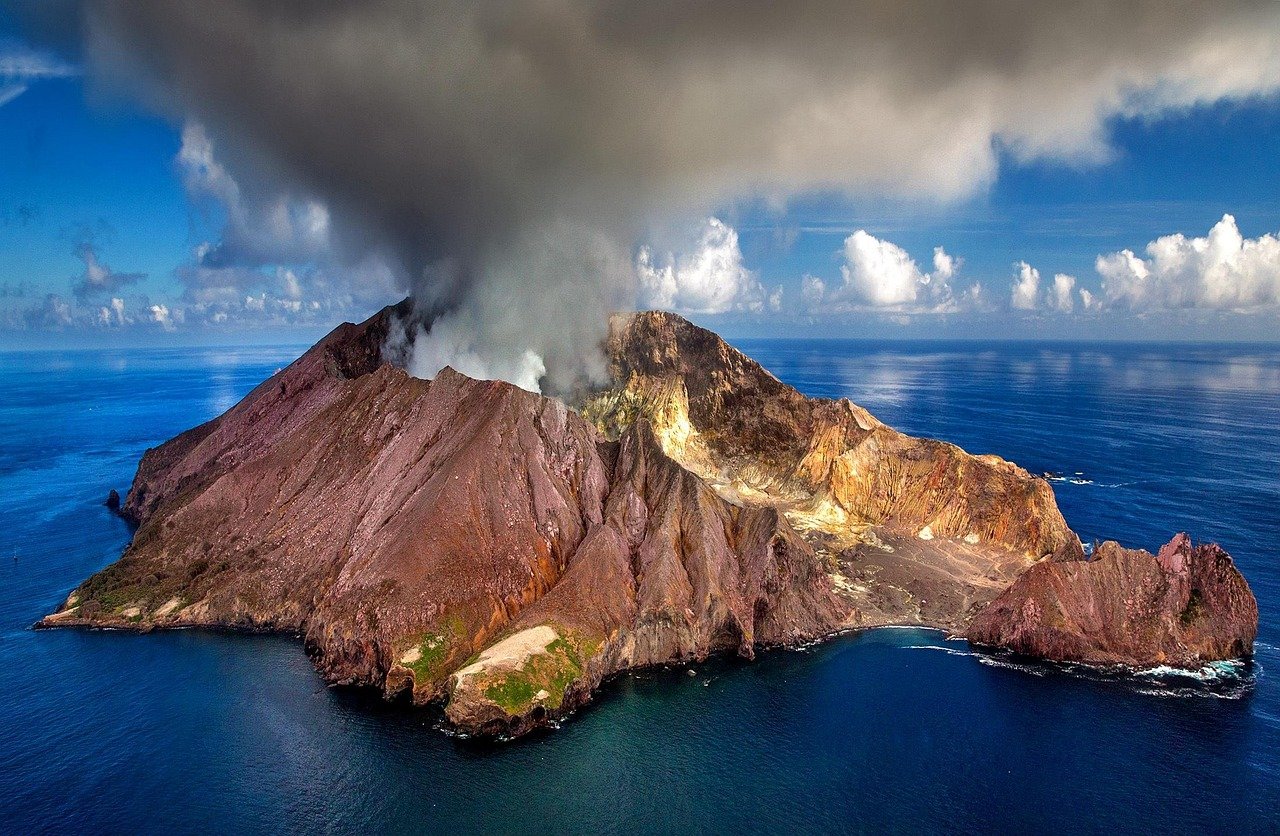
Māori used the island for fishing and as a navigational landmark for centuries — the name Tiritiri Matangi means “tossed by the wind,” a reference to the exposed island's breezy character. European settlement began in the 1840s, and farming gradually stripped the island's native forest until by the 1970s less than 6% of native bush remained. The lighthouse, built in 1864, still stands and remains operational — one of New Zealand's oldest lighthouses.
The island's transformation into a conservation sanctuary began in earnest in 1984, when the Department of Conservation initiated a planting programme that would become one of the world's most successful community-led ecological restoration projects. Over the following decade, more than 280,000 native trees were planted by volunteers — many of them day-trippers from Auckland who came on the ferry and spent their visit planting seedlings. Stoats, rats, and other introduced predators were eradicated, and from the late 1980s through the 1990s, rare bird species including kōkakō, takahe, and little spotted kiwi were translocated to the island.
What to See
The birding on Tiritiri Matangi is simply extraordinary. The island is home to species that have been pushed to the brink of extinction on the mainland, and here they are abundant and unafraid. The kōkakō — a large blue-wattled crow with an hauntingly beautiful call — is perhaps the most sought-after sighting, and encounters are frequent along the forest tracks. Takahe, the flightless rail once thought extinct and rediscovered in the South Island's Fiordland in 1948, graze on the open grassy areas with surprising nonchalance. Little spotted kiwi emerge after dark and can sometimes be heard calling from the bush.
The island has 12 kilometres of well-maintained walking tracks ranging from gentle coastal paths to forest climbs up to the lighthouse. The Wattle Track through regenerating bush is particularly good for close encounters with kōkakō. Guided walks led by knowledgeable volunteer guides depart from the wharf after the ferry arrives — these are strongly recommended as guides know exactly where to find the rarest species and can identify the extraordinary diversity of birdsong.
The Lighthouse
The Tiritiri Matangi lighthouse was built in 1864 and is one of the oldest still-operational lighthouses in New Zealand. The white octagonal tower stands at the island's highest point and its light has guided ships through the Hauraki Gulf for over 160 years. The lighthouse keeper's cottage adjacent to the tower has been converted into overnight accommodation managed by the Department of Conservation — one of the most sought-after wilderness stays close to Auckland, booking out months in advance.
The walk up to the lighthouse passes through regenerating forest alive with birdsong and offers views across the Gulf to the Coromandel Peninsula and, on clear days, back to the Auckland skyline. The visitor centre and small shop operate near the lighthouse during the ferry's stay on the island, selling conservation merchandise and cold drinks — the only refreshments available, so bring your own food for the day.
Practical Information
- Ferry: The Explore Group operates the only passenger ferry to Tiritiri Matangi from Gulf Harbour (Whangaparāoa) Wednesday–Sunday. Adults approx. NZD 52–60 return including park entrance. Book at exploregroup.co.nz.
- Opening hours: The island is accessible only when the ferry runs (Wed–Sun); check the current schedule at exploregroup.co.nz.
- Best time to visit: September–December for spring breeding season and peak birdsong; November–April is peak ferry season. Arrive early in the day for quiet forest tracks.
- Duration: Full day (the ferry stays approximately 4–5 hours on the island before returning).
- Booking: Book the ferry well in advance, especially for weekends November–April. No food available on island — bring all meals and snacks.
Local Insights
What locals know that guidebooks do not always tell you:
- Book the guided walk from the wharf — volunteer guides know exactly where the kōkakō are, and you will see and learn far more than walking independently.
- The island has no predators, which means birds are remarkably unafraid — kōkakō will walk directly toward you. Do not feed them; simply stand still and watch.
- Bring insect repellent — the forest has sandflies, particularly after rain. Long sleeves help in shaded areas.
- The lighthouse overnight stay is the best birding experience near Auckland — dawn on the island, before the day-trippers arrive, is magical. Book months ahead through DOC.
- On the ferry crossing, keep eyes open for seabirds — gannets, shearwaters, and petrels are regularly sighted in the Hauraki Gulf, and occasionally dolphins follow the bow.
Getting There
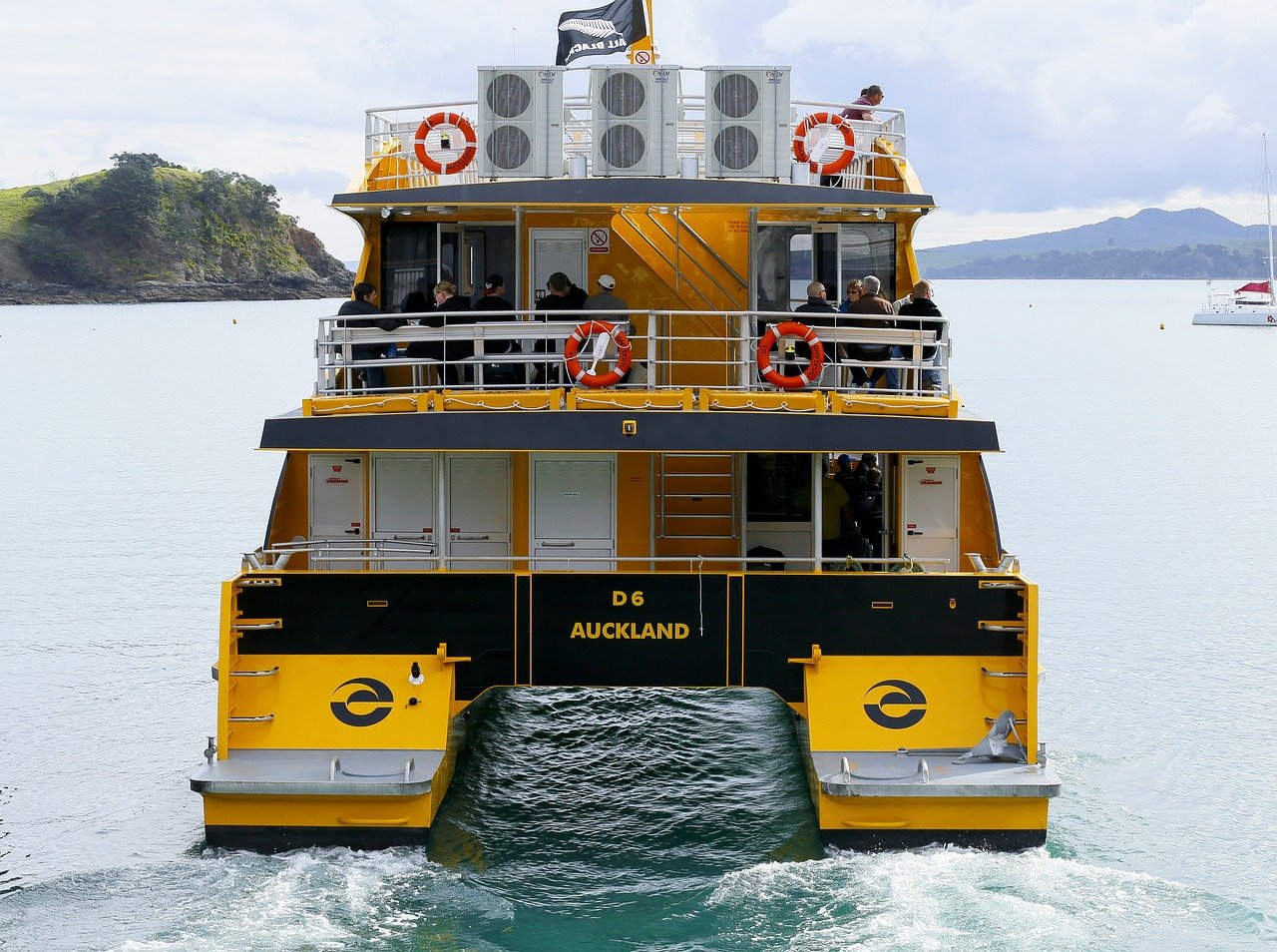
- Ferry from Gulf Harbour: Explore Group ferries depart from Gulf Harbour Marina on the Whangaparāoa Peninsula (approx. 45 minutes north of Auckland CBD). Journey time approx. 75–80 minutes each way.
- By car to Gulf Harbour: From Auckland via SH1 north to Silverdale, then Whangaparāoa Road. Parking available at Gulf Harbour Marina.
- Bus: Auckland Transport buses serve Whangaparāoa; check AT.govt.nz for current routes.
- From Viaduct Harbour, Auckland: Explore Group also offers seasonal ferry services direct from Auckland's city waterfront; check exploregroup.co.nz for current departures.
Frequently asked questions
What birds can I see on Tiritiri Matangi Island?
The island is home to kōkakō, takahe, little spotted kiwi (nocturnal), bellbird, tui, pied fantail, New Zealand robin, hihi (stitchbird), and many others. It is one of the most bird-rich accessible spots in New Zealand.
Can I see kiwi on Tiritiri Matangi during the day?
Kiwi are nocturnal and rarely seen during day visits. The lighthouse overnight accommodation offers the best chance of hearing and occasionally spotting them after dark. Day visitors occasionally encounter kiwi if they are very quiet in forested areas early in the morning.
Is Tiritiri Matangi suitable for children?
Yes — the island is excellent for families. Children are captivated by the close encounters with rare birds. The tracks are well-maintained. Bring sun protection, good footwear, and plenty of food and water.
Are dogs allowed on Tiritiri Matangi Island?
No. Dogs and other pets are strictly prohibited to protect the rare ground-nesting birds.
What other attractions are near Tiritiri Matangi?
The Whangaparāoa Peninsula has beaches, golf courses, and the Shakespear Regional Park — another excellent wildlife reserve with free-range kiwi and great walking tracks. Long Bay Regional Park is also nearby.