
Tijuca National Park (Parque Nacional da Tijuca)
Stand on a trail in Tijuca National Park and you forget, for a moment, that you are inside one of the world’s most densely populated cities. The forest closes around you — a cathedral of Atlantic rainforest, 3,953 hectares of towering canopy that has somehow survived, been destroyed, and been reborn within Rio de Janeiro’s city limits. Tijuca is the world’s largest urban reforested national park, an ecological miracle as dramatic as any of Rio’s famous landmarks. Monkeys crash through the canopy overhead. Waterfalls emerge from the mist. And somewhere above you, arms outstretched over the whole bewildering city, stands Christ the Redeemer — part of this same park, though accessed on a separate ticket.
History of Tijuca National Park
The forest you walk through today is not ancient wilderness — it is a triumph of 19th-century ecological vision that reads as remarkably prescient. By the 1840s, Rio de Janeiro was facing a water crisis. The original Atlantic Forest covering the surrounding mountains had been cleared over two centuries for coffee and sugar plantations, and without tree cover the watershed feeding the city’s rivers was collapsing. Emperor Dom Pedro II made an extraordinary decision: order the reforestation of the cleared mountains surrounding the city. Beginning around 1861, Major Manuel Gomes Archer and later Gastão d’Escragnolle led one of the world’s first large-scale government-directed reforestation projects, replanting native Atlantic Forest species across the denuded peaks and valleys. Within decades, the forest had returned.
The result was formally designated a national park on July 6, 1961, and the forest today is so mature that UNESCO named it a Biosphere Reserve in 2012. Yet it retains traces of its plantation past: old coffee farms, ruined estate houses, and the characteristic mix of native Atlantic Forest species alongside introduced exotics planted during reforestation. Today the park manages nearly 200 kilometers of trails across three distinct sectors — the Tijuca Forest sector (the main forest mass), the Serra da Carioca sector (which includes Corcovado Mountain and Christ the Redeemer), and the Pedra Bonita/Pedra da Gávea sector to the south. Together they protect 1,619 plant species, 33 endangered, and support wildlife populations that include howler monkeys, capuchin monkeys, toucans, and over 200 bird species.
What to See at Tijuca National Park
Christ the Redeemer and Corcovado Mountain

Christ the Redeemer (Cristo Redentor) sits atop Corcovado Mountain at 710 meters, arms spread 28 meters wide over the city it blesses. Completed in 1931, it is the defining image of Rio de Janeiro and one of the New Seven Wonders of the World — and it is technically within Tijuca National Park’s Serra da Carioca sector, though access requires a separate ticket. The Trem do Corcovado (Corcovado Train) departs from Cosme Velho station, winding up through the forest on a narrow-gauge rack railway built in 1884; the ride itself is magical, offering glimpses of the jungle and sudden views of the city through the trees. An alternative van service runs from the same departure point. Tickets must be purchased in advance at tremdocorcovado.rio or paineirascorcovado.com.br — walk-up availability is extremely limited. Train tickets cost approximately R$97 adult, R$58 children 5–15 (prices subject to seasonal adjustment). Budget 3–4 hours for the full experience including waiting times at the statue.
Hiking Trails: Pico da Tijuca and Pedra Bonita
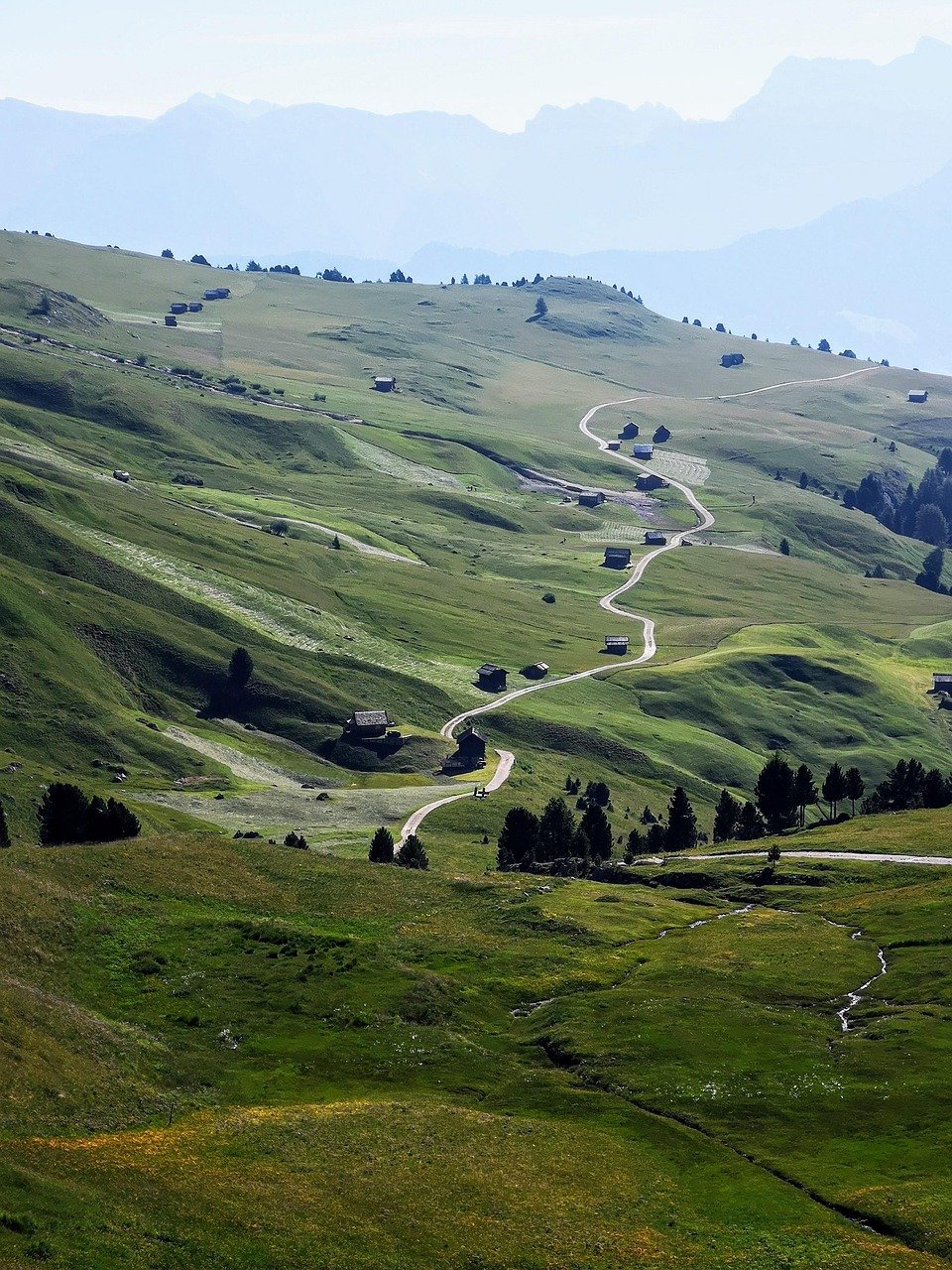
The Tijuca Forest sector’s trail network is one of the finest urban hiking opportunities in the world. Pico da Tijuca, the park’s highest summit at 1,022 meters, rewards its 3-hour round-trip hike with 360-degree panoramas of the entire city — on clear days you can see from Niterói across the bay to the Restinga de Marambaia. The trailhead starts near the Açude da Solidão reservoir; the trail involves some fixed-rope scrambling near the summit. For hikers who want views without the full commitment, Pedra Bonita offers a 40-minute walk from its trailhead in São Conrado to a massive granite slab that rises above the surrounding forest, with extraordinary views over Leblon, Ipanema, and the Lagoa Rodrigo de Freitas. Pedra Bonita is also the city’s premier hang-gliding and paragliding launch site — watching pilots step off the edge into the warm thermals above Rio is an attraction in itself. The longer Pedra da Gávea trail (3–4 hours round trip, moderate-difficult) reaches a famous monolith with a flat summit and arguably the best view in Rio.
Waterfalls and Wildlife
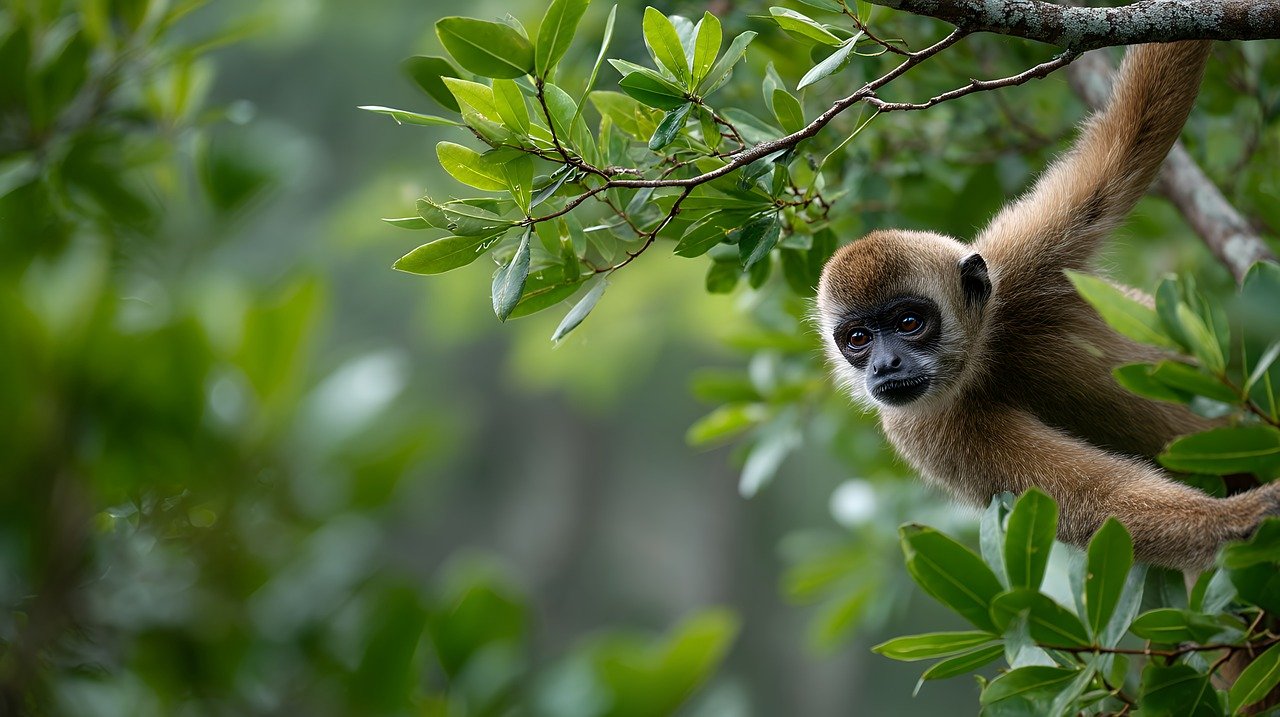
Tijuca contains over 30 waterfalls within the main forest sector, ranging from thundering curtains of water accessible by short walks from parking areas to hidden cascades deep in the forest discovered only on longer trails. Cachoeira das Almas is one of the most accessible — a 20-minute walk from Estrada da Cascatinha — and its pool allows swimming in cool, clear mountain water, one of the most refreshing experiences available in Rio on a hot day. Cachoeira Diamantina and Cachoeira Gabriela require longer approaches and see fewer visitors. Wildlife is abundant throughout the park: capuchin and howler monkeys are commonly spotted in the morning hours, peccaries (wild pig-like mammals) roam the forest floor, toucans appear near fruiting trees, and the endangered muriqui (woolly spider monkey) has been reintroduced to the park. Slow down on trails and listen — you will hear the park’s wildlife long before you see it.
Local Insights
These practical insights will help you make the most of Tijuca’s trails and save you from common frustrations.
- Book Corcovado tickets at least 2 weeks ahead in high season. The Trem do Corcovado sells out far in advance during December–March, Brazilian school holidays, and Carnival. Walk-up visitors on peak days are turned away entirely. Book at tremdocorcovado.rio as soon as your travel dates are confirmed. The first train (7:30am) and second train are the best for avoiding crowds at the statue itself — visibility is also clearest in the morning before afternoon clouds build around the peak.
- Avoid Thursdays, Fridays, and Sundays for the trails. Park management data shows these are consistently the busiest days on the hiking trails. Monday and Wednesday mornings are the quietest times for a meditative hike through the forest. If you must visit on a busy day, start hiking before 8am — the forest before sunrise is genuinely magical and the trails are empty.
- Bring 2 liters of water per person and wear sun protection. The forest feels cool under the canopy but Rio’s sun is intense on exposed sections near summits. Heat exhaustion is common among under-prepared hikers on the Pico da Tijuca trail, particularly in summer (November–March). Water refill points do not exist on trails. Lightweight trail shoes are minimum footwear; flip-flops are dangerous on wet granite.
- The park entry is free but Christ the Redeemer is a separate paid experience. The Tijuca Forest sector and hiking trails have no entrance fee — anyone can walk in. The Corcovado/Christ the Redeemer experience requires a specific ticket via the train or van service, purchased at Cosme Velho station or online. Many visitors confuse “entering Tijuca” with “reaching Christ the Redeemer.” They are different experiences requiring different planning.
- Use a licensed guide for the more remote trails. The Tijuca Forest is a real forest — trails are marked but signage is inconsistent, and it is genuinely possible to become disoriented in the interior. For Pico da Tijuca, Pedra da Gávea, or any trail rated moderate or difficult, hiring a certified guide (typically R$150–300 per person for a half-day, ~USD $30–60) dramatically improves safety and adds extraordinary natural history knowledge. Rio Natural (rionatural.com.br) and Rio XTreme are reputable operators.
Planning Your Visit
- Tickets: General park access (hiking trails, waterfalls) is free. Christ the Redeemer via Trem do Corcovado: approximately R$97 adult / R$58 children 5–15 (~USD $19/$12). Van alternative to Corcovado: approximately R$92 adult. Hang-gliding from Pedra Bonita: R$550–700 (~USD $110–140) per person with certified operators. Guided hikes: R$150–300 per person depending on trail and operator.
- Opening hours: Tijuca Forest sector: 8am–5pm daily (6pm in summer). Serra da Carioca sector (Corcovado): 8am–7pm (8pm in summer). Pedra Bonita/Pedra da Gávea: 8am–5pm (6pm in summer).
- Best time: May–September for clear skies, lower humidity, and ideal hiking temperatures. Avoid summer (December–March) if possible — afternoon thunderstorms are frequent and visibility at Christ the Redeemer is often poor. Morning visits year-round are best for wildlife and visibility.
- Duration: Corcovado/Christ the Redeemer: 3–4 hours from Cosme Velho and back. Pedra Bonita hike: 2 hours round trip. Pico da Tijuca: 4–5 hours round trip. Waterfall walk: 1–2 hours. Full park day: 6–8 hours combining two sectors.
- Booking: Advance booking strongly recommended for Christ the Redeemer (tremdocorcovado.rio or paineirascorcovado.com.br). Hiking trails require no booking. Guided tours recommended to book 24–48 hours ahead.
Getting There
- Bus: For the Tijuca Forest sector: buses 301, 333, 308, 309, and 345 run to Praça Afonso Vizeu near the Alto da Boa Vista park entrance. For Corcovado: buses 583, 584, 569, and 570 run to Cosme Velho station (Rua Cosme Velho 513). Bus fare is approximately R$4.30 (~USD $0.85).
- By car: For the Tijuca Forest: take Estrada da Vista Chinesa from the Jardim Botânico neighborhood. Parking available at Açude da Solidão (limited, arrive early). For Corcovado: parking is not available at the train station — use paid street parking nearby or ride-share.
- On foot: The park boundary is accessible on foot from various Zona Sul neighborhoods, but the hiking trailheads are 3–8km from beach areas — use ride-share to reach specific trailheads efficiently.
- Taxi/ride-share: Uber and 99 are the most practical options. To Cosme Velho (Corcovado) from Ipanema: approximately R$25–35 (~USD $5–7), 15–20 minutes. To Alto da Boa Vista (forest trails): approximately R$30–45 (~USD $6–9) from Ipanema. Drivers know both locations. Combine with the Botanical Garden (4km away) easily on the same day.
Frequently asked questions
Is Christ the Redeemer included in the Tijuca National Park entry fee?
No — and this is one of the most common points of confusion among visitors. While Christ the Redeemer (Cristo Redentor) sits physically within the boundaries of Tijuca National Park’s Serra da Carioca sector, access to the statue requires a separate, specific ticket via either the Corcovado Train (Trem do Corcovado) or the authorized van service, both departing from Cosme Velho station. The general Tijuca hiking trails (forest sector, Pedra Bonita, waterfalls) are free to enter. Always purchase Corcovado tickets in advance at tremdocorcovado.rio — do not count on buying them on the day, especially during peak season (November–March).
What is the easiest trail in Tijuca National Park for beginners?
The Pedra Bonita trail is the ideal starting point for first-time visitors or those with moderate fitness. The trail is approximately 1.5km each way, takes about 40 minutes to reach the summit, and involves only gentle ascent until the final scramble over granite slabs near the top. The reward — a sweeping panorama over São Conrado, Leblon, Ipanema, and the Lagoa — is genuinely spectacular and comparable to the view from Corcovado. The trailhead is accessed from Estrada das Canoas in São Conrado (Uber/99 drop-off works perfectly). Wear closed shoes and bring water. The summit is an exposed granite slab so wind can be strong.
Are there dangerous animals in Tijuca National Park?
Tijuca’s wildlife is remarkably benign for a tropical forest. There are no large predators that pose a threat to hikers. Pit vipers (especially the jararaca) exist in the park and should be respected — never put your hands under rocks or into undergrowth without looking, and wear closed shoes. Wild boar (javali) have been spotted but rarely approach humans. Monkeys are habituated to people near picnic areas and may steal food — keep snacks secured and do not feed them. The greatest practical hazard in the park is not wildlife but weather: afternoon thunderstorms in summer can cause trail flooding and lightning risk near exposed summits. Always check forecasts before hiking and start early.
Can I hang-glide from Tijuca National Park?
Yes — Pedra Bonita, within the park’s southern sector, is one of the world’s most spectacular urban hang-gliding and paragliding launch sites. Tandem flights with certified pilots take off from the 840-meter granite slab and glide over the forest, then descend to the beach at São Conrado in approximately 10–15 minutes. The experience of flying over the Atlantic Forest toward the ocean with Rio’s coastline spread below is genuinely extraordinary. Major certified operators include Rio XTreme and Super Fly. Prices typically run R$550–700 per person (~USD $110–140) including transport from your hotel. Book in advance; flights depend on wind conditions and may be rescheduled for weather.