
Temple of the Golden Buddha (Wat Traimit)
The Golden Buddha sits in its shrine with a serenity that seems concentrated by its own weight. At nearly five and a half tonnes of solid gold — the largest solid gold statue in the world — it has a presence that goes beyond the merely impressive into something closer to overwhelming. Yet Wat Traimit, the Temple of the Golden Buddha in Bangkok's Chinatown, is also a story of accident and discovery: this extraordinary object lay hidden beneath a layer of plaster for decades, its true nature unknown until a clumsy moment with a crane crane revealed the gold beneath.
History of Wat Traimit
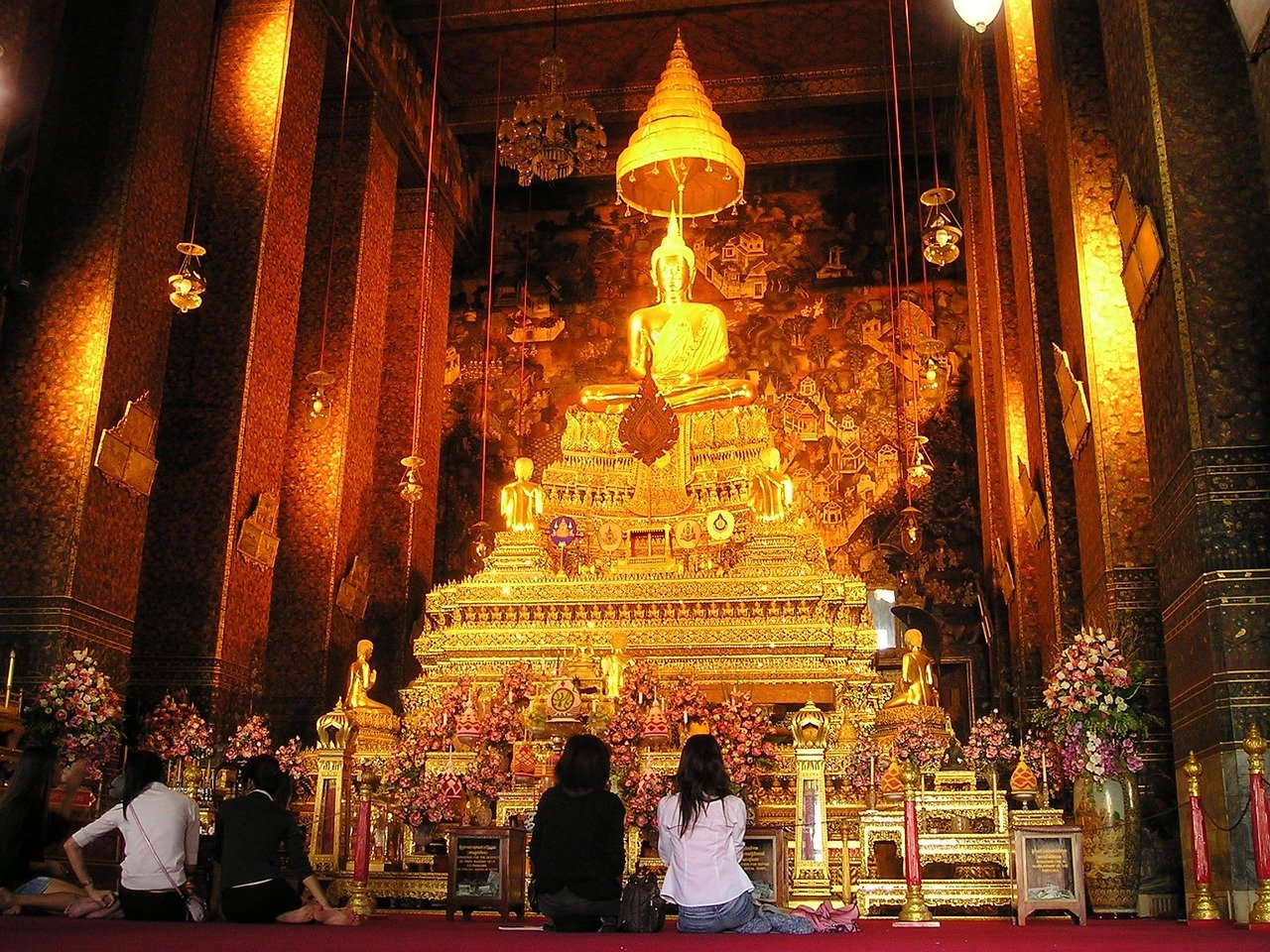
Wat Traimit has existed on this site in Bangkok's Chinatown district since the 13th century, though the current buildings date from more recent reconstructions. The temple's star attraction — the 3-metre tall Buddha image — has a history that is part archaeology, part legend. The statue dates to the Sukhothai period (13th–15th centuries) and was probably one of many gold images created during that era when Thailand's first major kingdom flourished in the north.
According to the most widely accepted account, the statue was coated in a thick layer of plaster during a period of political instability — most likely when Burmese forces threatened the region — to disguise its value and prevent it from being looted. Covered in plaster, it passed unrecognised as a particularly valuable object and was eventually installed at Wat Traimit as a stucco-covered image of modest apparent significance. In 1955, workers attempting to move the statue accidentally dropped it, and the plaster cracked to reveal the gold beneath. Examination confirmed that the image was indeed solid gold, weighing approximately 5.5 tonnes at a purity of nearly 40 percent gold — making it one of the most valuable Buddhist objects ever discovered.
What to See
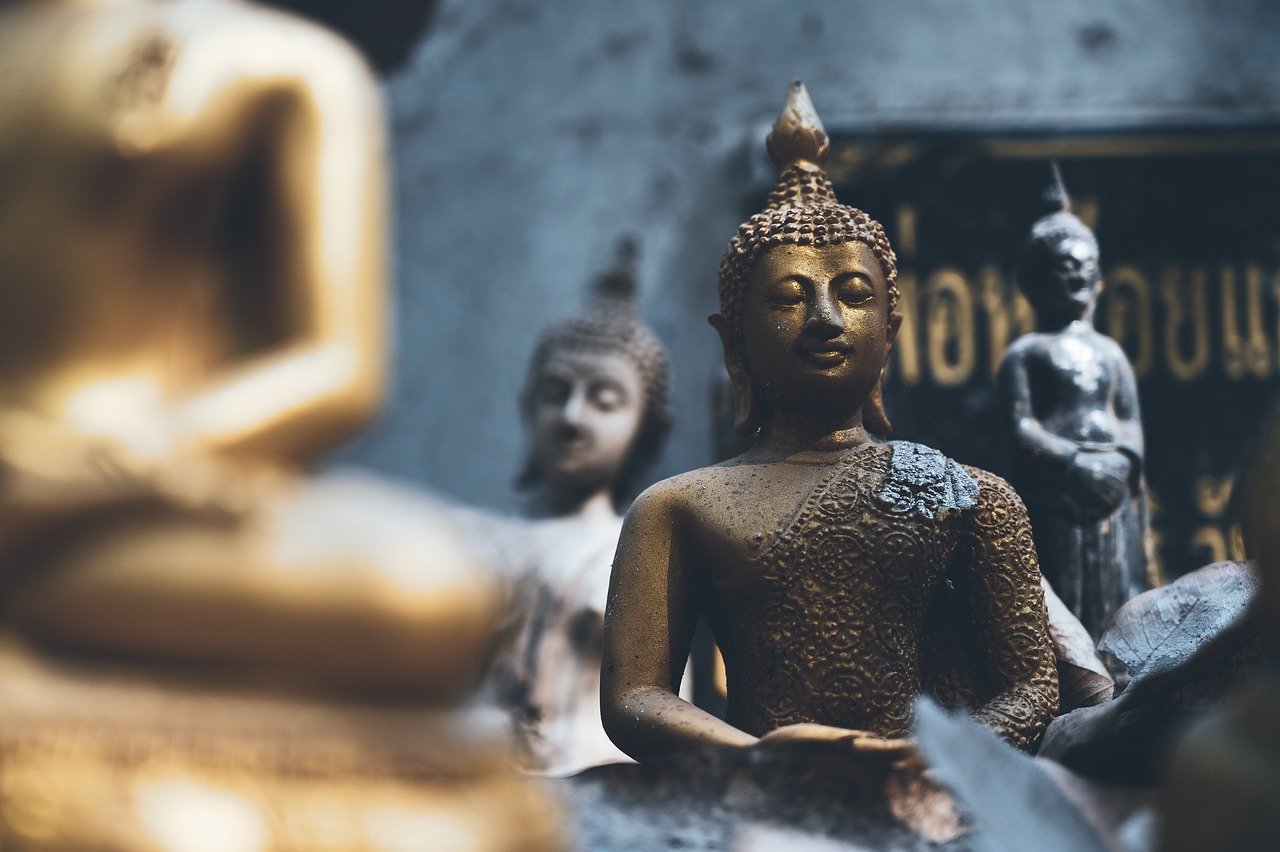
The Golden Buddha is housed in a purpose-built temple building constructed to give the statue the setting it deserves. It sits on an elevated throne in the main hall, surveying worshippers from a height that requires visitors to look up at the gilded face. The surrounding shrine is elaborate — offerings of flowers, incense, and candles crowd the space, and devotees kneel in prayer throughout opening hours. The atmosphere is one of genuine, active religious observance rather than museum-like display.
The same building houses the Yaowarat Chinatown Heritage Centre — a well-designed museum tracing the history of Chinese immigration to Bangkok and the development of the Yaowarat (Chinatown) district. The exhibition uses photographs, objects, and oral history recordings to tell the story of how a community of primarily Teochew Chinese immigrants transformed a swampy Bangkok district into one of the city's most economically and culturally vibrant neighbourhoods over the past 200 years.
Chinatown Yaowarat Context
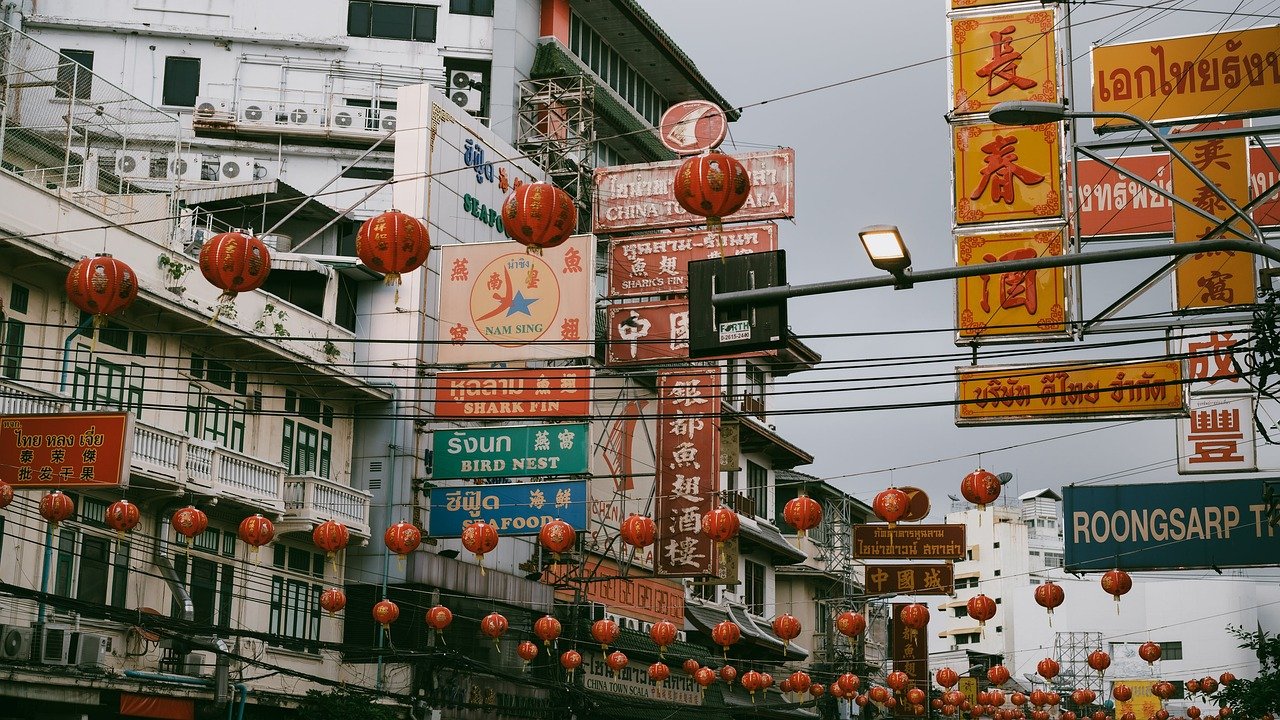
Wat Traimit sits at the western gateway to Bangkok's Chinatown — the Yaowarat district — where the famous Yaowarat Road stretches east through a dense urban landscape of gold shops, street food stalls, herbal medicine dealers, and century-old shophouses. The combination of a visit to the Golden Buddha with a walk along Yaowarat Road is one of Bangkok's most rewarding half-days.
The area around the temple is particularly lively at night, when street food vendors set up along the alleys adjacent to the main road serving everything from braised pork trotters and roast duck to freshly caught seafood grilled over charcoal. The T&K seafood restaurant and the various noodle vendors around Rong Muang intersection are Bangkok institutions that reward a visit after viewing the Golden Buddha.
Practical Information
- Tickets: Main temple and statue viewing: approx. THB 100 for adults. Heritage Centre has a separate admission (approx. THB 100). Children may be discounted.
- Opening hours: Daily 8:00–17:00.
- Dress code: Shoulders and knees covered required for the shrine area. Smart casual clothing is appropriate.
- Best time to visit: Morning for the temple; evening for the Chinatown street food experience afterwards.
- Duration: 45 minutes–1.5 hours for the temple; add time for Chinatown exploration.
Local Insights
What locals know that guidebooks do not always tell you:
- Visit the Golden Buddha in the morning when the light through the hall windows catches the gold most dramatically — midday sunlight tends to flatten the surface.
- The Chinatown Heritage Centre on the upper floors of the same building is often skipped by visitors but is genuinely informative about Bangkok's Chinese community — much more interesting than it sounds.
- The night market along Yaowarat Road (evenings, from around 6pm) is one of Bangkok's greatest food experiences. Plan to visit the Golden Buddha during the day and return to the neighbourhood after dark.
- Wat Mangkon Kamalawat — a large Chinese Buddhist temple a few minutes walk east — is far more atmospherically “Chinatown” than Wat Traimit and offers excellent incense-filled religious activity throughout the day.
- The MRT Hua Lamphong station is very close to the temple — the easiest and fastest way to reach Chinatown from the central city.
Getting There
- MRT (Metro): Hua Lamphong Station (MRT Blue Line) — exit and walk approximately 5 minutes along Charoen Krung Road toward the temple.
- Chao Phraya Boat: Ratchawong Pier; then 10–15 minutes walk inland through Chinatown.
- Taxi/Grab: Address: 661 Charoen Krung Road, Talat Noi, Samphanthawong. Traffic on Charoen Krung can be heavy during peak hours.
- Bus: Multiple buses on Charoen Krung Road and Yaowarat Road — ask for Wat Traimit or Sampeng area.
Frequently asked questions
Is the Golden Buddha actually solid gold?
Yes — the statue is confirmed to be solid gold, weighing approximately 5.5 tonnes at roughly 40% gold purity (in Thai measurement terms, the gold is approximately 18–24 karat in different sections). It is widely regarded as the world's largest solid gold statue.
Can I pray or make offerings at Wat Traimit?
Yes — Wat Traimit is an active place of worship and visitors are welcome to join in devotional activities. Incense, flower offerings, and candles can be purchased at the entrance.
How was the Gold Buddha's true nature discovered?
In 1955, workers accidentally dropped the statue while attempting to move it. The plaster exterior cracked, revealing gold underneath. Subsequent investigation confirmed the statue was solid gold dating to the Sukhothai period — one of the most remarkable archaeological discoveries in Thai history.
Is Wat Traimit open during public holidays?
The temple generally remains open on Thai public holidays, though opening hours may vary. Buddhist holy days (Wan Phra) typically see the temple especially active with worshippers. Check locally for holiday schedule changes.
What other attractions are near Wat Traimit?
Yaowarat Road and Bangkok's Chinatown stretch east from the temple. Wat Mangkon Kamalawat (a major Chinese Buddhist temple) is 10 minutes walk. Hua Lamphong Station and the railway museum are immediately nearby.