
Taronga Zoo Sydney
The ferry crosses Circular Quay, the Opera House and Harbour Bridge framing the Sydney skyline behind you, and as you dock at Bradley's Head the giraffe enclosure comes into view — long-necked silhouettes against the blue harbour, one of the world's most improbable juxtapositions of urban landmark and wildlife. Taronga Zoo occupies a north-facing hillside in Mosman, and for over a century it has been synonymous with the Sydney experience. But Taronga is more than a tourist attraction — it is a world-respected conservation institution that participates in breeding programmes for endangered species from the Tasmanian devil to the pygmy hippopotamus.
History of Taronga Zoo
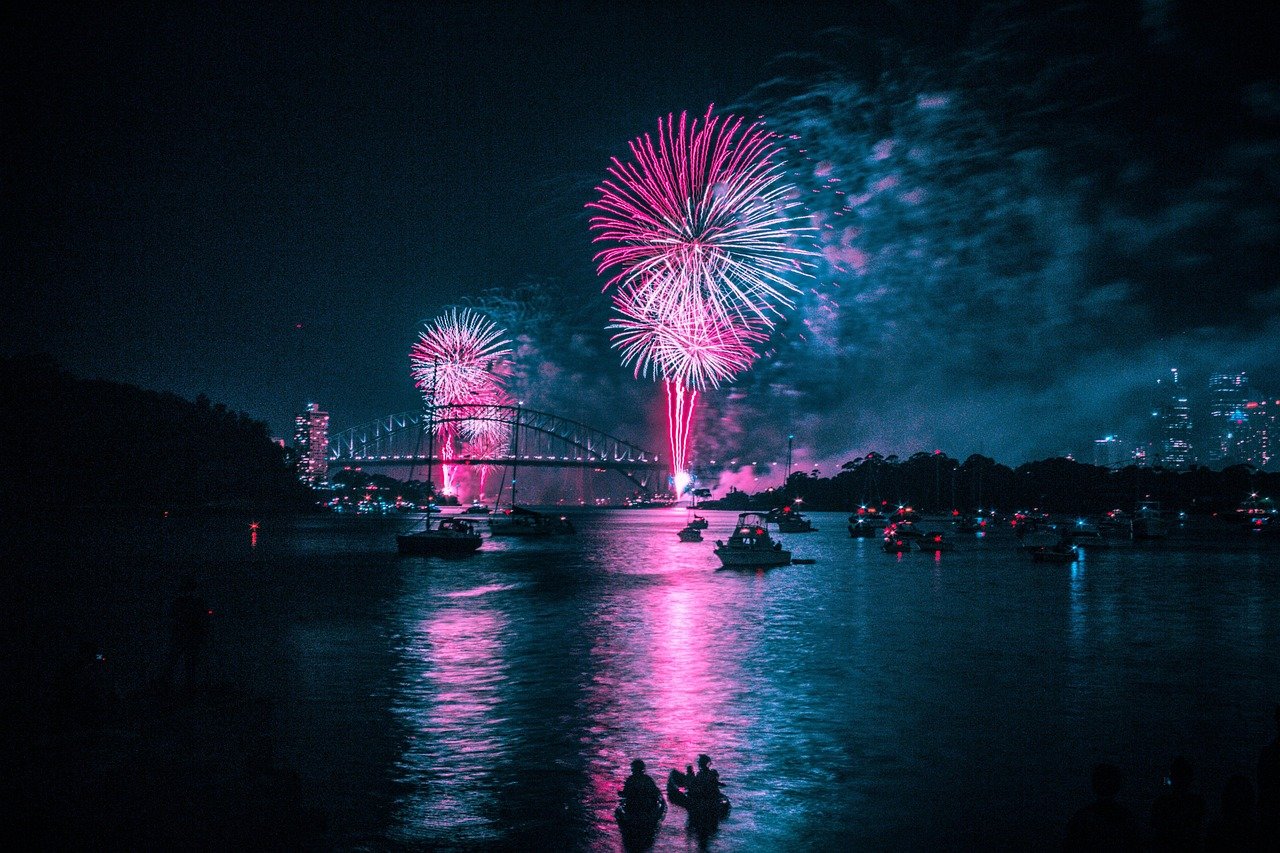
Sydney's zoo has a history stretching back to 1879, when the first public collection of animals was established in Moore Park in the city's inner south. As the collection grew and the site became inadequate, the government acquired land at Bradley's Head in Mosman — a spectacular north-facing site overlooking Sydney Harbour. Taronga Zoo opened on its current site in 1916, its name derived from the Aboriginal word meaning “beautiful view over the water.”
The zoo's early decades were shaped by the conventions of their era — small enclosures and a display-focused approach. From the 1970s onward, Taronga progressively adopted naturalistic habitats and began its transformation into a conservation-focused institution. Major renovations over subsequent decades have replaced virtually all the original enclosures with immersive environments designed around the needs of the animals. Today the zoo holds over 4,000 animals representing around 350 species, and its conservation programmes include the wild-release of several threatened Australian species.
What to See
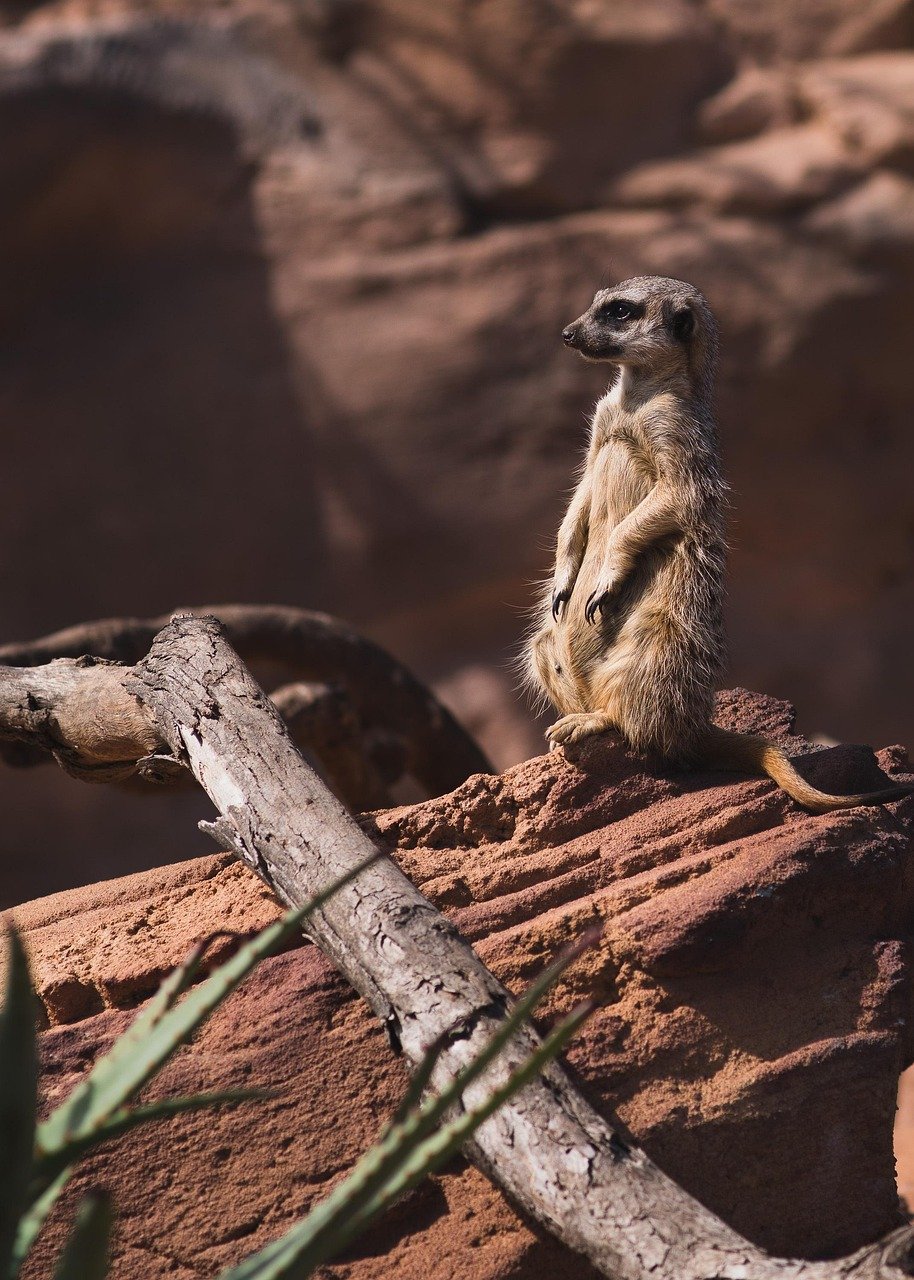
Taronga's highlights are considerable. The African Savannah precinct allows giraffes to roam against the backdrop of the harbour — arguably the most dramatically situated animal exhibit anywhere in the world. The Australian Walkabout has short-beaked echidnas, wombats, koalas, and eastern grey kangaroos in naturalistic habitats, while the Reptile World houses taipans, pythons, and the Komodo dragon. The Great Southern Ocean exhibit recreates the environment of Australia's sub-Antarctic islands, with little penguins and long-nosed fur seals.
The zoo offers daily keeper talks and feeding demonstrations at various enclosures — the schedule is published on the zoo's app and website. The Sky Safari cable car runs from the lower ferry wharf to the upper zoo entrance, offering aerial views over the harbour and the animal enclosures — a recommended starting point for any visit. The free-flight bird show in the Shaw Theatre is a popular family highlight, featuring native Australian raptors, cockatoos, and parrots demonstrating their natural behaviours.
Conservation Work
Taronga is the lead zoo in Australia's recovery programme for the Tasmanian devil, a carnivorous marsupial decimated by the infectious facial tumour disease that has killed an estimated 80% of wild devils since the 1990s. The zoo maintains an insurance population and participates in wild-release programmes on the Australian mainland. Similar work is ongoing for the orange-bellied parrot, the regent honeyeater, and several reptile species.
The zoo's Institute of Science and Learning runs research programmes linking field conservation in Australia and across the Indo-Pacific with the captive management expertise resident in the zoo. Taronga Conservation Society Australia (the organisation's full name) operates Taronga Western Plains Zoo in Dubbo — a drive-through zoo on 300 hectares that is the preferred facility for larger African and Asian savannah species — and manages conservation field stations in Africa and Southeast Asia.
Practical Information
- Tickets: Adults from AUD 52; children from AUD 32 (3–15 years). Ferry + entry packages available. Book online at taronga.org.au for discounts.
- Opening hours: Daily 9:30–17:00 (last entry 16:30). Extended hours in summer for Twilight at Taronga concerts (selected dates).
- Best time to visit: Weekday mornings for smaller crowds and most active animals. Avoid peak school holiday weeks (July, Christmas–January) for the best experience.
- Duration: 3–5 hours for a thorough visit; allow a full day with shows and cable car.
- Booking: Book online in advance for cheaper tickets and guaranteed entry. The Roar and Snore glamping experience (sleepover at the zoo) must be booked weeks in advance.
Local Insights
What locals know that guidebooks do not always tell you:
- Take the Sky Safari cable car from the lower wharf on arrival rather than walking uphill — it gives an aerial overview of the zoo and saves significant energy for the rest of the day.
- The best giraffe-and-harbour-bridge photo is taken from the upper level of the African Savannah precinct in the mid-morning, when giraffes are typically near the fence line and the light is ideal.
- The free-flight bird show fills up quickly on weekends — arrive 15 minutes before the scheduled start time to secure a seat. The evening show (when scheduled) is particularly atmospheric.
- Roar and Snore — the zoo's overnight glamping experience — includes a night safari and breakfast with the animals. It is one of Sydney's most unique experiences and books out months ahead.
- The zoo's lower entrance (Ferry Wharf side) is much less crowded than the Bradleys Head Road upper entrance at opening time. Take the ferry and enter from the water side.
Getting There
- Ferry: The most scenic and recommended option — Taronga Zoo Ferry departs from Circular Quay (Wharf 2) every 30 minutes daily. Journey approx. 12 minutes. Opal card accepted.
- Bus: Route 238 from Neutral Bay Junction (itself accessible by bus from city); Route 247 from the CBD direct to the upper zoo entrance on weekdays.
- Car: Limited and expensive parking at the upper entrance on Bradleys Head Road. The ferry is strongly recommended to avoid parking difficulties.
Frequently asked questions
Is Taronga Zoo worth the price?
Taronga offers an excellent combination of world-class animal exhibits, conservation messaging, and the unique setting with harbour views. Most visitors find a full day excellent value. Online booking typically reduces the ticket price by 10–15%.
Can I see koalas at Taronga Zoo?
Yes — koalas are in the Australian Walkabout section. Keeper talks are scheduled daily. Koala photo experiences (close-up encounters) can be booked for an additional fee and are popular — book in advance online.
Is Taronga Zoo accessible for visitors with mobility needs?
The zoo occupies a hillside and some paths are steep; however, the Sky Safari cable car connects the two levels and the main paths are paved and accessible. Manual wheelchairs are available to borrow free of charge from the main entrance.
Can I bring my own food to Taronga Zoo?
Yes — outside food and non-alcoholic drinks are welcome. The zoo has multiple cafes and kiosks if you prefer to buy on-site. Picnic areas are available throughout the grounds.
What other attractions are near Taronga Zoo?
The Mosman shoreline has lovely walking tracks. Balmoral Beach (15 minutes by taxi) is one of Sydney's best protected harbour beaches. Chowder Bay and Clifton Gardens (both 10 minutes from the zoo) have historic buildings and foreshore walks.