
Sydney Harbour Bridge
There is a moment on the BridgeClimb, somewhere near the arch’s summit at 134 metres above Sydney Harbour, when the city spreads itself out beneath you with a completeness that catches you completely off guard — the Opera House shells luminous against the water, Circular Quay alive with ferries, the harbour reaching in blue curves toward the open sea, and on the clearest days the Blue Mountains visible 80 kilometres to the west. The Sydney Harbour Bridge is not merely an engineering achievement; it is the frame through which Australians understand their most spectacular city. And it has been exactly that — the frame, the backdrop, the silhouette — since its opening in 1932.
History of Sydney Harbour Bridge
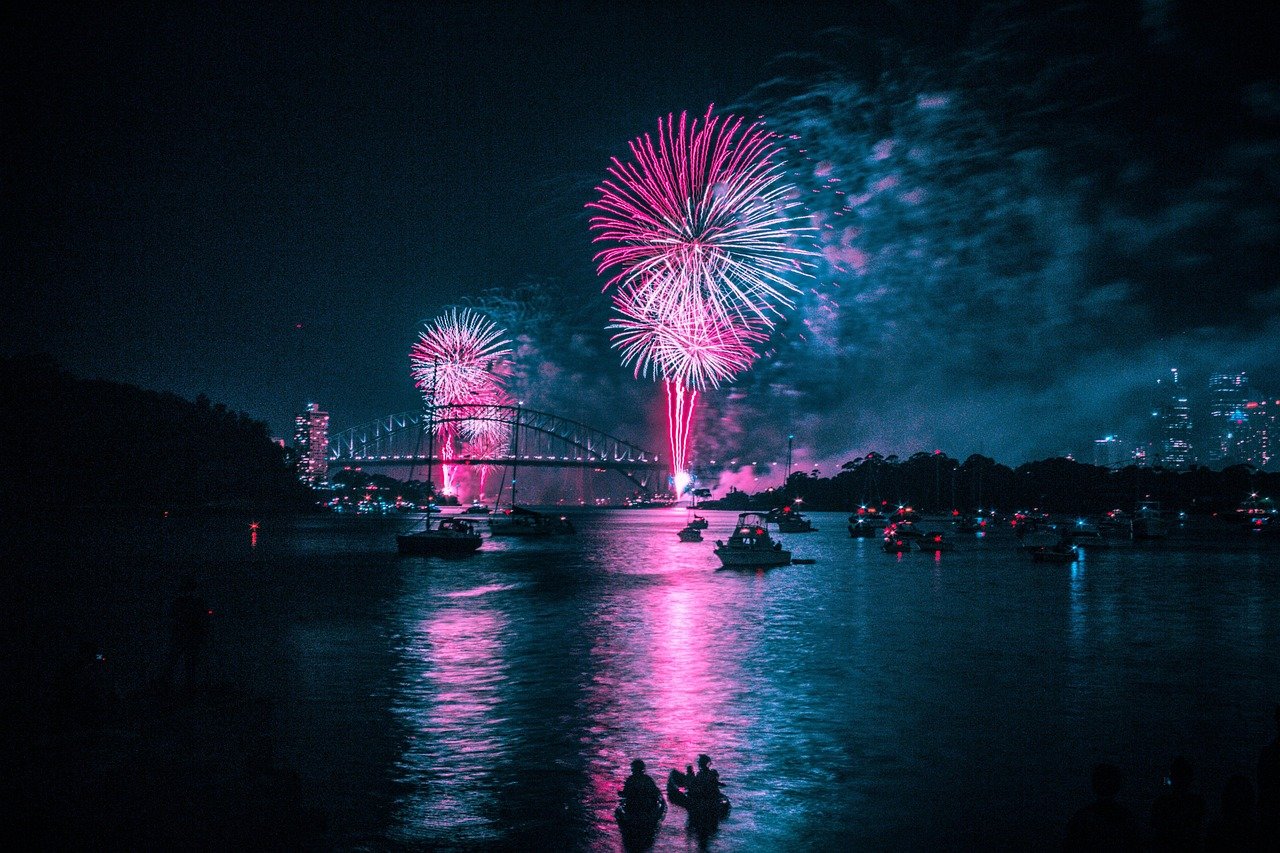
The dream of bridging Sydney Harbour existed almost from the colony’s founding. The need was obvious: the harbour divided the city’s north and south shores, and without a crossing, everything had to travel by ferry. In 1815 Francis Greenway sketched a bridge proposal as part of his broader architectural vision for the colony, and subsequent decades produced a succession of plans that went nowhere for lack of funds and political will. It was not until 1922 that the New South Wales government contracted the British firm Dorman Long & Co. to design and build the bridge, with construction beginning in 1924 under Chief Engineer John Bradfield — an Australian engineer who had championed the project for twenty years with almost evangelical persistence.
The construction was a feat of organisation and human courage that the Depression-era workforce undertook at remarkable personal risk. At its peak, the project employed 1,400 workers, and 16 died during construction — a toll that was considered low for a project of this scale by the standards of the time. The two arch halves were built simultaneously from each shore, creeping toward each other until they met in the middle in August 1930. The final joining was an engineering triumph requiring the two ends to align within millimetres after years of independent construction. On 19 March 1932 the bridge was opened by NSW Premier Jack Lang — in a ceremony that became legendary when a mounted horseman named Francis de Groot charged forward and slashed the ceremonial ribbon with his sword before Lang could cut it, in a protest against Labor politics. Lang calmly retied the ribbon and cut it himself.
What to See
Walking across the bridge on the pedestrian footpath is free and provides the classic view of the Opera House from the western walkway — one of the most replicated photographic compositions in the world. The walk takes approximately 30 minutes end-to-end, with the central pylon viewpoint accessible for a small fee via 200 steps. The Pylon Lookout Museum on the southeast pylon houses exhibits on the bridge’s construction, including dramatic photographs and artefacts from the building process, and the views from the top of the pylon are outstanding.
The BridgeClimb experience — a commercially operated guided climb to the arch summit — is in a different category entirely. Participants are kitted out in grey jumpsuits and connected to a safety rail system that runs the full length of the climb route, with guides leading groups of up to 14 through an ascent that takes 3.5 hours including briefing. The views from the summit, 134 metres above mean sea level, are genuinely spectacular and unlike any other vantage point in Sydney. Dawn and twilight climbs offer different lighting conditions and are priced at a premium. Despite its cost (approximately AUD 174–388 depending on time of day), the BridgeClimb consistently ranks as one of Sydney’s most-loved visitor experiences.
New Year’s Eve and the Bridge
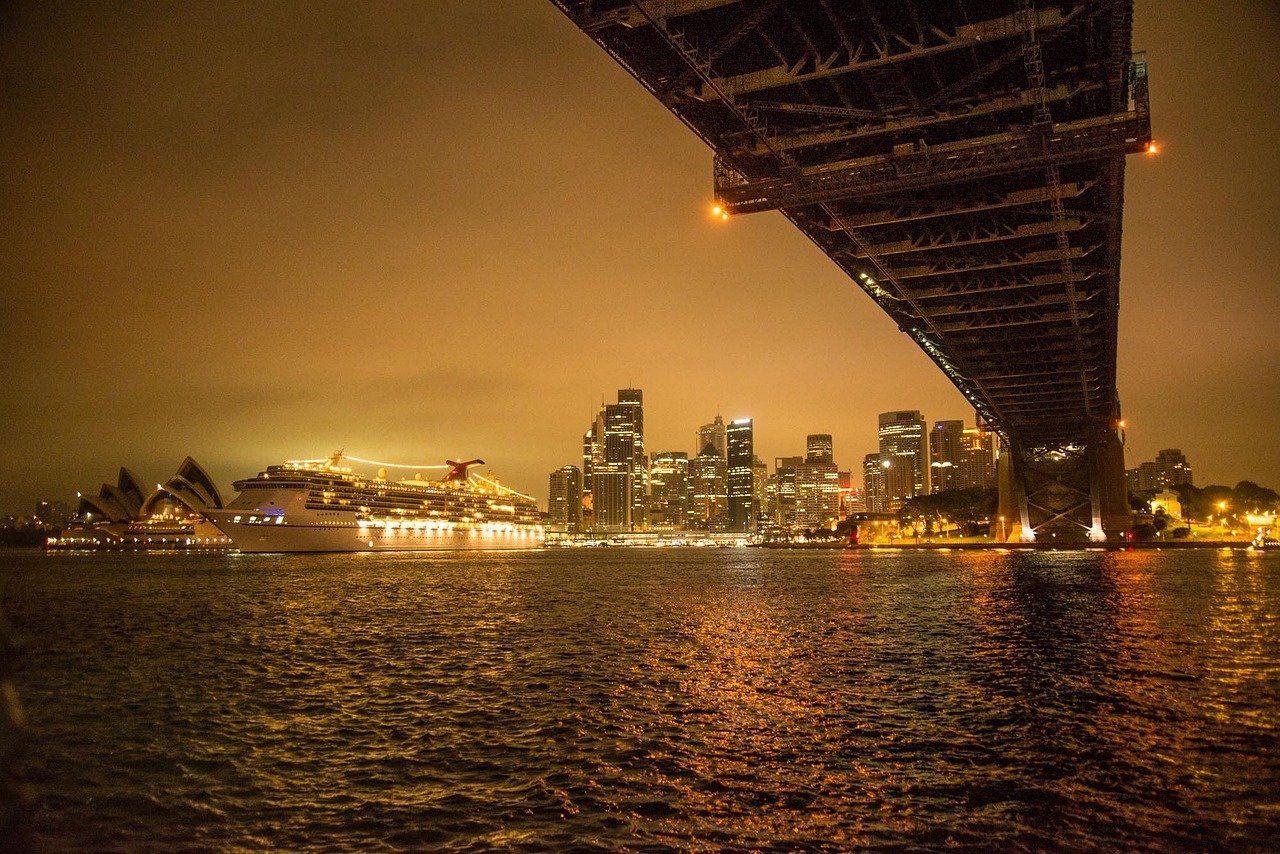
Sydney Harbour Bridge achieves its most internationally prominent role each New Year’s Eve, when the city mounts what is widely considered the world’s finest fireworks display. Pyrotechnic effects attached to the bridge itself, coordinated with displays launched from barges across the harbour, create a spectacle that reaches an annual television audience of over one billion people. The bridge becomes a glowing, smoking, sparkling centrepiece as rockets and waterfalls of colour cascade from every surface. Sydney’s midnight fireworks have been broadcast live since 1994 and have become the global marker of the new year’s arrival — a role that gives the bridge a cultural significance far beyond Australian shores.
Securing a viewing spot for New Year’s Eve requires planning months in advance. Public parks around the harbour — Kirribilli, McMahons Point, Milsons Point on the north shore; the Royal Botanic Garden and Observatory Hill on the south — require ticketed entry and sell out early. Some premium harbour-view restaurants and hotel packages offer reserved positions. The family fireworks at 9pm (with a second display at midnight) can be viewed from the same locations, and the 9pm display is considered an excellent experience in its own right with far less crowding than the midnight show.
Practical Information
- Tickets: Walking the bridge footpath — free; Pylon Lookout — adults AUD 19, children AUD 9; BridgeClimb — AUD 174 (twilight) to AUD 388 (express); prices vary by time of day and season
- Opening hours: Pedestrian footpath open at all hours; Pylon Lookout daily 10:00 am–5:00 pm; BridgeClimb operates multiple sessions daily from pre-dawn to after dark
- Best time to visit: Dawn BridgeClimb for golden light on the harbour; winter evenings for clear skies and fewer crowds
- Duration: Bridge walk 30 minutes; Pylon Lookout 45 minutes; BridgeClimb 3.5 hours including briefing
- Booking: BridgeClimb must be booked in advance via bridgeclimb.com; demand is high on weekends and in summer
Local Insights
What locals know that guidebooks don’t always tell you:
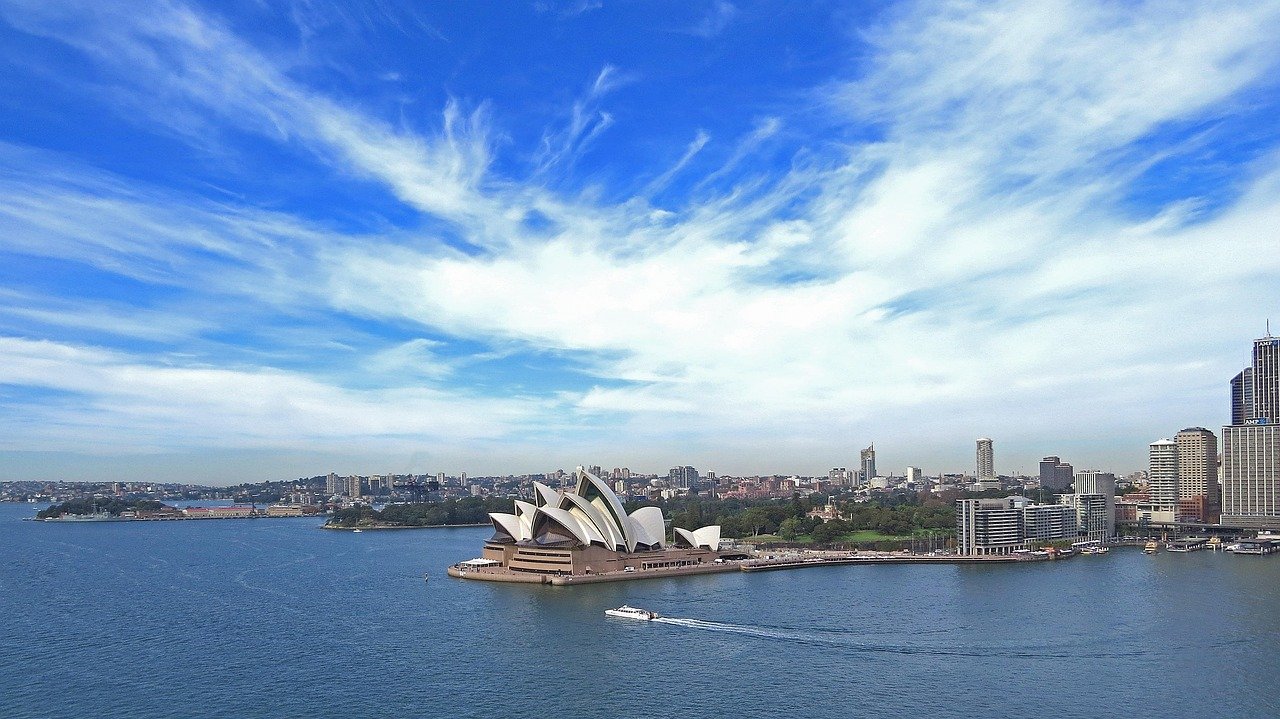
- The best free photograph of the bridge and Opera House together is taken from Mrs Macquarie’s Chair in the Royal Botanic Garden — arrive before 8am to get the shot without hundreds of other tourists in frame.
- If the BridgeClimb budget is prohibitive, the walk across the bridge on the pedestrian footpath (accessed from Cumberland Street in The Rocks or Alfred Street in Milsons Point) gives a genuinely impressive view and is completely free.
- The Milsons Point side of the bridge (north shore) has a free public pool directly beneath the arch and a pleasant foreshore park — an excellent spot to photograph the bridge from below with the Opera House in the background.
- BridgeClimb’s “Climb Insider” tickets booked more than 48 hours in advance are typically around 15% cheaper than same-day gate prices — always book ahead if your dates are flexible.
- The Bradfield Highway that runs over the bridge carries eight lanes of traffic and the bridge’s own train tracks — it is still the busiest single road crossing in Australia, carrying approximately 160,000 vehicles daily.
Getting There
- Train: City Circle services to Circular Quay or The Rocks (Wynyard); North Sydney station (Milsons Point) on the north side
- Ferry: Regular Manly and Parramatta ferries pass under the bridge; a ferry trip gives an excellent water-level view
- On foot: 10 minutes from Circular Quay through The Rocks; bridge pedestrian access from Cumberland Street stairs or Milsons Point stairs
- Taxi/Rideshare: For BridgeClimb, ask for “5 Cumberland Street, The Rocks”; plentiful Uber availability throughout central Sydney
Frequently asked questions
Do you need to book the BridgeClimb in advance?
Yes, advance booking is strongly recommended. Popular times — weekends, public holidays, dawn and twilight sessions — sell out weeks or months ahead. Walk-in bookings are sometimes available for mid-week daytime sessions, but booking online ensures you get your preferred time.
Is the BridgeClimb safe for people with a fear of heights?
BridgeClimb reports that a significant proportion of their climbers are nervous about heights and complete the climb successfully. The continuous safety rail system means you are always attached to the bridge. The gradual ascent allows time to acclimatise. However, the summit is genuinely high and exposed, and people with severe acrophobia may find it overwhelming. The company offers a full briefing and will assess fitness before departure.
Can children do the BridgeClimb?
Children aged 8 and over can participate in the BridgeClimb. Under-8s are not permitted. Children pay a reduced rate and must be with a participating adult.
Is the bridge walk accessible for people with limited mobility?
The pedestrian footpath across the bridge has no lift access — entry is via stairs at both ends. The Pylon Lookout similarly requires stair climbing. The BridgeClimb pathway is not accessible for wheelchairs. The bridge can be viewed from the waterfront at Circular Quay and from Observatory Hill (where there is lift access in nearby buildings) without any climbing.
What year was the Sydney Harbour Bridge built?
Construction began in 1924 and the bridge was opened on 19 March 1932. The arch took six years to construct from each shore simultaneously, and the project employed approximately 1,400 workers at its peak during the Great Depression.