
Statue of Liberty
Standing 93 metres from ground to torch tip on a small island in New York Harbor, the Statue of Liberty is less a monument than a covenant — a copper-clad promise made between nations and then claimed by millions of immigrants who sailed past her as the gateway to a new life. Up close, Lady Liberty is startling in her scale and detail: the verdigris folds of her robe, the broken chains at her feet, the seven rays of her crown each representing a continent or ocean. No photograph fully prepares you for the moment she comes into view across the water.
History and Symbolism
The statue was conceived by French political thinker Édouard de Laboulaye as a gift from France to the United States celebrating their shared democratic values — and, implicitly, a gentle rebuke to the authoritarian regimes of Europe. Sculptor Frédéric Auguste Bartholdi designed the figure, modelling Lady Liberty’s face reputedly after his own mother, while Gustave Eiffel — a decade before his eponymous tower — engineered the revolutionary internal iron armature that allows the copper skin to flex with temperature and wind without cracking.
Construction proceeded simultaneously in France and America through the 1870s and early 1880s, with Bartholdi’s workshop in Paris fabricating the copper sheets and New York erecting the granite pedestal. Funding proved contentious on both sides of the Atlantic: Joseph Pulitzer famously used his newspaper to shame wealthy New Yorkers into contributing, eventually raising the pedestal funds through small public donations. The statue was dedicated on 28 October 1886 in a ceremony attended by President Grover Cleveland, though suffragettes protested offshore — Lady Liberty’s gender made the exclusion of women from the ceremony particularly pointed.
For the millions of immigrants who arrived through Ellis Island between the 1890s and 1950s, the statue was the first American landmark they saw from the ship deck. That association — liberty as welcome, as possibility — transformed a diplomatic gift into a global icon of human rights and migration. Today she is managed by the National Park Service as part of the Statue of Liberty National Monument, which also encompasses Ellis Island.
What to See
Grounds and Pedestal

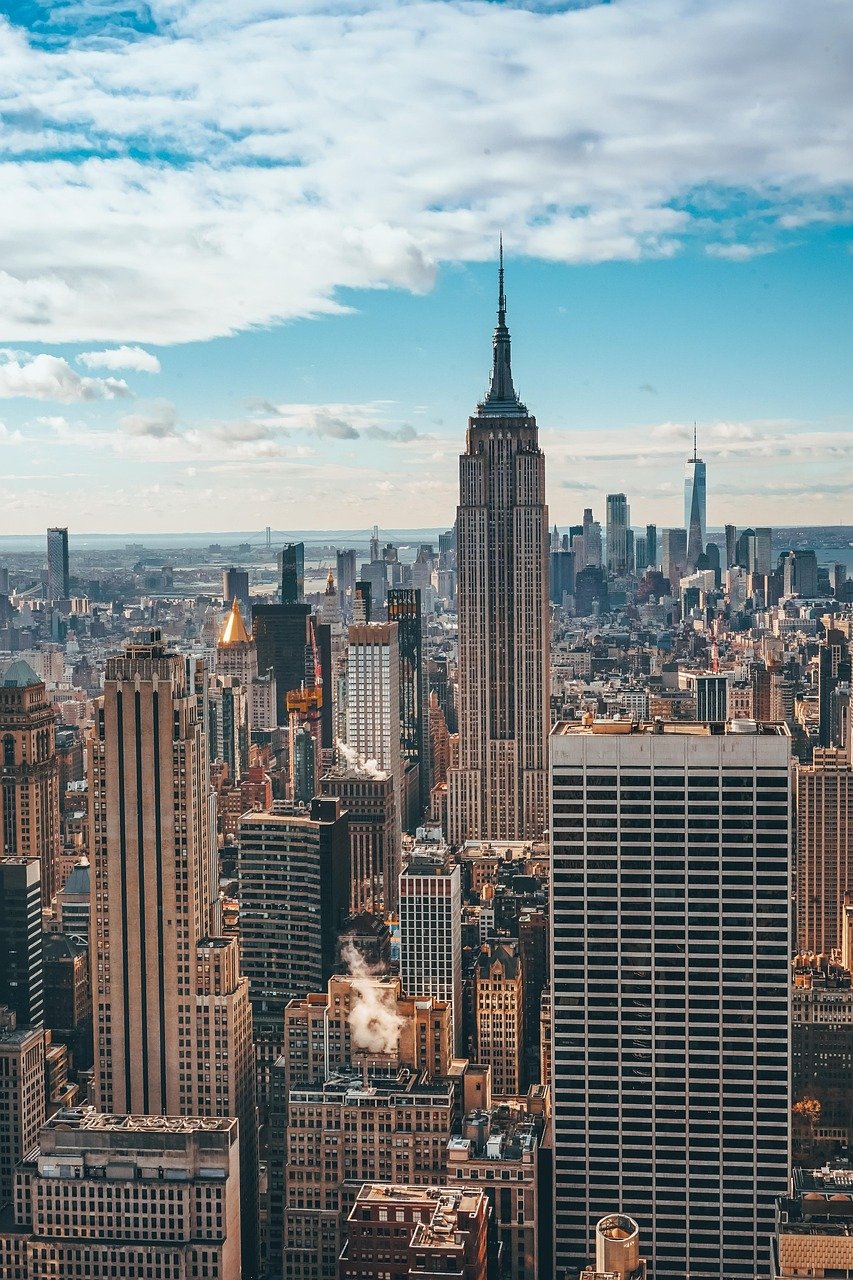
Even visitors without crown reservations — the majority on any given day — find the Liberty Island grounds richly rewarding. The statue looms magnificently above you at close range in ways that distant photographs cannot convey. Walk the full perimeter of the island to find the best photographic angles, including the south side where the Manhattan skyline appears as a backdrop beyond the harbour. The pedestal itself is accessible with a standard monument ticket; its upper observation deck at roughly 47 metres provides a spectacular close-up view of the statue’s robes and a wide panorama of the harbour and both shorelines. A small museum inside the pedestal tells the story of the statue’s construction through original tools, copper samples, and Bartholdi’s early scale models.
Crown

Climbing to the crown is the most coveted experience at Liberty Island, and with good reason. The journey involves 354 steps through the narrow interior of the statue — warm in summer, loud with the creaking of Eiffel’s ironwork in the wind — until you emerge at one of 25 small windows set into the crown’s seven rays. The view through those porthole-sized openings frames the harbour and the Manhattan skyline in a way no other vantage point on earth can replicate. Crown reservations are limited to roughly 240 visitors per day and sell out months in advance; book the moment reservations open (typically 3–4 months ahead) on recreation.gov.
Statue of Liberty Museum
Opened in 2019, the Statue of Liberty Museum is a 2,600-square-metre facility that houses the most comprehensive collection of Liberty-related artefacts ever assembled. The centrepiece is the original torch and flame — the actual copper torch that Lady Liberty held aloft from 1886 until 1984 — suspended dramatically in the open atrium. Immersive galleries use film, interactive displays, and primary documents to explore the statue’s construction, its symbolism, and its evolving meaning across American history. The museum is included in the general ferry ticket and requires no separate reservation; it’s an excellent option when crown access isn’t available.
Getting to Liberty Island
Liberty Island is accessible only by the official Statue of Liberty ferry operated by Statue Cruises. Ferries depart from Battery Park in Lower Manhattan and from Liberty State Park in Jersey City, New Jersey. The round-trip ferry ticket includes access to both Liberty Island and Ellis Island; plan your itinerary accordingly since many visitors underestimate how long Ellis Island alone can take.
Local Insights
Advice from regular visitors and National Park Service rangers who know Liberty Island intimately:
- Book the earliest ferry (typically 9:00 or 9:30 departure from Battery Park) — the island is noticeably less crowded before 11:00 and you get the best light for photos.
- Crown tickets require months of advance planning — set a calendar reminder for exactly 3 months before your intended date and book the morning reservations open.
- Ellis Island often takes longer than expected — budget at least 1.5–2 hours there if your family has American immigration heritage to trace.
- Free views from the Staten Island Ferry are a genuine secret: the free public ferry passes close by the statue twice an hour, which satisfies many visitors who don’t need to step ashore.
- Bring water and sunscreen — Liberty Island has almost no shade, and summer queues for the pedestal can be long in full sun.
Planning Your Visit
Everything you need before you go:
- Getting there: Statue Cruises ferries depart Battery Park, Manhattan (nearest subway: 4/5 to Bowling Green or 1 to South Ferry) and Liberty State Park, New Jersey. No private boats permitted.
- Tickets: Ferry + grounds + museum: adults ~$24, children (4–12) ~$14. Pedestal access adds ~$3. Crown access: additional ~$3 plus highly limited reservations required months ahead. Book at statuecruises.com.
- Hours: Ferry service approximately 9:00–17:00 daily (last ferry return around 17:30); hours vary seasonally. Island closes at dusk. Check the NPS website for current schedules.
- Time needed: Liberty Island alone: 1.5–2 hours. With Ellis Island: 3.5–5 hours. Allow a full day if you plan both.
Frequently asked questions
How do you get to the Statue of Liberty?
The only way to reach Liberty Island is by the official Statue Cruises ferry, which departs from Battery Park in Lower Manhattan and Liberty State Park in New Jersey. The round-trip ferry ticket covers both Liberty Island and Ellis Island. Ferries run approximately every 20–30 minutes during operating hours; booking tickets in advance online is strongly recommended, especially in summer and on weekends.
Do you need tickets to visit the Statue of Liberty?
Yes — the ferry to Liberty Island requires a paid ticket, which also covers Ellis Island and the Statue of Liberty Museum. Grounds access and museum entry are included in the standard ticket. Pedestal access requires a slightly higher-tier ticket. Crown access requires a separate, very limited reservation that must be booked months ahead on recreation.gov. There is no way to reach the island without the official ferry ticket.
Can you visit the crown of the Statue of Liberty?
Yes, but crown access is strictly limited to around 240 visitors per day and reservations typically sell out three to four months in advance. The climb involves 354 narrow steps with no elevator option, and bags must be stored in lockers at the base. Despite the effort, most visitors consider the crown experience — peering through the seven porthole windows at the harbour and Manhattan — to be unforgettable.
How long does a visit take?
Plan at least 1.5 to 2 hours on Liberty Island if you include the museum and a walk around the island grounds. If you add Ellis Island — which most visitors do, as the same ferry ticket covers both — budget a further 1.5 to 2.5 hours. A comfortable visit to both islands, including transit time, typically takes 4 to 5 hours total; many visitors make it a full-day excursion from Manhattan.