
Sanyi Wood Sculpture Museum
In a small township in Taiwan’s Miaoli County, surrounded by camphor forests and the rolling hills of the Sanyi woodcarving district, stands a museum that is itself a work of carved attention. The Sanyi Wood Sculpture Museum is dedicated to an art form that shaped this community for generations — the meticulous transformation of camphor, teak, and sandalwood into figures, vessels, and abstract forms of breathtaking refinement. Walking through its galleries, you feel the grain of the wood in every choice the artists made, the way the medium and the maker negotiated each cut.
History of the Sanyi Wood Sculpture Museum
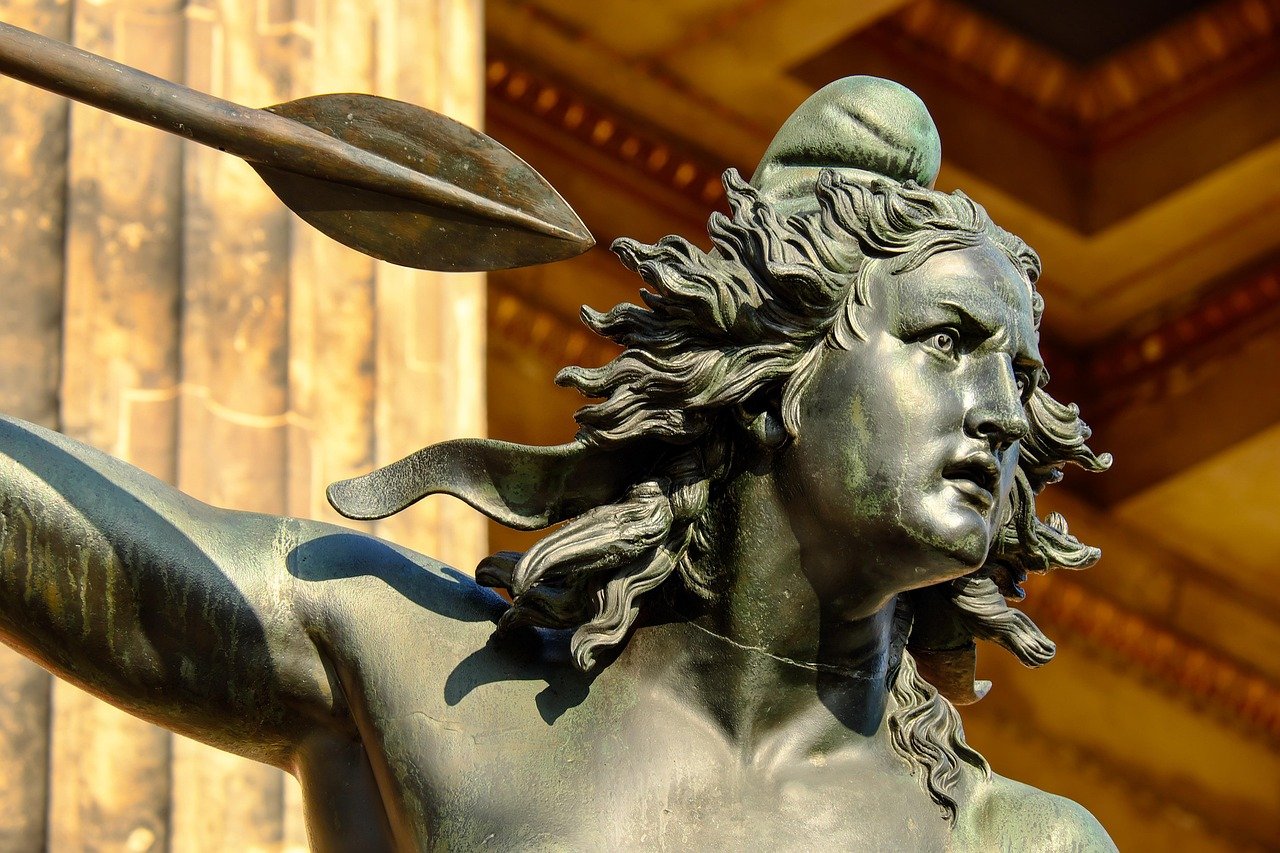
Sanyi Township has been the center of Taiwan’s wood carving industry since the early 20th century, when camphor logging brought skilled woodworkers to this mountainous area of Miaoli County. As the logging industry declined and camphor became protected, local craftsmen redirected their skills toward decorative and artistic sculpture, establishing workshops and studios that gradually built Sanyi’s reputation as the wood carving capital of Taiwan. By the late 20th century, Sanyi’s main street (Zhongzheng Road) had become a continuous gallery of sculpture shops, attracting collectors and tourists from across Asia.
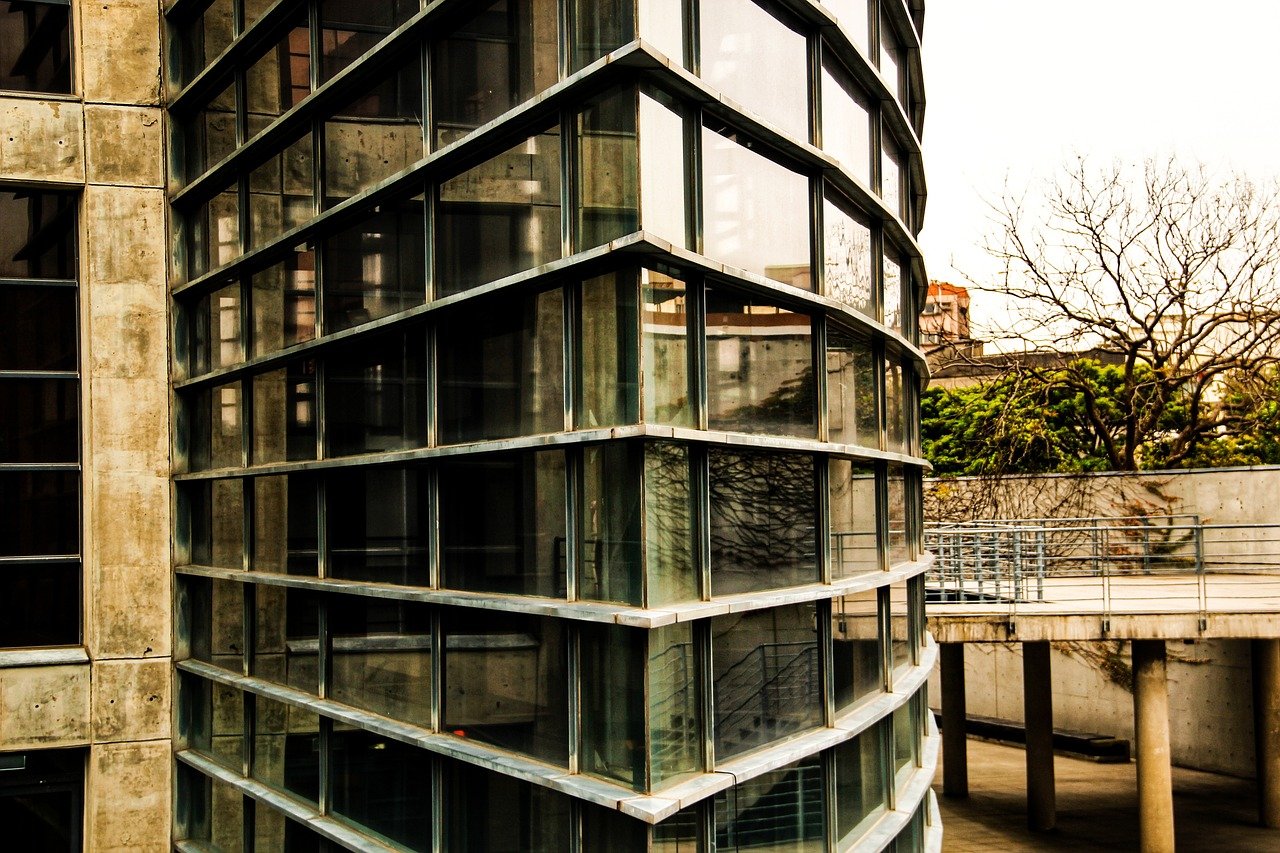
The Sanyi Wood Sculpture Museum opened in 1995, housed in a building designed by Taiwanese architect C.Y. Lee — the same architect who later designed Taipei 101. The museum was conceived not simply as a display space but as a cultural institution dedicated to preserving and elevating wood sculpture as a fine art form. It holds more than 1,700 works spanning traditional religious iconography, abstract modern sculpture, and contemporary conceptual pieces, representing over a century of Taiwanese woodcarving tradition alongside international works.
What to See
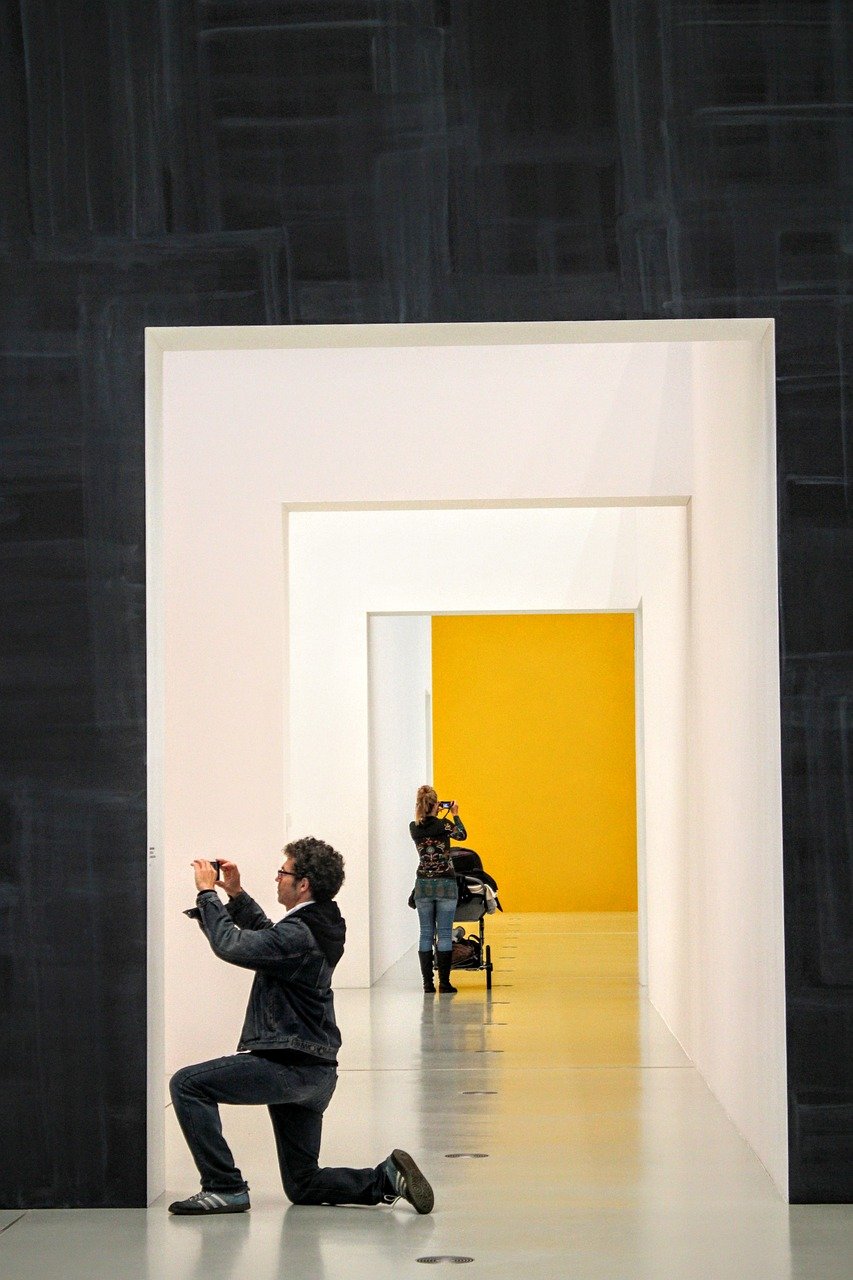
The museum’s permanent collection is organized across multiple floors, beginning with historical context: traditional Taiwanese religious sculpture, including temple guardians, Buddha figures, and deity images carved with the elaborate detail demanded by devotional use. These pieces often required years of work and used multiple types of wood selected for specific grain qualities and symbolic associations. The progression through the galleries shows how Sanyi’s craftsmen gradually moved from pure religious commission toward artistic experimentation, responding to market forces and changing aesthetic tastes.
The contemporary galleries on the upper floors are where the collection becomes most surprising. Abstract and conceptual pieces by Sanyi artists — some trained in fine art academies, others self-taught within family workshops — engage with questions of material, time, and form that would feel at home in any major modern art museum. The museum also hosts temporary exhibitions featuring both Taiwanese and international wood artists, and the building’s exterior grounds contain large-scale sculpture installations that provide a free outdoor experience even for visitors who do not enter the galleries.
The Sanyi Carving Tradition
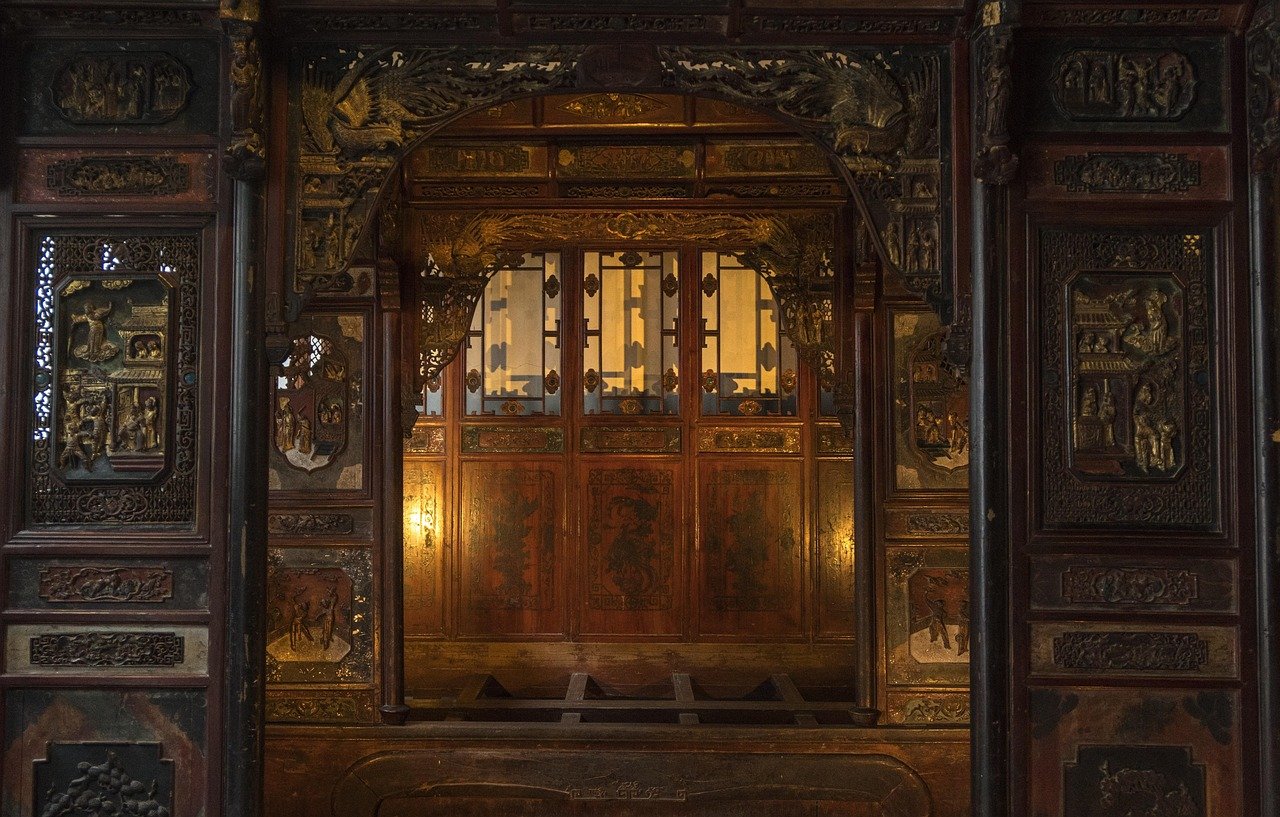
What distinguishes Sanyi’s carving tradition from wood sculpture elsewhere in Taiwan is its close relationship with specific local materials. Camphor wood — aromatic, insect-resistant, and with a distinctive swirling grain — was the primary medium for generations and gives many older pieces their characteristic smell and warm reddish-brown color. The shift away from camphor as forests became protected forced Sanyi artists to work with imported teakwood, rosewood, and sandalwood, changing the aesthetic character of the work while also expanding its technical range.
The carving workshops on Zhongzheng Road, just minutes from the museum, remain working studios where visitors can watch craftsmen at work — some pieces take years to complete. The integration of natural wood form with carved design is a hallmark of Sanyi style: rather than imposing a predetermined shape on the material, experienced carvers read the grain, the knots, and the natural curves of each piece and find the sculpture already present within it. This philosophy of collaborative creation between artist and material gives Sanyi sculpture its distinctive organic quality.
Practical Information
- Tickets: Adults NTD 150 (approx. USD 5); reduced rates for students, seniors, and groups. Children under 6 free.
- Opening hours: Tuesday to Sunday, 09:00-17:00. Closed Mondays and national holidays.
- Best time to visit: October-April when weather is cooler and clearer. Avoid national holiday weekends when the area becomes crowded.
- Duration: 1.5-2 hours for the museum; add another hour for the Zhongzheng Road carving workshops nearby.
- Booking: No advance booking required. Combined museum and Sanyi township visits work well as a day trip from Taichung or Hsinchu.
Local Insights
What locals know that guidebooks do not always tell you:
- The museum gift shop sells small original works by Sanyi artists at prices far below gallery rates — an excellent place to acquire genuine hand-carved pieces without negotiating with individual workshops.
- Zhongzheng Road’s workshops vary enormously in quality; look for studios where you can see craftsmen actively working rather than just displaying finished product for sale.
- The Shengxing Old Train Station, about 10 minutes drive from the museum, is a beautifully preserved Japanese colonial-era wooden railway station — a perfect complement to a Sanyi wood theme day.
- Many workshops offer short carving demonstrations or beginner lessons for walk-in visitors — ask at the tourist information center near the museum for current options.
- Sanyi is also known for its hakka cuisine — hearty, subtly spiced dishes that differ significantly from the Taiwanese food found in major cities. Try lei cha (ground tea with rice) at local restaurants.
Getting There
- Train: Take the Taiwan Railways Administration (TRA) train to Sanyi Station; the museum is about 2 km from the station (taxi or bike available).
- High-Speed Rail: Take the HSR to Miaoli Station, then transfer to a local TRA train or taxi to Sanyi.
- By car/scooter: Follow National Highway 1 north from Taichung, exit at Sanyi and follow signs to the museum. Parking available on-site.
- Bus: Miaoli County Bus routes connect Sanyi to the broader regional network but services are infrequent; a taxi from Sanyi Station is more practical.
Frequently asked questions
Can I buy wood carvings at the museum?
Yes — the museum gift shop sells a curated selection of original artworks and quality reproductions. For a wider range, the workshops on Zhongzheng Road nearby offer everything from mass-produced tourist pieces to original fine art sculpture.
Is the Sanyi Wood Sculpture Museum suitable for children?
Yes — the museum has interactive elements and the tactile nature of the wooden sculptures engages young visitors well. The outdoor sculpture garden provides free space for children to explore without worrying about gallery rules.
Are English-language guides available?
The museum has English labels on most major works and some English-language pamphlets. Audio guides and English-speaking guides may be available on request — call ahead to confirm current availability.
How far is Sanyi from Taipei?
About 150 km south of Taipei, approximately 2 hours by Taiwan High-Speed Rail to Miaoli then a short connecting trip, or 2.5-3 hours by conventional train to Sanyi Station directly.
What else is in the Sanyi area?
The old Longteng Bridge ruins (a historic damaged stone bridge that has become a striking landmark), the Shengxing Old Train Station, and several camphor forest trails make Sanyi a full day destination beyond just the museum and carving workshops.