
San Telmo
Wander down Defensa, San Telmo’s main cobblestoned artery on a Sunday morning, and the neighbourhood comes alive around you. Street performers play tango while couples dance between the market stalls; antique dealers spread their wares across folding tables; the smell of grilled empanadas drifts from the corner cafe. Buenos Aires’s oldest barrio wears its age like a badge of honour, and every crumbling colonial facade tells a story of yellow fever, immigration waves, and artistic revival.
History of San Telmo
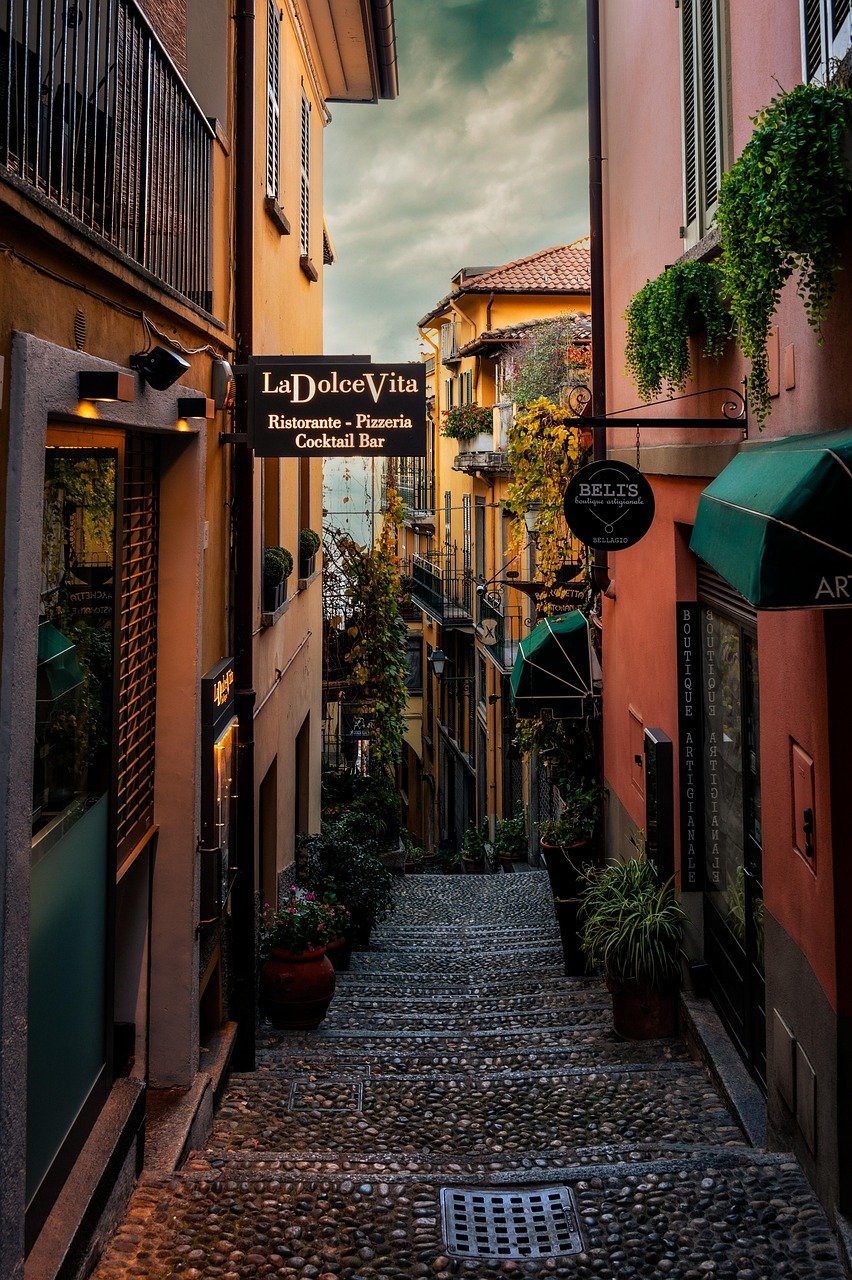
San Telmo was Buenos Aires’s first elite neighbourhood, settled by Spanish colonists and lined with grand mansions throughout the 18th century. That all changed in 1871 when a devastating yellow fever epidemic swept through the city. The wealthy fled north to Palermo and Recoleta, abandoning their opulent townhouses. Into the vacuum poured European immigrants who subdivided the mansions into cramped tenement housing called conventillos. The neighbourhood became a working-class immigrant enclave that gave birth to some of Argentina’s most enduring cultural traditions, including tango itself.
By the 1960s and 70s, artists and bohemians were drawn to San Telmo’s cheap rents and atmospheric decay. Antique dealers moved in along Defensa Street, and the Sunday market began drawing tourists alongside locals. Today San Telmo walks a careful line between authentic neighbourhood life and tourist destination, with tango milongas operating beside trendy restaurants.
What to See
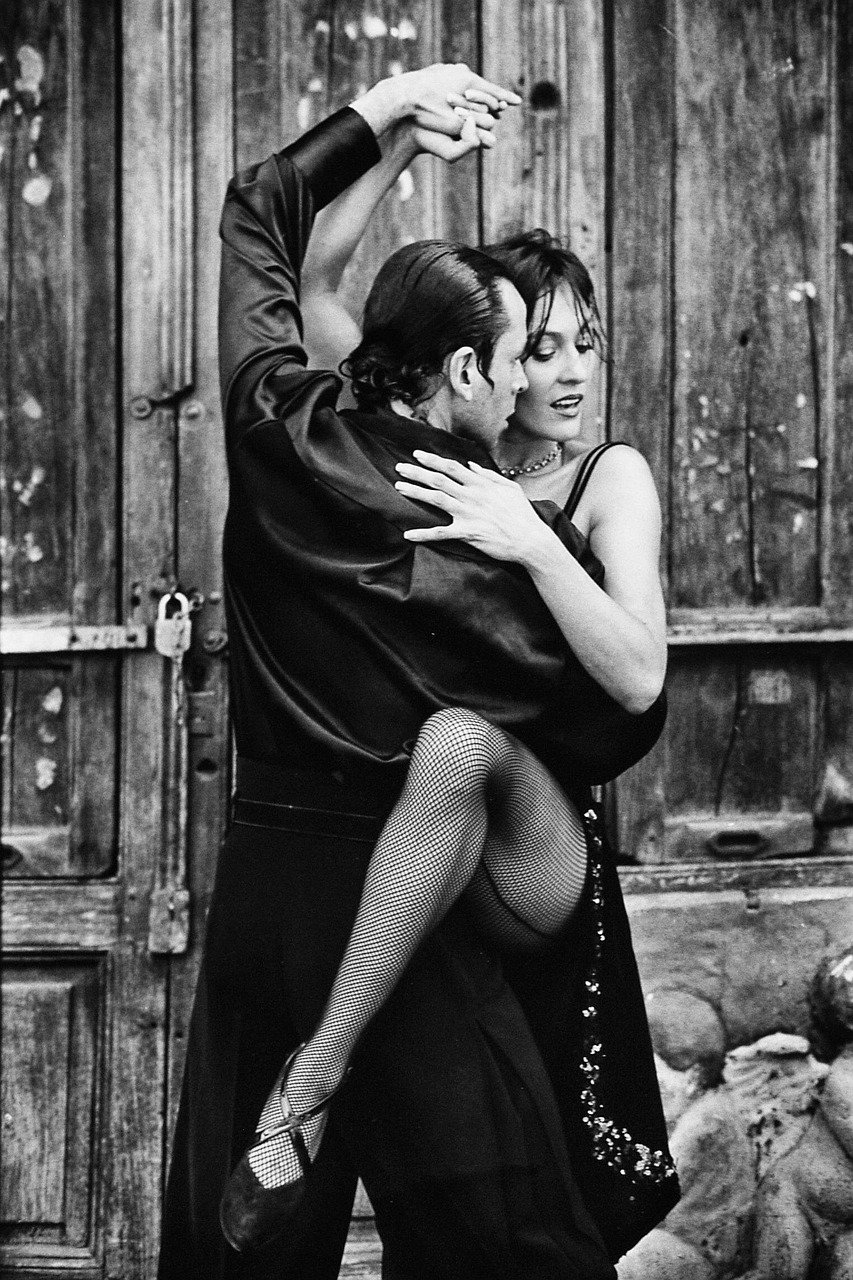
The Feria de San Telmo (Sunday market) runs the length of Defensa Street every Sunday from around 10am. Hundreds of stalls sell antiques, leather goods, silver mate sets, vintage clothing, and artwork. Live tango performances break out spontaneously between the stalls, and the atmosphere builds to a chaotic, joyful peak around midday. Plaza Dorrego at the southern end serves as a natural gathering point, ringed by outdoor cafes and often host to impromptu milonga sessions.
El Zanjon on Defensa 755 is one of Buenos Aires’s hidden gems: a massive excavated colonial-era tunnel system beneath an 1830s mansion, revealing layers of the city’s history down to the 17th century. The Mercado de San Telmo, an 1897 iron-and-glass indoor market, is perfect for coffee and people-watching on weekdays when locals shop alongside tourists.
Tango in San Telmo
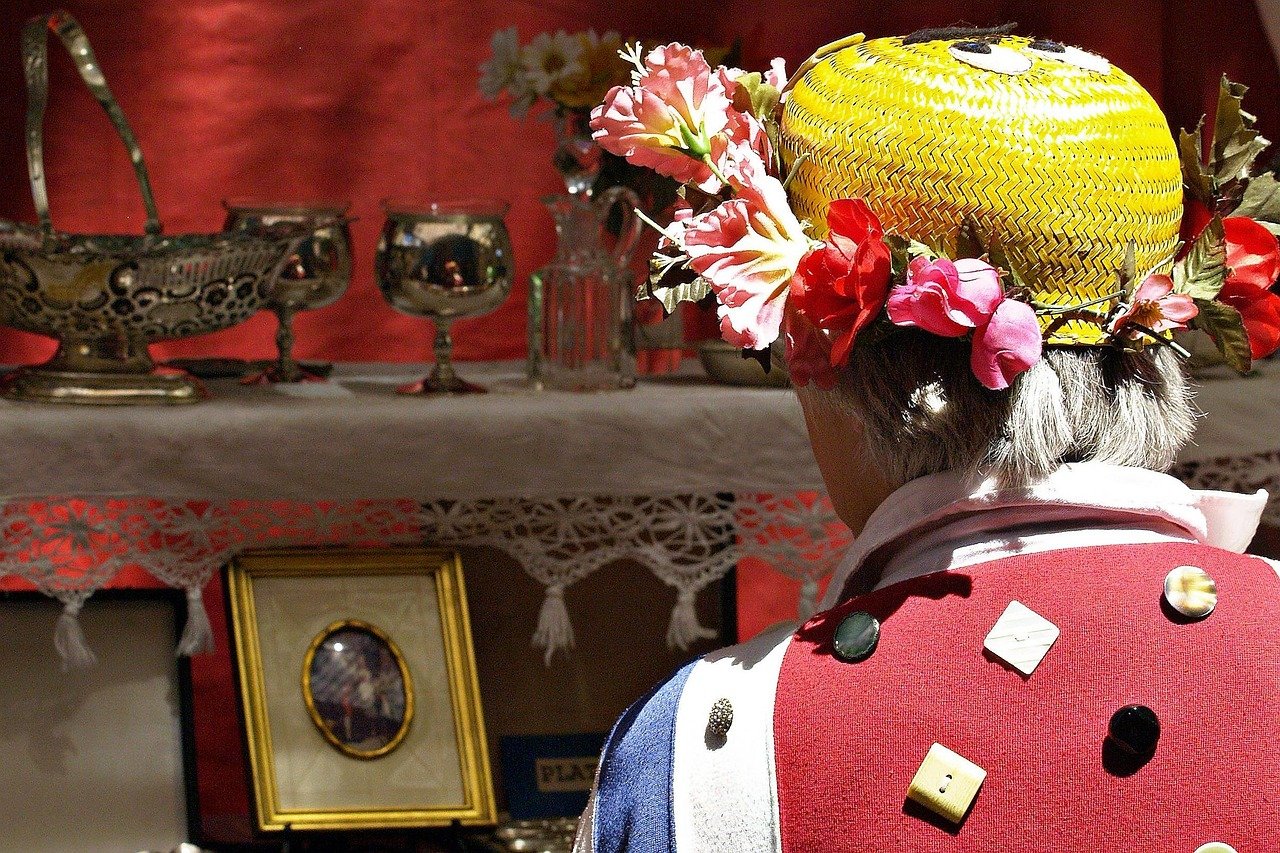
San Telmo is one of the birthplaces of tango, and the neighbourhood remains deeply connected to the dance. Polished dinner-show performances for tourists operate at venues like Piazzolla Tango, but more interesting tango happens organically: street dancers performing for tips along Defensa, milongas in neighbourhood cafes on weekend evenings, and authentic community gatherings at places like El Viejo Almacen. Tango here grew from the immigrant communities who lived in these very streets, and that history remains palpable on every corner.
Buenos Aires has a thriving milonga scene for those who want to dance rather than watch. Several studios in San Telmo offer beginner tango classes during the day, and many traditional milongas have beginner-friendly evenings. Look for chalked signs outside cafes and club doorways advertising that evening’s session.
Practical Information
- Entry: Free to walk around; Sunday market is free to browse
- Sunday market hours: Approximately 10:00-18:00 every Sunday along Defensa Street
- Best time to visit: Sunday morning for the market; Thursday-Saturday evenings for tango shows
- Duration: 2-4 hours for a Sunday market visit; longer with dining and evening entertainment
- Tango shows: From USD 50-100 with dinner at Piazzolla Tango, El Viejo Almacen, and Tango Porteno
Local Insights
What locals know that guidebooks don’t always tell you:
- Arrive at the Sunday market before 11am – by midday the crowds are enormous and the best antique pieces are already gone.
- The Mercado de San Telmo is open daily and far more atmospheric on a weekday morning when locals shop among the antique stalls.
- Watch for pickpockets at the Sunday market during peak hours; keep your bag in front and be cautious around performers.
- The best empanadas come from small family-run shops on side streets rather than tourist-facing restaurants on Defensa.
- Many of the most interesting tango milongas are in neighbourhood social clubs rather than tourist venues – ask your accommodation for the week’s schedule.
Getting There
- Subte (Metro): Line C to San Juan station, or Line A to Independencia station
- Bus: Multiple lines run along Avenida Independencia and Avenida Brasil
- On foot: About 20 minutes walk south from Plaza de Mayo
- Taxi/Rideshare: Uber and Cabify operate in Buenos Aires; drop off on Defensa Street
Frequently asked questions
Is San Telmo safe for tourists?
San Telmo is generally safe during the day and on Sunday market days. Be alert to pickpockets in crowds. At night, stick to the main streets around Plaza Dorrego and along Defensa.
What is the difference between visiting on Sunday versus other days?
The Sunday market transforms Defensa Street into a kilometre-long open-air bazaar. On other days the neighbourhood is quieter, the indoor Mercado is still open, and restaurants operate normally – a more authentic, less crowded experience.
Are there free tango shows in San Telmo?
Yes – on Sunday mornings along Defensa Street and at Plaza Dorrego, street tango dancers perform for tips. These are often more authentic than paid dinner shows, and some cafes host free milongas on certain evenings.
What should I buy at the market?
Genuine antiques, leather goods, Argentine silver work, vintage mate sets, and old LP records are reliable purchases. Compare prices between stalls before buying anything.
What are the best restaurants in San Telmo?
La Brigada is the legendary parrilla choice (reservations essential). El Federal on Carlos Calvo is an atmospheric century-old corner bar beloved by locals. Mercado de San Telmo has excellent coffee and casual bites inside during the week.