
Royal Monastery of St. Mary of Pedralbes (Monestir de Pedralbes)
The cloister of Pedralbes is one of the great secrets of Barcelona — a three-storey Gothic arcade of extraordinary elegance opening onto a garden courtyard where orange trees grow and the sound of the city fades to a distant murmur. Founded in 1326 by Queen Elisenda de Montcada for the Order of Poor Clares, the Reial Monestir de Santa Maria de Pedralbes has barely changed in its essential form in 700 years. Its slender columns, pointed arches, and the soft light filtering through centuries-old stonework create an atmosphere of quiet contemplation that stands in absolute contrast to the noise and energy of the Catalan capital outside its walls.
History of Pedralbes Monastery
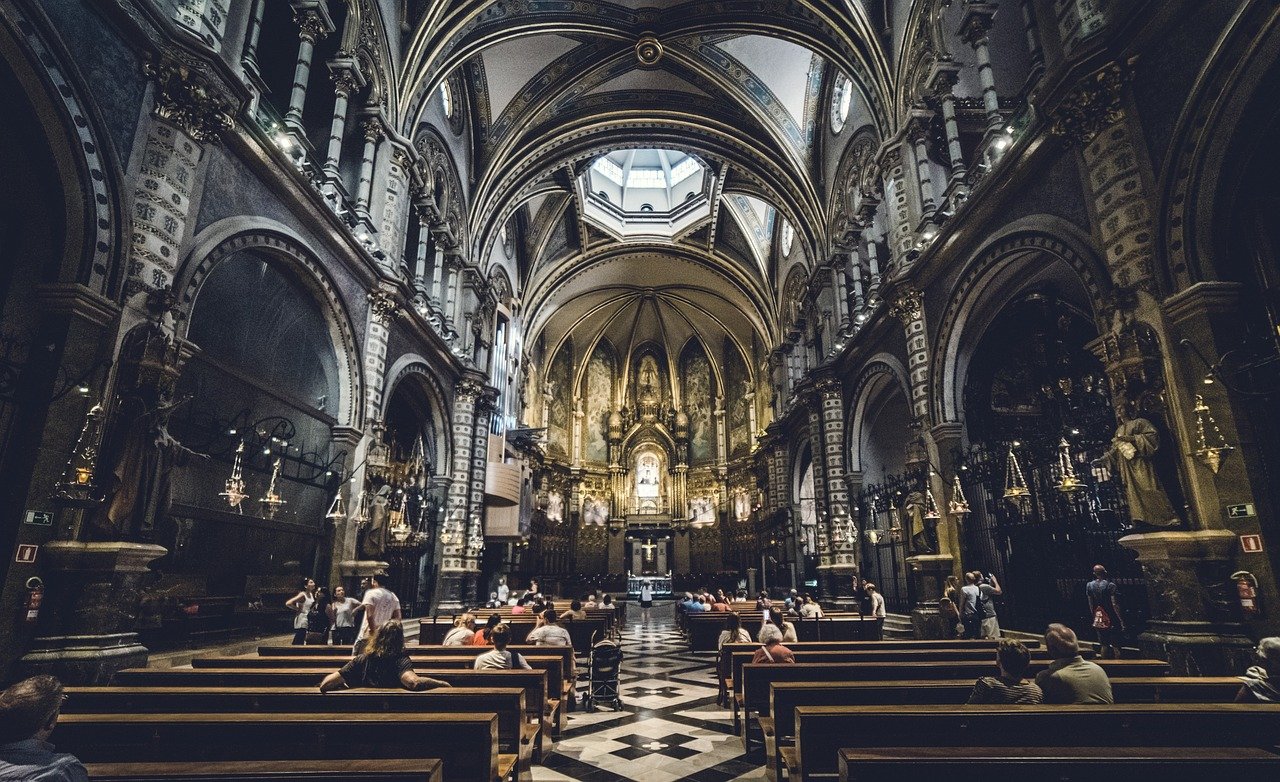
The monastery was founded at the command of Queen Elisenda de Montcada, wife of King Jaume II of Aragon. Elisenda chose the hill of Pedralbes — then well outside the medieval city — for its elevated position and relative seclusion, and had the complex built rapidly using the most skilled craftsmen available in the Crown of Aragon. Construction of the main cloister, church, and residential cells began in 1326 and the monastery was sufficiently complete for the Poor Clares to take up residence that same year — an extraordinarily rapid pace for a major Gothic complex.
Elisenda herself retired to the monastery after the death of Jaume II in 1327 and lived there until her own death in 1364, occupying a suite of rooms overlooking the cloister. She is buried in the monastery church in a magnificent Gothic sarcophagus — in a royal tomb that depicts her simultaneously as queen on the church-facing side and as a nun on the cloister-facing side, the two identities of her dual life. The monastery remained an active convent of the Poor Clares for nearly 700 years, with the nuns occupying a private section of the complex that remains closed to the public to this day.
The monastery museum opened in 1983, following an agreement between the city and the remaining community of nuns to open the historical buildings to visitors while the religious community continued to live in the newer section of the complex. The arrangement makes Pedralbes unique — it is simultaneously a functioning convent and one of Barcelona's finest medieval monuments.
What to See
The three-storey cloister is the centrepiece — 46 metres on each side, with 26 arches per level creating a total of 78 Gothic arcades filled with slender columns and pointed tracery. The well in the centre of the garden courtyard dates to the 14th century, and the orange trees and herbs planted in the quadrant beds approximate the medieval garden layout. Walking the cloister galleries, visitors pass the original dormitory, refectory, and day rooms of the Poor Clares, now containing displays of the monastery's collection of medieval and Renaissance ecclesiastical art.
The Chapel of Sant Miquel contains a magnificent cycle of murals painted in 1346 by Ferrer Bassa — considered the finest example of Italo-Gothic painting in Catalonia. Bassa was influenced by the Sienese painting he had encountered in Italy, and the results — scenes from the Passion and the Life of the Virgin in a rich palette that has retained its intensity over nearly 700 years — are extraordinary. The church itself contains Elisenda's royal tomb and the original altarpiece, and is beautifully lit through the single lancet windows typical of Gothic mendicant architecture.
The Collection
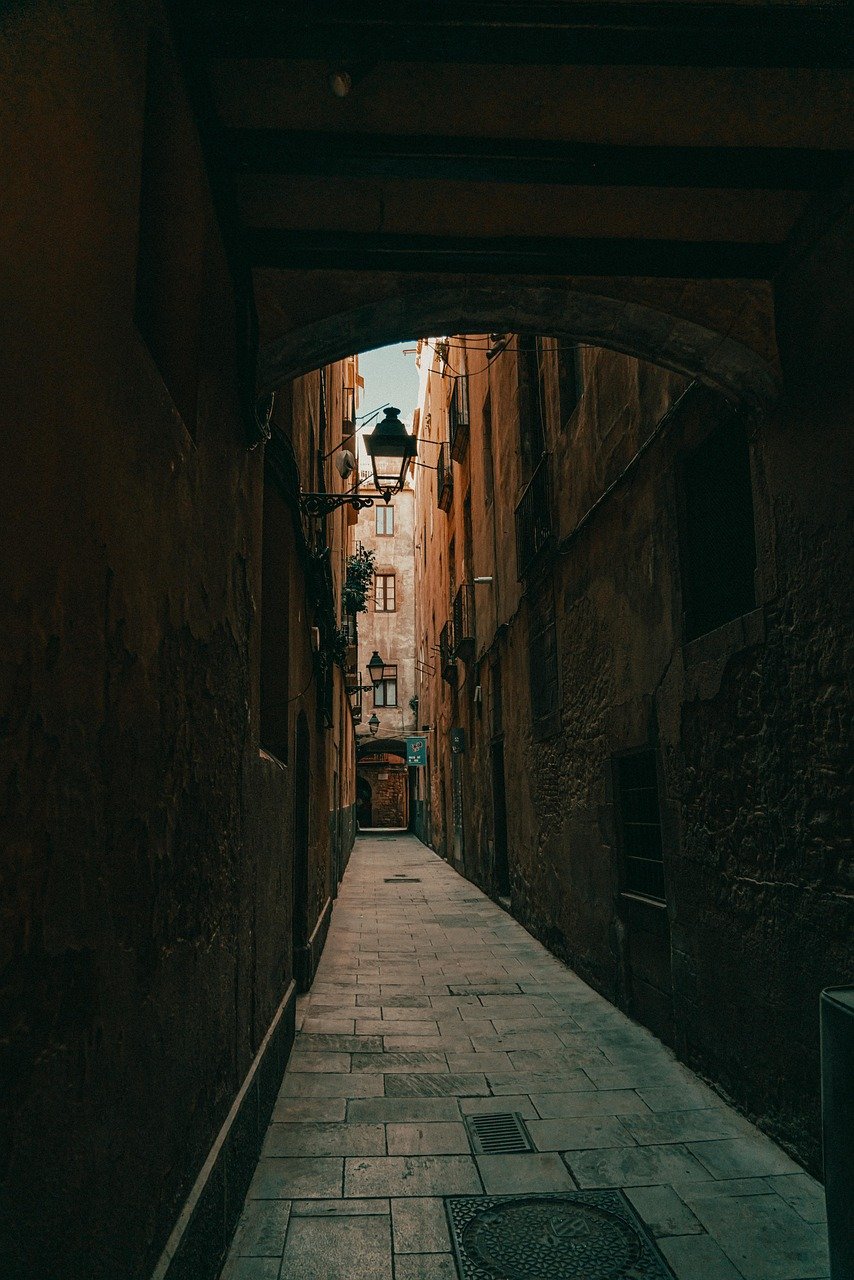
The monastery's collection covers seven centuries of religious art and daily life, from 14th-century liturgical manuscripts and embroidered vestments to 18th-century devotional paintings. The cells of the nuns have been partially recreated to show the austerity and intimacy of convent life across different periods — each nun's cell opened directly onto the cloister gallery and was furnished with only the essentials of prayer, sleep, and basic craft work.
Of particular interest is the pharmacy — a well-preserved 18th-century dispensary with its original ceramic jars and equipment — and the refectory with its vaulted ceiling and the lectern from which a nun would read aloud during meals while her sisters ate in silence. The everyday objects of convent life — cooking utensils, needlework frames, musical instruments used in the liturgy — humanise the community in a way that purely devotional art cannot.
Practical Information
- Tickets: Adults approx. €5–7; reduced rates for seniors and students. Free entry on the first Sunday of the month.
- Opening hours: Tuesday–Saturday 10:00–17:00; Sunday 10:00–20:00 (last Sunday of month free). Check barcelona.cat for current seasonal hours.
- Best time to visit: Weekday mid-mornings for the quietest experience. The monastery is rarely crowded compared to central Barcelona attractions — one of its greatest qualities.
- Duration: 1.5–2.5 hours.
- Guided tours: Available on selected days; check the museum website for the current schedule.
Local Insights
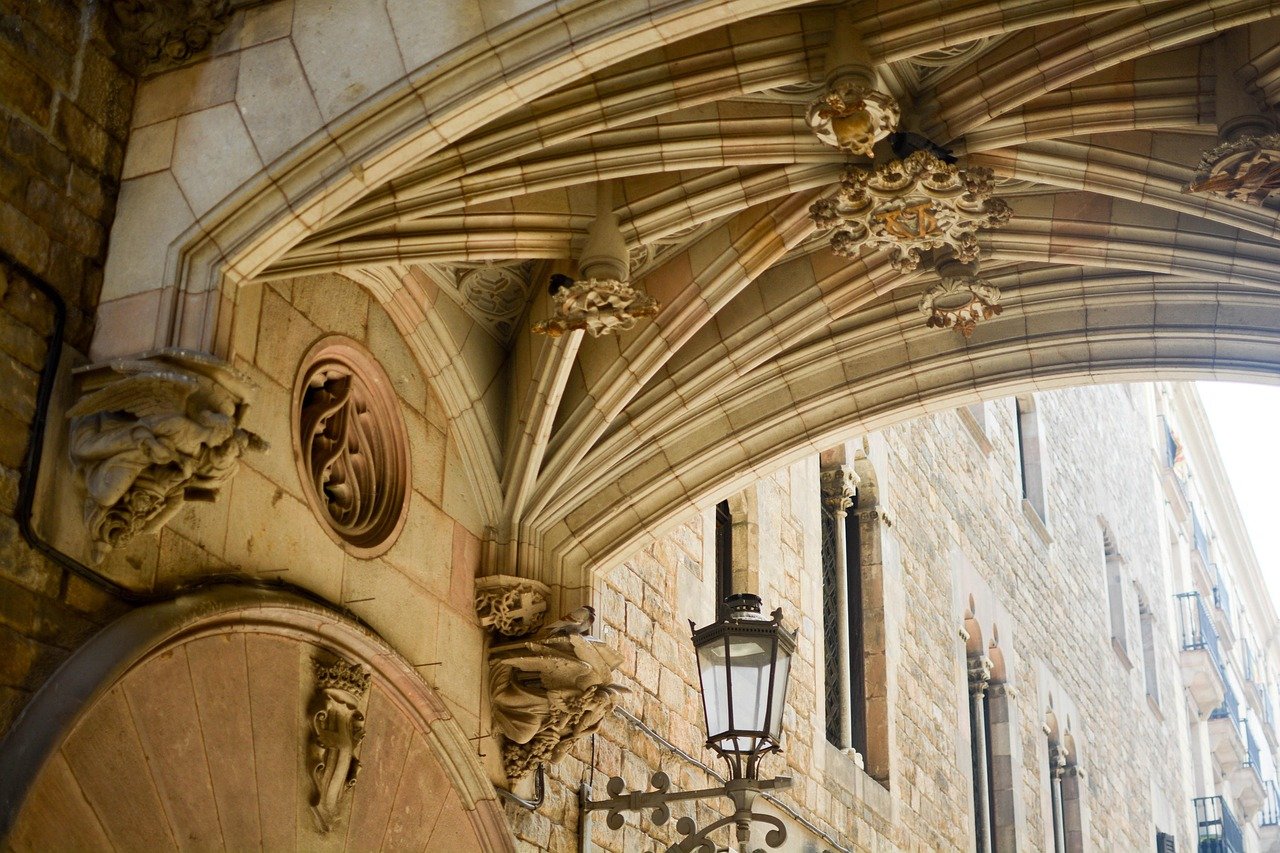
What locals know that guidebooks do not always tell you:
- The Pedralbes neighbourhood surrounding the monastery is one of Barcelona's wealthiest and most peaceful residential areas — the contrast with the tourist-packed Gothic Quarter and Eixample is extreme and very welcome.
- The Chapel of Sant Miquel's Ferrer Bassa murals are genuinely world-class Gothic painting. They deserve unhurried attention; the chapel is small and visits are controlled, but the quality of the painting rivals more famous Gothic frescoes in Italy.
- The view from the upper cloister gallery across the courtyard is the definitive image of the monastery — the three tiers of arches receding to the Gothic church and the bell tower above is one of Barcelona's most beautiful sights.
- The monastery is free on the first Sunday of every month — arrive when it opens at 10am to avoid the small queue that forms. Even with a small entry fee on other days, it remains extraordinary value compared to Barcelona's major paid attractions.
- Combine the monastery visit with a walk through the Pedralbes gardens (Jardins del Palau de Pedralbes, free entry) a short distance away — a tranquil green space with peacocks and a Gaudí fountain.
Getting There
- Metro: L3 to Palau Reial station; then 10–15 minutes walk uphill through the Pedralbes neighbourhood. Alternatively, L3 to Maria Cristina and bus 63 or 78 to the monastery.
- Bus: Routes 63 and 78 from Diagonal serve the Monestir stop. Bus 22 from the city centre also passes nearby.
- On foot: 45–50 minutes from the Passeig de Gràcia through Les Corts and Pedralbes — a pleasant residential walk through non-tourist Barcelona.
- Taxi/Rideshare: Address: Baixada del Monestir, 9, Pedralbes.
Frequently asked questions
Are the nuns still living at Pedralbes Monastery?
Yes — a small community of Poor Clares continues to live in the newer section of the complex, which is completely separate from the museum and cloister areas open to visitors. The arrangement has been in place since 1983.
Is the Chapel of Sant Miquel always accessible?
The chapel is included with the standard museum ticket, though access may be controlled in small groups to protect the fragile murals. Check with the ticket desk on arrival for the current access arrangement.
Is Pedralbes Monastery accessible for visitors with mobility limitations?
Parts of the cloister and galleries are accessible; some areas involve stairs. Contact the museum in advance at 93 256 34 34 for detailed accessibility information.
Is photography allowed at Pedralbes Monastery?
Personal photography is permitted in most areas of the monastery. Photography may be restricted in the Chapel of Sant Miquel to protect the murals. No flash photography anywhere in the complex.
What other attractions are near Pedralbes Monastery?
The Jardins del Palau de Pedralbes are 10 minutes walk downhill and offer free garden walking with a Gaudí fountain. Camp Nou (FC Barcelona) is 15–20 minutes walk or taxi. The CosmoCaixa science museum is 15 minutes further uphill toward Tibidabo.