
Robben Island
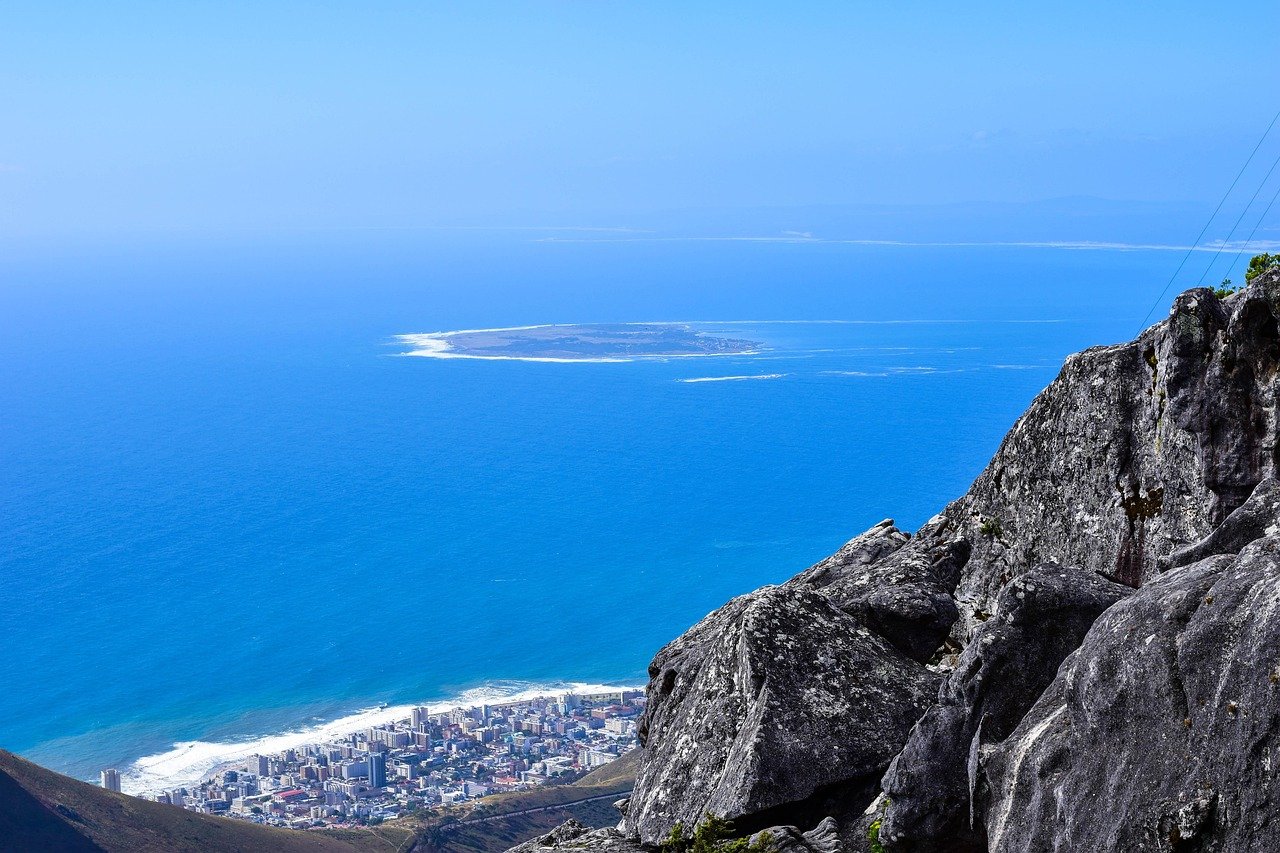
Robben Island stands as one of the most powerful symbols of resistance against apartheid in the world. Located 11 kilometres off the coast of Cape Town in Table Bay, this windswept island served as a maximum-security prison from the 1960s to 1991, holding many of South Africa’s most prominent anti-apartheid activists, most famously Nelson Mandela, who spent 18 of his 27 years in prison here. Today a UNESCO World Heritage Site, Robben Island receives visitors as a museum and memorial to the struggle for human dignity and freedom.
Nelson Mandela and the Political Prisoners
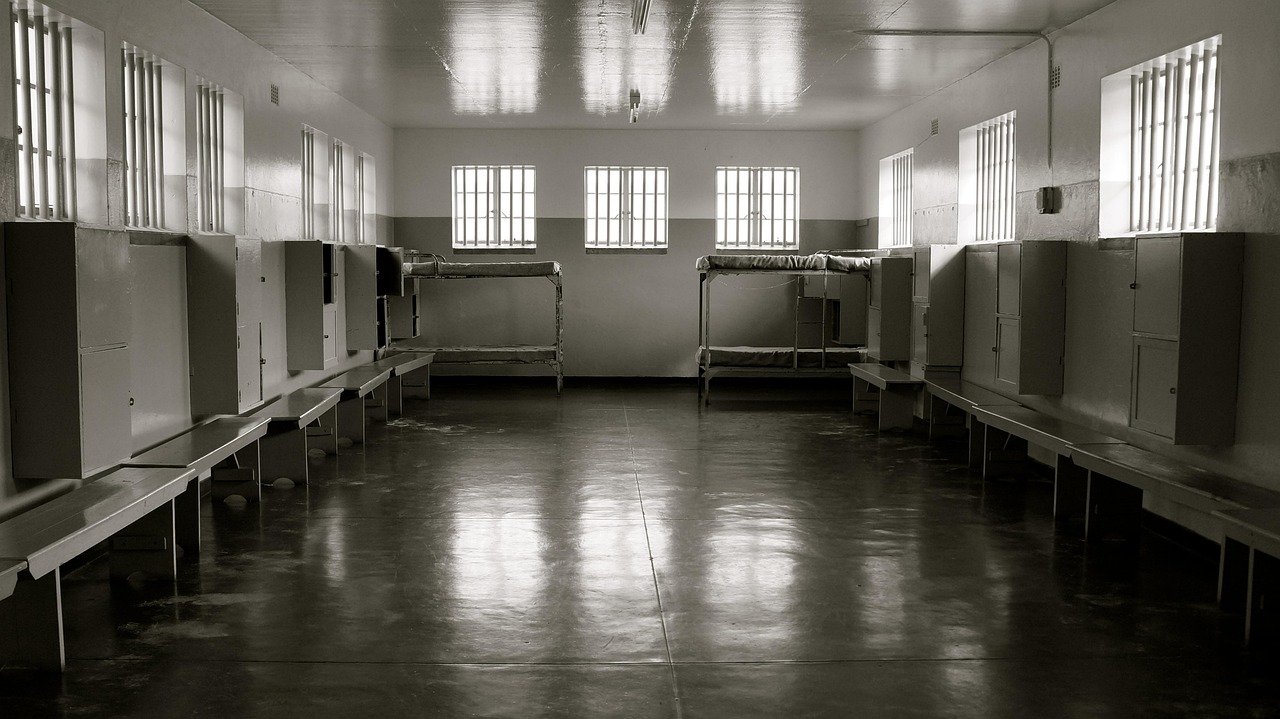
From 1964 to 1982, Nelson Mandela was held in a tiny single cell in the B Section of the Robben Island prison. The conditions were deliberately harsh: prisoners broke rocks in the lime quarry under the blazing sun, slept on thin mats on concrete floors, and were subjected to strict racial segregation within the already extreme conditions. Yet Mandela and his fellow prisoners — Walter Sisulu, Govan Mbeki, Ahmed Kathrada among many others — used their imprisonment to study, debate, and strengthen their conviction. The prison became known informally as the University of Robben Island.
The Tour Experience
Tours of Robben Island are led in part by former political prisoners who were themselves incarcerated here, making the experience uniquely powerful. The tour begins with a ferry crossing from the V&A Waterfront in Cape Town, takes visitors to the maximum security prison, and includes a guided walk through the cellblocks where guides share personal memories of confinement. Mandela lime quarry, the courtyard where prisoners were photographed for official records, and the cell where Mandela was held are all part of the standard tour. The emotion in former prisoners voices as they recount their experiences is unforgettable.

The Island Ecosystem
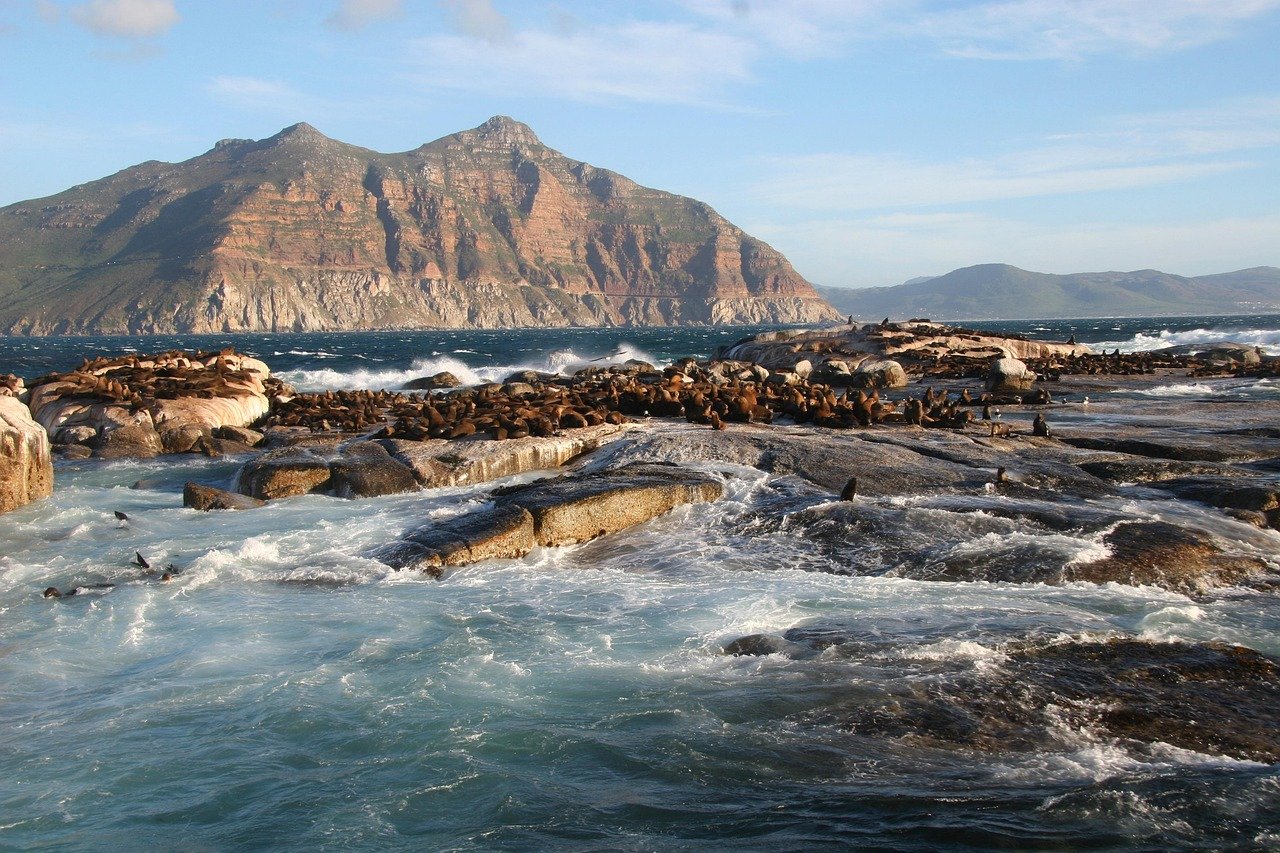
Beyond its historical significance, Robben Island is home to an important colony of African penguins and supports diverse bird life. The island has been extensively rehabilitated since the end of the apartheid era, and walks between sites reveal a strikingly beautiful landscape of fynbos vegetation and coastal views. On clear days, the views of Table Mountain and Cape Town across the water are extraordinary.
Practical Information
- Ferries depart from the Nelson Mandela Gateway at the V&A Waterfront
- Book tickets well in advance as tours sell out frequently
- Wear warm layers as the island is exposed and windy
- The tour lasts approximately 3.5 hours including ferry crossing
- Tours run daily but can be cancelled in severe weather
Getting There
Ferries to Robben Island depart from the Nelson Mandela Gateway at the V&A Waterfront in Cape Town. The waterfront is easily reached by MyCiTi bus, taxi, or on foot from central Cape Town. The ferry crossing takes approximately 30 minutes each way, and tours must be pre-booked through the Robben Island Museum website. Tour departure times are typically 9am, noon, and 3pm, subject to weather conditions.