
Rangitoto Island
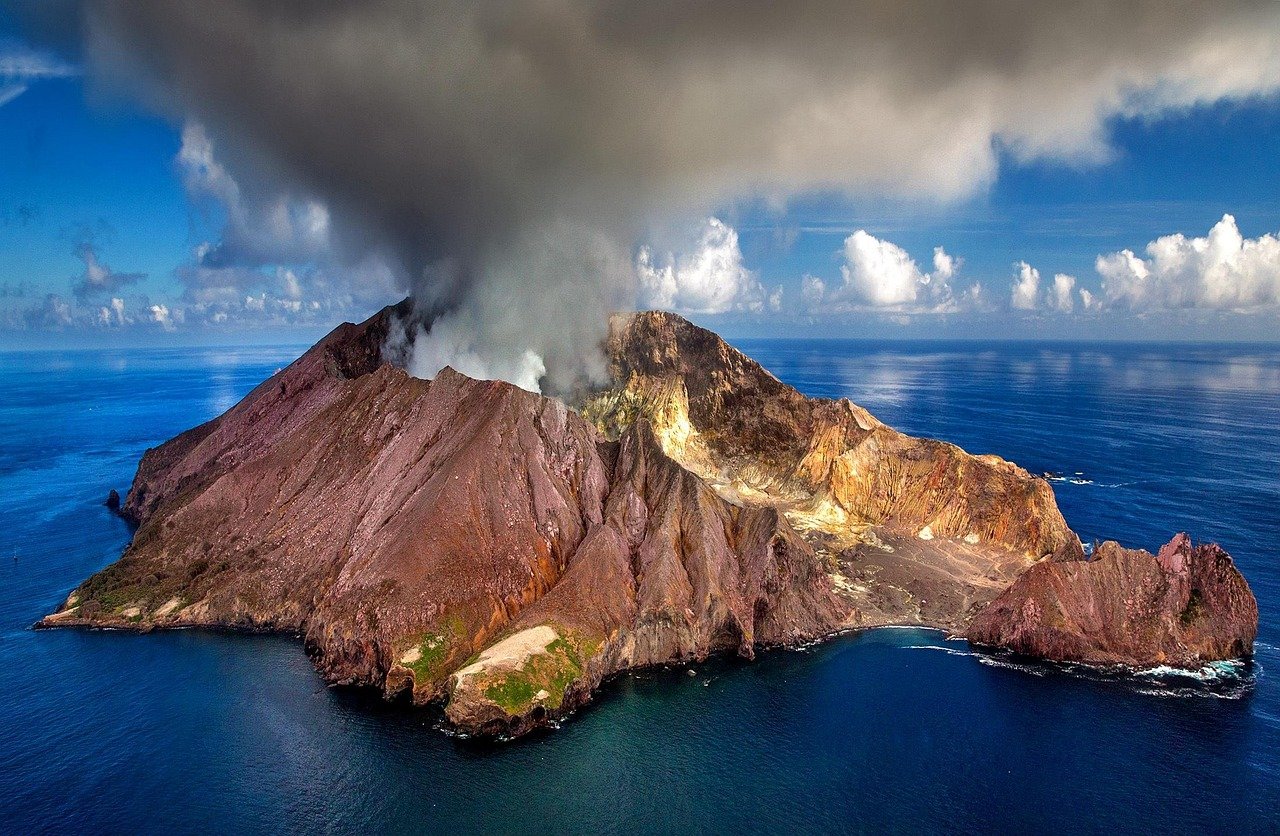
From the Auckland waterfront, Rangitoto looks like a simple dark silhouette rising from the Hauraki Gulf — perfectly symmetrical, quietly menacing. Step off the ferry at Rangitoto Wharf and that impression does not quite disappear. The island is made of raw volcanic basalt, black and jagged underfoot, with twisted pōhutukawa trees forcing their roots through the lava like something out of a science fiction novel. This is Auckland’s youngest volcano, which erupted from the sea a mere 600 years ago, and it wears its geology without apology.
History of Rangitoto Island
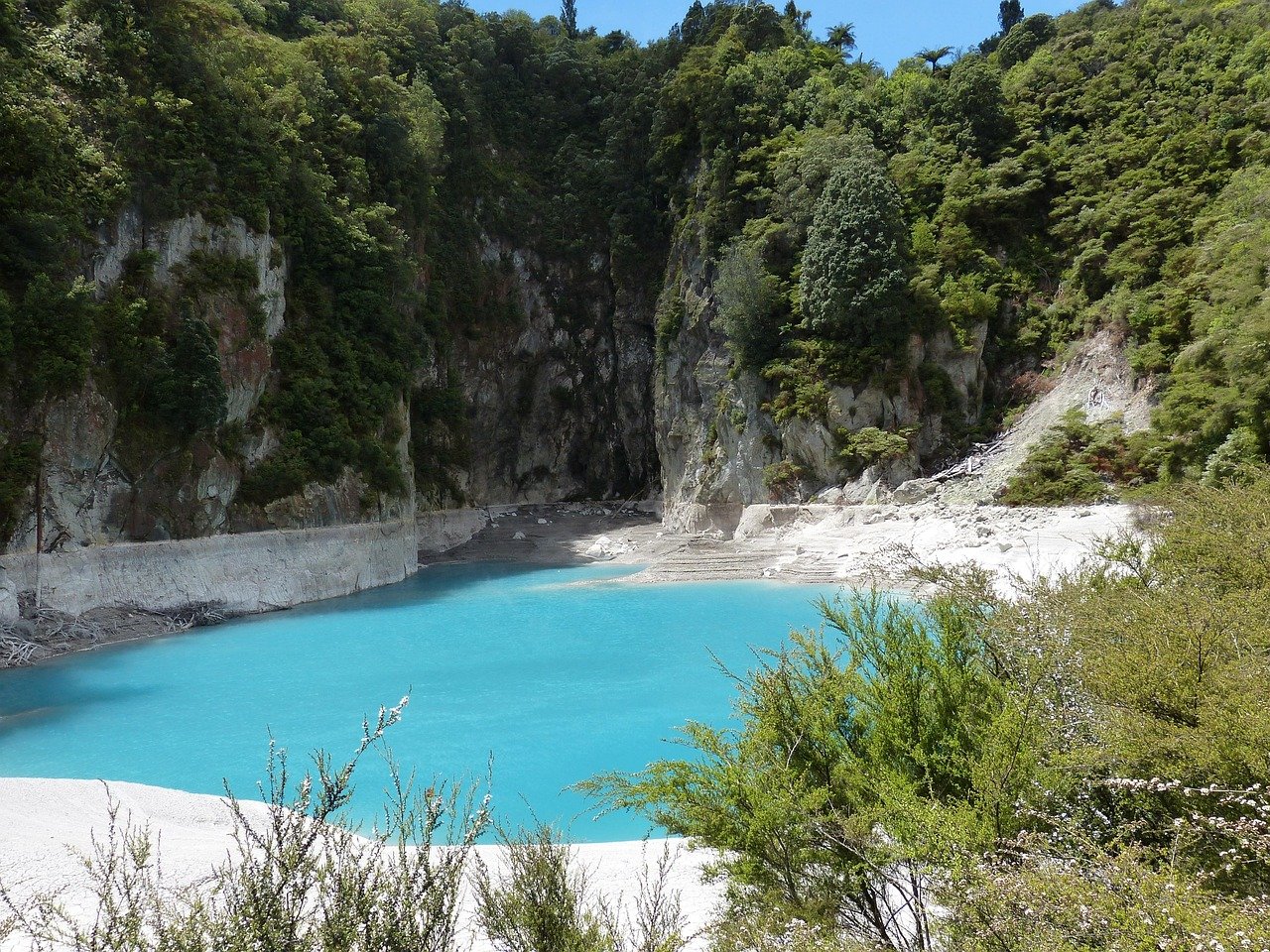
Rangitoto Island erupted approximately 600 years ago in a series of eruptions that lasted several decades — making it New Zealand’s youngest and largest volcano and the most recently formed of the 53 volcanoes in the Auckland Volcanic Field. Māori witnessed the eruptions and named the island Ngā Rangi-i-totongia-a Tama-te-kapua — “The days of the bleeding of Tama-te-kapua,” after a wounded chief. The short form, Rangitoto, means “bloody sky,” a reference to the fiery eruption visible across the gulf.
The island was declared a scenic reserve in 1890 and has been protected ever since. In the 1920s and 30s, Aucklanders built a small community of bach (holiday shacks) on the island’s shoreline — about 30 of these simple wooden structures survive today, largely unchanged, and give the island a peculiar charm: wilderness plus nostalgia. The island is now managed as a conservation reserve by the Department of Conservation, and the successful eradication of possums, rats, and stoats has allowed native wildlife to recover dramatically in recent years.
What to See and Do
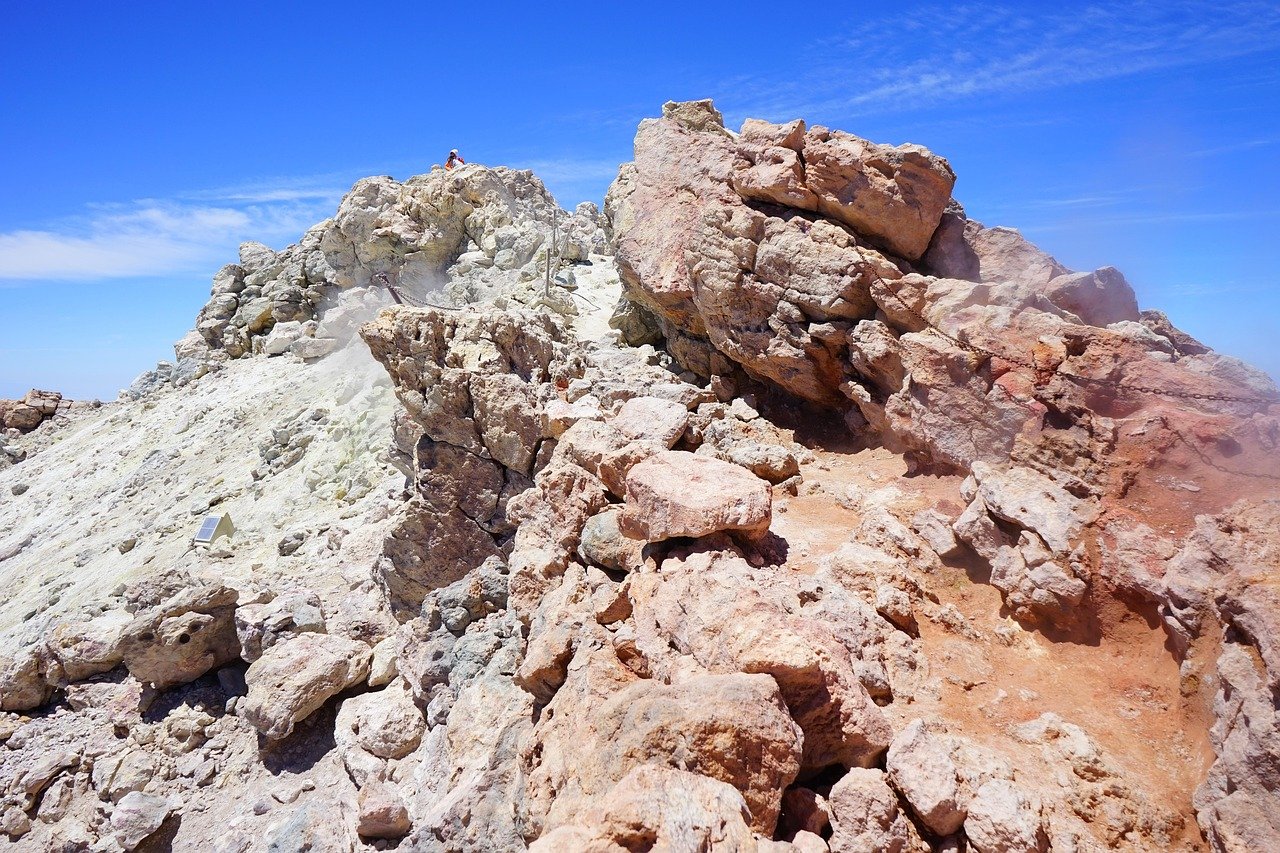
The main draw is the summit walk — a 3.1 km return hike through native pōhutukawa forest and exposed lava fields, gaining 260 metres of elevation over about 1.5 km. The trail is well-marked and maintained, suitable for most fitness levels, though the uneven basalt surface requires solid footwear. The summit offers panoramic views over the Hauraki Gulf, the Auckland skyline, Waiheke Island, and on clear days the Coromandel Peninsula and even the Northland ranges. Allow 1.5–2.5 hours for the round trip from the wharf.
Near the summit, a short side track leads to a network of lava tubes — natural caves formed when the outer lava hardened while molten rock continued flowing underneath. Bring a torch (head torch preferred) to explore the main cave, which extends several hundred metres into darkness. The walk back from the summit can be varied by taking the coastal track around the island’s eastern shore, where historic baches sit in small clearings and the shoreline reveals rock pools and views back across to the city.
The Pōhutukawa Forest
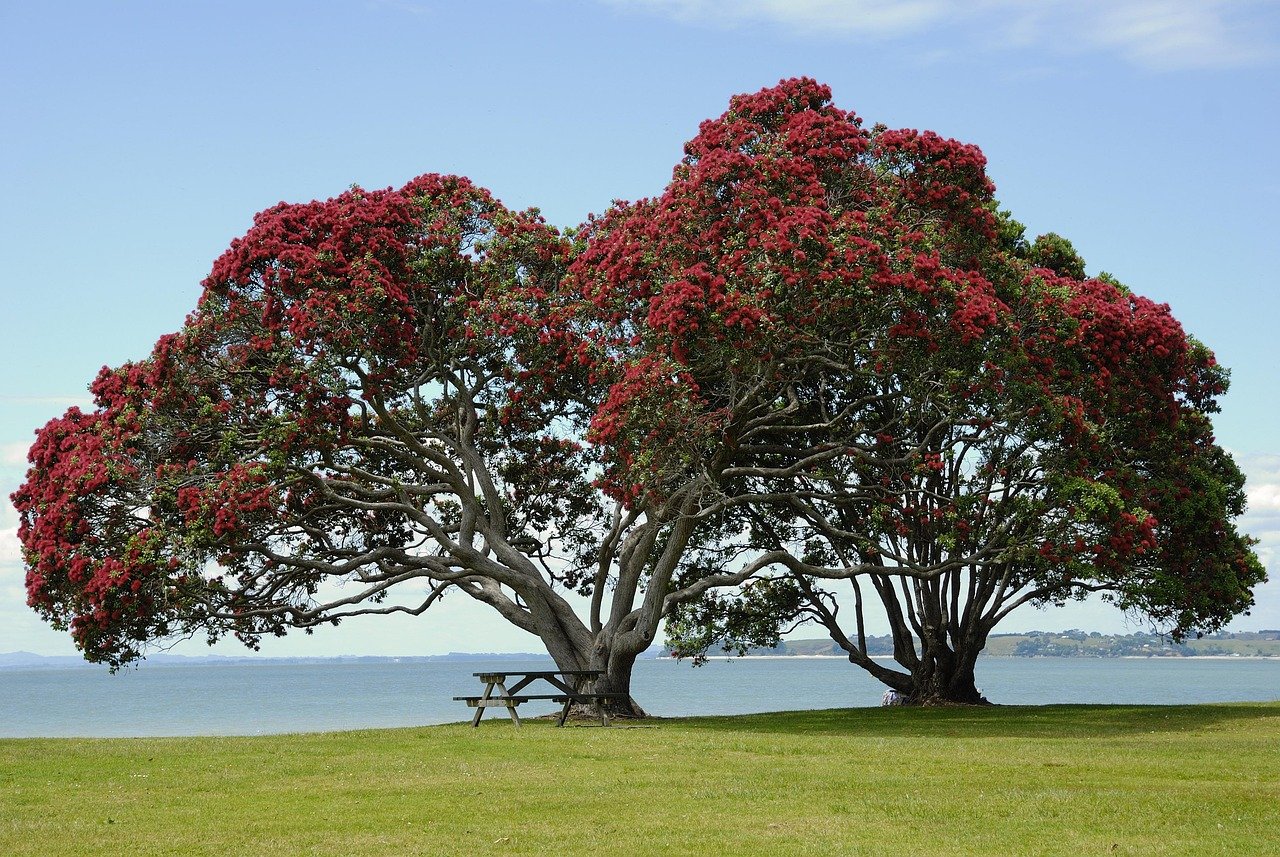
Rangitoto supports the world’s largest pōhutukawa forest — a remarkable achievement for an island of bare volcanic rock. The pōhutukawa (Metrosideros excelsa), known as New Zealand’s Christmas tree for its scarlet blooms in December, colonised the lava fields in the centuries following the eruption, sending roots deep into cracks in the basalt to find water. The result is a forest that looks ancient and gnarled, draped with aerial roots and twisted by coastal winds, yet covers terrain that was bare, molten rock less than 700 years ago.
The recovery of native bird life since pest eradication has been dramatic. Tūī, kererū (native pigeon), fantails (pīwakawaka), and grey warblers are now commonly seen. The island is also home to the tuatara — a reptile unchanged from the dinosaur era — in a specially managed enclosure near the wharf. The biosecurity requirements to enter the island (shoe cleaning, zipped bags checked for seeds) are not bureaucratic annoyance but genuine conservation necessity: a single rat or possum could undo decades of wildlife recovery.
Practical Information
- Tickets: Ferry return NZ$60 adult · NZ$27 child (5–15) · NZ$124 family. Book via Fullers360.
- Opening hours: Ferries depart Auckland Ferry Terminal: first departure 09:30, last return approx. 16:00 (check Fullers360 current timetable)
- Best time to visit: October–April for warmest weather; December–January for pōhutukawa in bloom; avoid public holiday weekends for smaller crowds
- Duration: Half-day minimum (3–4 hrs including summit walk); full day recommended
- Booking: Book Fullers360 ferry online at fullers.co.nz or from Auckland’s Quay Street Ferry Building
Local Insights
What locals know that guidebooks don’t always tell you:
- There are no shops, cafes, or water on the island. Bring at least 1.5 litres of water per person and pack lunch — the Fullers ferry sells snacks on board but nothing is available once you land.
- Arrive at the Ferry Building at least 30 minutes before departure — biosecurity checks slow boarding and the ferry does not wait.
- The summit track gets very hot and exposed in summer. Leave on the early ferry (9:30) to complete the walk before midday heat.
- Take the return ferry from the island one departure later than planned — the coastal walk from the wharf to the summit viewpoint near Kidney Fern Grove is quieter and more rewarding than the main track.
- Lava tube torches/head torches are not provided — bring your own or the caves are inaccessible without light.
Getting There
- Ferry: Fullers360 from Auckland Ferry Terminal (Quay Street), 25 min crossing
- Kayak: 2-hour kayak from Devonport or Takapuna Beach for experienced paddlers
- On foot from city: 5 min walk from Britomart transport hub to Ferry Building
- Parking: Parking available at the Ferry Building or nearby Quay Park (paid)
Frequently asked questions
Do I need to book the ferry in advance?
Advance booking is strongly recommended, especially on weekends and school holidays. Ferries can sell out. Book via the Fullers360 website or app.
Is the summit walk suitable for children?
Yes, most children aged 7+ manage the summit walk with adult supervision. The surface is uneven lava rock, so sturdy closed-toe shoes are essential. Younger children may struggle with the steeper sections.
Are dogs allowed on Rangitoto?
No. Dogs are not permitted on Rangitoto Island as it is a pest-free conservation reserve. No exceptions are made.
What is the best thing to do on the island besides the summit walk?
Exploring the lava tubes near the summit is a highlight — bring a torch. The Kidney Fern Glen side track showcases the island’s remarkable ecology. The restored historic baches along the shore are fascinating windows into 1930s Auckland leisure culture.
Can I camp on Rangitoto Island?
There are no camping facilities on Rangitoto Island. It is a day-visit destination only, with the last ferry departing in the late afternoon.