
Ramses II Statue at Giza
At the entrance to the Grand Egyptian Museum near the Giza pyramids, a single statue stops every visitor in their tracks. Standing more than 11 metres tall and carved from deep red Aswan granite, the Colossal Statue of Ramesses II is not simply a museum exhibit — it is the symbolic guardian of the entire building, a 3,200-year-old monument that has spent the last century on a remarkable journey across Egypt before finding its permanent home in Giza. Whether you encounter it for the first time bathed in the atrium light of the world’s largest archaeological museum, or approach it with years of anticipation after reading about its troubled travels, it commands the kind of reverential silence that few ancient objects can produce. Here is the full story of where it came from, what it represents, and how to make the most of your visit.
History of the Ramses II Statue at Giza
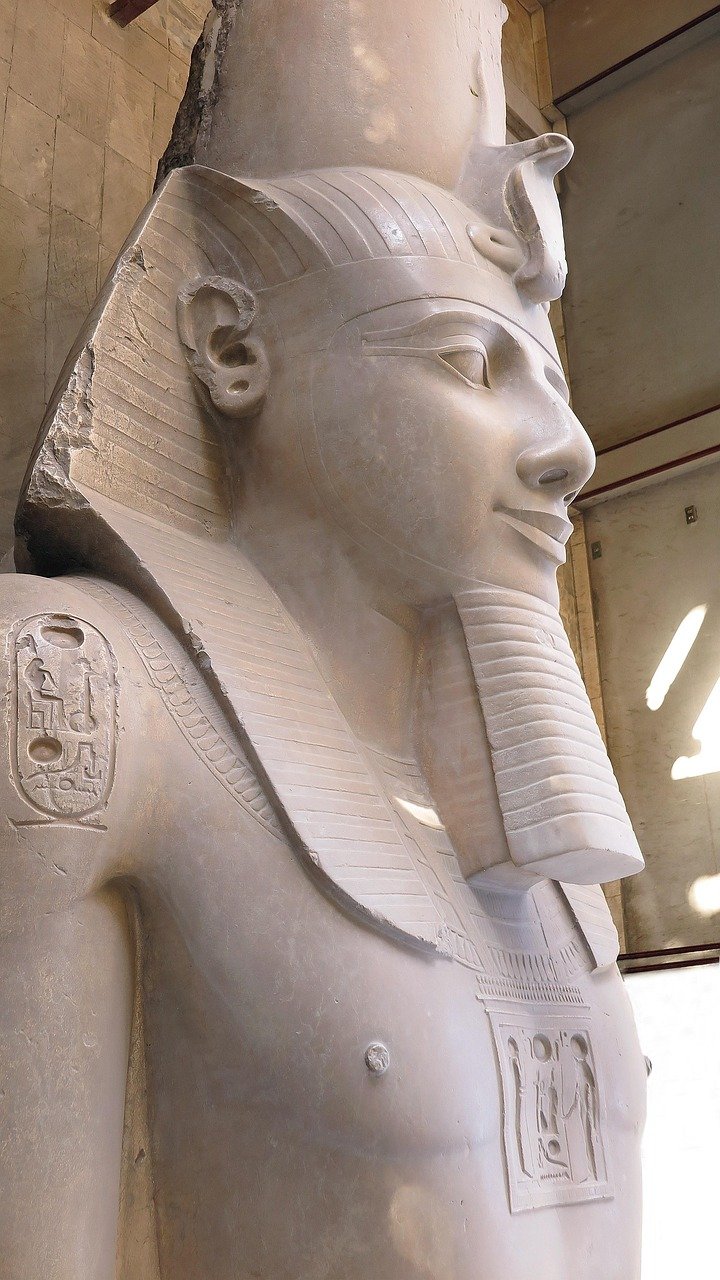
The statue was created during the reign of Ramesses II, who ruled Egypt from approximately 1279 to 1213 BCE — a 66-year reign that made him arguably the most powerful pharaoh in Egyptian history and certainly one of the most prolific builders. Ramesses II commissioned more statues of himself than any other pharaoh, and this colossus — carved from a single block of red Aswan granite and depicting him standing in a striding pose that symbolized power and forward momentum — was placed at the entrance of the ancient city of Memphis, the original capital of unified Egypt located at Mit Rahina, south of modern Cairo. Memphis was a city of immense importance: it was where the crowns of Upper and Lower Egypt were united, where the god Ptah was worshipped, and where pharaohs were crowned. The statue’s original position at its entrance would have announced Egypt’s might to arriving dignitaries and traders alike.
The statue fell at some point in antiquity, breaking into six large pieces that lay buried in the sand at Mit Rahina for centuries. European explorers discovered it in 1820, and its excavation and gradual reconstruction attracted international attention throughout the 19th century. In 1955, Egyptian Prime Minister Gamal Abdel Nasser ordered the reassembled statue moved to Cairo, where it was installed in Ramses Square — the transportation hub outside Cairo’s main railway station, which was promptly renamed Ramses Station in its honor. The statue stood there for over five decades, towering above taxis and bus queues, breathing diesel fumes from one of the city’s most congested intersections. By 2006, Egyptian authorities had grown alarmed: automotive emissions were visibly degrading the ancient granite, and a careful relocation to Giza began. In January 2018, after years of preparation, the statue was transported to the atrium of the then-under-construction Grand Egyptian Museum, where it now stands as the permanent centerpiece of the building. The Grand Egyptian Museum officially opened to the public on November 4, 2025.
What to See at the Grand Egyptian Museum
The Colossal Statue in Context

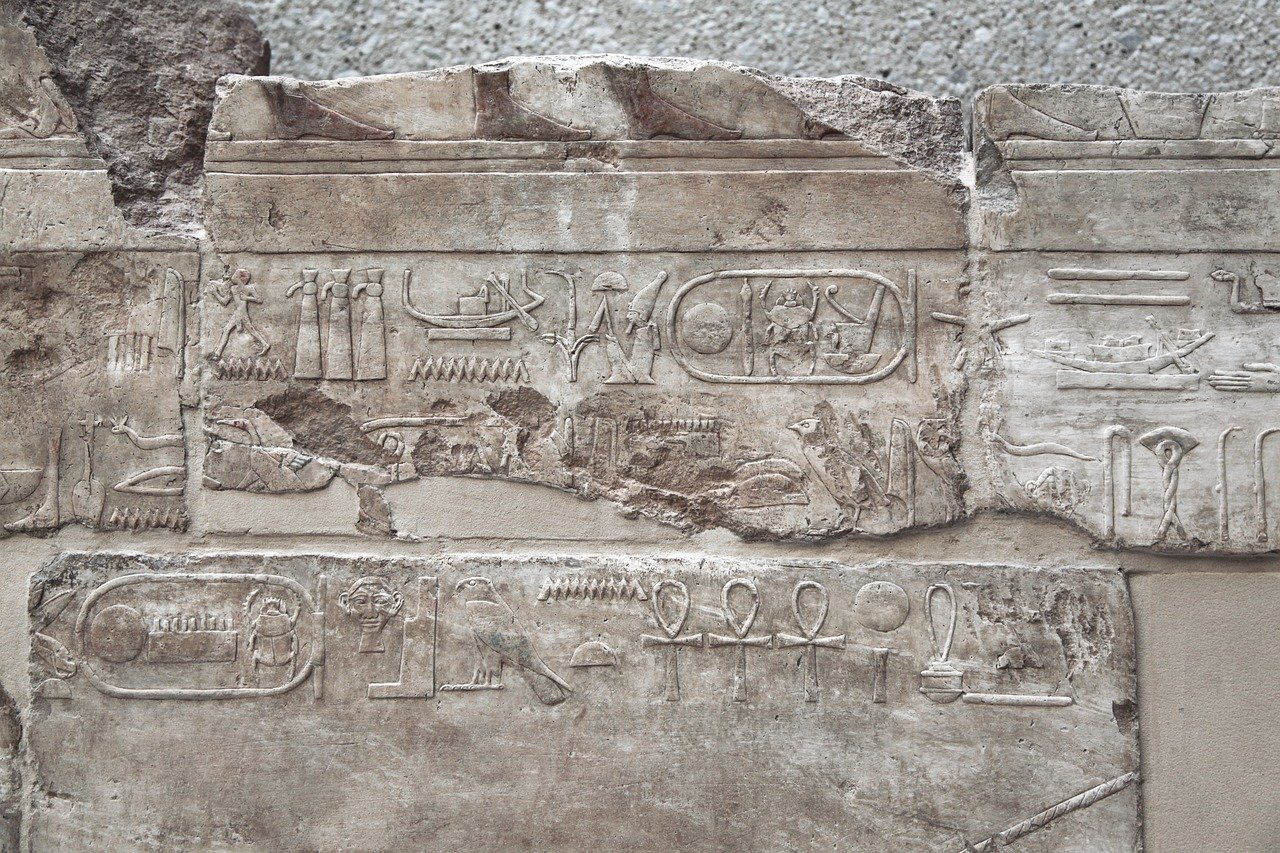
The Grand Egyptian Museum’s architects designed the main atrium specifically around the statue — the entire hall is proportioned to show Ramesses II to maximum dramatic effect. As you pass through the main entrance and ascend the grand staircase, the statue reveals itself in stages: first the feet and lower body loom above, then the chest and outstretched arms, and finally the serene granite face gazes down from nearly four storeys above floor level. The scale is genuinely overwhelming. At 11 metres tall and weighing approximately 83 tons, this is one of the largest ancient Egyptian statues ever found, and being in its presence creates an almost physical awareness of how the ancient Egyptians intended monuments to work on human psychology — not as aesthetic objects to be admired from a comfortable distance, but as instruments of awe designed to reduce the viewer to appropriate insignificance before divine royal power. Take time to walk the full circumference of the statue’s base and study the hieroglyphic inscriptions carved into the belt and chest cartouches, which identify the pharaoh by his full royal titulary.
Tutankhamun’s Treasures and the Grand Galleries
The Ramses II statue may be the most dramatic single object in the Grand Egyptian Museum, but the building contains over 100,000 artifacts from across Egypt’s pharaonic history, and no visit would be complete without exploring the Grand Galleries that flank the central atrium. The museum’s most celebrated collection is the complete treasure of Tutankhamun — reunited for the first time in a purpose-built wing that displays all 5,000+ objects from the boy pharaoh’s tomb together, including the famous golden death mask, gilded chariots, alabaster canopic jars, and the innermost golden coffin. This collection was previously split between the Egyptian Museum on Tahrir Square and storage, and seeing it complete and newly conserved is a revelation even for visitors who thought they already knew it. Beyond Tutankhamun, the museum covers Egypt’s history from the Old Kingdom through the Greco-Roman period, with galleries dedicated to royal statuary, everyday life, writing and papyrus, jewelry, and the architecture of the great temples.
The Giza Plateau Views and Museum Architecture
The Grand Egyptian Museum building is itself a landmark worthy of attention. Designed by the Irish architectural firm Heneghan Peng, the structure is positioned so that its transparent facade frames a direct view of the three Great Pyramids of Giza — an intentional alignment that creates a visual dialogue between ancient monument and modern museum. From the main terrace, particularly at sunset, the pyramids appear to float between the museum’s angular forms and the desert sky in a way that stops even the most seasoned traveler. The building’s external skin is composed of thousands of translucent alabaster panels that glow at dusk, and the scale of the complex — covering 480,000 square metres of built area — means visitors could spend multiple days here without seeing everything. Allow at least four to five hours for a focused first visit covering the Ramses II statue, the Tutankhamun galleries, and the main permanent collection.
Local Insights
The Grand Egyptian Museum opened in late 2025 and is still finding its feet operationally. These tips will help you navigate it more successfully than the average first-time visitor.
- Book tickets online in advance — The museum’s official ticketing website (tickets.gem.eg) allows advance purchase. During peak season (October–April) and school holiday periods, queues at the ticket desk can exceed two hours. Online tickets allow you to bypass the general queue and proceed directly to the entrance lanes.
- Arrive at opening (8:30 AM) — The Tutankhamun galleries become extremely congested by mid-morning as tour groups move through in sequence. Arriving at opening and heading directly to the Tutankhamun wing before the crowds arrive gives you a considerably more immersive experience, after which you can double back to see the Ramses II atrium at a more leisurely pace.
- The museum is enormous — plan strategically — Download the museum’s official app or pick up a printed floor plan at the entrance. Attempting to see everything in one visit leads to exhaustion without genuine engagement. Consider focusing on two or three galleries per visit and returning for more.
- Photography is permitted without flash — Smartphone photography is allowed throughout the museum including in the Tutankhamun galleries, which represents a significant change from the old Egyptian Museum’s policies. However, tripods and professional video equipment require a permit purchased separately at the entrance.
- Combine with the Giza Plateau on the same day — The Grand Egyptian Museum is located approximately 2 km from the Giza pyramid complex. Visiting both on the same day — museum in the morning when you are fresh, pyramids in the afternoon — is one of Cairo’s greatest experiences. Taxi and Uber connections between the two sites take under ten minutes.
Planning Your Visit
- Tickets: Foreign adults 1,450 EGP (approx. $29 USD); foreign students and children (6–12) 730 EGP; Egyptian adults 200 EGP; children under 6 free. Additional fees may apply for special exhibitions.
- Opening hours: Daily 8:30 AM – 10:00 PM. Last entry one hour before closing. The museum opened officially on November 4, 2025.
- Best time: October through April for comfortable weather. Arrive at 8:30 AM opening for minimum crowds. Avoid Egyptian national holidays and school group visits (Tuesday–Thursday mornings during school term).
- Duration: Minimum 3–4 hours for highlights; 6–8 hours for a thorough visit. The Tutankhamun wing alone takes 1.5–2 hours to see properly.
- Booking: Advance booking strongly recommended. Book at tickets.gem.eg or through licensed tour operators. Walk-up tickets are available but wait times can be lengthy in peak season.
Getting There
- Bus: No direct metro service. The CTA Bus Route 997 connects Giza Metro Station (end of Metro Line 2) to the museum. Journey time approximately 20 minutes. Ask for the Grand Egyptian Museum stop.
- By car: The museum is located on Alexandria Desert Road (Cairo–Alexandria Desert Road) near the Giza pyramids. Follow signs to “GEM” from the ring road or from Giza Square. Large paid parking lots are available at the museum complex.
- On foot: Not recommended from central Cairo due to distance (approximately 20 km from Downtown). However, from the Giza pyramid plateau entrance the museum is a manageable 15–20 minute walk heading north along the desert road.
- Taxi/ride-share: Uber and Careem are the most practical options. Search for “Grand Egyptian Museum” or “GEM Giza.” Fare from central Cairo is approximately 80–120 EGP depending on traffic. Drop-off is at the main entrance plaza.
Frequently asked questions
Where exactly is the Ramses II statue now — is it still at Ramses Station?
No. The colossal Ramses II statue was moved from Ramses Square (outside Cairo’s main railway station) in January 2018. After decades at the traffic roundabout, it was transported to the Grand Egyptian Museum in Giza, where it now stands permanently in the museum’s grand entrance atrium. The statue was placed at Ramses Station in 1955 by Prime Minister Nasser, but automotive emissions were damaging the ancient granite and the move to the controlled museum environment was essential for its long-term preservation. Ramses Station retains its name, but the square now contains a replica obelisk.
Can I see the Ramses II statue without paying the full museum entrance fee?
Currently, the colossal statue is located inside the Grand Egyptian Museum’s paid entrance atrium, and the full admission ticket (1,450 EGP for foreign adults) is required to see it. There is no separate lower-tier ticket that covers only the atrium or the statue. The full ticket does, however, give access to all permanent galleries including the complete Tutankhamun collection, making it exceptional value considering the scale and importance of what is included. Budget travelers should note that Egyptian citizens pay significantly less (200 EGP for adults).
How tall is the Ramses II statue and what does it depict?
The statue stands 11 metres (approximately 36 feet) tall and weighs around 83 short tons (75 metric tonnes). It depicts Ramesses II in a standing striding pose — the left leg advanced, arms at the sides, wearing the double crown of Upper and Lower Egypt. The statue is carved from red Aswan granite, a material chosen for its durability, symbolic association with the sun god Ra, and the prestige it conveyed. Hieroglyphic inscriptions on the belt and chest identify the pharaoh by his full royal titles. It was originally one of a pair that flanked the entrance to the temple complex at Memphis.
Is the Grand Egyptian Museum near the Giza Pyramids?
Yes, the Grand Egyptian Museum is located approximately 2 kilometres north of the Giza pyramid plateau, and on clear days the Great Pyramid of Khufu is visible from the museum’s main terrace. The museum was deliberately positioned close to the pyramids to allow visitors to experience both on the same trip. Many organized tours combine a morning at the Grand Egyptian Museum with an afternoon on the Giza plateau, and private taxis or Uber rides between the two sites take under ten minutes. The alignment of the museum’s transparent facade with the pyramids is an intentional design feature by the building’s architects.
What is the best way to photograph the Ramses II statue inside the Grand Egyptian Museum?
Smartphone photography is permitted throughout the Grand Egyptian Museum including in the main atrium where the statue stands. For the most dramatic single shot, position yourself at the base of the grand staircase as you ascend from the entrance, which frames the statue’s full height against the atrium ceiling. Early morning light through the glass facade is ideal for photography — arrive close to the 8:30 AM opening before the atrium fills with visitors and tour groups. Wide-angle lens attachments for smartphones work well given the statue’s enormous scale. Professional camera equipment and tripods require a separate permit purchased at the entrance desk. Flash photography is prohibited throughout the museum in order to protect sensitive painted and gilded surfaces in the galleries, but natural atrium light is generally sufficient for the statue itself, which is robustly lit by overhead sources.