
Plaza Dorrego
Every Sunday morning, the cobblestones of San Telmo’s oldest square come alive with the sound of an accordion, the flash of a sequined dress, and the particular energy of a city that takes its pleasures seriously. Plaza Dorrego — a compact, tree-shaded square in the heart of Buenos Aires’s oldest neighbourhood — transforms each week into one of South America’s most beloved street markets, where antique dealers spread their treasures across folding tables, tango dancers perform between the café terraces, and locals and travellers mingle in the easy, unhurried way that defines San Telmo at its best. Entry is free. The experience is anything but ordinary.
History of Plaza Dorrego
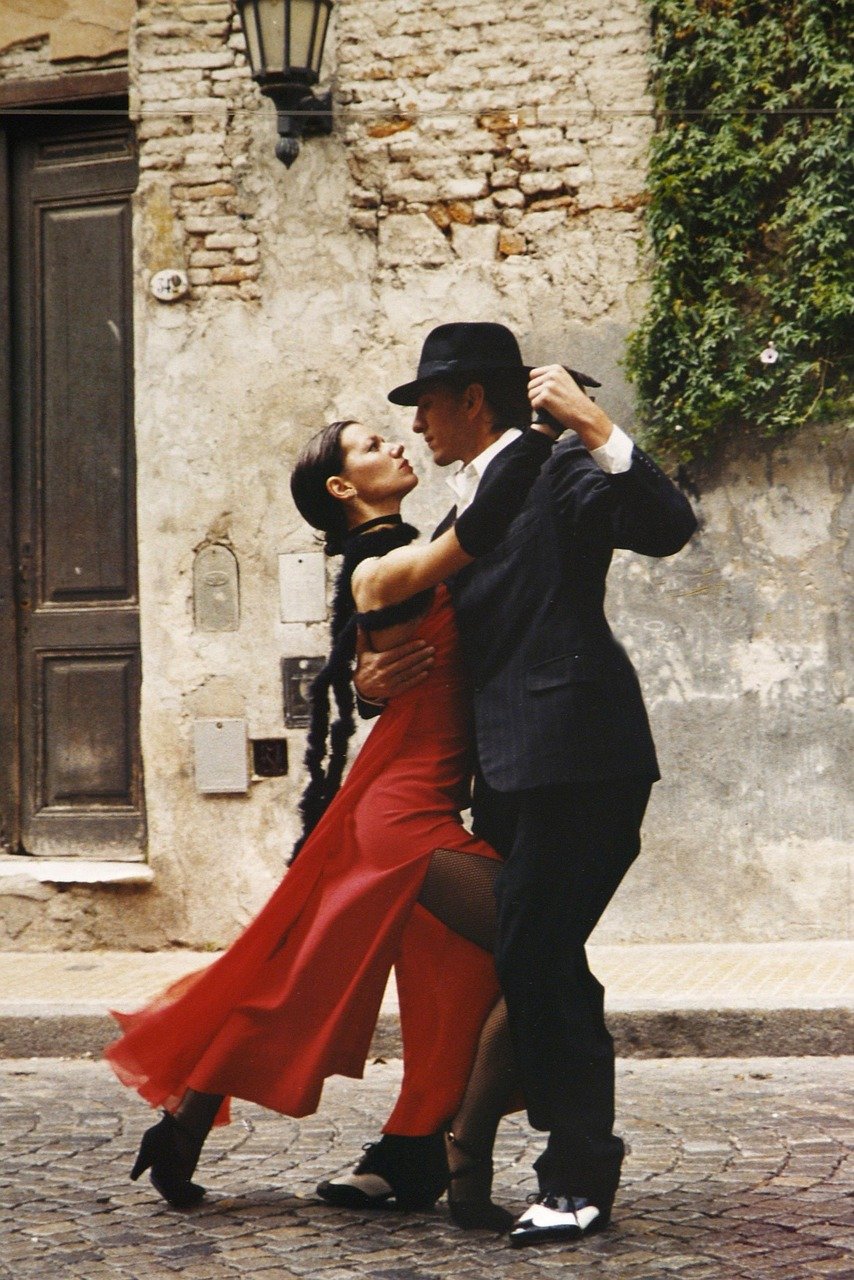
Plaza Dorrego is one of the oldest public squares in Buenos Aires, pre-dating Argentina’s independence. In the colonial era it served as a marketplace where goods arriving from the nearby Riachuelo port were traded — grain, leather, and livestock changed hands on these very cobblestones before the city had proper market halls. After independence, the square was named in honour of Manuel Dorrego, a governor of the province of Buenos Aires who was controversially executed in 1828 following a coup. His memory is embedded in the name, but the square itself has always been more concerned with commerce and sociability than political commemoration.
San Telmo, the neighbourhood surrounding Plaza Dorrego, was the city’s first fashionable residential district, home to wealthy merchant families in the early nineteenth century. The yellow fever epidemic of 1871 devastated the population and sent the élite fleeing to the northern barrios of Recoleta and Palermo, leaving San Telmo to working-class Italian and Spanish immigrants who subdivided the grand town houses into tenement rooms called conventillos. This social transformation gave the neighbourhood its distinctive character — a mix of faded grandeur and vital street life — and the tango, born in the immigrant tenements of Buenos Aires, took root here before spreading to the world. Today San Telmo wears its history openly: the cobblestones are original, many of the colonial-era buildings survive intact, and Plaza Dorrego sits at the centre of it all as it has for more than two centuries.
What to See at Plaza Dorrego
The Sunday Antiques Fair
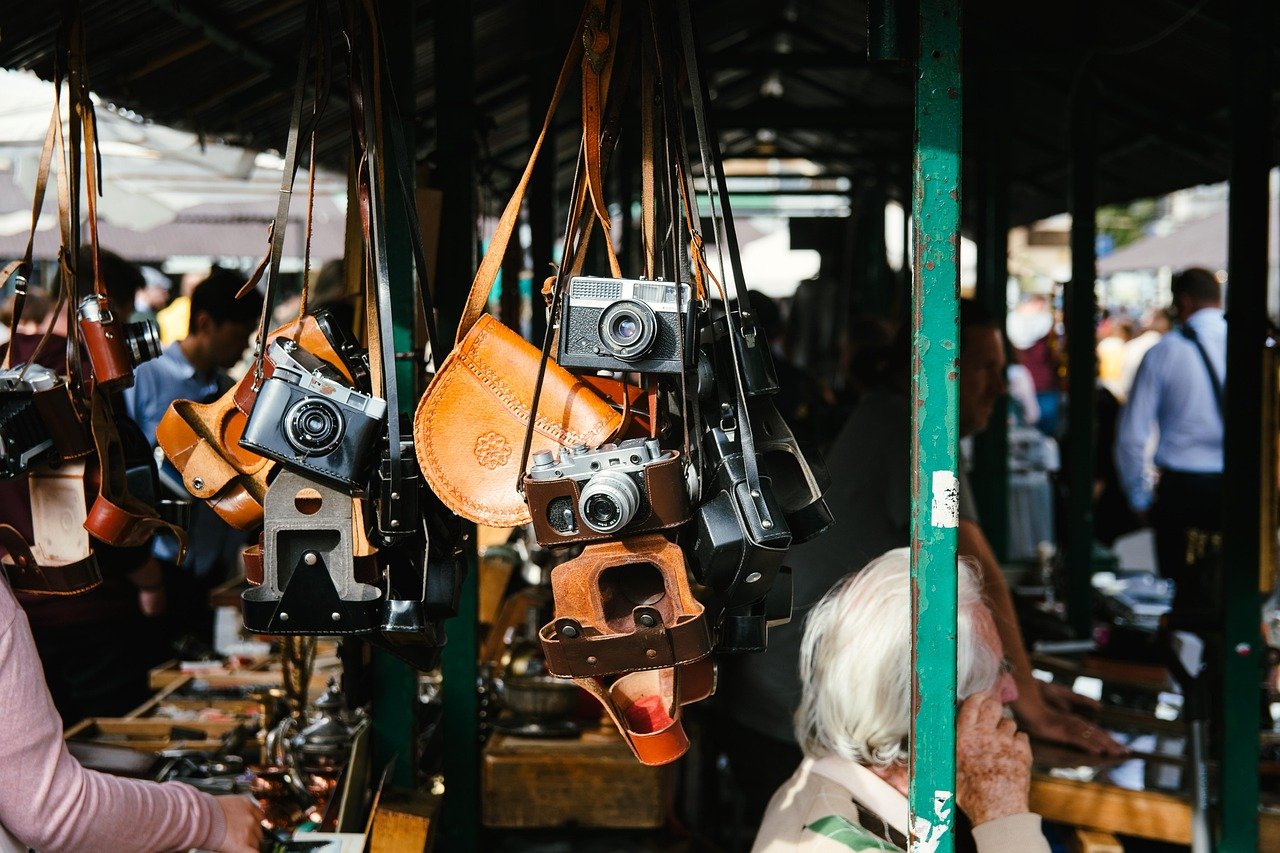
The Feria de San Telmo sets up every Sunday from approximately 10 am to 5 pm, spilling out of Plaza Dorrego itself and down the surrounding streets — particularly Defensa, the pedestrianised thoroughfare that runs straight through the heart of the neighbourhood. Vendors offer an eclectic mix of genuine antiques and vintage collectibles: early twentieth-century silverware, art deco furniture, vinyl records, old maps and prints, military memorabilia, leather goods, handmade jewellery, and an enormous variety of Argentine curios. The quality ranges widely. Serious collectors know to arrive early — by 10 am — when the best pieces are still available and the vendors are in a negotiating mood. Casual browsers can come at any hour and still find plenty to admire, photograph, and occasionally purchase at a price both sides find agreeable. The fair is free to enter and wander, though vendors naturally expect you to buy if you engage seriously.
Tango on the Square

From mid-morning on Sundays, tango dancers begin performing at the edges of Plaza Dorrego and along Defensa Street, typically setting up a small portable dance floor and drawing crowds of spectators two and three rows deep. The performers are professionals — some world-class — who have chosen the street as their stage for the day. Watching a skilled tango couple execute their intricate footwork on cobblestones, with the colonial façades of the surrounding buildings as a backdrop, is one of those Buenos Aires moments that fixes itself permanently in memory. Tips are expected and entirely appropriate given the quality of what is on offer. As the antique market winds down in the late afternoon, the tango continues into the evening, and sometimes a full milonga — an informal social tango gathering — develops at the back of the square from around 7 pm, with locals joining the performance space to dance socially.
The Cafés Surrounding the Square
Plaza Dorrego is ringed by historic café-bars whose terrace tables spread out over the cobblestones, offering front-row seats to the market and the tango. Bar El Federal, just a couple of blocks south on the corner of Perú and Carlos Calvo, is one of the oldest bars in Buenos Aires (established 1864) and worth visiting in its own right for the antique bar furniture and Belle Époque atmosphere. La Puerta Roja, El Desnivel, and several other institutions cluster nearby. The square itself is lined with café terraces where you can order a coffee, a Quilmes beer, or a glass of Malbec and watch the entire spectacle of the Sunday market unfold around you — and this is, frankly, one of the best afternoon activities available in the city at zero cost beyond your drink order.
Local Insights
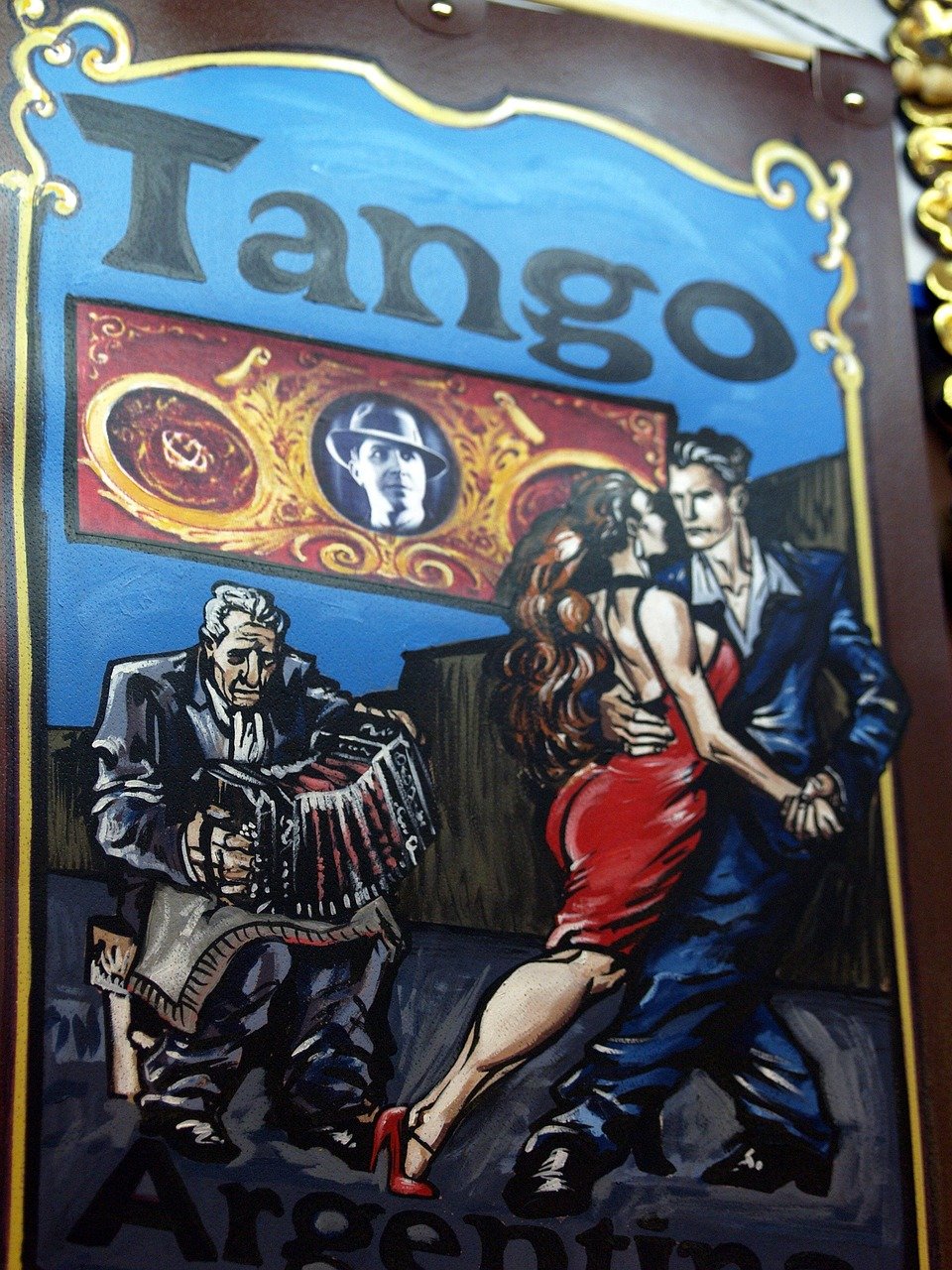
Regulars at the Feria de San Telmo have learned a few things that first-time visitors typically discover only after they have already left.
- Arrive at 10 am sharp for serious antique hunting. The best pieces — genuine period silverware, early tango vinyl records, quality leather goods — go to the earliest visitors. By noon the choice narrows considerably and prices firm up. If shopping is your priority, plan to be there when the vendors are still setting up their tables.
- Walk the full length of Defensa Street, not just the square. The fair extends for many blocks along this pedestrian street, north and south of the square. Some of the most interesting vendors — especially booksellers with old Argentine photography books and print dealers — set up away from the main crowd at the cheaper-rent end of the street.
- Use pesos in cash for negotiations. While some vendors accept cards, cash in Argentine pesos gives you real negotiating leverage, especially for larger purchases. Bring small bills — asking for change from a large note can end a negotiation abruptly.
- Visit the Mercado de San Telmo indoors if it rains. One block from the square, this beautifully restored 1897 iron-and-glass market hall operates daily from 8 am to 8 pm and houses a permanent collection of antique stalls alongside food vendors and coffee bars. It is a superb Plan B and worth visiting regardless of weather.
- Stay for the early evening tango. Most visitors leave by 5 pm as the market winds down, but the square often hosts its best informal dancing from 6 to 9 pm when the temperature drops, the light softens, and genuinely skilled local dancers take over the floor. This is the version of street tango that porteños themselves come to watch.
Planning Your Visit
- Tickets: Free admission — Plaza Dorrego is a public square and the Feria de San Telmo is open to all. No charge to browse, watch tango, or sit on the square. Tips for tango performers are customary and appreciated (ARS 500–2000 per performance is typical).
- Opening hours: The Sunday antiques fair runs approximately 10:00 am – 5:00 pm. Tango performances typically begin around 11:00 am and can continue to 9:00 pm. The square itself is accessible at all hours.
- Best time: Sundays from 10 am to 2 pm for the best market selection; from 5 to 9 pm for the most authentic tango atmosphere. Avoid December to February (summer) midday heat. March through May and September through November offer the most comfortable weather.
- Duration: Allow 2–3 hours minimum to properly explore the market and watch the tango; a full day is rewarding if you combine it with the Mercado de San Telmo and the neighbourhood’s restaurants and bars.
- Booking: No booking required for any aspect of the visit. The fair and the tango are entirely walk-up experiences.
Getting There
- Subte (Subway): Line C, Independencia station is the closest, approximately a 10-minute walk east along Chile Street to Plaza Dorrego. Alternatively, Line E, Bolivar station is a similar walk south.
- By car: Parking in San Telmo on Sundays is very difficult due to the street closures along Defensa. Use a parking garage on the periphery of the neighbourhood, such as those on Av. San Juan or Av. Independencia.
- On foot: Plaza Dorrego is a 15–20 minute walk south of Plaza de Mayo, following Defensa Street directly through the heart of San Telmo. This walk is itself interesting — Defensa is lined with antique shops and colonial architecture the entire way.
- Taxi/ride-share: Ask for Plaza Dorrego, San Telmo, Buenos Aires. Uber, Cabify, and DiDi all operate in this area. Drop-off on Humberto Primo or Estados Unidos, the streets flanking the square, is easiest on market days.
San Telmo: Understanding the Neighbourhood
Plaza Dorrego does not exist in isolation. It is the heart of San Telmo, one of the oldest and most characterful barrios in Buenos Aires, and understanding the neighbourhood makes the market and the tango far more resonant. San Telmo was the city’s first prosperous residential district, built up by wealthy merchant families in the early nineteenth century who needed to live close to the port and the commercial centre. The neighbourhood’s architecture reflects that wealth: the streets around Plaza Dorrego are lined with colonial and early republican buildings, many of them still intact despite their age, with high ceilings, interior courtyards, and facades that hint at the social ambitions of the families who commissioned them. The yellow fever epidemic of 1871 ended that era abruptly. The death toll was catastrophic, and those who could afford to flee did — relocating to the northern neighbourhoods of Recoleta and Palermo, which remain the city’s most expensive addresses today. The grand houses of San Telmo were subdivided into conventillos, the tenement rooms that housed successive waves of Italian, Spanish, and Eastern European immigrants who arrived in Buenos Aires through the late nineteenth and early twentieth centuries. It was in these crowded, convivial spaces that the tango was born — a music and dance that expressed the longing, the displacement, and the particular emotional intensity of people who had left everything behind and built something new in a city that was itself improvising its identity in real time.
That layered history is visible in San Telmo today. Colonial buildings converted to restaurants, grand ballrooms functioning as antique warehouses, cobblestone streets that predate Argentina’s independence — Plaza Dorrego sits at the centre of a neighbourhood that has been repurposed and reimagined many times over, and the Sunday market is simply the latest chapter in a very long story of commercial and social life on these same stones.
Frequently asked questions
Is the San Telmo Sunday market at Plaza Dorrego still worth visiting?
Absolutely. While the market has become well-known internationally and attracts significant tourist numbers on busy Sundays, the combination of genuine antiques, quality handmade goods, professional tango performance, and the historic architecture of the square makes it one of the most rewarding free experiences in Buenos Aires. The key is managing expectations: this is not an undiscovered hidden gem, but it is an excellent, authentic, and visually spectacular Sunday market that earns its reputation. Come with curiosity, some pesos in your pocket, and time to linger.
Can I buy genuine antiques at the Feria de San Telmo?
Yes, genuine antiques are available alongside reproduction items and tourist souvenirs, and knowing the difference matters. The most reliable rule of thumb is to focus on vendors who specialise in a single category — silver, maps, vintage photography, art deco jewellery — rather than those selling a little of everything. Specialist dealers tend to know their merchandise thoroughly and price accordingly. If you are considering a significant purchase, ask the vendor directly about provenance and take your time examining the piece. Negotiation is expected and accepted, especially for higher-value items.
Are the tango performers at Plaza Dorrego professionals?
Many of the regular performers at Plaza Dorrego and along Defensa Street are accomplished professional dancers who choose the street as one of their regular performance venues. Some have competed internationally and all practise seriously. That said, the calibre varies from performer to performer and from week to week. The best way to assess quality is to watch for a few minutes before tipping — you will quickly identify the couples whose technique and musicality merit genuine appreciation. Tipping is not obligatory but is the social contract that makes this kind of street performance economically sustainable for the artists.
What else is worth seeing in San Telmo while visiting Plaza Dorrego?
San Telmo rewards an afternoon of wandering. The Mercado de San Telmo on Defensa Street, one block from the square, is a beautifully preserved 1897 iron-and-glass market hall with antique stalls, food vendors, and coffee bars. The Museo de Arte Moderno de Buenos Aires (MAMBA) is a short walk away on Av. San Juan. Parque Lezama, at the southern end of the neighbourhood, is a pleasant nineteenth-century park with the Museo Histórico Nacional inside. The streets between the square and the park are lined with colonial and early republican architecture that makes San Telmo one of the most visually interesting neighbourhoods in the city.