
Plaza de Mayo
There is no square in Latin America that carries more political weight per cobblestone than the Plaza de Mayo. Stand at its centre on a Thursday afternoon and you will see the Madres — the Mothers of the Plaza de Mayo — circling the May Pyramid in their white headscarves, as they have done every week since 1977, demanding justice for children who disappeared under military rule. Look east and the pale pink facade of the Casa Rosada gazes back at you. Look west and the white dome of the Cabildo rises against the Buenos Aires sky. This is where Argentina was born, where it has repeatedly torn itself apart, and where it keeps returning to reckon with its own story. The Plaza de Mayo is not just a public square — it is the nation’s living room.
History of Plaza de Mayo
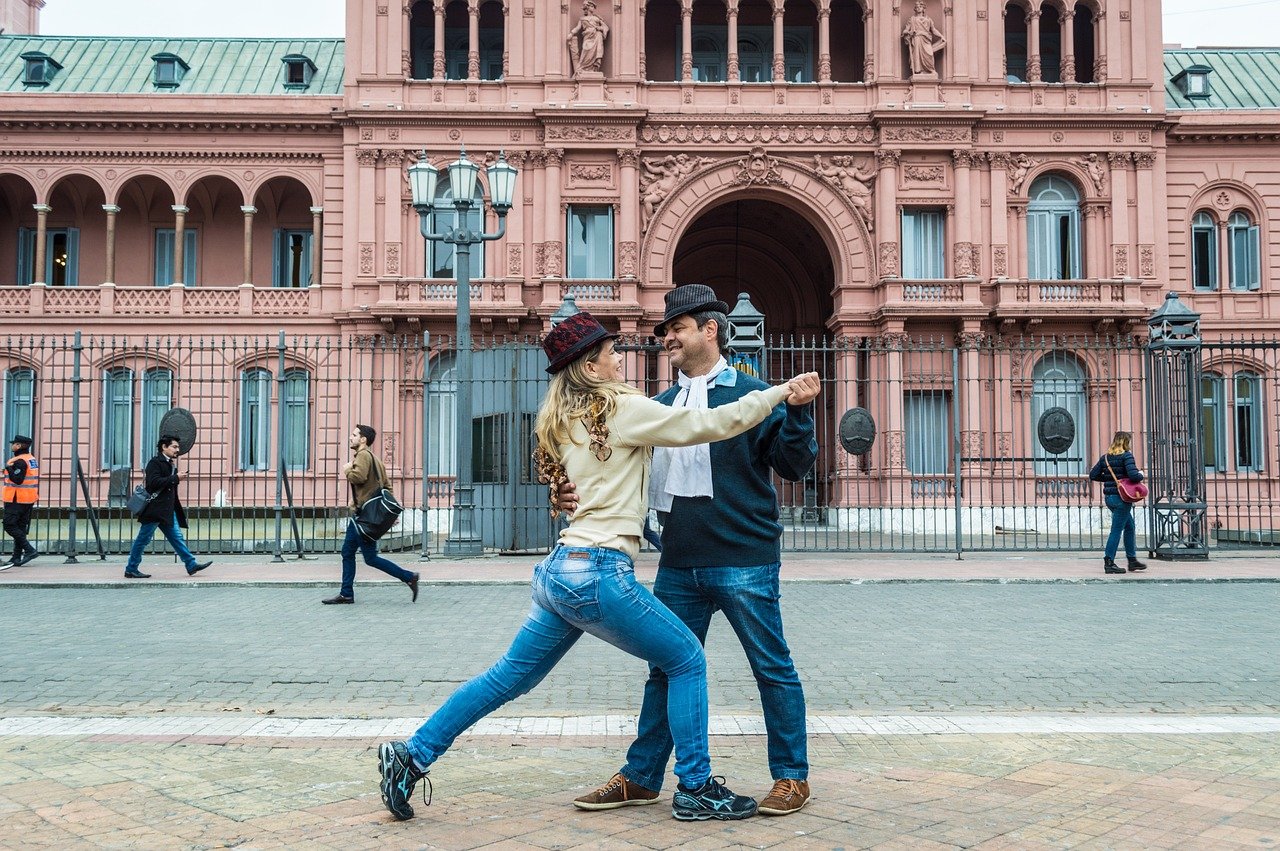
The history of Plaza de Mayo begins with the history of the city itself. Juan de Garay established his second founding of Buenos Aires here in 1580, laying out the classic Spanish colonial grid with the central plaza as its nucleus. For nearly three centuries it served as the Plaza Mayor — the commercial, administrative, and social heart of a colonial backwater that few in Madrid took seriously. That changed permanently on May 25, 1810, when the citizens of Buenos Aires gathered in this square to depose the Spanish viceroy and establish the Primera Junta, the first independent governing council of the Rio de la Plata. The date gave the square its enduring name, and the annual celebration of that moment — the Revolucion de Mayo — remains Argentina most important national holiday.
The square took its present unified form in 1884, when the Recova building that divided it into two sections was demolished, merging the Plaza de la Victoria and Plaza 25 de Mayo into one continuous space. The following century brought an extraordinary accumulation of historical moments: Peron addressed enormous descamisados crowds from the Casa Rosada balcony in the 1940s; demonstrators were fired on during the 2001 economic crisis; and for nearly two decades beginning in 1977, the Madres maintained their weekly Thursday vigil under the eyes of a military government that had made their children vanish. The Pirámide de Mayo — the slender white obelisk at the square centre — was the first national monument erected in Buenos Aires, inaugurated on the first anniversary of the May Revolution in 1811.
What to See at Plaza de Mayo
The Casa Rosada
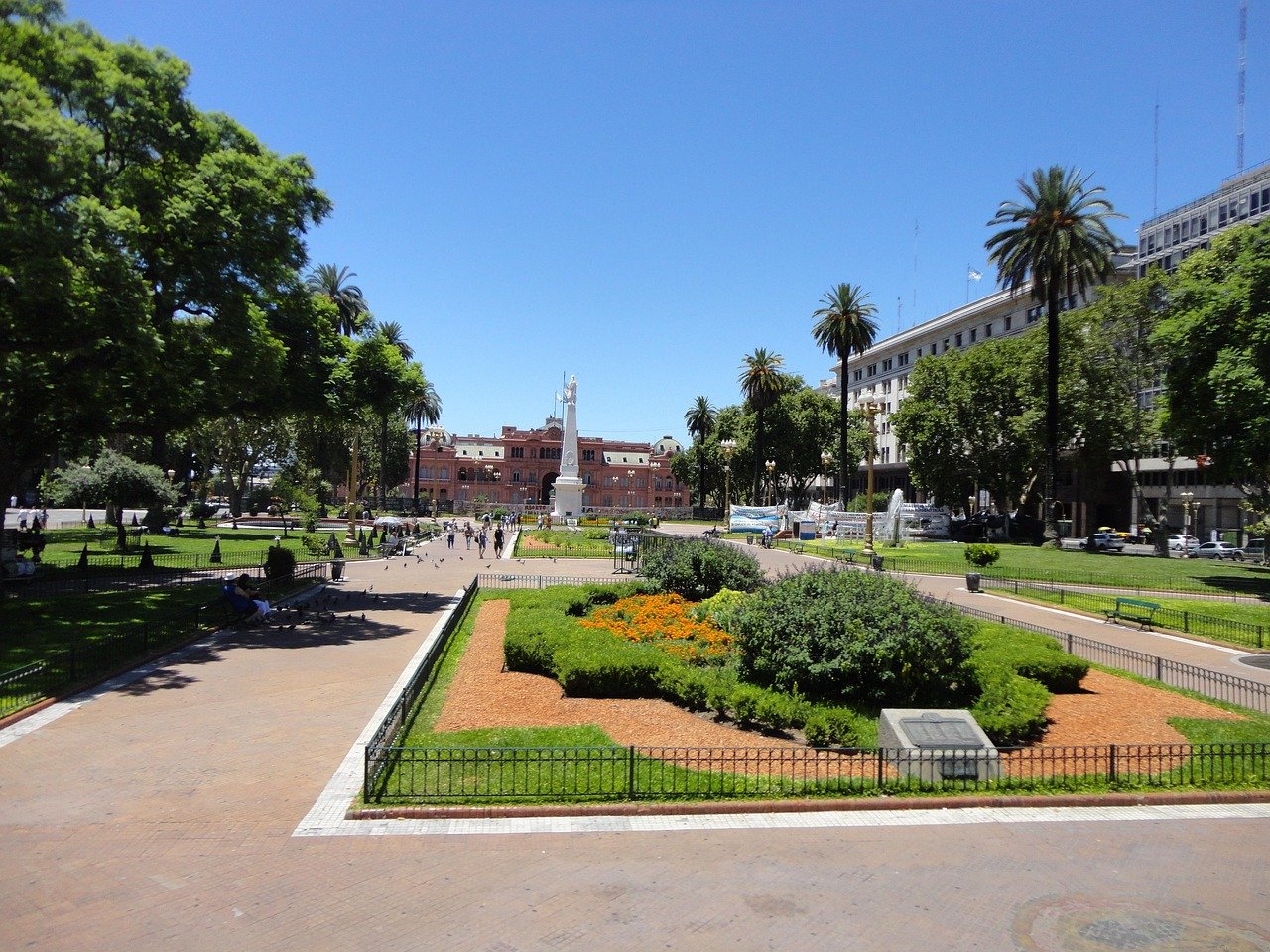
The salmon-pink Executive Mansion occupying the eastern end of the plaza is instantly recognisable and endlessly photographed. Its distinctive colour — achieved with a mixture of lime, blood, and ferrite oxide in 19th-century versions; now simply paint — has made it one of the world most recognisable government buildings. The current structure was completed in 1898, merging the old fort and the post office building into a single Italianate palace. Visitors can enter the presidential museum on the ground floor for free on weekends, exploring exhibits on Argentine heads of state from 1810 to the present. The balcony facing the plaza is where every president since the 1890s has addressed the nation — most memorably Peron calling out to his descamisados, and more recently, leaders addressing the crowds that gather here for every major political watershed. The changing of the guard takes place every hour on the hour.
The Pirámide de Mayo and the Madres
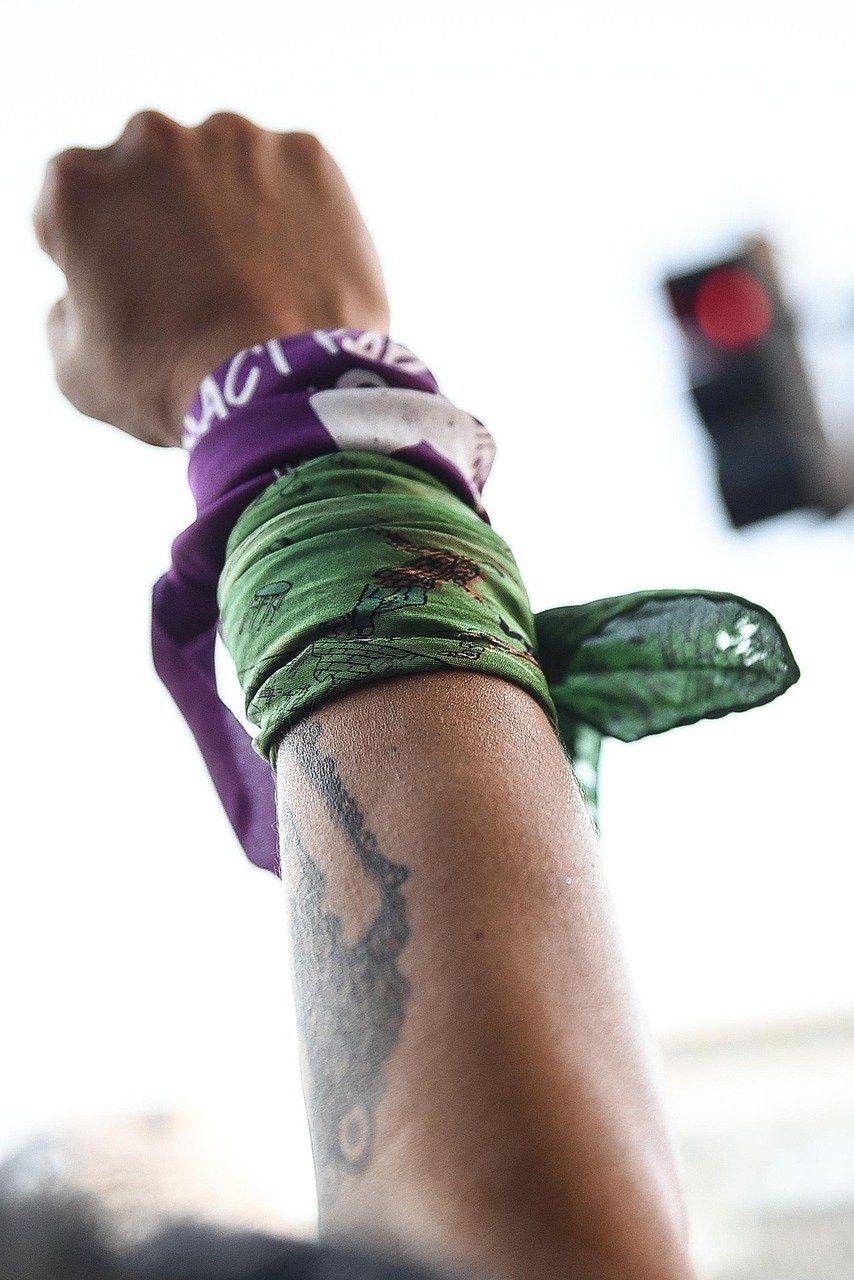
At the very centre of the plaza stands the Piramide de Mayo, a 13-metre white obelisk surrounded by a circle of white headscarves painted onto the pavement — the permanent symbol of the Madres de Plaza de Mayo. This group of mothers, whose children were kidnapped and killed by the military dictatorship between 1976 and 1983, began their silent Thursday marches around the pyramid in April 1977. It was a small act of extraordinary courage: in those years, any public gathering was dangerous. Today the Madres continue their Thursday march at 3:30 pm, and the white headscarf has become Argentina most powerful symbol of human rights resistance. The painted scarves on the pavement were added later as a permanent installation, ensuring that even when the Madres are not present, their mark remains on the plaza they made their own.
The Cabildo and Metropolitan Cathedral
Flanking the plaza are two additional historic structures that anchor the square in Buenos Aires deepest history. The Cabildo, the white colonial town hall at the western end of the square, is where the 1810 revolution was debated and decided — a building so central to Argentine identity that it appears on the country coat of arms. Today it houses a small museum of the May Revolution with colonial-era artefacts and documents. The Buenos Aires Metropolitan Cathedral, directly facing the north side of the square, is where Pope Francis — then Jorge Mario Bergoglio — celebrated mass for 20 years as Archbishop of Buenos Aires. The cathedral houses the mausoleum of General Jose de San Martin, the Liberator of Argentina, Chile, and Peru, making it one of the most visited religious sites in South America. Entry to both is free.
Local Insights
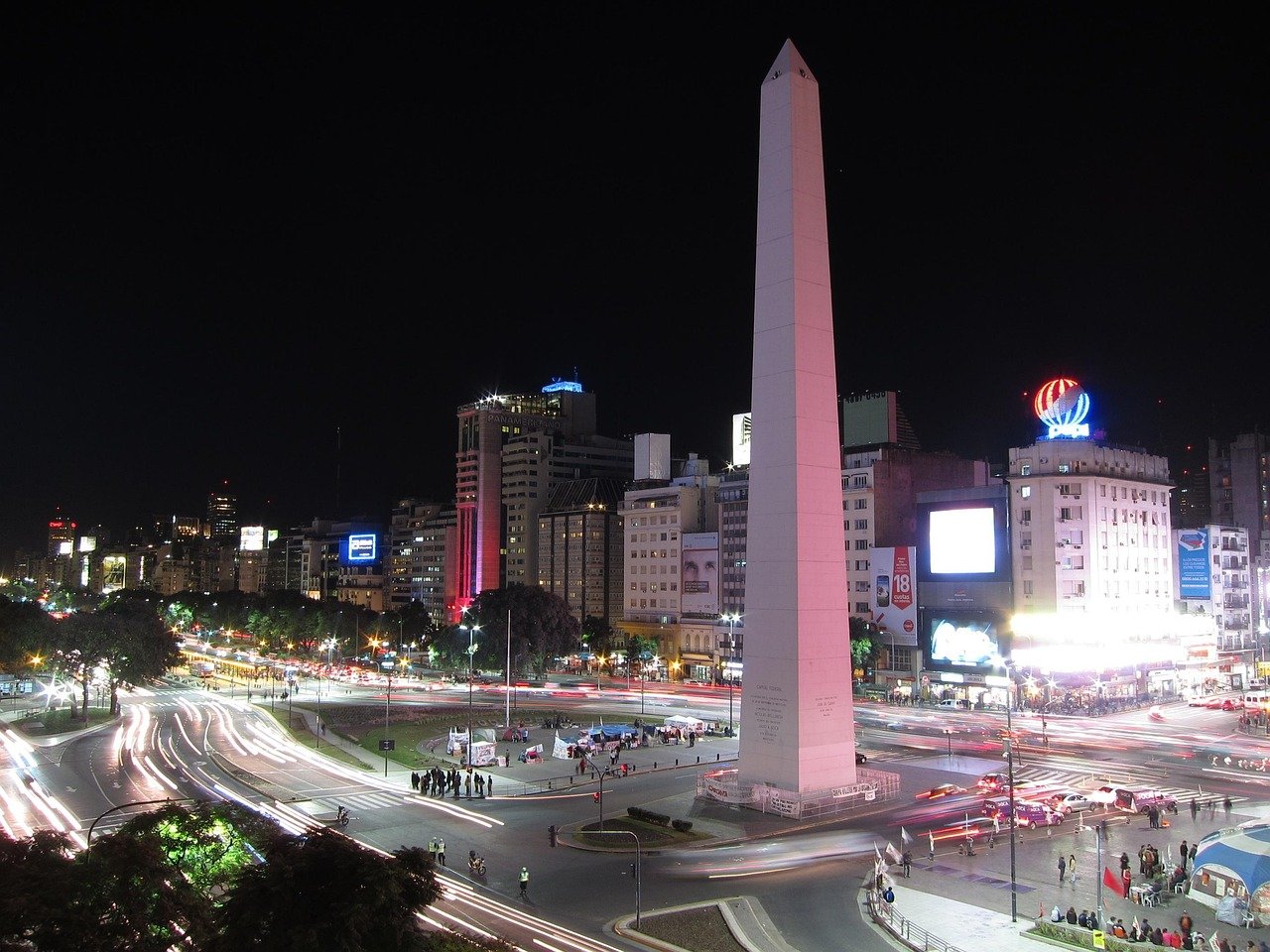
Get more from your visit to the Plaza de Mayo with these practical insider tips:
- Attend a Thursday Madres march: The Madres de Plaza de Mayo march every Thursday at 3:30 pm. Witnessing this event — even briefly — adds a dimension of living history that no museum exhibit can replicate. The women welcome respectful observers, and the march typically lasts 30–45 minutes around the Piramide de Mayo. Avoid standing directly in the march path; observe from the side.
- Time the Casa Rosada museum wisely: The presidential museum inside the Casa Rosada is free and open on weekends from 10 am to 6 pm (hours subject to change during official events). Weekday access is restricted to guided tours. Check the official Buenos Aires tourism website before visiting, as the building occasionally closes when government functions are in progress.
- Include the Manzana de las Luces: One block south of the plaza, the Manzana de las Luces (Block of Enlightenment) contains the oldest surviving colonial tunnels in Buenos Aires. Guided tours of the tunnels run several times daily and give fascinating insight into the city colonial and Jesuit past — an underrated complement to the plaza itself.
- Best light for photography: The Casa Rosada faces east, so it is best photographed in morning light. The plaza as a whole photographs well in the golden hour before sunset, when the buildings glow and the crowds thin. Midday light is harsh and the square fills with tour groups.
- Stay alert with belongings: The plaza attracts very large crowds, particularly around national holidays. Pickpocketing is a known risk in any crowded Buenos Aires public space. Keep bags zipped, avoid displaying expensive camera equipment carelessly, and be especially vigilant during political demonstrations when the crowd density increases significantly.
Planning Your Visit
- Tickets: Free admission. The plaza is an open public space with no entry charge. The Casa Rosada museum (weekends only) and Cabildo museum both offer free entry.
- Opening hours: The plaza is open 24 hours. The Cabildo Museum opens Tuesday to Friday 10:30 am to 5 pm, weekends 11:15 am to 6 pm. The Casa Rosada museum opens weekends 10 am to 6 pm. The Metropolitan Cathedral opens Monday to Friday 8 am to 7 pm, weekends 9 am to 7:30 pm.
- Best time: Weekday mornings offer the most peaceful visit. Thursday afternoons at 3:30 pm for the Madres march. Avoid major national holidays (May 25, July 9, October 17) if you dislike very large crowds.
- Duration: The plaza itself takes 30–45 minutes to explore thoroughly. Add 1 hour for the Cabildo museum and 1 hour for the Cathedral and San Martin mausoleum. A full circuit with the Casa Rosada museum requires 3–4 hours.
- Booking: No booking required for the plaza or cathedral. Guided tours of the Cabildo tunnels and Manzana de las Luces should be booked in advance via the Buenos Aires city tourism website.
Getting There
- Subte (Subway): Line A to Plaza de Mayo station (direct, exits onto the square); Line D to Catedral station (2-minute walk); Line E to Bolivar station (3-minute walk). The Subte costs around 650–800 ARS per journey (approx. USD 0.65–0.80 at current rates).
- By colectivo (bus): Dozens of bus routes serve the area. Lines 2, 4, 5, 10, 17, 22, 24, 28, 29, 45, 56, 60, 64, 70, 74, 86, 91, 93, 99, 105, 111, 115, 140, 143, and 152 all stop within two blocks of the plaza. Use the Moovit or Google Maps app to find the best route from your accommodation.
- By car: Parking around the plaza is extremely limited. Driving to the microcentro is not recommended — use a paid parking garage on Avenida Corrientes or Avenida de Mayo and walk the final stretch.
- Taxi/ride-share: Uber, Cabify, and local radio taxis all drop off at the plaza perimeter. Request drop-off on Hipolito Yrigoyen or Avenida de Mayo for the most direct access. The ride from Palermo takes approximately 20 minutes in normal traffic.
Frequently asked questions
Is Plaza de Mayo safe to visit?
Yes, Plaza de Mayo is generally safe during daytime hours and is visited by thousands of tourists and porteños daily. The area is well-policed given its political importance, and a visible police and security presence is maintained around the Casa Rosada perimeter at all times. Standard big-city precautions apply: keep valuables secured, avoid displaying expensive items, and be alert in crowded moments such as political demonstrations or national holiday celebrations. Evening visits are popular and the plaza is well-lit, but the surrounding microcentro streets become quiet after 9 pm on weekdays — stick to the well-trafficked main avenues if walking back to your accommodation after dark.
Can I visit the Casa Rosada interior?
Yes, on weekends you can visit the Museo de la Casa Rosada on the ground floor for free, which covers Argentine political history through artefacts, portraits, and documents from each presidential administration. Occasional guided tours of additional sections are offered and should be booked via the official government tourism portal. The balcony itself is not accessible to the public under normal circumstances. During official state events, the building may close to visitors entirely — check ahead if your visit falls on or near a major national date such as May 25 or July 9.
Who are the Madres de Plaza de Mayo and when do they march?
The Madres de Plaza de Mayo are a human rights organisation founded by mothers whose children were forcibly disappeared by Argentina military dictatorship between 1976 and 1983. They began their Thursday marches in April 1977, circling the Piramide de Mayo to demand information about the whereabouts of their children — a time when any public assembly was dangerous and many of their members were themselves kidnapped. They continue marching every Thursday at 3:30 pm. Their white headscarves (originally nappies tied on their heads to distinguish themselves) have become an international symbol of non-violent resistance and the fight against state terror.
What is the best way to combine Plaza de Mayo with other Buenos Aires attractions?
Plaza de Mayo sits at the heart of the historic microcentro, making it an excellent anchor for a walking tour of central Buenos Aires. From the plaza, Puerto Madero — the renovated port district — is a 10-minute walk east through the Casa Rosada arches. San Telmo, the tango neighbourhood, is a 15-minute walk south along Defensa. The Obelisco and Avenida 9 de Julio are 15 minutes west on foot. A single full day allows you to visit the plaza in the morning, walk to Puerto Madero for lunch, explore San Telmo in the afternoon, and finish the day at the Obelisco as the city lights come on at dusk.
What currency should I bring to visit Plaza de Mayo and surrounding attractions?
The Plaza de Mayo itself is free, and most surrounding attractions — the Cabildo, the Cathedral, and the Casa Rosada museum — charge no entry fee. However, if you plan to explore nearby cafes, restaurants, or shops in the microcentro, you will need Argentine pesos (ARS). The ARS has been highly volatile in recent years; check the current blue dollar rate before your trip and consider bringing USD cash to exchange, which typically yields a significantly better rate than exchanging at official bank counters. Many restaurants near the plaza now accept credit cards, but smaller food vendors and the colectivo bus network operate on pesos only. ATMs in the microcentro are widely available but dispense limited amounts per transaction.