
Phahurat Market (Little India)
Cross the footbridge over the canal from Pak Khlong Talat flower market and the smells change immediately: from cut flowers and damp leaves to cumin, coriander, and the hot fat of a deep-fryer making samosas. You are in Bangkok’s Little India, and the golden dome of the Sri Guru Singh Sabha gurudwara rising above the lanes of Phahurat Market announces this is not a superficial cultural overlay but a genuine community that has made this corner of Bangkok its own for well over a century.
History of Phahurat Market
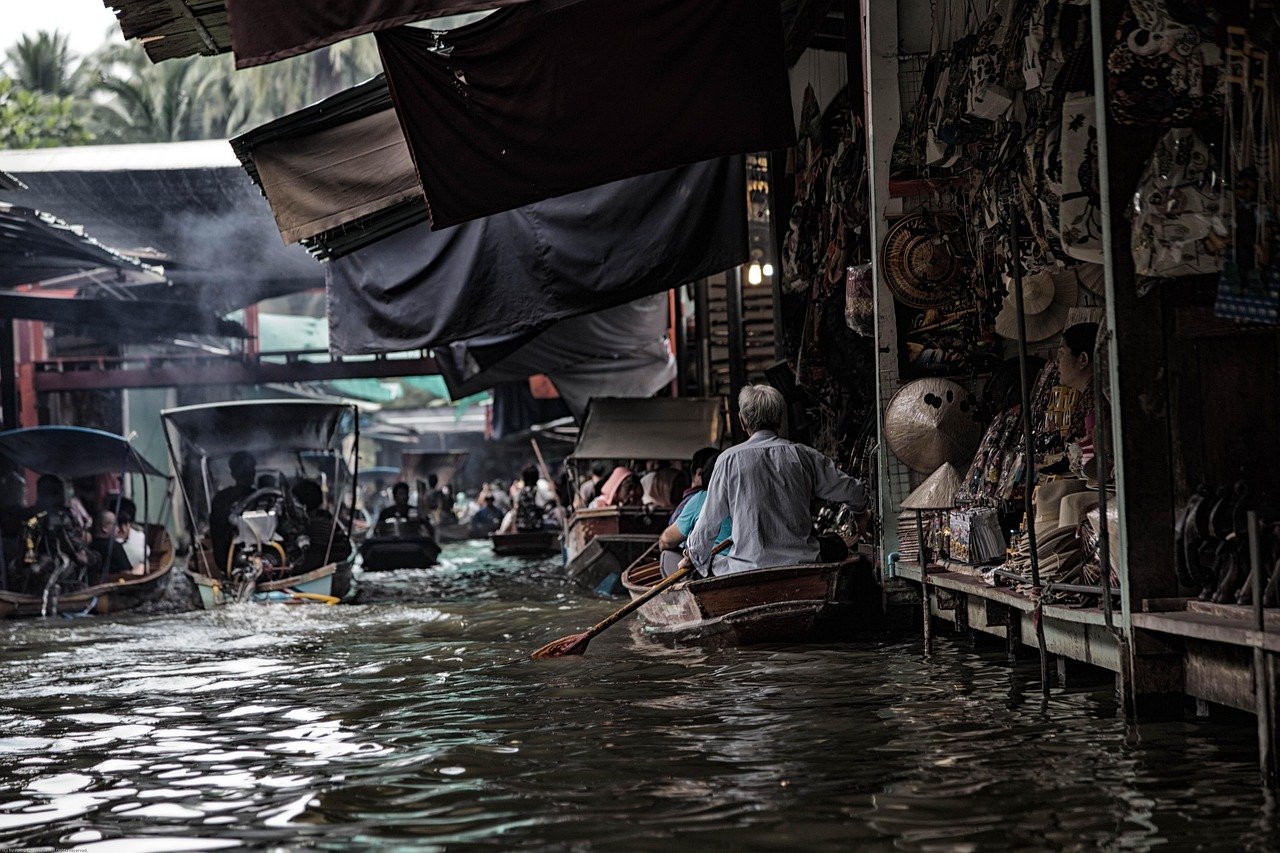
Indian immigration to Bangkok began in significant numbers during the reign of King Rama V (1868-1910), when Sikh merchants from Punjab arrived to engage in the textile trade. The king had recently opened Thailand to foreign commerce, and Indian merchants — particularly Sikhs with their established trade networks across Asia — found opportunities in the city’s growing economy. They settled in the area around Phahurat Road and established businesses that would anchor the community for generations.
The textile trade that the Sikhs pioneered made Phahurat Market the centre of Bangkok’s fabric industry. Merchants dealing in silks, cotton, polyester, lace, and embroidery filled the narrow lanes, supplying Thai tailors and fashion makers from across the country. Today the market retains this character: it is primarily a wholesale and retail fabric market, deeply practical in character, where Thai dress-makers and costume designers come alongside tourists browsing the extraordinary variety of cloth on offer.
What to See
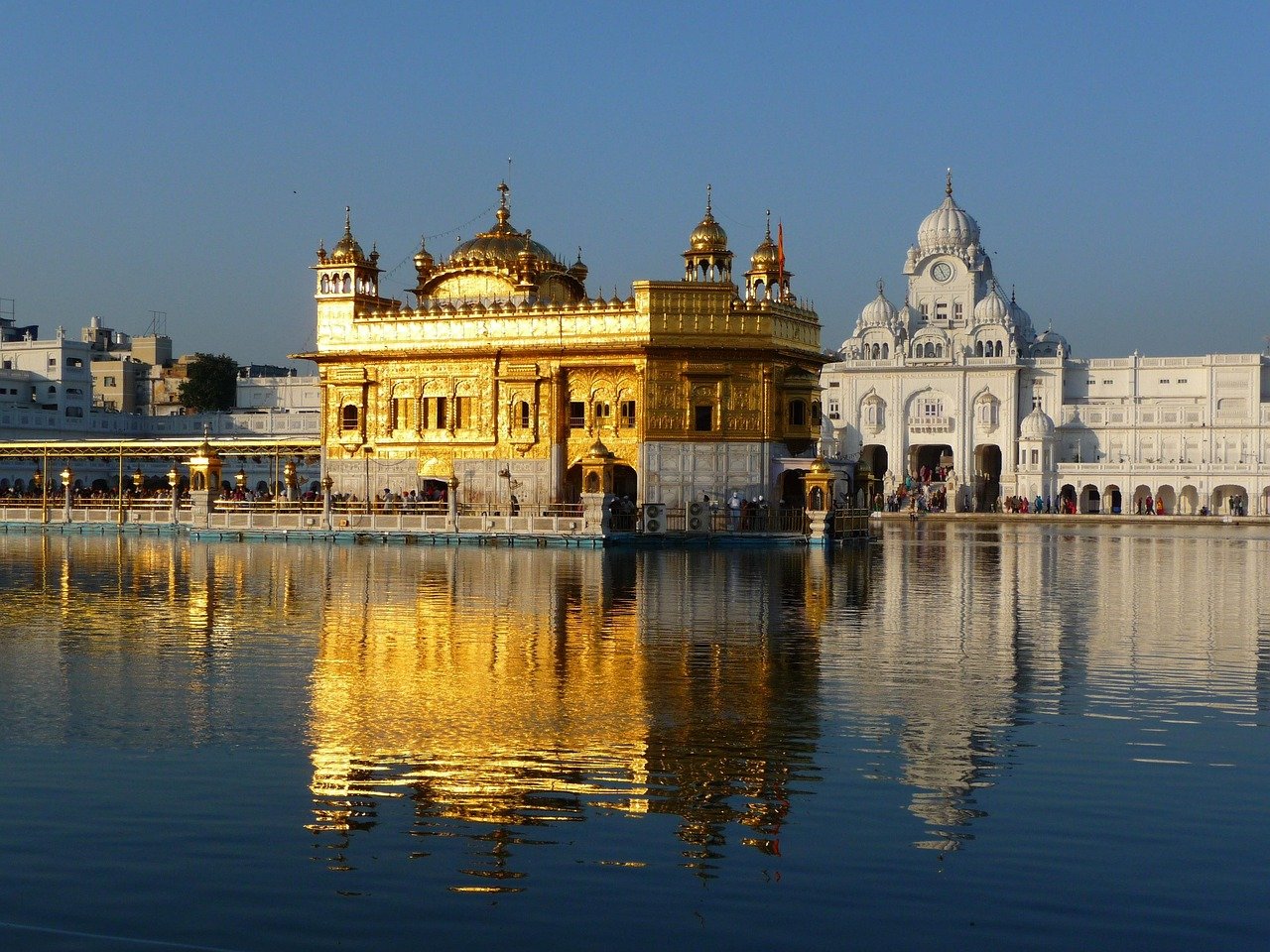
The Sri Guru Singh Sabha gurudwara (Sikh temple) is the spiritual heart of the community and one of the largest gurdwaras outside India. Its gold-painted dome rises visibly above the market lanes. Non-Sikh visitors are welcome to enter; the requirement is to remove shoes, cover your head (scarves are provided at the entrance), and observe the customary reverence. Inside, the Granth Sahib (Sikh holy scripture) is read continuously while devotees come and go. The langar (free community kitchen) serves vegetarian meals to anyone who presents themselves — a fundamental Sikh practice of equality and hospitality.
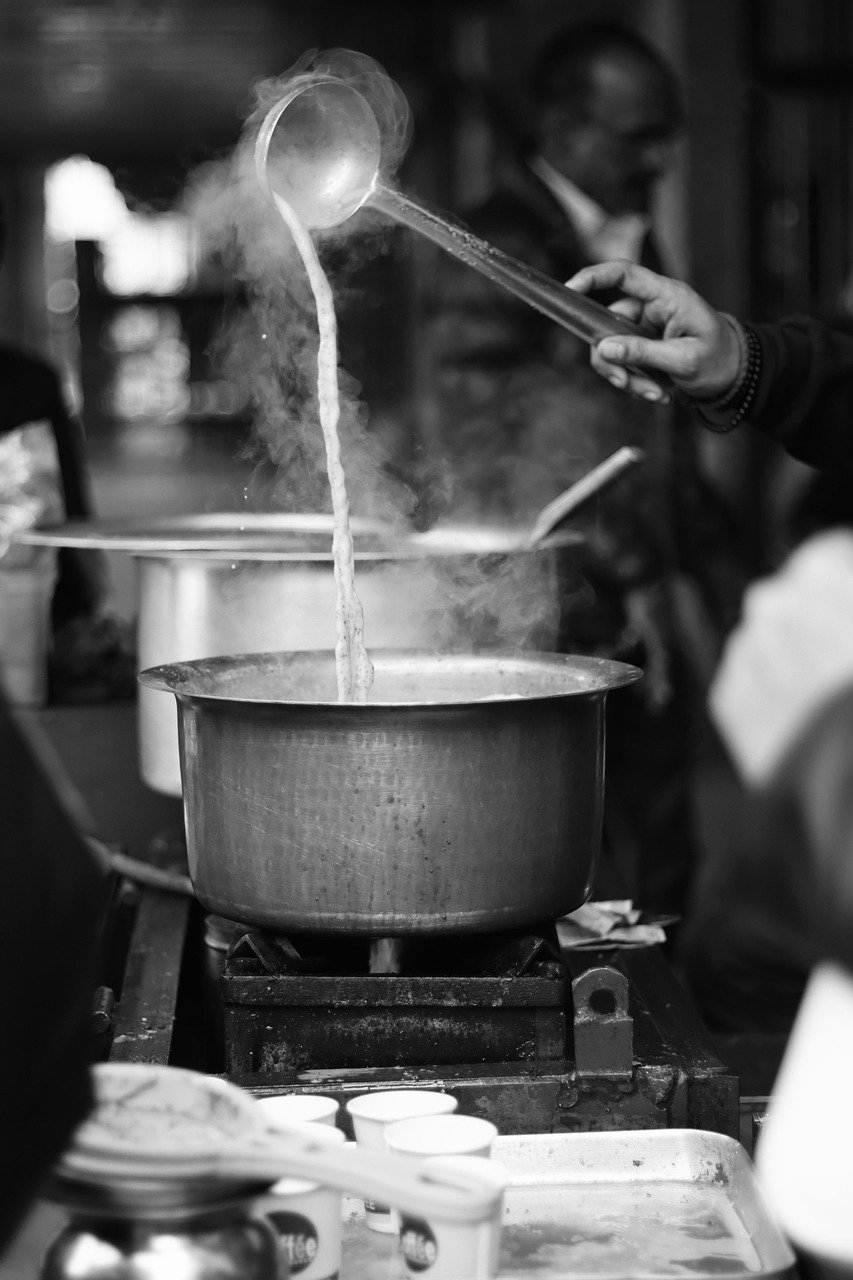
The market itself is a labyrinth of narrow passages lined with shops selling fabrics, lace, rhinestones, buttons, embellishments, and sewing accessories. Prices are low and quality is high for those who know what they’re looking for. Beyond textiles, Phahurat has excellent Indian food available throughout the day: samosas, jalebi, biryani, dosa, and the excellent sweet milky Indian chai that makes this area’s cafes a rewarding contrast to Bangkok’s otherwise coffee-dominated cafe culture.
The Indian Food Scene

Phahurat is the best place in Bangkok for authentic Indian food. The India Emporium building provides a more organised and air-conditioned version of the market experience, with stalls selling textiles alongside a well-regarded food court upstairs serving North and South Indian dishes. Outside on the streets, numerous small restaurants and food carts serve the community and those who know to come here. Chaat (fried snacks), fresh naan, vegetarian thali, and various curry dishes are all available at prices that compare favourably with restaurants outside the area.
The interaction between Indian and Thai culinary traditions in Phahurat has produced some interesting hybrid dishes that you won’t find elsewhere in the city. The Thai adaptations of Indian street food — slightly sweetened versions of masala chai, samosas with a distinctly Thai dipping sauce — are evidence of a community that has been fully integrated into Bangkok’s food culture while maintaining its own distinct character.
Practical Information
- Entry: Free to browse the market
- Market hours: Most shops open approximately 9:00-18:00 daily; some close Sunday
- Best time to visit: Weekday mornings for the most manageable crowds; avoid lunchtime when Thai dress-makers are shopping
- Duration: 1-2 hours for the market, gurudwara visit, and a meal
- Bargaining: Expected for textiles; fixed prices at food stalls
Local Insights
What locals know that guidebooks don’t always tell you:
- The free langar (community meal) at the gurudwara is open to all visitors – it is a genuinely moving experience of Sikh hospitality and the food is excellent.
- The best samosas in Bangkok are found at small stands near the gurudwara entrance; look for the place with a queue of Sikhs and you’ve found the right one.
- Phahurat is adjacent to the Pak Khlong Talat flower market and Chinatown (Yaowarat) – combining all three makes an excellent half-day exploring Bangkok’s ethnic enclaves.
- For textiles, wholesale prices require purchasing in quantity (typically a minimum of 2-5 metres); retail prices are available for smaller amounts but are significantly higher.
- The India Emporium building has the best English-speaking vendors and is the easiest place to start for visitors unfamiliar with Indian fabrics.
Getting There
- By boat: Chao Phraya Express Boat to Rajawongse Pier (N3) – a short walk to Phahurat Road
- By MRT: Sanam Chai station on the Blue Line; 15-minute walk
- On foot: 15 minutes from the Grand Palace; 10 minutes from Pak Khlong Talat flower market
- By tuk-tuk/taxi: Ask for Phahurat Road or the Sri Guru Singh Sabha gurudwara as landmarks
Frequently asked questions
Can non-Sikhs visit the gurudwara?
Absolutely – Sikh gurudwaras welcome all visitors regardless of faith. Requirements are simple: remove shoes before entering, cover your head (scarves are provided at the entrance), and behave respectfully. The langar (free community meal) is open to everyone.
Is Phahurat Market suitable for bargaining?
Yes for textiles and market goods; no for food. Textile prices are often starting points for negotiation, especially if you are buying larger quantities. Be polite and patient; aggressive bargaining is not appreciated.
What textiles should I look for at Phahurat?
Thai silk, Indian cotton prints, silk-cotton blends, lace, embroidery materials, and costume fabrics are all available at good prices. If you are making or having made traditional Thai or Indian clothing, this is the best source of fabric in Bangkok.
Is the food at Phahurat halal?
The gurudwara langar is fully vegetarian. Many of the Indian restaurants in Phahurat are run by Hindu or Sikh merchants and serve vegetarian menus or specify their meat sourcing. Muslim-operated halal restaurants are also present in the area.
What are the best things to buy at Phahurat?
Quality Indian spices and condiments (cardamom, saffron, rose water, ghee) at excellent prices; Indian sweets including jalebi, barfi, and ladoo; fabric and sewing accessories; Indian music CDs and religious items.