
Petropolis
Petropolis is a mountain city that served as the summer capital of Brazil under the imperial court, a place of regal heritage and cool alpine air offering a complete contrast to the tropical heat of Rio de Janeiro just 68 kilometres away. The city sits at 838 metres altitude in the Serra dos Orgaos mountains, its streets lined with grand 19th-century mansions, flowering gardens, and elegant canals that give it a distinctly European character. The remarkable Imperial Museum, housed in the original summer palace of Emperor Dom Pedro II, is the centrepiece of a city that feels like stepping back into Brazil imperial golden age.
History of Petropolis
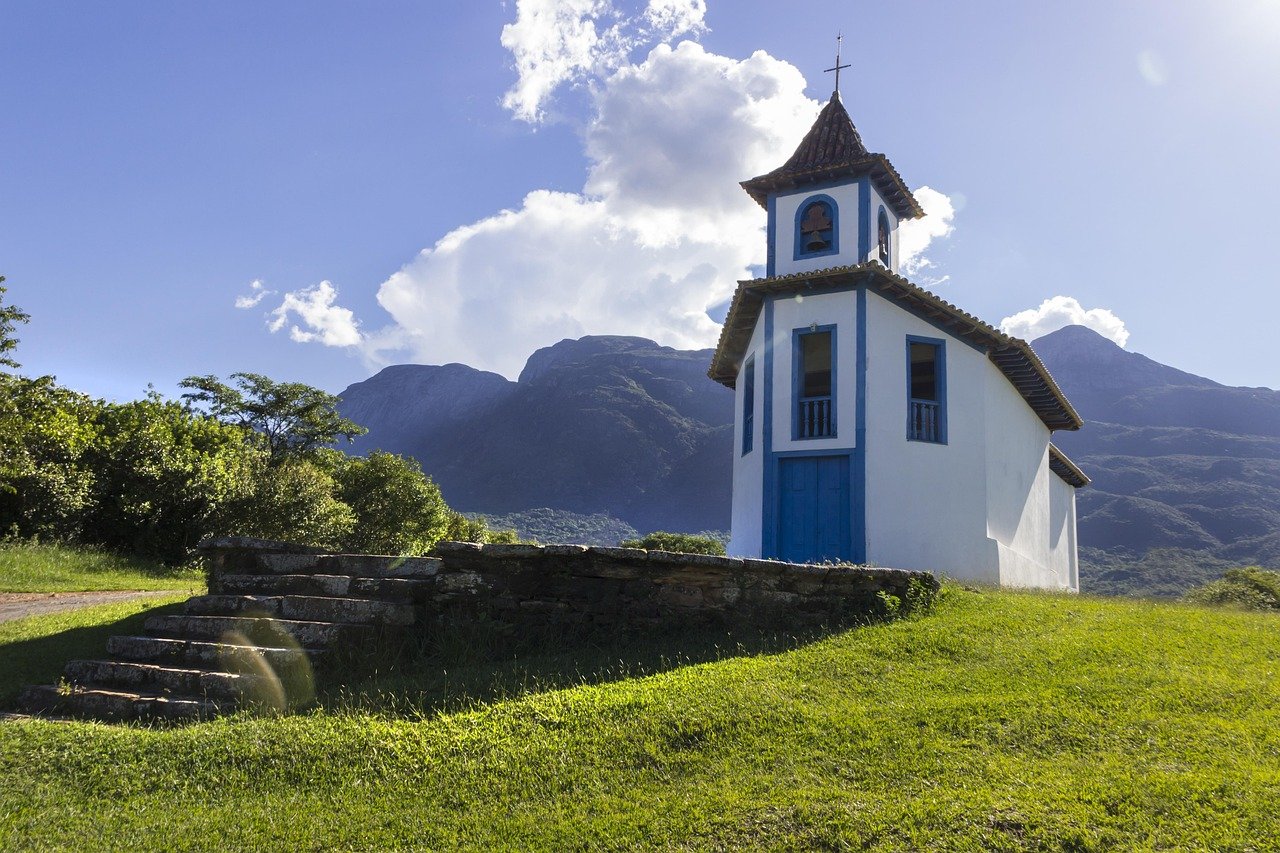
Petropolis was founded in 1843 by Emperor Dom Pedro I, who began purchasing land in the mountains above Rio de Janeiro to create a summer retreat away from the tropical heat and disease of the coastal city. The town was developed with German immigrant settlers, and their architectural influence can still be seen in the distinctive chalets and half-timbered houses that line many streets. The city became the de facto summer capital of the Brazilian Empire, with the royal court, foreign embassies, and government ministries all relocating here during the hot months.
After the fall of the Brazilian monarchy in 1889, Petropolis continued to attract the Brazilian elite and foreign visitors as a resort city. The city gained further historical significance as the birthplace and long-time residence of aviation pioneer Alberto Santos-Dumont, who claimed to have made the first powered aircraft flight and whose extraordinary mountain home is open to visitors.
What to See in Petropolis

The Imperial Museum is housed in the original summer palace of Dom Pedro II and contains an extraordinary collection of imperial artefacts, including the crown jewels, the imperial throne, state carriages, and the personal belongings of the royal family. The palace gardens are beautifully maintained and free to enter even without a museum ticket. The Cathedral of Sao Pedro de Alcantara nearby contains the tomb of Dom Pedro II and Empress Teresa Cristina.
Casa Santos-Dumont, the eccentric mountain cottage of aviation pioneer Alberto Santos-Dumont, is a fascinating architectural curiosity where every detail reflects the inventor mind. The Imperial Crystal Palace, built for Princess Isabel, hosts regular concerts and exhibitions. The Rua Teresa pedestrian street is lined with antique shops, chocolatiers, and historic cafes perfect for an afternoon stroll.
The Mountain Setting and Nature

The Serra dos Orgaos National Park surrounds Petropolis and offers some of the most dramatic mountain scenery in southeastern Brazil. The park takes its name from the organ pipe rock formations that protrude dramatically from the forested ridges, including the famous Dedo de Deus (Finger of God) peak at 1,692 metres. Hiking trails of all difficulties thread through the park, from gentle forest walks to technical climbing routes up sheer rock faces.
The area is also famous for its chocolate, with several artisanal chocolate makers and tea rooms operating in the historic centre. The cooler climate supports production of strawberries and flowers, and the regular farmers market in the city centre is an excellent place to sample local produce alongside Rio de Janeiro state residents who use Petropolis as a weekend escape from the city heat.
Practical Information
- Tickets: Imperial Museum BRL 25 adult, BRL 12 reduced; Casa Santos-Dumont BRL 10; Cathedral free
- Opening hours: Imperial Museum Tuesday-Sunday 11am-6pm; Casa Santos-Dumont Tuesday-Sunday 9:30am-5pm
- Best time to visit: April to September for clearest weather; December to March can bring heavy rain
- Duration: Full day minimum; ideally an overnight stay to fully explore the city
- Booking: No advance booking required for most attractions; accommodation should be booked ahead for weekends
Local Insights
What Petropolis visitors and local guides always recommend:
- Take the horse-drawn carriage tour through the historic centre for an atmospheric introduction to the city
- The Imperial Museum cafe serves excellent coffee and traditional Brazilian sweets in the palace gardens
- Visit on a weekday to avoid the weekend crowds from Rio de Janeiro who pack the city every Saturday and Sunday
- The chocolate shops on Rua Teresa are a delight – look for the artisanal truffles and local specialties
- Stay overnight to experience Petropolis at its most magical, when the evening mist rolls in from the mountains
Getting There
- By bus: Util company buses depart from Rio Rodoviaria Novo Rio approximately every 30 minutes; journey takes about 1.5 hours
- By car: Approximately 68 km from Rio de Janeiro via the BR-040 highway; the mountain road can be foggy – drive carefully
- From downtown Rio: Take Metro to Rodoviaria Novo Rio then bus to Petropolis
- Organised tour: Many Rio tour operators offer day trips to Petropolis including transport and a guided tour of the Imperial Museum
Frequently asked questions
Can I visit Petropolis as a day trip from Rio de Janeiro?
Yes – the journey by bus takes about 1.5 hours from Rio bus station, making it manageable as a day trip. However, an overnight stay is recommended to fully explore the city and enjoy it after the day-trippers have left.
What is the best attraction in Petropolis?
The Imperial Museum in the former summer palace of Dom Pedro II is the unmissable highlight, containing the crown jewels and an extraordinary collection of imperial artefacts in beautifully preserved rooms.
Is Petropolis cold?
Petropolis is significantly cooler than Rio de Janeiro, with temperatures typically 8-10 degrees lower. In winter (June-August) nights can drop to around 5-8 degrees Celsius. Pack a jacket even if you are visiting from nearby Rio.
What is Petropolis famous for apart from the Imperial Museum?
Petropolis is also famous for its chocolate production, the house of aviation pioneer Santos-Dumont, the Serra dos Orgaos National Park with its dramatic rock formations, and its German immigrant heritage that gives many streets a distinctly European character.
Is the Serra dos Orgaos National Park worth visiting near Petropolis?
Absolutely – the park offers dramatic mountain scenery, hiking trails of all difficulty levels, and the famous Dedo de Deus rock formation. It is particularly rewarding for outdoor enthusiasts and nature lovers visiting the Petropolis area.