
Pelourinho
Step off the modern world and into a living museum when you enter Pelourinho, the beating cultural heart of Salvador, Bahia. Cobblestone lanes wind between five-story mansions painted in tropical yellows, blues, and terracottas — buildings whose walls have absorbed four centuries of history, from the cruelty of the transatlantic slave trade to the explosive joy of Carnival. Percussion echoes through every alley. The smell of acarajé drifts from corner braziers. At dusk, when the late light turns the baroque facades gold, you understand why UNESCO inscribed this place on its World Heritage List in 1985 — and why travelers who come for an afternoon often find themselves still here at midnight. Salvador is the third-largest city in Brazil, home to more than 2.9 million people, and Pelourinho sits at the spiritual center of a metropolis that identifies itself as the African capital of the Americas. The culture, the faith, the food, and the music you encounter here cannot be found at the same intensity anywhere else in the country.
History of Pelourinho
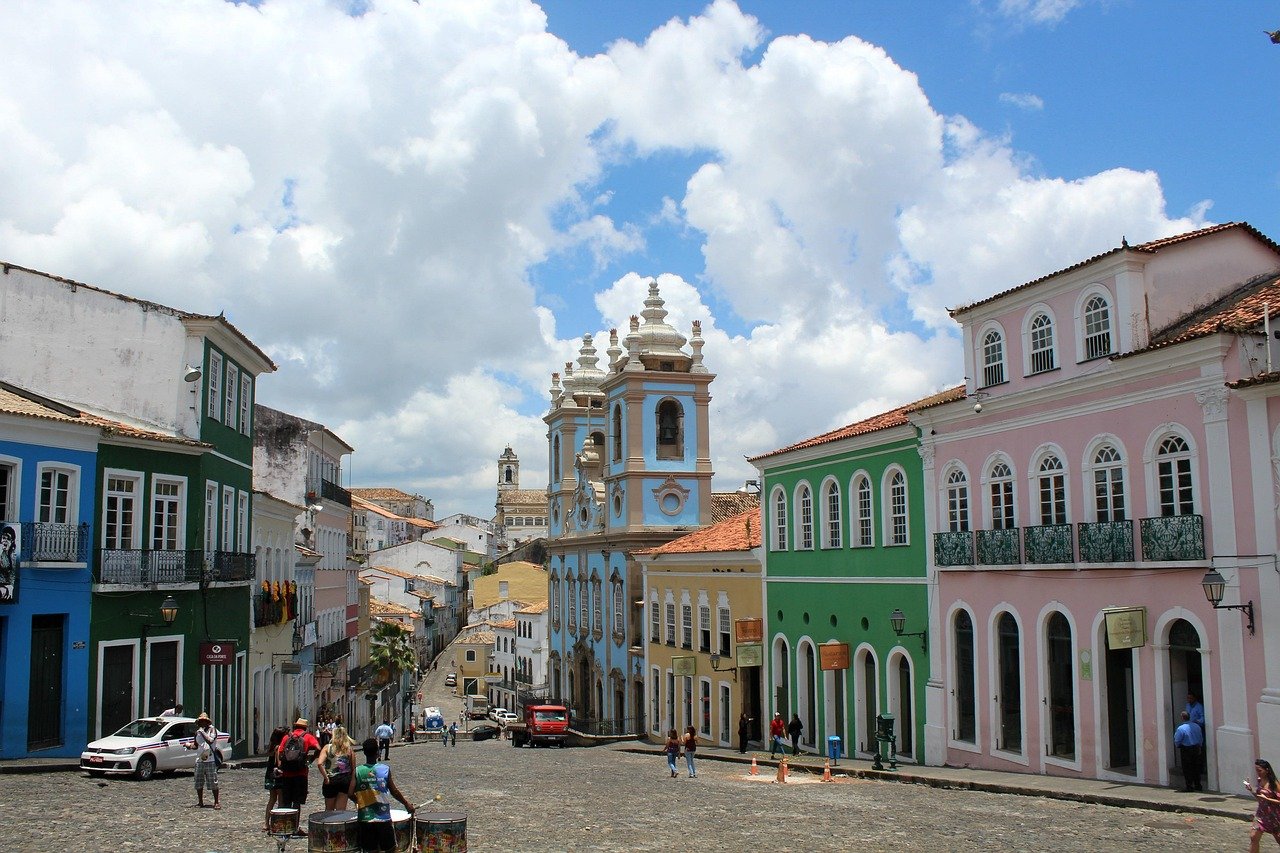
The name Pelourinho comes from the Portuguese word for “pillory” — the stone post that once stood in the central square where enslaved Africans were publicly punished after being sold in the markets below. Founded as Brazil’s first capital in 1549, Salvador was for over three centuries the principal port of the transatlantic slave trade in the Americas, importing an estimated 1.3 million people from West and Central Africa. The architectural wealth that survived — the gilded churches, the merchant palaces, the Jesuit academies — was built on the suffering of enslaved labor. The history here is inseparable from the beauty, and that moral weight is exactly what makes Pelourinho unlike any other colonial district in the world.
By the late 20th century, decades of neglect had reduced much of the upper city to near ruin. A sweeping restoration program beginning in the early 1990s — controversial for the mass displacement of poor residents — transformed the crumbling blocks into what visitors see today. The Afro-Brazilian cultural institutions that remain give the neighborhood its soul: the Museu Afro-Brasileiro, the Fundação Casa de Jorge Amado, and most famously the headquarters of Olodum, the percussion group whose global fame brought the rhythm of Salvador to the ears of the entire planet. Today Pelourinho occupies a complex position — a thoroughly touristic zone that is also genuinely alive with local culture, faith, and music every single day of the year.
What to See at Pelourinho
Igreja de São Francisco and the Convent
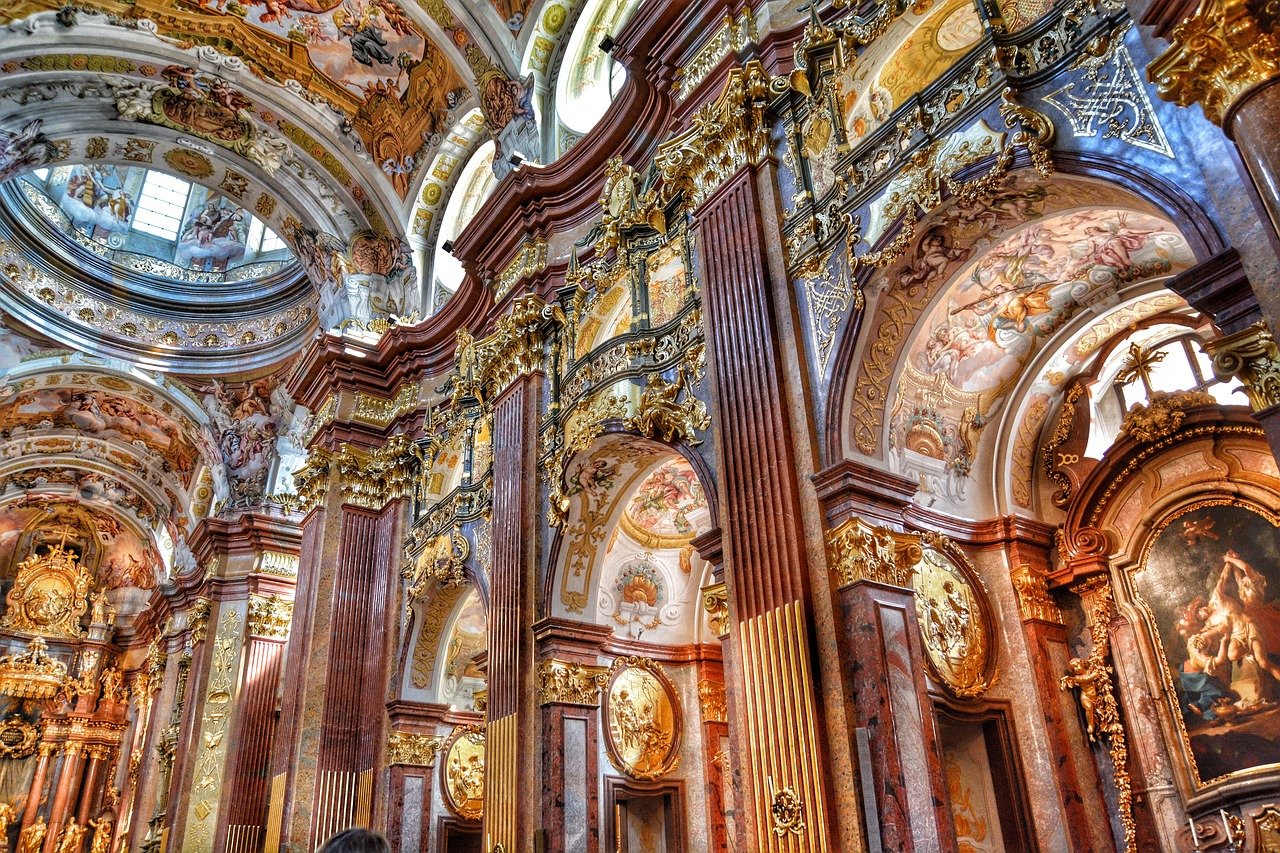
No single structure in Brazil is more breathtaking inside than the Igreja de São Francisco, completed in the early 18th century. The nave appears to drip with gold: an estimated 800 kilograms of gold leaf coat the carved woodwork from floor to vault, every surface alive with cherubs, grapes, and symbolic imagery executed with manic precision by Indigenous and African craftsmen under Portuguese direction. The adjoining cloister is lined with 37 stunning blue-and-white azulejo tile panels depicting scenes from the life of Saint Francis — one of the finest collections of Portuguese tilework outside of Lisbon. Entry costs around R$35 (~USD $7). Plan at least 45 minutes here; the sacristy alone deserves unhurried attention. Photography is permitted without flash, and the morning light through the side windows is extraordinary.
Terreiro de Jesus and the Cathedral Basilica
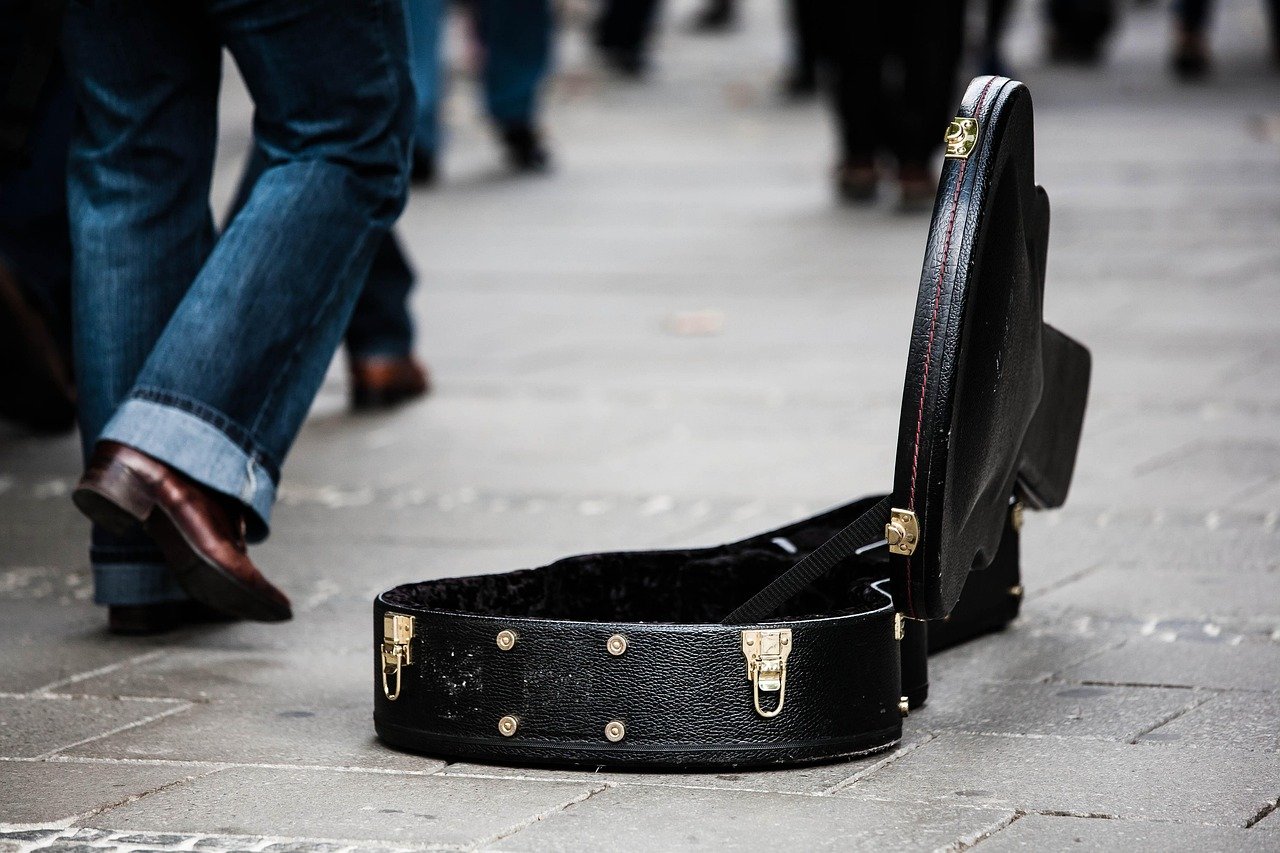
The wide square of Terreiro de Jesus is Salvador’s grand living room — part open-air theater, part cultural crossroads. The Cathedral Basilica (Catedral Basílica de Salvador), which was originally a Jesuit church, anchors the square with its imposing Portuguese-Renaissance facade. Inside, the nave is lined with rare blue-veined marble quarried in Portugal and shipped across the Atlantic in the 17th century. On the square itself, you will find street performers demonstrating capoeira, the Afro-Brazilian martial art disguised as dance that was invented under slavery as a way to train combat while appearing to play. Vendors sell Bahian street food and handmade lace. On Tuesday evenings, the Terça da Benção (Blessing Tuesday) festival transforms the streets into an open-air concert of live forró and axé music that draws crowds of locals and travelers alike from around 6pm until well past midnight.
Museu Afro-Brasileiro and Cultural Institutions
Pelourinho’s cultural institutions deserve at least half a day. The Museu Afro-Brasileiro (MAFRO), housed in a former medical school, holds one of the most important collections of African and Afro-Brazilian art and artifacts in South America — wooden carvings of orixás (Yoruba deities central to the Candomblé religion), intricate beadwork, bark cloth, and ceremonial objects of haunting beauty. Entry is around R$20 (~USD $4). A block away, the Fundação Casa de Jorge Amado celebrates Brazil’s most beloved novelist, whose books — including Gabriela, Clove and Cinnamon and Dona Flor and Her Two Husbands — immortalized the spirit and sensuality of Bahia. The Olodum headquarters on Rua Gregório de Matos offers live percussion rehearsals (usually Tuesday and Thursday evenings, free to watch from the street) that are among the most electrifying free experiences anywhere in Brazil.
Candomblé, the Afro-Brazilian religion brought to Bahia by Yoruba, Ewe, and Fon enslaved people, permeates Pelourinho’s atmosphere even when you do not immediately recognize it. The white-clad women selling street food are often initiates; the flowers left at street corners are offerings to orixás; the rhythm of certain drums signals a ceremony in progress nearby. The Casa do Carnaval museum, housed in a beautifully restored 18th-century building on Rua Gregório de Matos, offers a vivid year-round exhibition on Salvador’s Carnival traditions, the blocos afro (African percussion groups), and the evolution of axé music. The Museu da Misericórdia, set inside a 16th-century building near the Cathedral, displays one of Salvador’s finest collections of sacred baroque art and ecclesiastical silver — a counterpart to the street-level cultural vibrancy outside its doors. Together these institutions make Pelourinho one of the richest five-block areas for cultural learning anywhere in Latin America.
Local Insights
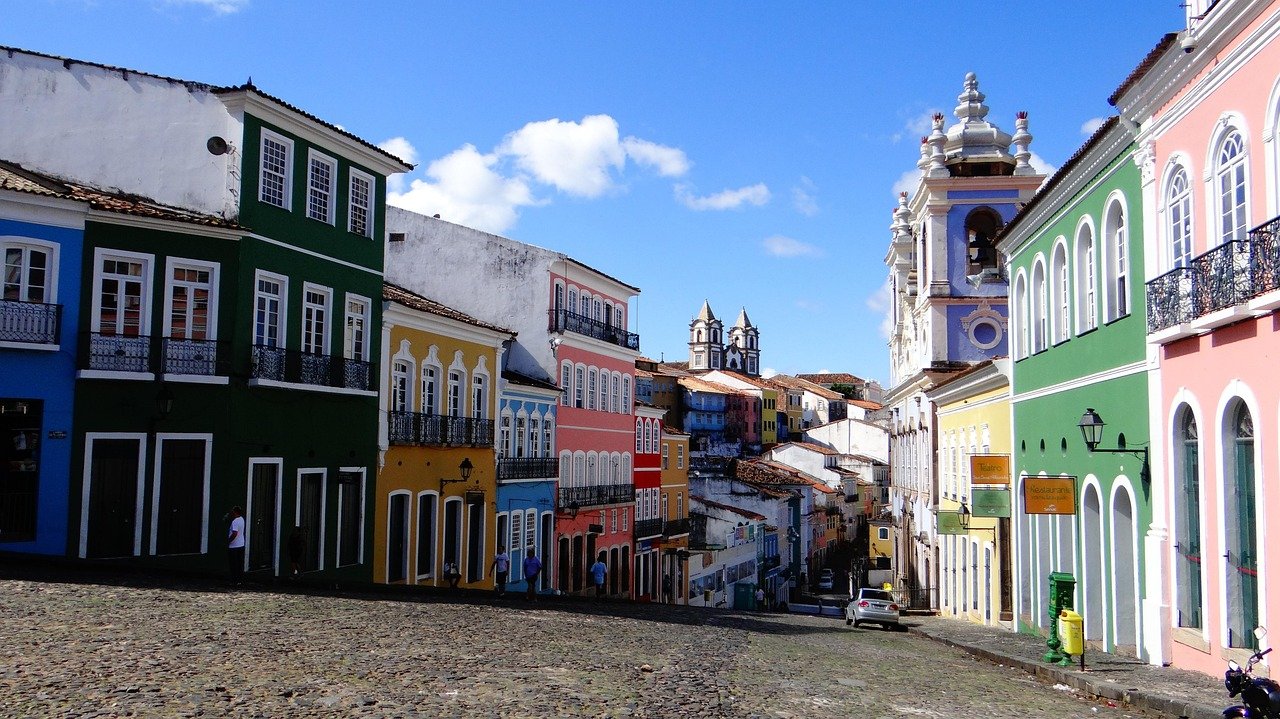
These insider tips will help you get far more out of Pelourinho than the average visitor.
- Arrive before 9am for golden-hour photography. The steep cobblestone lanes of Rua do Carmo and Ladeira do Carmo are virtually empty early in the morning, the facades ablaze in warm light. By 10am tour groups begin arriving and the intimate atmosphere disappears. Bring a wide-angle lens if you have one — the streets are too narrow for a telephoto.
- Eat acarajé from a Baianas de Acarajé, not a restaurant. The traditional black-eyed-pea fritters deep-fried in dendê palm oil are dramatically better from street vendors dressed in the traditional white lace of the Baianas. Look for Dinha on Largo da Santana — her acarajé with vatapá, shrimp, and caruru is legendary. Prices are around R$12–18 (~USD $2.50–3.50) per serving.
- Tuesday evenings are the best night to visit. The Terça da Benção festival (Blessing Tuesday) begins around 5:30pm at the Igreja Nossa Senhora do Rosário dos Pretos on Pelourinho square and evolves into a street party across the entire neighborhood. It’s free, authentically local, and represents the area at its most alive.
- Be extra alert with valuables in crowded festival settings. Pelourinho is generally safe during the day in the tourist core, but festival nights draw large crowds and pickpockets operate. Use a front-pocket wallet or money belt, leave expensive cameras secured at the hotel, and avoid wandering down unlit side streets after dark, particularly east of Rua das Laranjeiras.
- Use Uber or 99 from the Barra neighborhood — it’s vastly cheaper than tourist taxis. The 99 app (Brazil’s main ride-share) typically charges R$18–25 (~USD $3.50–5) from Barra to Pelourinho, versus R$60–80 (~USD $12–16) for an official taxi hailed at Pelourinho itself. Download 99 before you arrive in Salvador.
Planning Your Visit
- Tickets: The neighborhood is free to walk. Igreja de São Francisco: R$35 (~USD $7). Museu Afro-Brasileiro: R$20 (~USD $4). Fundação Casa de Jorge Amado: R$15 (~USD $3). Cathedral Basilica: free. Budget R$70–100 (~USD $14–20) for all paid sites.
- Opening hours: Most churches open 8am–noon and 2pm–5pm daily. MAFRO: Tue–Fri 9am–5pm, Sat–Sun 10am–4pm. The streets themselves are lively 24/7 during festivals; quietest Monday mornings.
- Best time: Visit October–February for warm, relatively dry weather (though Salvador is humid year-round). Tuesday evening Terça da Benção is the single best night. Carnival (February/March) brings an overwhelming, extraordinary festival atmosphere that should be booked months in advance.
- Duration: Allow a full day: 2–3 hours for churches and museums in the morning, lunch, then an afternoon for wandering and shopping, staying for the Tuesday evening festival if timing allows.
- Booking: No advance booking required for most sites. For guided Candomblé ceremony experiences, book through accredited cultural organizations at least 48 hours ahead. Museum visits can be walk-in.
Getting There
- Bus: Salvador’s urban bus network covers the historic center well. Lines 002, 003, and Lacerda area buses run from the lower city (Comércio) to the upper city (Pelourinho). City buses cost around R$4.50 (~USD $0.90). The Lacerda Elevator — a historic public funicular connecting the lower and upper cities — costs R$0.15 and is a sight in itself.
- By car: Parking in Pelourinho is nearly impossible due to narrow colonial streets. Use paid lots on Rua Carlos Gomes (about R$25–40/day). Strongly recommended to leave your car at your hotel and use ride-share instead.
- On foot: If staying in Barra or Rio Vermelho, Pelourinho is 5–8km away — not practical to walk. From within the historic center, all major sights are within 10 minutes on foot of each other.
- Taxi/ride-share: Uber and 99 are the easiest options. Request pickup at the Largo do Pelourinho square or at the top of Rua do Carmo — these are recognizable addresses. From Salvador’s airport, allow R$80–120 (~USD $16–24) via 99 (45–60 min depending on traffic).
Frequently asked questions
Is Pelourinho safe for tourists?
Pelourinho’s core tourist zone — the area between Terreiro de Jesus, Largo do Pelourinho, and Rua do Carmo — is well-patrolled and generally safe during daylight hours. Uniformed tourist police (Polícia Turística) patrol the main squares. The main risks are opportunistic pickpocketing in crowds, especially during Tuesday evening festivals. Standard precautions apply: secure your valuables, avoid flashy jewelry, and don’t wander down unlighted side streets after dark. The neighborhood becomes less monitored the further you move from the main attractions, so stick to the well-lit central area after sunset.
What is the best way to get from Pelourinho to the airport?
The most efficient and affordable option is the 99 or Uber app, which typically charges R$80–120 (~USD $16–24) for the 27km journey to Deputado Luís Eduardo Magalhães International Airport, taking 45–60 minutes depending on traffic. Official airport taxis are metered but can run significantly higher. There is also an executive bus service (Executivo Aeroporto) that departs from the city center for around R$12 (~USD $2.50), though journey times are longer and luggage handling is less convenient.
Can I visit Pelourinho without a guide?
Absolutely — the neighborhood is compact and walkable, and most churches and museums have bilingual (Portuguese/English) signage. That said, a licensed local guide adds enormous value for understanding the Afro-Brazilian history, the significance of Candomblé imagery in the church carvings, and the stories behind buildings that look unremarkable on the surface. Half-day walking tours run R$80–150 (~USD $16–30) per person. For Candomblé ceremonies and visits to terreiros (worship houses), a guide is strongly recommended both for cultural context and to ensure you are attending an appropriate, welcoming ceremony. Licensed guides can be arranged through the tourism office at the Terreiro de Jesus or through reputable tour operators in Salvador. Ask specifically for guides accredited by Bahiatursa, the state tourism authority, who have completed the rigorous certification process covering colonial history, Afro-Brazilian religion, and food culture.
When is Carnival in Pelourinho and should I plan my trip around it?
Salvador’s Carnival, held in February or early March depending on the Catholic calendar, is widely considered one of the world’s greatest street festivals — some argue it surpasses Rio’s more famous version for sheer energy and cultural authenticity. Pelourinho hosts a distinct Carnival experience apart from the main circuit: smaller blocos, more traditional music, Candomblé influences. Hotels book out 6–12 months in advance; prices triple. If you want the full experience, book early and embrace the chaos. If you prefer exploring the neighborhood without massive crowds, come in October through January for a quieter, though still vibrant, experience.