
Paulista Avenue (Avenida Paulista)
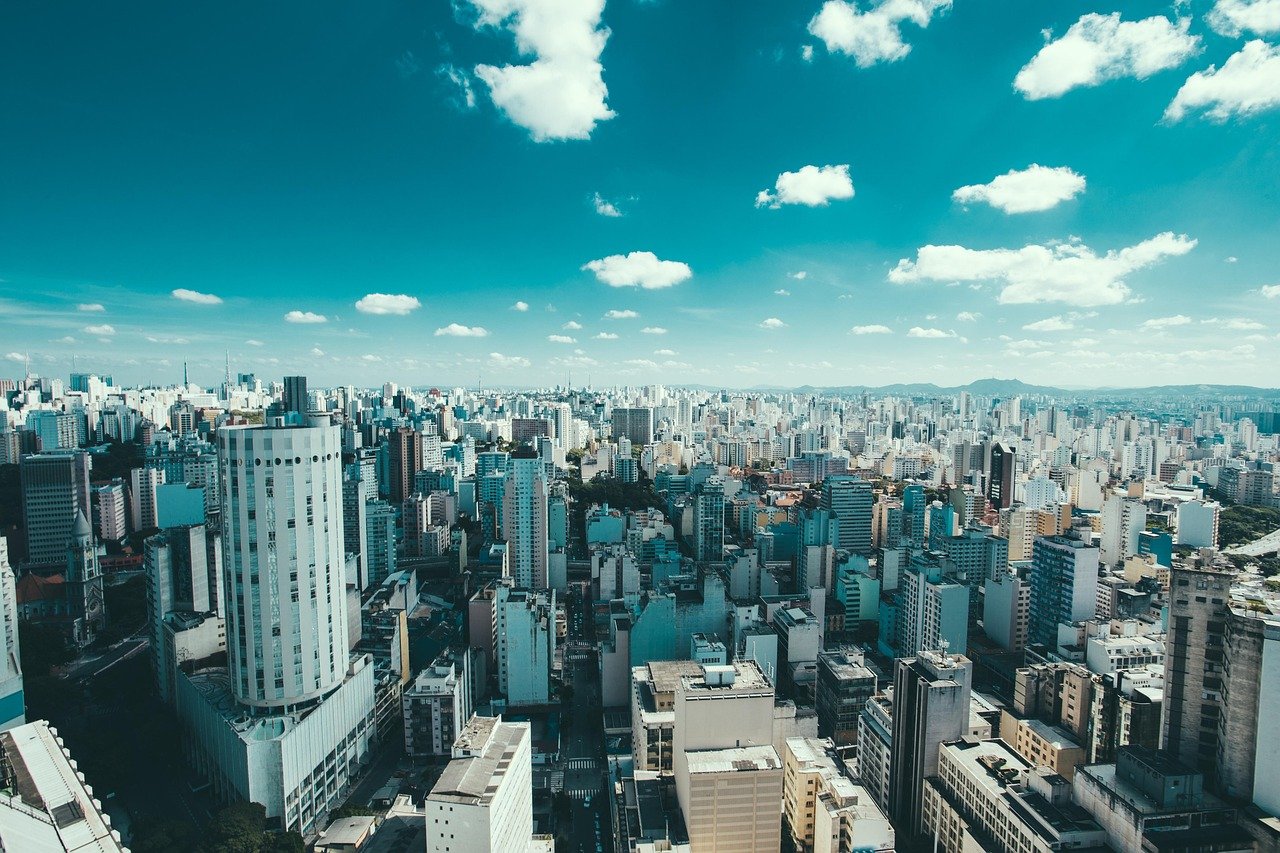
On Sunday mornings, Avenida Paulista transforms from Sao Paulo’s most congested corporate boulevard into the city’s greatest pedestrian playground. The avenue closes to cars and opens to cyclists, skateboarders, families pushing prams, buskers, food carts and thousands of people who simply want to reclaim their city from traffic. For the other six days of the week, this 2.8-kilometre spine of the Sao Paulo plateau is Brazil’s financial and cultural nerve centre — lined with banks, multinationals, museums, galleries and some of the most sought-after commercial real estate in Latin America.
History of Avenida Paulista
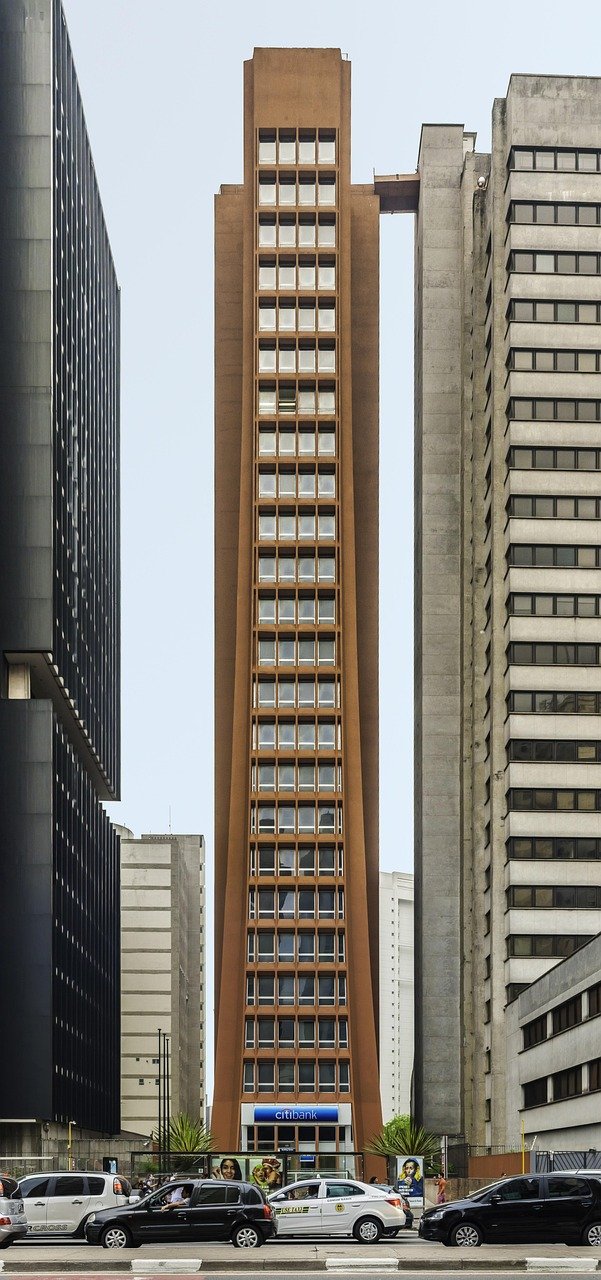
Avenida Paulista was inaugurated on 8 December 1891, conceived by the Uruguayan engineer Joaquim Eugênio de Lima as an elegant residential boulevard modelled on the great European avenues of the era. In its early decades it was lined with the mansions of the coffee barons who had made their fortunes supplying the world’s growing appetite for Brazilian coffee — elaborate Art Nouveau and Eclectic-style palaces set in landscaped gardens. This aristocratic character persisted through the early 20th century, but the great economic transformation of the 1950s and 1960s, as Sao Paulo industrialised at breakneck speed, brought developers who replaced the mansions one by one with office towers.
By the 1970s the last great mansions had been demolished and Paulista had reinvented itself as Brazil’s premier business address. The shift brought not only banks and corporations but also cultural institutions: MASP (the Sao Paulo Museum of Art) had already established its iconic presence on the avenue in 1969, and subsequent decades brought galleries, cinemas and cultural centres. The Sunday pedestrianisation programme, introduced in 2015, has become one of the city’s most beloved civic innovations, transforming the avenue into a community space for millions of Paulistanos each week.
What to See
The cultural anchor of Avenida Paulista is MASP — the Museu de Arte de Sao Paulo Assis Chateaubriand — housed in a bold suspended concrete structure designed by Italian-Brazilian architect Lina Bo Bardi and completed in 1968. The building’s bold red beams and vast glass facade hover over a public plaza that becomes an open-air market on Sundays, and its collection of approximately 10,000 works includes the largest and most important collection of Western art in the Southern Hemisphere — including works by Raphael, Rembrandt, Botticelli, Velazquez and Van Gogh.
Beyond MASP, the avenue rewards exploration on foot. The Instituto Moreira Salles building hosts rotating photography and art exhibitions. The Casa das Rosas, a rare surviving mansion from the early 20th century surrounded by its original rose garden, operates as a poetry and literature centre. The Parque Trianon (officially known as Tenente Siqueira Campos Park) provides a fragment of original Atlantic Forest vegetation — rare native trees growing in the shadow of skyscrapers — as a cool green refuge from the urban intensity around it.
Sunday Paulista: The People’s Avenue
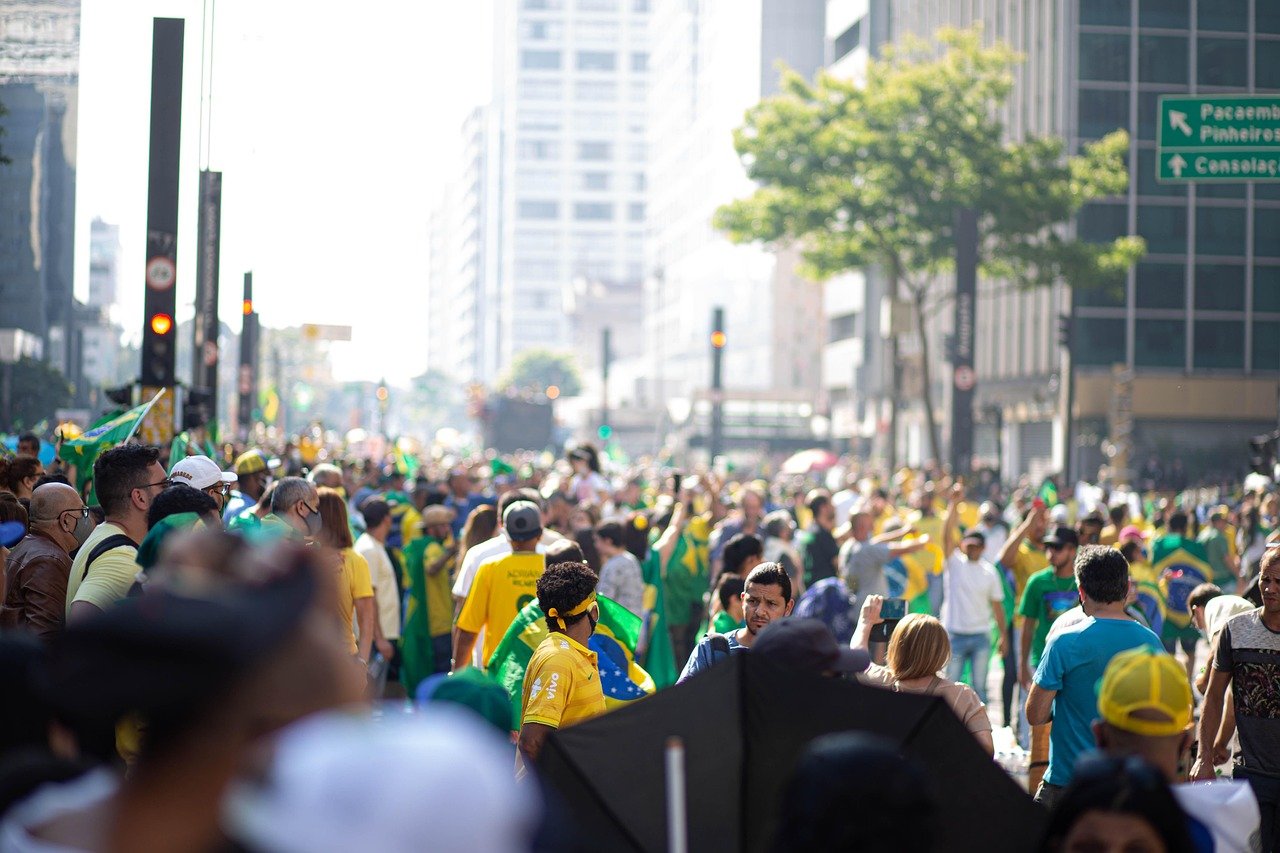
Every Sunday from 9:00 AM to 6:00 PM, Avenida Paulista is closed to motorised traffic for its Programa Ciclovia Aberta — open bicycle path — programme. What happens in practice is something much more spontaneous and democratic: the avenue fills with cyclists and skaters, but also with political demonstrators, evangelical preachers, capoeira groups, artists selling their work on blankets, food vendors and simply thousands of families who have made Sunday on Paulista a weekly ritual. On major public holidays and during political events of national significance, Paulista is where Brazil gathers — it has been the site of historic demonstrations for and against presidents, for and against corruption, and in celebration of World Cup victories.
The MASP plaza on Sunday hosts one of Sao Paulo’s best antiques and artisan markets, with hundreds of stalls selling vintage clothing, vinyl records, handmade jewellery, ceramics and art prints. This is one of the best places in Brazil to find original works by local artists at accessible prices.
Practical Information
- Tickets: Free to walk; MASP adults BRL 60, free on Tuesdays
- Opening hours: Avenue is always open; Sunday pedestrianisation 9:00 AM to 6:00 PM; MASP Tue-Sun 10:00 AM to 8:00 PM
- Best time to visit: Sunday morning for the pedestrian experience and MASP market; weekday evenings for the urban buzz
- Duration: 2 to 4 hours for a walking visit; longer if visiting MASP or other institutions
- Booking: MASP tickets available online; no booking needed for the avenue itself
Local Insights
Paulistanos know that the best food on Paulista during Sunday pedestrianisation is found at the small Brazilian street food carts clustered near the MASP plaza — tapioca, coxinha and freshly pressed sugarcane juice at unbeatable prices.
- Tuesday is the best day to visit MASP — it is free and less crowded than weekends
- The MASP Sunday antique market runs from 9:00 AM to 5:00 PM under the building’s elevated concrete frame
- Parque Trianon is the best place on the avenue to cool down on a hot day — native Atlantic Forest creates natural shade
- The avenue is safest during daylight hours; as with all of central Sao Paulo, keep valuables out of sight
- Several of Brazil’s best sushi restaurants are on or just off Avenida Paulista, reflecting the large Japanese-Brazilian community
Getting There
- Metro: Lines 2 (Green) and 4 (Yellow) both have Paulista stations; Line 2 Consolacao and Brigadeiro also serve the avenue
- Bus: Dozens of routes run along or perpendicular to the avenue; a major terminal is at Consolacao
- On foot: 15 minutes from Jardins neighbourhood; 20 minutes from Higienopolis
- By taxi or Uber: Drop off anywhere along the avenue; traffic can be congested on weekdays
Frequently asked questions
What is Avenida Paulista famous for?
It is Brazil’s most iconic urban boulevard — the financial, cultural and political nerve centre of Sao Paulo and, by extension, much of Brazil. It is home to MASP, one of the world’s great art museums, and is the site where major national political events and demonstrations take place.
Can I cycle on Avenida Paulista?
Yes, there is a permanent dedicated cycle lane on the avenue. On Sundays the entire road is closed to cars, making it ideal for cycling. Bikes can be rented through the Itau Unibike city scheme.
Is MASP worth visiting?
Yes, MASP houses the most important collection of Western art in the Southern Hemisphere, including Old Masters and Impressionists. The building itself — designed by Lina Bo Bardi with its iconic suspended red concrete frame — is one of the landmarks of 20th-century architecture.
What is the Sunday market at MASP?
The MASP Antique and Arts Market takes place every Sunday under the building’s elevated concrete frame. Hundreds of stalls sell antiques, vintage clothing, records, books, jewellery and original artworks. It is one of the best markets of its kind in South America.
Is Avenida Paulista safe for tourists?
The avenue is generally safe during daylight hours and heavily policed. Exercise standard city precautions with phones and cameras. Avoid isolated stretches or side streets after dark.