
Paronella Park
Deep in the tropical rainforest of North Queensland, where cassowaries stalk the undergrowth and the air hangs heavy with moisture and the calls of birds, a ruined Spanish castle rises from the vegetation beside a waterfall — and it was built by a single man, a Catalan immigrant named José Paronella, who worked for twenty years to create his private vision of paradise in the Australian jungle. Paronella Park is one of the strangest and most beautiful places in Australia: part heritage site, part fairytale ruin, part testament to what obsessive love can accomplish. Nothing quite prepares you for coming around the corner to find a medieval castle surrounded by palm trees and lit by the spray of a tropical waterfall.
History of Paronella Park
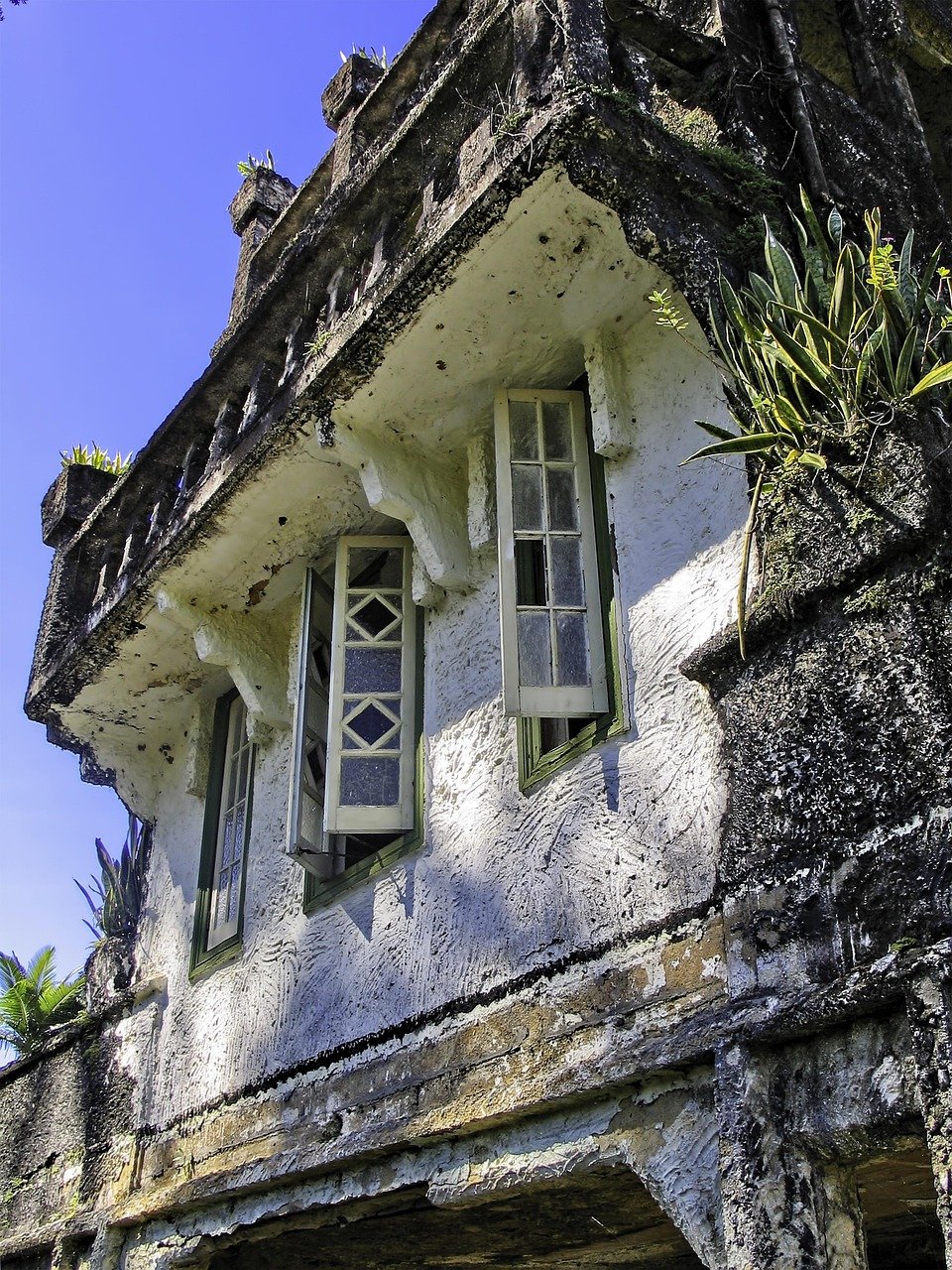
José Paronella was born in Catalonia, Spain, in 1887 and emigrated to Australia in 1913 to work in the Queensland sugar cane industry. He was ambitious, hard-working, and frugal — over the course of two decades he saved enough money to fulfil a dream he had carried from his childhood: to build a grand estate. In 1929 he purchased 13 acres of rainforest on Mena Creek, 100 kilometres south of Cairns, drawn by the site’s waterfall and the timber available for building. What he then created over the next six years — working largely alone or with a small team, mixing concrete and setting stone by hand — was not a modest holiday home but a full-scale castle complex.
Paronella built a main castle building with towers, arches, and a grand staircase; a secondary residence for guests; a ballroom; a tennis court; a hydro-electric power plant using the waterfall that made Paronella Park one of the first properties in Far North Queensland to have electric lighting; and an ornamental garden planted with 7,500 tropical plants, palms, and ferns. He opened the grounds to the public in 1935, charging sixpence admission — making Paronella Park one of the earliest purpose-built tourist attractions in Queensland. Up to 10,000 visitors came in the first year. The castle became a destination for dances, concerts, and picnics, and José Paronella delighted in playing host.
What to See
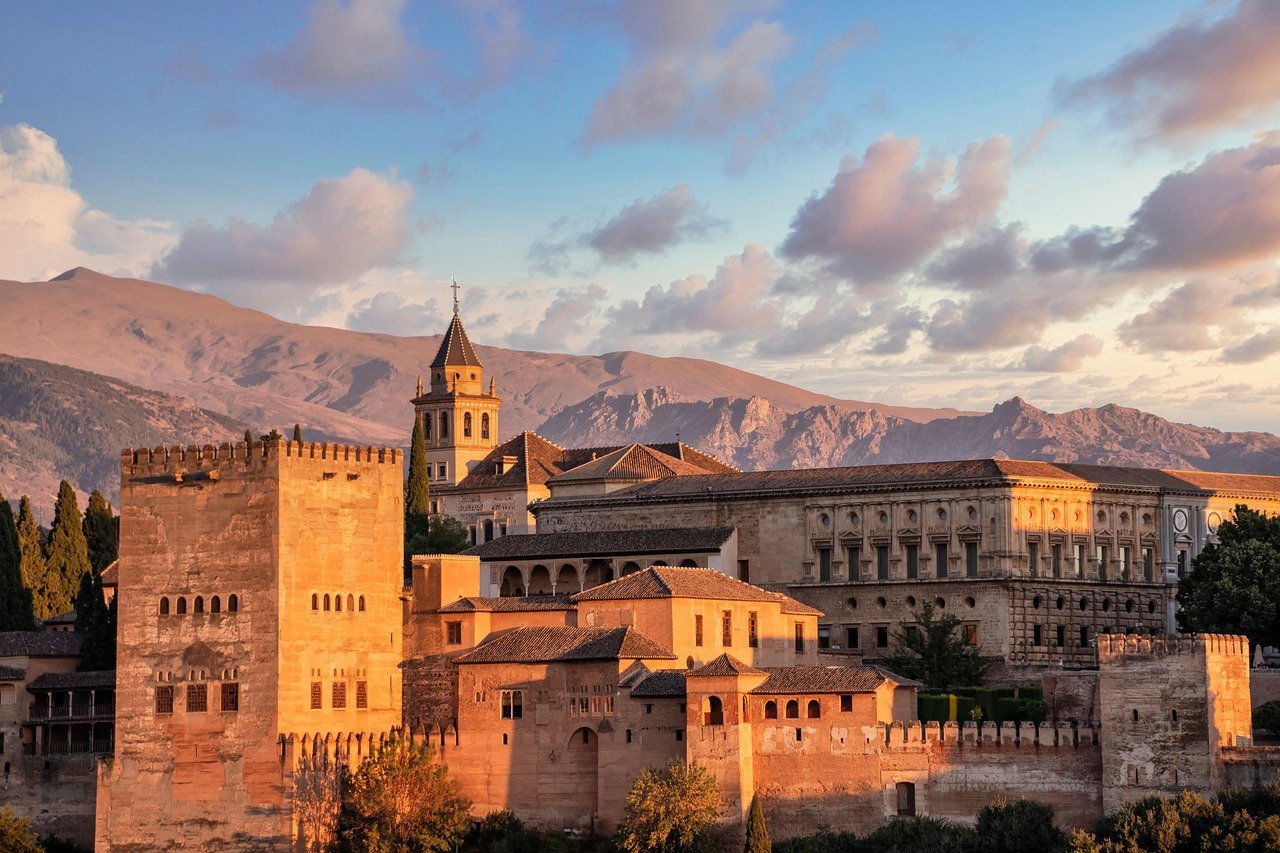
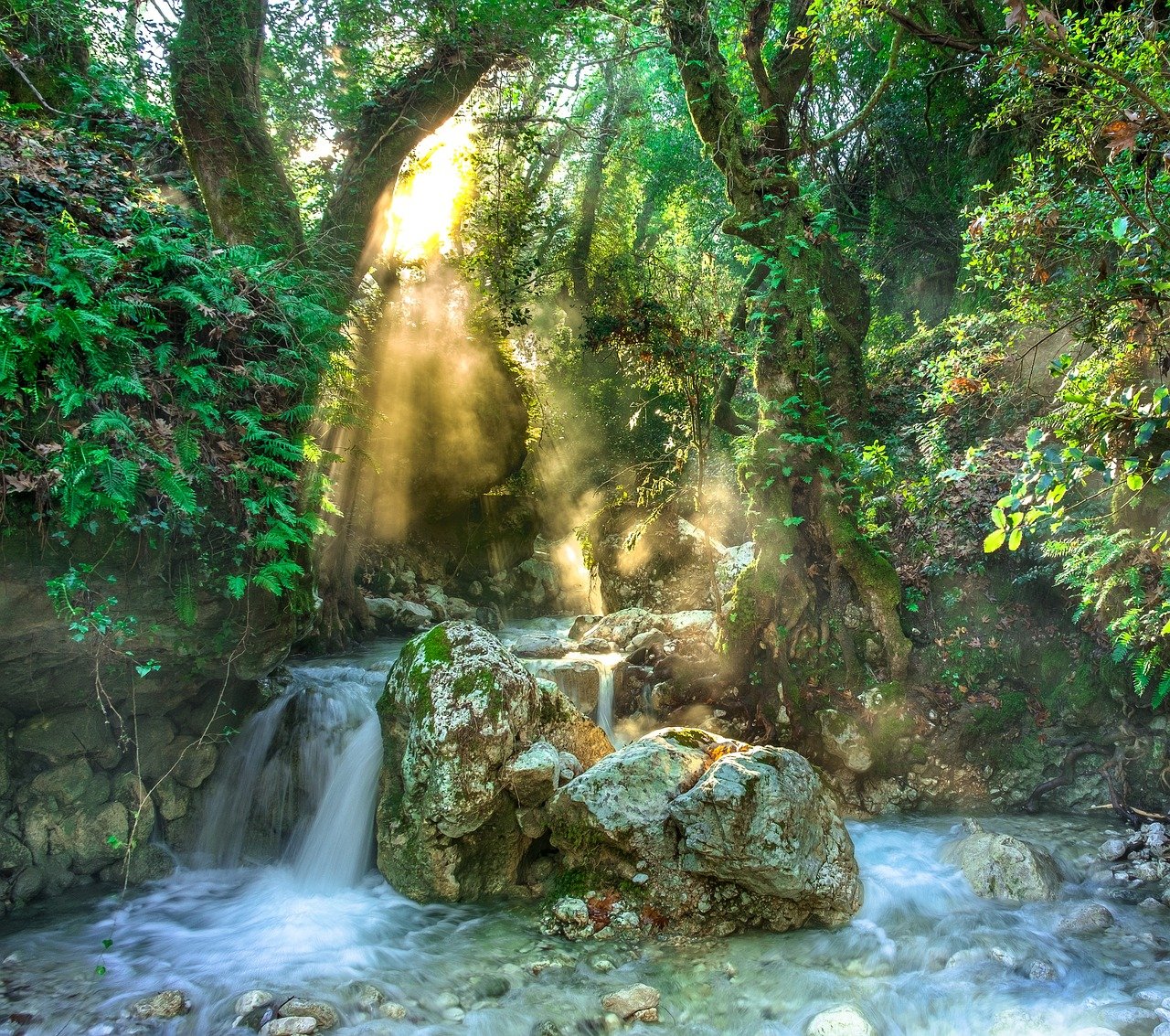
The park today covers 13 acres of rainforest, formal garden, and ruin, all threaded by the Mena Creek which feeds the central waterfall. The castle itself — formally named “Paronella’s Castle” though José always called it simply “my park” — is a romantic ruin, its towers draped with strangler figs and its interior open to the sky, but the arches, staircase balustrades, and ornate detailing remain largely intact. The rainforest has been simultaneously protected and managed to maintain clear sightlines to the architecture, creating a quality of discovery — each turn of the path reveals a new combination of stone, fern, and filtered light — that makes photography almost impossible to stop.
The waterfall is the park’s centrepiece, and José’s hydro-electric system is still operational — it was restored in 2013 and now powers the entire park. A tunnel that José and his son dug by hand to divert water to the generator is open for visitors to walk through. The Tunnel of Love, a vine-covered stone archway over a small stream, and the crumbling tennis court overgrown with tropical vegetation are among the most popular photographic subjects. Night tours (offered on weekend evenings) illuminate the ruins with coloured lights and create an atmosphere genuinely unlike anything available in daylight. The park’s museum documents the Paronella family story through photographs and artefacts.
José Paronella’s Story
The human story behind Paronella Park is as remarkable as the physical creation. José returned to Spain to court Matilda Font, whom he had known as a young man, and brought her back to Queensland as his wife in 1929 — the same year he purchased the Mena Creek land. Matilda bore two children, and the whole family lived in the growing castle complex as José worked on it through the 1930s. Success brought difficulties: a succession of cyclones, floods, and fires tested the property throughout the mid-twentieth century, and José died in 1948 before seeing the full extent of the hurricane damage that would follow. Matilda sold the property in 1953 and it passed through several owners, falling into increasing ruin.
The current owners — Mark and Judy Evans — purchased the property in 1993 and embarked on an extensive restoration that has been guided by the principle of preserving the ruin as ruin rather than reconstructing it falsely. José Paronella’s hydro-electric system was painstakingly restored, the gardens were replanted with species selected from historical photographs, and the visitor experience was built around the Paronella family story. The result is a place that feels genuinely personal — not a corporate attraction but a preserved human dream. In 2009 Paronella Park was listed on the Queensland Heritage Register.
Practical Information
- Tickets: Adults AUD 49.95; children (4–14) AUD 24.95; family AUD 139.95; night tour surcharge AUD 5; ticket includes return visits for 24 hours
- Opening hours: Daily 9:00 am–7:30 pm; night tours on selected evenings from 7:30 pm
- Best time to visit: Dry season (May–October) for comfortable conditions; wet season (November–April) for spectacular waterfall volume and lush vegetation, though access roads can flood briefly
- Duration: 2–3 hours for the standard visit; 3–4 hours if staying for the night tour
- Booking: Tickets available at the gate; night tours should be booked in advance as places are limited
Local Insights
What locals know that guidebooks don’t always tell you:
- Your admission ticket is valid for 24 hours and allows re-entry — many visitors come once during the day for photography and return for the night tour without paying again. This is the intended experience.
- The on-site café serves excellent Devonshire cream teas and light lunches using local produce. The banana smoothies, made from fruit grown in the surrounding plantations, are famous among repeat visitors.
- Platypuses have been seen in the Mena Creek immediately downstream of the waterfall at dawn and dusk — ask park staff where to position yourself for the best chance of a sighting.
- The road between Innisfail and Paronella Park passes through the Avenue of Trees — a heritage-listed 3-kilometre avenue of African tulip trees that line the road in extraordinary symmetry; spectacular when in bloom.
- Cassowary sightings in the surrounding rainforest are not rare — the area south of Cairns has some of Australia’s healthiest cassowary populations, and birds sometimes approach the park boundary. These are genuinely dangerous wild animals; do not approach them.
Getting There
- By car: 100 km south of Cairns on the Bruce Highway (A1), then left onto Japoon Vale Road at Mena Creek; approximately 90 minutes from Cairns
- By organised tour: Several Cairns and Mission Beach operators include Paronella Park in day tour itineraries
- From Mission Beach: Only 50 km north of Mission Beach (approximately 45 minutes), making it a natural day trip from that coastal base
- Taxi/Rideshare: Limited rideshare availability in rural North Queensland; private transfers can be arranged through Cairns or Innisfail accommodation
Frequently asked questions
Is Paronella Park family-friendly?
Extremely — children love the castle ruins, the waterfall, and the park’s atmosphere. The paths are mostly flat and paved, making prams manageable. The café has child-friendly options. However, some areas of the ruins have uneven surfaces and parents should supervise young children around the water features.
Can I swim in the waterfall or creek?
Swimming is not permitted in the waterfall or creek within the park — the water flows rapidly through the site and there are risks associated with the hydro-electric infrastructure. The creek downstream of the park, outside the boundary, has some local swimming holes but check with park staff about conditions before attempting.
Is the night tour worth the extra cost?
The night tour is very highly recommended. The ruins lit by coloured lights, the tropical sounds of the rainforest at night, and the illuminated waterfall create an atmosphere entirely different from the daytime visit. Since your daytime ticket includes return entry for 24 hours, the night tour surcharge is modest. Many visitors consider it the highlight of their visit.
Is Paronella Park close to other attractions?
Yes — it is within easy driving distance of Mission Beach and its stunning coastline, the Atherton Tablelands (waterfalls, Lake Eacham, and wildlife), and the World Heritage-listed Daintree Rainforest. It makes an excellent midpoint stop on a North Queensland road trip between Cairns and Mission Beach.
What was Paronella Park listed as?
Paronella Park was listed on the Queensland Heritage Register in 2009, recognising its cultural significance as an expression of one immigrant’s vision and the social history of the region’s early tourism. It is not currently World Heritage listed but has been considered for that designation.