
Palermo 💎 Hidden Gem
Step off the Subte at Palermo station and the city shifts its register entirely. The noise of downtown Buenos Aires softens into the clink of glasses at sidewalk cafes, the thrum of cumbia from a corner record store, and the hiss of paint cans as a muralist adds another layer to an already-storied wall. Palermo is Buenos Aires at its most livable and its most creative — a sprawling mosaic of leafy parks, world-class restaurants, cutting-edge galleries, and streets where tango dancers perform under jacaranda trees in November’s purple bloom. It is a neighborhood that rewards wandering more than any map.
History of Palermo
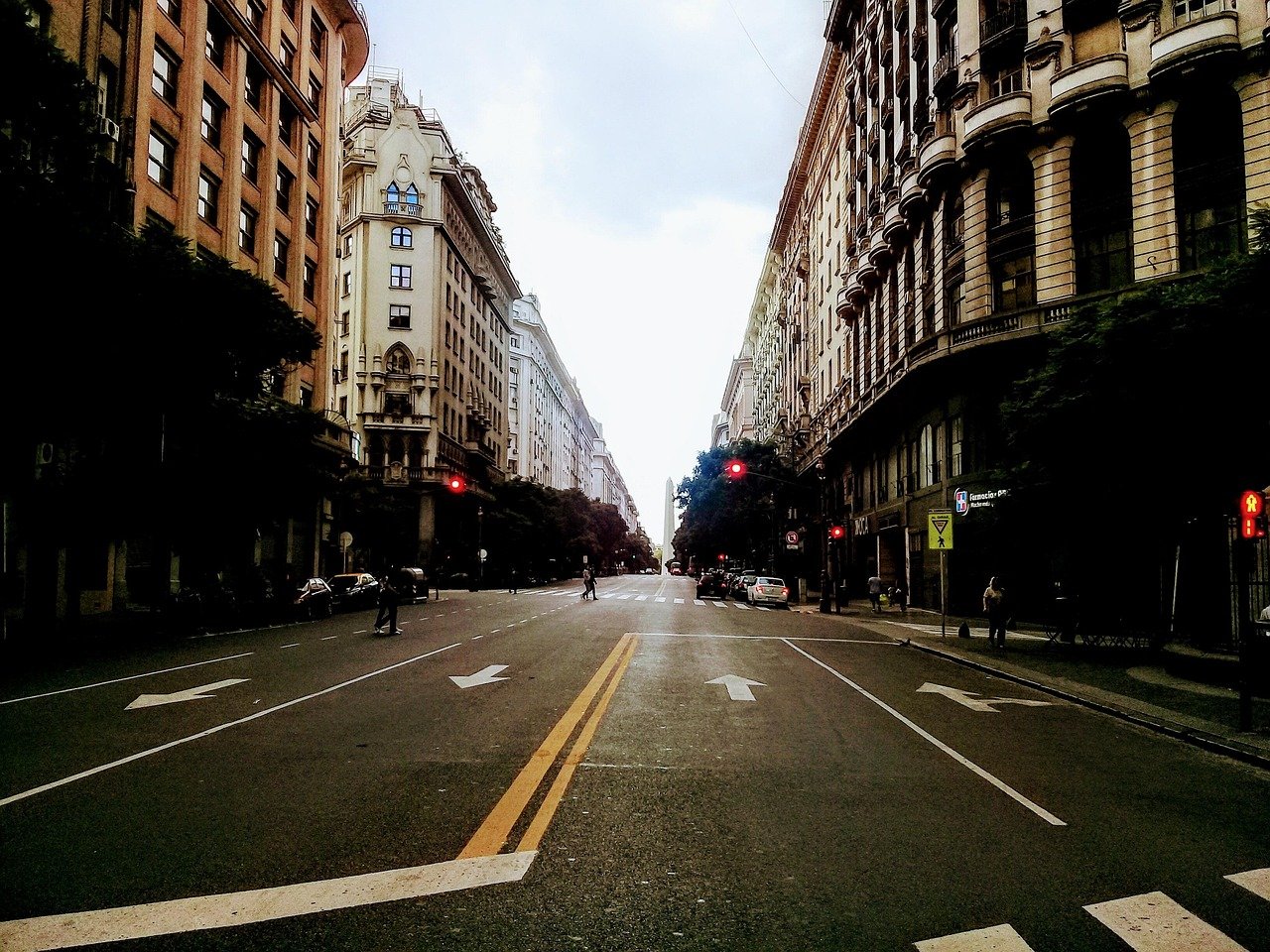
Palermo takes its name from Juan Manuel de Rosas, the Argentine strongman who governed the country twice in the 19th century. Rosas built his country estate here in the 1830s, transforming a marshy area north of the city into a domain he named after his ancestral region of Sicily. After Rosas was ousted in 1852, his estate was gradually converted into public parkland, a process accelerated by landscape architect Charles Thays in the 1890s. Thays designed the Jardín Botánico and the formal park system that still forms Palermo’s green spine today.
Through the 20th century, Palermo evolved from an elite residential district into a diverse neighborhood that absorbed waves of immigration — Italian, Spanish, Arab, and later, internal migrants from Argentina’s provinces. The 1990s economic opening brought boutique hotels and designer shops to the cobblestone streets around Plaza Cortázar, christening the area “Palermo Soho” by analogy with New York’s creative district. Today, Palermo is further subdivided into micro-neighborhoods: Palermo Hollywood (media and production studios), Palermo Chico (embassy row and old money), Las Cañitas (sports bars and the racetrack), and Palermo Botánico (quieter, intellectual).
What to See
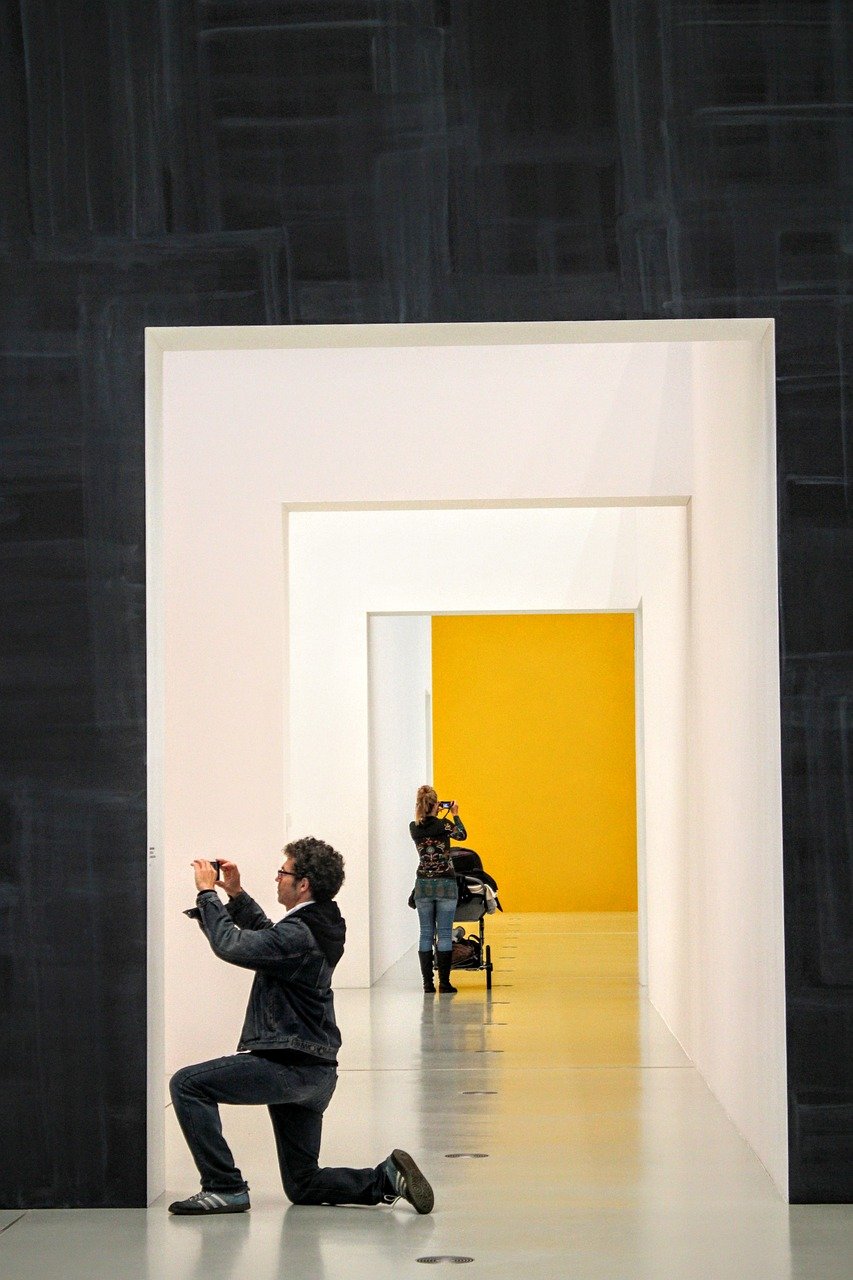
The Museo de Arte Latinoamericano de Buenos Aires (MALBA) is Palermo’s cultural centerpiece — a stunning contemporary building housing one of South America’s finest collections of 20th and 21st century Latin American art. Frida Kahlo, Diego Rivera, Xul Solar, and Antonio Berni all feature prominently. The Jardín Botánico Carlos Thays spans 7 hectares and contains over 5,500 plant species from around the world, with art nouveau greenhouses and roaming cats that have become something of local celebrities. The adjacent Jardín Japonés (Japanese Garden) offers a serene teahouse experience amid koi ponds and cherry trees.
Palermo’s street art scene rivals Berlin and São Paulo. The streets around Thames, Armenia, and Malabia are an open-air gallery, with commissioned murals by Argentine artists covering entire building facades. The Galileo Galilei Planetarium stands on the edge of the Bosques de Palermo (Palermo Woods), where locals jog, cycle, and fly kites on weekends. The woods also contain three lakes — Lago del Regatas, Lago de Palermo, and the smallest, Lago Tres de Febrero — where you can rent rowboats by the hour.
The Food and Nightlife Scene
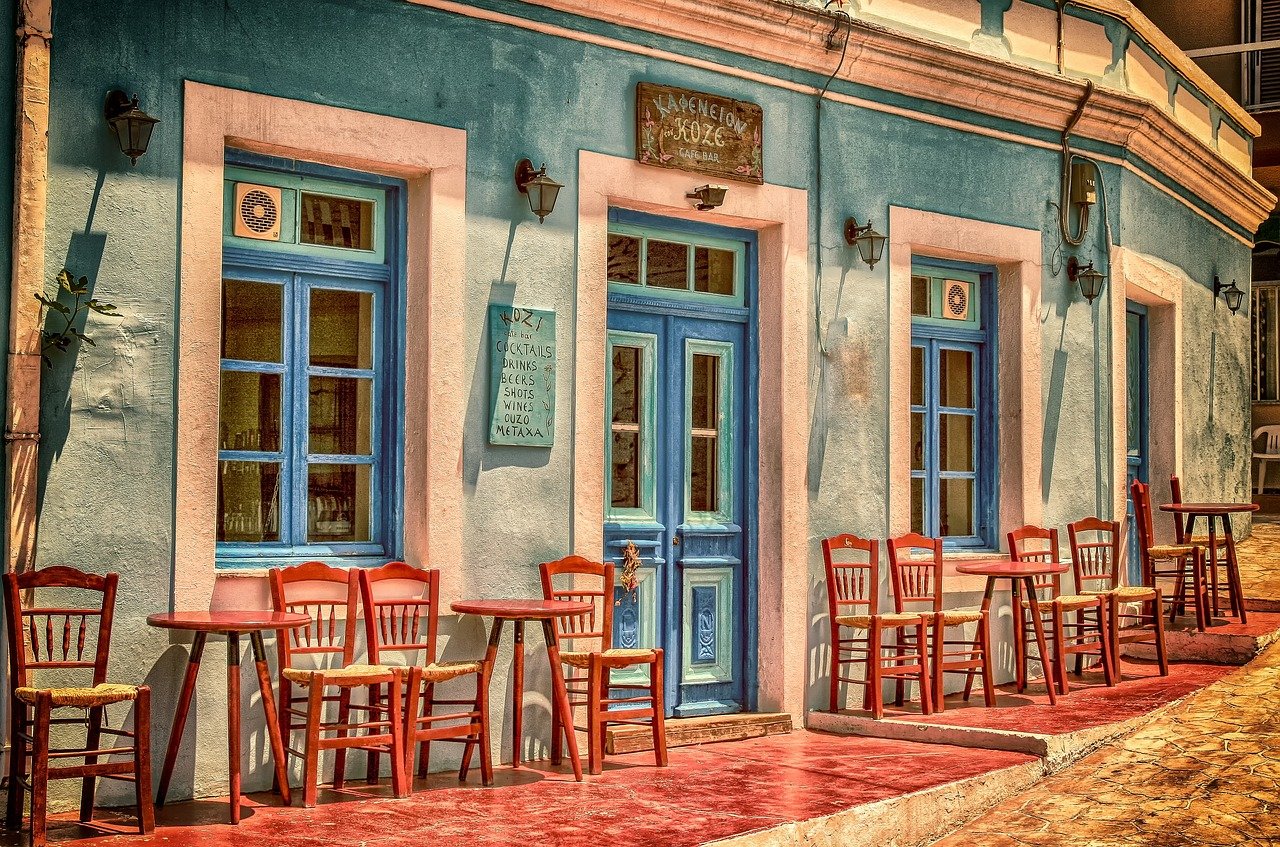
Palermo Soho and Palermo Hollywood contain the highest concentration of quality restaurants in Buenos Aires, and arguably in all of South America. Parrillas (Argentine grillhouses) serving perfectly-charred asado compete with modern bistros experimenting with Andean ingredients, Japanese-Argentine fusion spots, and natural wine bars. The area around Honduras and Armenia streets is particularly dense with excellent options across every price range. For a quintessential experience, seek out an established parrilla and order a mixed grill with provoleta (grilled provolone) to start.
After dark, Palermo Hollywood’s bars fill from midnight onward — Buenos Aires nightlife runs extraordinarily late by international standards. Boliches (nightclubs) in the neighborhood don’t reach capacity until 2am and often continue until 8am. The more relaxed bar scene in Palermo Soho caters to a slightly older crowd who prefer craft cocktails and live jazz over DJ sets. The Saturday market at Plaza Cortázar (Feria Hippie) brings designers, artisans, and food vendors together from midmorning until evening.
Practical Information
- Tickets: Neighborhood itself is free to explore; MALBA entrance approx. ARS 4,000–6,000 (USD 4–7); Jardín Japonés ARS 800–1,200; Jardín Botánico free
- Opening hours: MALBA Wed–Mon 12pm–8pm (Fri until 9pm); Jardín Botánico daily 8am–6pm; Jardín Japonés daily 10am–6pm
- Best time to visit: November for jacaranda season (purple-blooming trees along avenues); March–April and October for mild temperatures; January–February for outdoor events and festivals
- Duration: Half day for a focused visit; full day or two for thorough exploration; restaurants and nightlife justify an evening dedicated to the neighborhood
- Booking: Top restaurants require reservations 2–4 weeks ahead; MALBA and gardens can be visited without advance booking
Local Insights
What locals know that guidebooks don’t always tell you:
- On weekends, Avenida del Libertador through the Bosques de Palermo is partially closed to cars and becomes a cycling and running path — rent a bike at one of the many Ecobici stations to experience the parks as porteños (Buenos Aires locals) do.
- The resident cats at the Jardín Botánico have become semi-famous; a volunteer group feeds and cares for over 100 cats, and visitors often spend as much time with the felines as with the plants.
- Buenos Aires dinner time is genuinely late — arriving at a restaurant before 9:30pm means you’ll likely eat alone; 10pm or later is when locals dine, and 11:30pm is not unusual for weekend reservations.
- Plaza Cortázar (also called Plaza Serrano) is the social hub of Palermo Soho; the Saturday artisan market here is excellent for authentic crafts, unlike the more tourist-oriented San Telmo market.
- Palermo’s Avenida Santa Fe is lined with major chain shops and is more commercial than the artisan boutiques of the Soho streets — head to Honduras, Thames, El Salvador, and Armenia for independent designers and concept stores.
Getting There
- Subte (Metro): Line D to Palermo station (for Palermo Soho); Line D to Scalabrini Ortiz or Bulnes for Palermo Hollywood
- Bus: Lines 10, 15, 29, 34, 57, 64, 93, 111, 118, and 130 all pass through or near Palermo
- On foot: About 3km north of the city center (San Telmo); walkable from Recoleta (20 minutes)
- Taxi/Rideshare: Uber and Cabify are widely used; taxis are plentiful on main avenues; drop off at Plaza Cortázar for central access to Palermo Soho
Frequently asked questions
Is Palermo safe for tourists?
Palermo is one of Buenos Aires’s safest and most tourist-friendly neighborhoods. Standard urban precautions apply — be aware of your surroundings, don’t display expensive equipment unnecessarily, and use ATMs inside banks rather than on the street. The neighborhood is busy and well-lit in the evenings. Petty theft (phone snatching, bag grabs) occasionally occurs in crowded market areas, but violent crime against tourists is rare in Palermo.
What is the difference between Palermo Soho and Palermo Hollywood?
Palermo Soho (centered on Plaza Cortázar/Serrano) is known for boutique fashion shops, design stores, and upscale restaurants. Palermo Hollywood (named for the TV production companies concentrated there) has more media businesses, casual bars, and a slightly grittier energy. Both areas blend seamlessly and many visitors explore both in a single walk. The division is more a real estate marketing concept than a strict geographic boundary.
When is the best time to visit for the jacaranda trees?
November is Palermo’s most photogenic month, when thousands of jacaranda trees lining the main avenues burst into violet-purple bloom. The display typically peaks in mid-November, coinciding with the city’s spring, and lasts 2–3 weeks. The jacarandas frame Avenida del Libertador and the residential streets of Palermo Chico particularly beautifully, and the fallen petals carpet the pavements in purple.
Are there free things to do in Palermo?
Many of Palermo’s best experiences are free. The Jardín Botánico, street art tours, the Bosques de Palermo parks, and the Saturday Plaza Cortázar market all cost nothing to enjoy. MALBA is free on Wednesdays. Walking the cobblestone streets of Palermo Soho, discovering murals, and people-watching in the parks are classic porteño pleasures that require no admission fee.
What are the best restaurants in Palermo?
Palermo offers Buenos Aires’s most diverse dining scene. For traditional Argentine asado, established parrillas on Avenida Córdoba and Las Cañitas are reliable. For modern Argentine cuisine, the restaurants around Soho have earned international recognition. Mercado de Palermo on Gorriti Street brings multiple food concepts under one roof. Reservation-required destinations change frequently — local food blogs and Google Maps reviews offer the most current recommendations, as the scene evolves rapidly.