
Old Cairo (Misr Al-Qadima)
Old Cairo – Misr Al-Qadima – is the oldest inhabited part of one of the oldest cities in the world, a labyrinthine quarter of ancient churches, mosques, synagogues, and Roman fortifications that has been continuously inhabited for over two millennia. This compact district on the eastern bank of the Nile contains more history per square metre than almost anywhere else on earth, where layers of civilisation from the Roman fortress of Babylon through to the early Islamic city lie stacked beneath and around each other in extraordinary proximity.
History and Heritage
The Romans established the fortress of Babylon here in the first century AD, constructing massive circular towers and thick walls to guard the strategic crossing point of the Nile. Within and around these Roman walls, one of the earliest Christian communities in Africa took root, with tradition holding that the Holy Family sheltered here during their flight into Egypt. The Coptic Orthodox Church traces its origins to this very spot, and many of the quarter oldest churches mark sites of ancient Christian significance.
When the Arab armies conquered Egypt in 641 AD, their general Amr ibn al-As established the first Islamic city in Africa just north of the Roman fortress, creating what would grow into the magnificent metropolis of Cairo. The old Coptic quarter survived and continued to thrive alongside the new Islamic city, creating the remarkable religious and cultural plurality that defines the area to this day.
- The Coptic Museum houses over 16,000 artefacts spanning two millennia of Christian heritage in Egypt
- The Hanging Church (Al-Muallaqah) dates to the 4th century and rests atop the southern gate of the Roman fortress
- The Ben Ezra Synagogue is one of the oldest synagogues in the world, built on a site where Moses is said to have been found in the bulrushes
- The Church of Saints Sergius and Bacchus (Abu Serga) marks the traditional cave where the Holy Family sheltered
- The ancient Roman towers of Babylon still stand at the entrance to the Coptic Museum
What to See and Experience
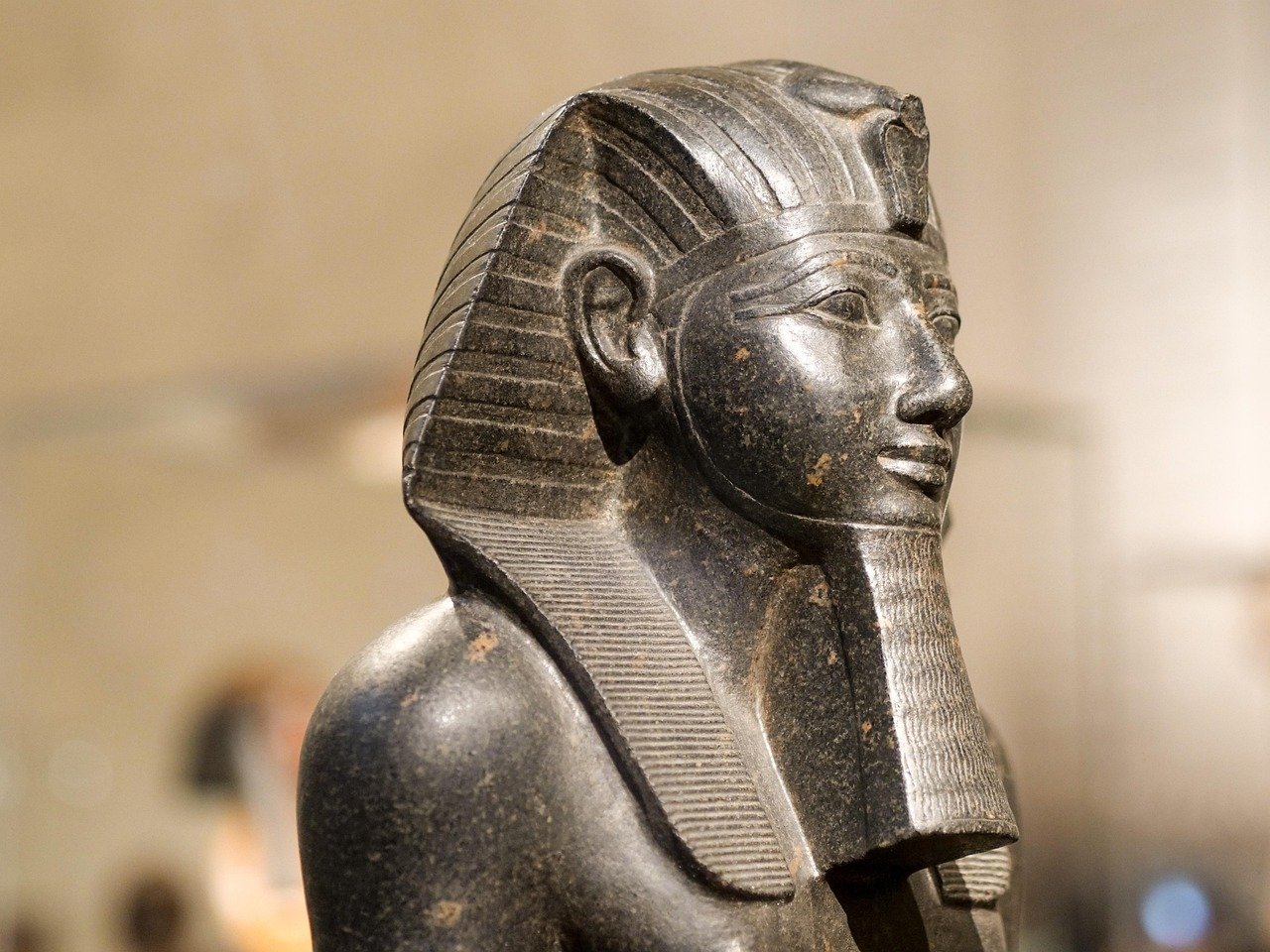
The Coptic Museum is the essential starting point, providing context for everything else you will see in the quarter. Its collection spans the period from Pharaonic Egypt through to early Islamic art, demonstrating the remarkable continuity of Egyptian culture across religious boundaries. The carved woodwork, textiles, manuscripts, and icons housed here are extraordinarily beautiful.
The Hanging Church earned its name because it appears to float above the gateway of the Roman fortress. Its interior is one of the most atmospheric sacred spaces in Egypt, with ancient wooden screens inlaid with ivory, precious icons, and a pulpit supported on thirteen marble columns representing Christ and his apostles. The church has been a place of continuous worship for sixteen centuries.
Practical Information
- Entry: Coptic Museum EGP 180 (foreigners); individual churches free or small donation
- Duration: Half day to full day
- Dress code: Modest dress required; shoulders and knees covered; head covering for women entering mosques
- Best time: Morning on weekdays; avoid Friday midday prayers
- Photography: Permitted in most areas; no flash inside churches
Local Insights
- Start at the Coptic Museum which provides essential historical context for everything else you will see in the quarter
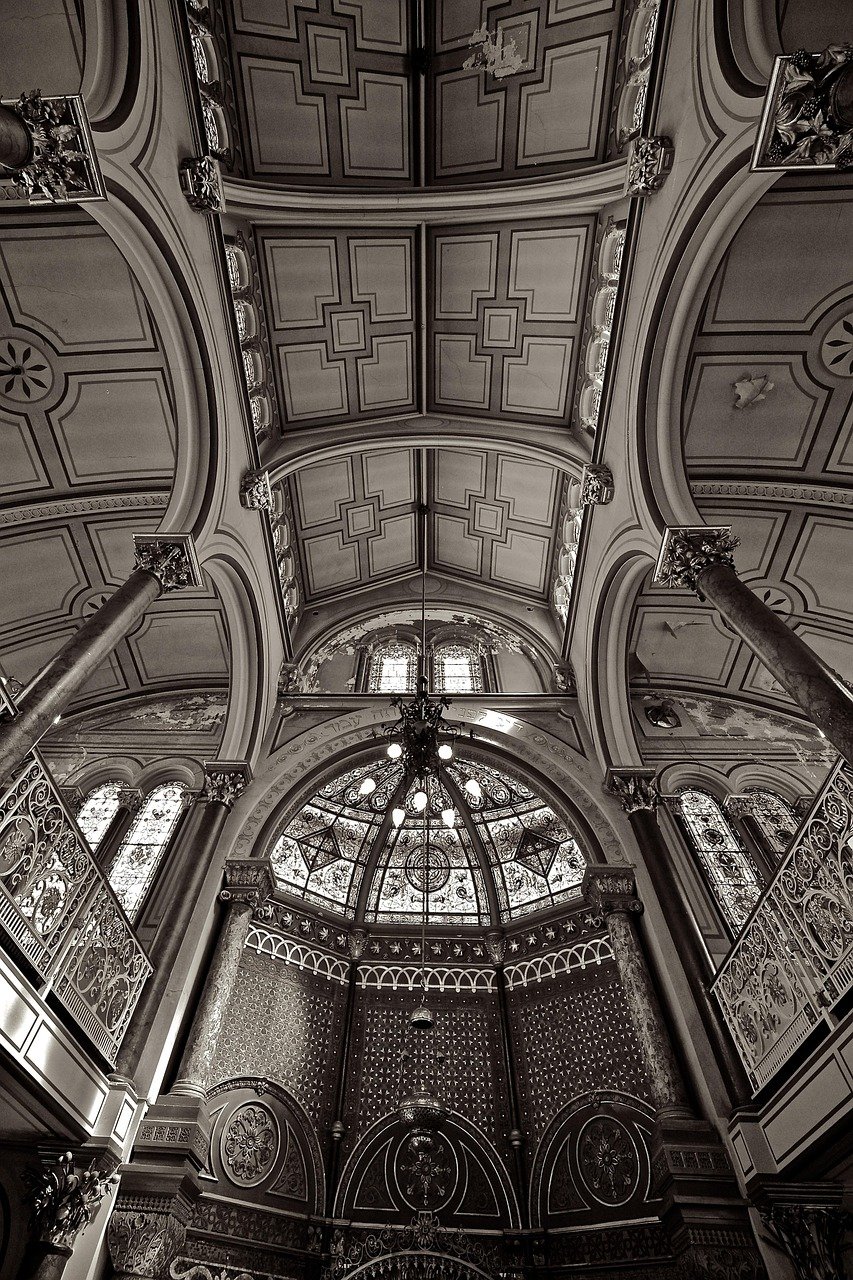
- The Hanging Church is the most architecturally spectacular of the Coptic churches – allow extra time here
- Visit on a Sunday morning when the churches are active with worshippers for a genuinely atmospheric experience
- The area is quite compact and most sites are within easy walking distance of each other
- Local guides available at the museum entrance can bring the history of the quarter vividly to life
Getting There
- Metro: Line 1 to Mar Girgis station, directly at the entrance to the Coptic quarter
- Taxi or Uber: Ask for Masr Al-Qadima or the Coptic Museum; 20-30 minutes from central Cairo
- Bus: Various routes pass through; Metro is far more convenient
Frequently asked questions
Is Old Cairo safe to visit?
Old Cairo is generally considered one of the safer tourist areas in Cairo. The Coptic quarter is relatively quiet and has a significant police presence. Standard urban travel precautions apply.
Do I need to dress modestly to visit Old Cairo?
Yes – when visiting churches, women should cover shoulders and knees. When visiting mosques, women will need to cover their hair. Modest dress is respectful in this deeply religious area.
Can I visit Old Cairo independently or do I need a guide?
Old Cairo can be visited independently as the main sites are well-signed and relatively close together. However, a knowledgeable guide will significantly enrich the experience.
What is the best way to get to Old Cairo from downtown Cairo?
The Metro is by far the most convenient option – take Line 1 to Mar Girgis station, located directly at the entrance to the Coptic quarter. The journey from downtown takes about 15-20 minutes.
What is the Coptic Museum and why is it important?
The Coptic Museum houses the world’s largest collection of Coptic Christian art and artefacts, providing an invaluable overview of the 2,000-year history of Christianity in Egypt. It is one of the most important museums in Cairo.