
National Museum of Egyptian Civilization (NMEC)
Step inside a building that doesn’t just display Egypt’s past — it embodies it. The National Museum of Egyptian Civilization rises from the ancient ground of Fustat, the first Islamic capital of Egypt, on the southern edge of Cairo. Here, five thousand years of human achievement converge under one roof: stone tools from prehistoric hunters, the golden regalia of New Kingdom pharaohs, medieval Coptic textiles woven with biblical scenes, and richly illuminated Islamic manuscripts all share the same hallowed space within a building designed to honor every chapter of Egypt’s long story. But no single moment at NMEC compares to descending into the Royal Mummies Hall, where twenty sovereign rulers of ancient Egypt rest in hushed, climate-controlled splendor, their faces visible after three thousand years. This is not a dusty repository of relics — it is a living chronicle of civilization itself, and it demands to be experienced slowly.
History of the National Museum of Egyptian Civilization
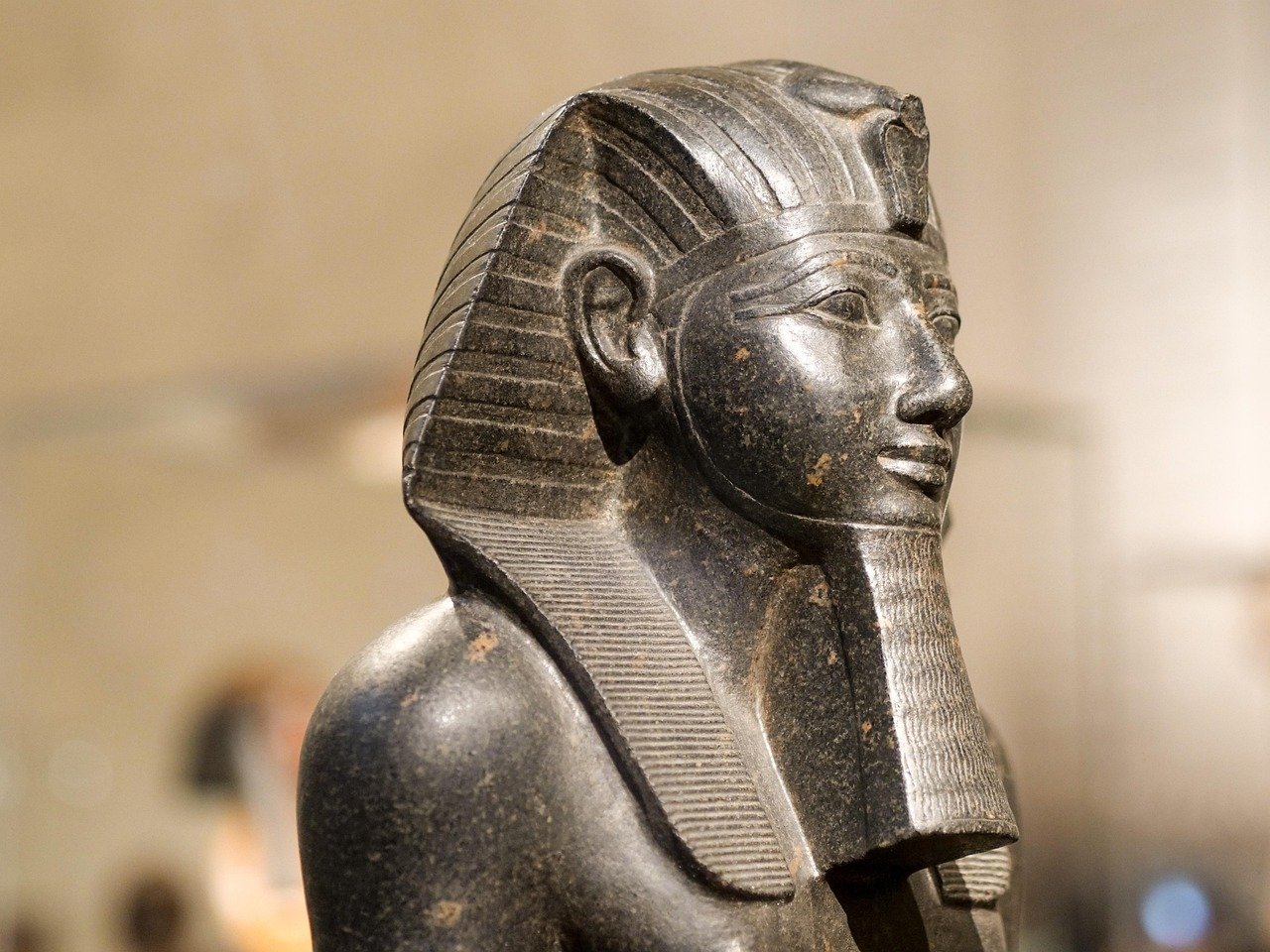
The idea for a national museum dedicated to all of Egyptian civilization — not just the pharaonic era — was first proposed in 1982 during UNESCO’s International Campaign to Save the Monuments of Nubia. Planners envisioned a museum that would present Egypt’s story from prehistoric times through the Islamic period and into the modern era, a sweeping narrative no single existing institution could tell. The site chosen was Fustat, a district dense with archaeological significance: it was here that the Arab general Amr ibn al-As camped after conquering Egypt in 641 AD, founding the city that would eventually grow into Cairo. Construction on the purpose-built complex began in the early 2000s, and the museum opened its permanent galleries to the public in 2017.
The April 2021 Royal Mummies Parade brought global attention to NMEC when twenty-two royal mummies — eighteen kings and four queens — were transported in a grand televised procession from the Egyptian Museum in Tahrir Square to their permanent home in NMEC’s underground Royal Mummies Hall. The event, watched by millions worldwide, marked a turning point in how Egypt presents its heritage to international audiences. Today, NMEC positions itself as Egypt’s premier cultural museum, distinct from the Egyptian Museum by its thematic, civilization-wide scope. The surrounding Fustat Archaeological Park, one of the largest urban excavation sites in the world, provides an open-air counterpart where visitors can see Islamic Cairo’s oldest neighborhood emerging from the earth.
What to See at the National Museum of Egyptian Civilization
The Royal Mummies Hall
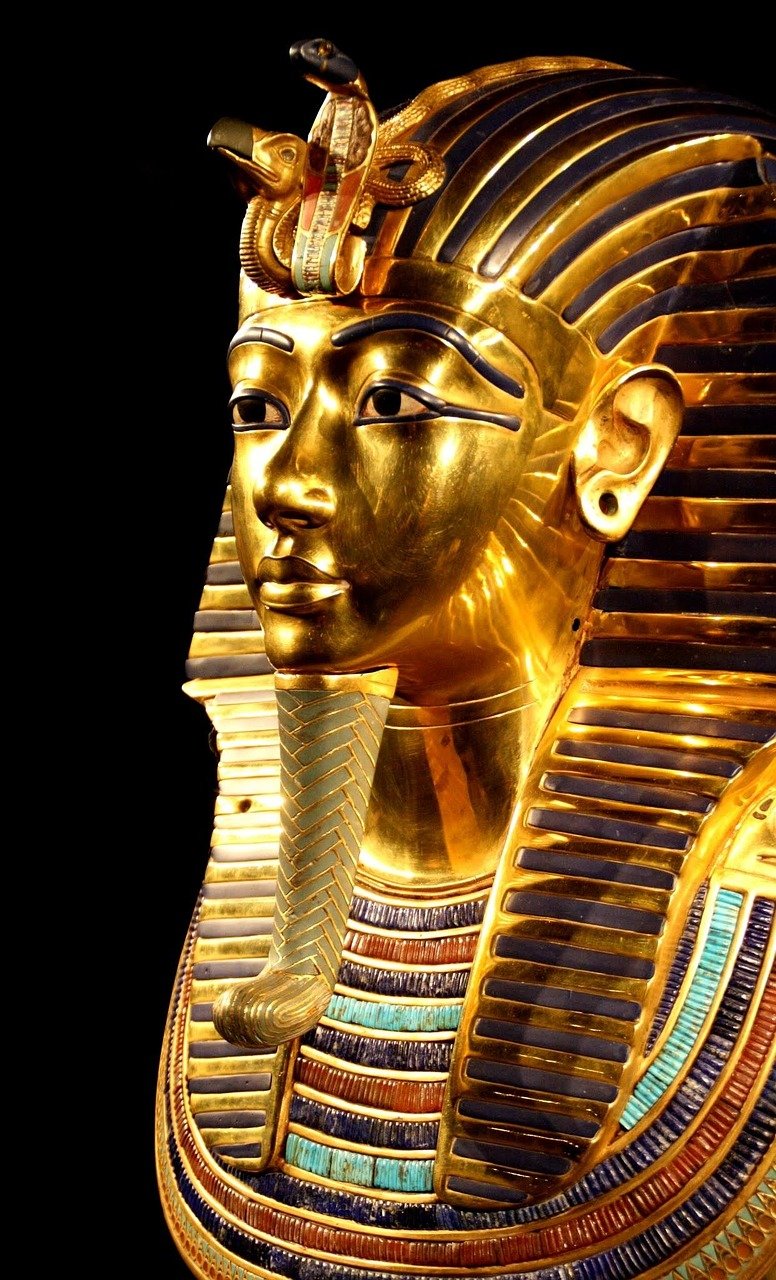
The undisputed highlight of NMEC is the Royal Mummies Hall, located on the lower level and accessed by a long, gently sloping ramp designed to evoke the descending passages of the Valley of the Kings. The hall houses twenty royal mummies spanning the 17th through 20th dynasties — among them Ramses II, the great warrior-pharaoh who ruled for 66 years; Hatshepsut, Egypt’s most celebrated female pharaoh; and Seti I, whose mummy is considered one of the best-preserved in the ancient world. Each mummy rests in an individual climate-controlled case, softly lit to reveal the remarkable detail of linen wrappings, gilded cartonnage, and in some cases, the actual face of a ruler who lived over three millennia ago. The hall’s atmospheric design — stone textures, subdued lighting, ambient sound — creates a genuinely reverential experience. This section is included in the standard NMEC admission; a separate Royal Mummies Hall ticket (approximately 200 EGP for foreigners) was previously required but admission pricing should be confirmed at the ticket desk on arrival.
The Civilization Galleries
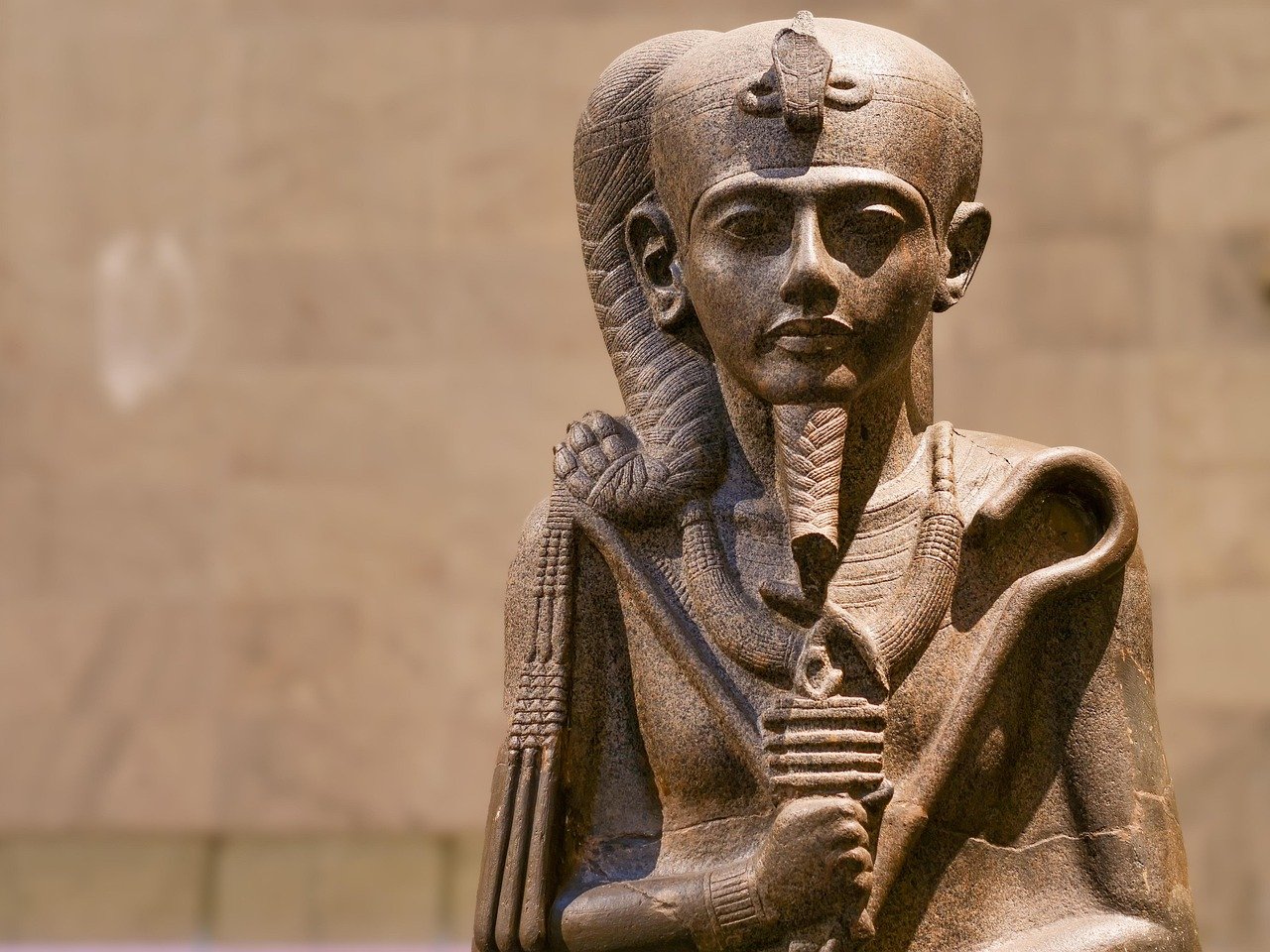
Where the Egyptian Museum in Tahrir Square focuses almost exclusively on the pharaonic period, NMEC takes the long view. The permanent galleries begin with prehistory — flint hand-axes, ostrich eggshell beads, and rock art from the Eastern Desert — and trace an unbroken narrative through the Old Kingdom, the New Kingdom, the Greco-Roman era, the Coptic period, and the Islamic centuries. Particularly powerful is the gallery dedicated to Egypt’s role as a crossroads of trade, showing how the Nile Valley exchanged goods and ideas with Nubia, the Levant, Greece, Rome, and Arabia. Displayed artifacts include a first-dynasty carved ivory label, a stunning Middle Kingdom painted coffin, Coptic linen tunics with intricate woven patterns, and a 14th-century Mamluk brass incense burner. Allow at least ninety minutes for the main galleries alone; many visitors underestimate how expansive the permanent collection is.
The Fustat Archaeological Park
Surrounding the museum building, the Fustat Archaeological Park offers a rare chance to walk through an active excavation site where Islamic Cairo’s earliest neighborhood is slowly being uncovered. Founded in 641 AD, Fustat was Egypt’s first purpose-built city of the Islamic era, and beneath its ruins lie layers of even earlier occupation reaching back to the Roman fortress of Babylon. Visible from elevated walkways are the foundations of medieval houses, ceramic kilns, and water channels that served a population of hundreds of thousands. The park is included with museum admission and provides a grounding context that makes the objects inside more vivid — seeing the actual soil they came from transforms artifacts from pretty objects into pieces of lived history. Informational panels in Arabic and English explain the stratigraphy and ongoing excavation methodology.
The Thematic Floors and Special Exhibitions
NMEC is organized across multiple floors, with each level dedicated to a distinct era or theme. Ground-floor highlights include a full-scale reconstruction of an ancient Egyptian nilometer — the carved stone structures used to measure the Nile’s annual flood and predict agricultural yields — alongside a superb collection of model boats spanning three millennia of Egyptian shipbuilding. The upper floors address Egypt’s place in the ancient Mediterranean world, with objects illustrating commercial exchange with the Phoenician coast, artistic borrowing from Greece, and the administrative machinery of Roman governance. A dedicated gallery explores the development of writing in Egypt, from the earliest hieroglyphs through demotic script, Coptic, and finally Arabic — a linguistic timeline that mirrors the civilizational narrative the museum presents throughout. Temporary exhibition spaces on the ground floor rotate annually and have featured major loans from international collections including objects never before displayed in Egypt.
The Handicrafts and Souvenirs at NMEC
The NMEC gift shop, located near the main exit on the ground floor, is among the better museum shops in Cairo. It stocks high-quality reproductions of artifacts in the collection — ceramic shabtis, alabaster canopic jars, papyrus prints, and resin casts of iconic pieces — alongside scholarly publications about the museum’s collection and Egyptian civilization more broadly. Prices are fair and the quality is a step above the ubiquitous tourist market goods sold around central Cairo. For visitors who want a meaningful keepsake directly connected to the artifacts they have just seen, the gift shop is worth ten minutes of browsing before leaving. Books published by the museum itself — available in Arabic and English — make particularly good purchases for those with deeper interest in Egyptian history.
Local Insights
Make the most of your visit to NMEC with these practical tips from experienced Cairo travelers:
- Arrive at opening time (9 AM): The Royal Mummies Hall draws crowds by mid-morning, especially on weekends and during school holidays. Being first through the door means you will have the atmospheric hall nearly to yourself, which dramatically intensifies the experience of standing before three-thousand-year-old kings.
- Combine with Old Cairo: NMEC sits in Fustat, just a 10-minute walk from the Hanging Church and the Coptic Museum in Old Cairo. Plan a half-day that takes in all three sites — they complement each other beautifully, covering Egypt’s pharaonic, Christian, and Islamic heritage in sequence.
- Audio guides are worth it: The museum’s English audio guide (available for rent at the entrance, approximately 50 EGP) adds significant depth to the civilization galleries where wall panels alone do not fully explain the significance of individual objects. The guide is especially useful in the prehistoric and Islamic sections where context is everything.
- The evening hours (6–9 PM) are underutilized: NMEC opens on weekend evenings and the experience is markedly different — lower crowds, cooler temperatures, and a more intimate feel in the mummy hall when the building empties out. Check the official NMEC website for the current evening schedule before your visit.
- Photography is permitted throughout, including in the Royal Mummies Hall, without flash. A tripod is not allowed inside, but a steady hand and the hall’s atmospheric lighting produce striking images. Respect the contemplative atmosphere — loud conversation in the mummy hall is actively discouraged by staff.
Planning Your Visit
- Tickets: Foreigners: 500 EGP adults (~$10 USD), 250 EGP students. Egyptians: 80 EGP adults, 40 EGP students. Children under 6 free. Royal Mummies Hall access: confirm current pricing at the ticket desk on arrival.
- Opening hours: Daily 9:00 AM – 5:00 PM (last ticket 4:00 PM). Evening session: 6:00 PM – 9:00 PM on select days (last ticket 8:00 PM). Check nmec.gov.eg for the current evening schedule.
- Best time: Weekday mornings (Tuesday–Thursday) avoid weekend tour groups. October through April offers comfortable temperatures for the outdoor Fustat Park. Avoid visiting during school holidays in July–August when crowds peak.
- Duration: Allow 2.5–3.5 hours for a thorough visit including the Royal Mummies Hall, main civilization galleries, and a walk through the Fustat Archaeological Park.
- Booking: Walk-in tickets are available at the door. During peak winter season or major Egyptian holidays, pre-booking via cairo-tickets.com or through a licensed tour operator is advisable to avoid queues.
Getting There
- Metro: Take the Cairo Metro Line 1 to Mar Girgis station. From there, NMEC is approximately a 15-minute walk north along the Corniche, or a 5-minute tuk-tuk ride. Signs for the museum are posted along the route.
- By car: From central Cairo, follow Salah Salem Road south toward Fustat. NMEC has a large dedicated parking lot accessible from Ain al-Sira Road. Parking is free for museum visitors.
- On foot: From the Coptic Museum or Hanging Church in Old Cairo, NMEC is a 10–15 minute walk north along the Corniche el-Nil. The riverside path is pleasant and well-marked.
- Taxi/ride-share: Uber and Careem both serve the NMEC address in Al-Fustat, Old Cairo. Tell the driver “Mathaf al-hadara” — the Arabic name is more widely recognized by local drivers than the English acronym.
Frequently asked questions
Is the Royal Mummies Hall included in the general NMEC admission ticket?
In recent years NMEC has bundled the Royal Mummies Hall access into the general admission ticket for most visitors, though pricing policies have changed periodically since the hall opened in 2021. At the time of writing, foreigners pay 500 EGP for general admission which includes the mummies. However, it is always worth confirming the current policy at the ticket desk upon arrival, as special exhibitions or seasonal pricing can affect what is included. Students and Egyptian nationals benefit from significantly reduced rates.
How is NMEC different from the Egyptian Museum in Tahrir Square?
The Egyptian Museum in Tahrir Square focuses predominantly on pharaonic artifacts in a dense, encyclopedic layout dating back to 1902. NMEC takes a broader, more thematic approach, tracing Egyptian civilization from prehistory through the Islamic period, with modern exhibition design, climate control, and immersive presentation. NMEC also holds the Royal Mummies in purpose-built, state-of-the-art facilities. Serious visitors to Cairo benefit from seeing both museums — they complement rather than duplicate each other, and together give the fullest possible picture of Egyptian heritage.
Can I visit NMEC with children?
NMEC is very family-friendly. Children under 6 enter free, and the museum’s wide, accessible corridors and interactive multimedia displays engage younger visitors well. The Royal Mummies Hall does require a moment of preparation — the mummies are real human remains and some children find the experience intense. The hall’s reverent atmosphere naturally encourages quiet behavior. The outdoor Fustat Archaeological Park is especially popular with older children who enjoy seeing an active dig site. Strollers are welcome throughout the museum and ramps make it fully accessible.
Is there a café or restaurant at NMEC?
Yes, NMEC has an on-site café located near the main entrance lobby, serving hot and cold drinks, sandwiches, and light Egyptian snacks. For a more memorable meal, consider walking to the restaurants near Mar Girgis Metro station, or heading into Old Cairo where traditional Egyptian eateries cluster in the Coptic quarter. Many visitors prefer to eat before or after the museum rather than spending time on a mediocre in-house lunch during the visit — the museum is substantial enough that most people want to use every minute on the exhibits.