
Nahuel Huapi National Park
Glacial lakes of impossible turquoise stretch to snow-capped peaks as far as the eye can see. Nahuel Huapi National Park unfolds around the gleaming city of Bariloche like a living oil painting: dense Patagonian lenga beech forest ablaze in autumn gold, mirror-calm bays reflecting the Andes, and hiking trails that wind up through wildflower meadows to ridgelines where condors patrol the thermals. This is Argentina oldest national park, and after more than a century, it still has the power to stop you mid-stride and steal your breath.
History of Nahuel Huapi National Park
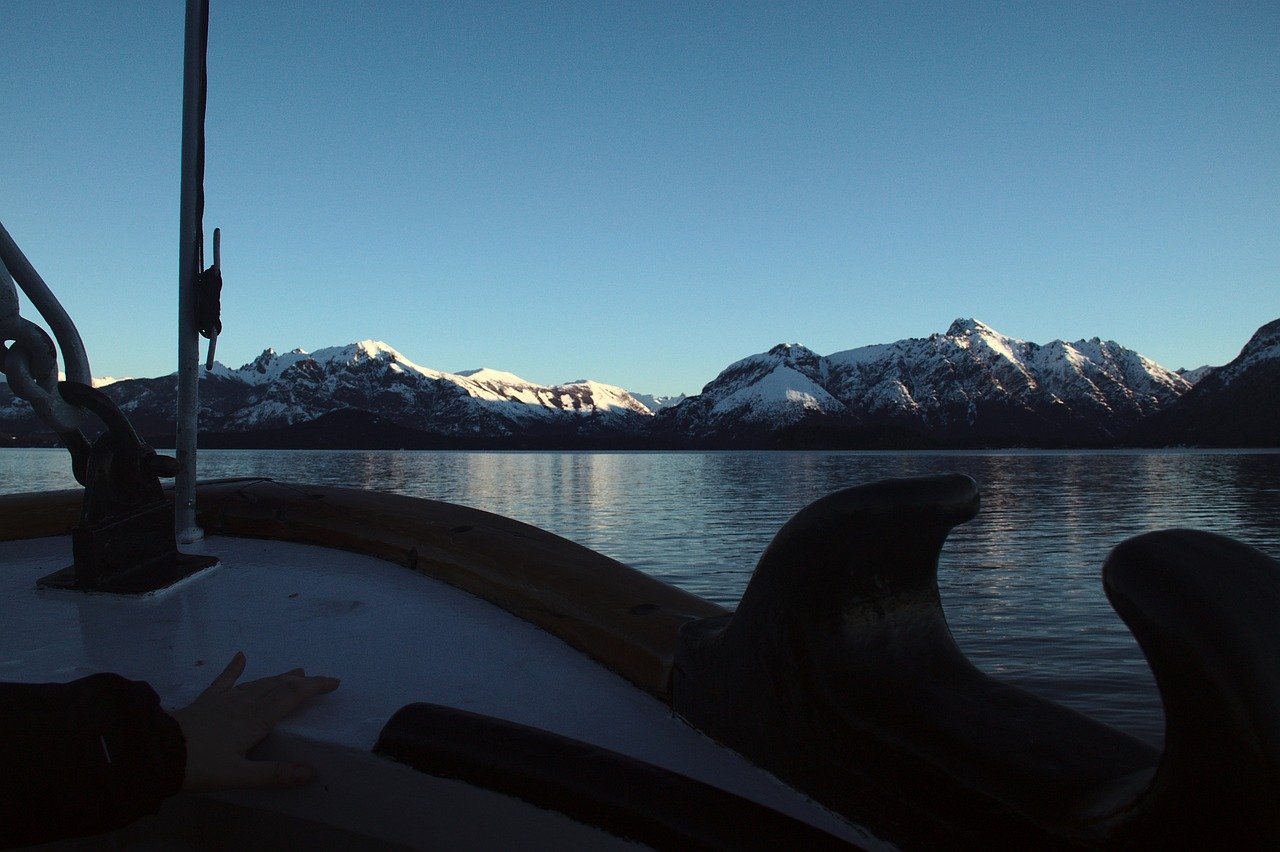
The history of Nahuel Huapi is inseparable from that of Francisco Pascasio Moreno, the Argentine explorer and naturalist who mapped much of Patagonia in the late 19th century. In 1903, Moreno donated a parcel of land he had been granted by the Argentine government to the nation, on condition it be protected forever as a nature reserve. This act sowed the seed of what became, in 1934, the first official national park in Argentina, gazetted under President Agustin Justo. The park now covers approximately 705,000 hectares, straddling the Andes along the border with Chile.
The name Nahuel Huapi comes from the Mapuche language and translates roughly as Tiger Island, a reference to the large island at the eastern end of the lake. Mapuche people inhabited the region for centuries before European contact, and their cultural presence is still felt in place names throughout the Lake District. German and Swiss immigrants who arrived in the early 20th century gave Bariloche its Alpine architectural character; the park spectacular setting drew scientists, artists, and adventurers from across the world.
What to See
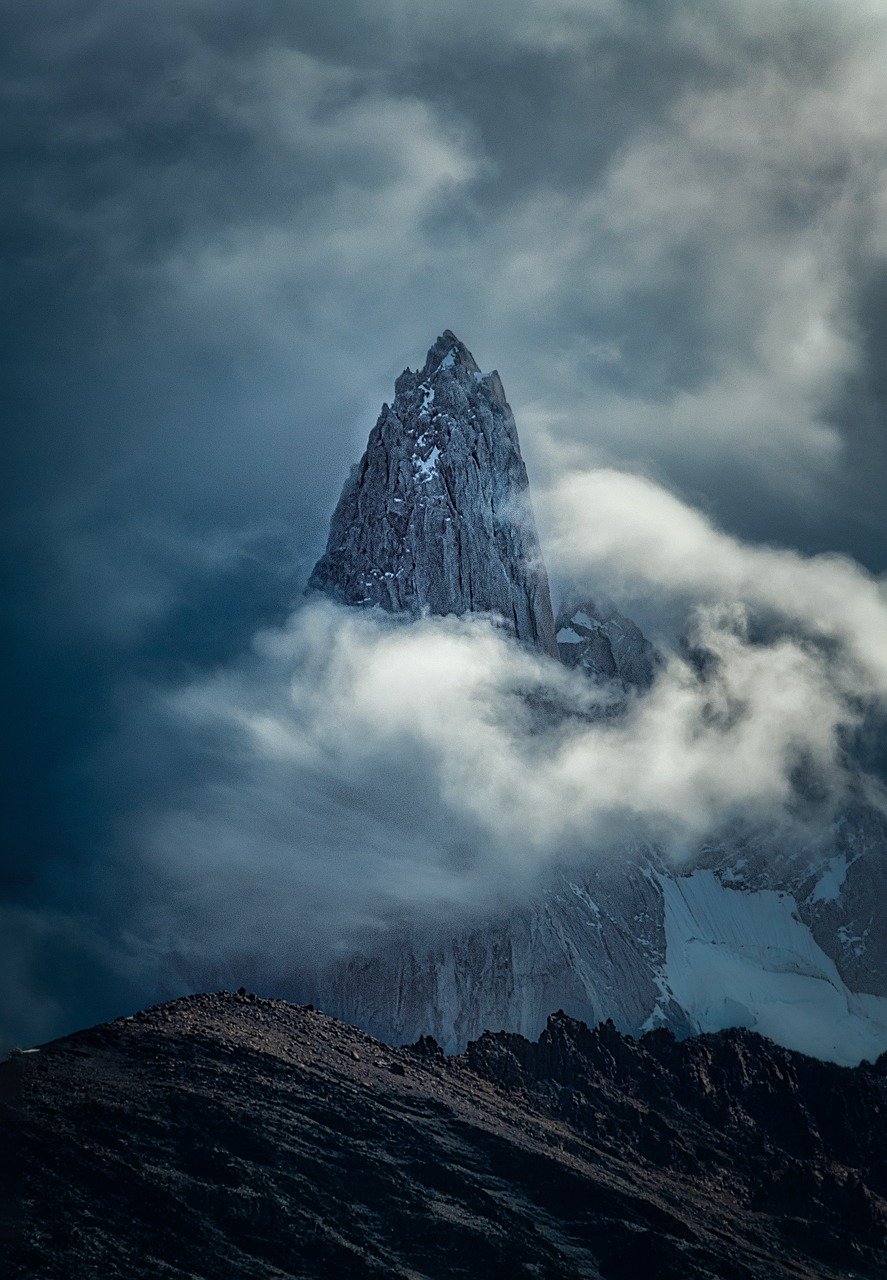
The park centrepiece is Nahuel Huapi Lake itself, a 550-square-kilometre body of deep glacial water whose multiple arms reach into different valleys, each with its own character. Boat trips to the forested Victoria Island, where a grove of North American sequoias towers above the native arrayanes, are among the most popular excursions. The Lakes Circuit, a multi-day crossing between Argentina and Chile via Lago Frias and Puerto Montt, is one of South America classic travel routes.
On land, the park offers hiking at all levels. The Cerro Tronador trail leads to the base of a 3,478-metre extinct volcano whose glaciers thunder and crack in the afternoon heat. The Arrayanes forest at the tip of the Quetrihue Peninsula is perhaps the most fairy-tale landscape in Argentina: smooth orange-and-cinnamon trunks of ancient myrtle-like trees forming a cathedral canopy over a silent path.
Lakes and Landscapes
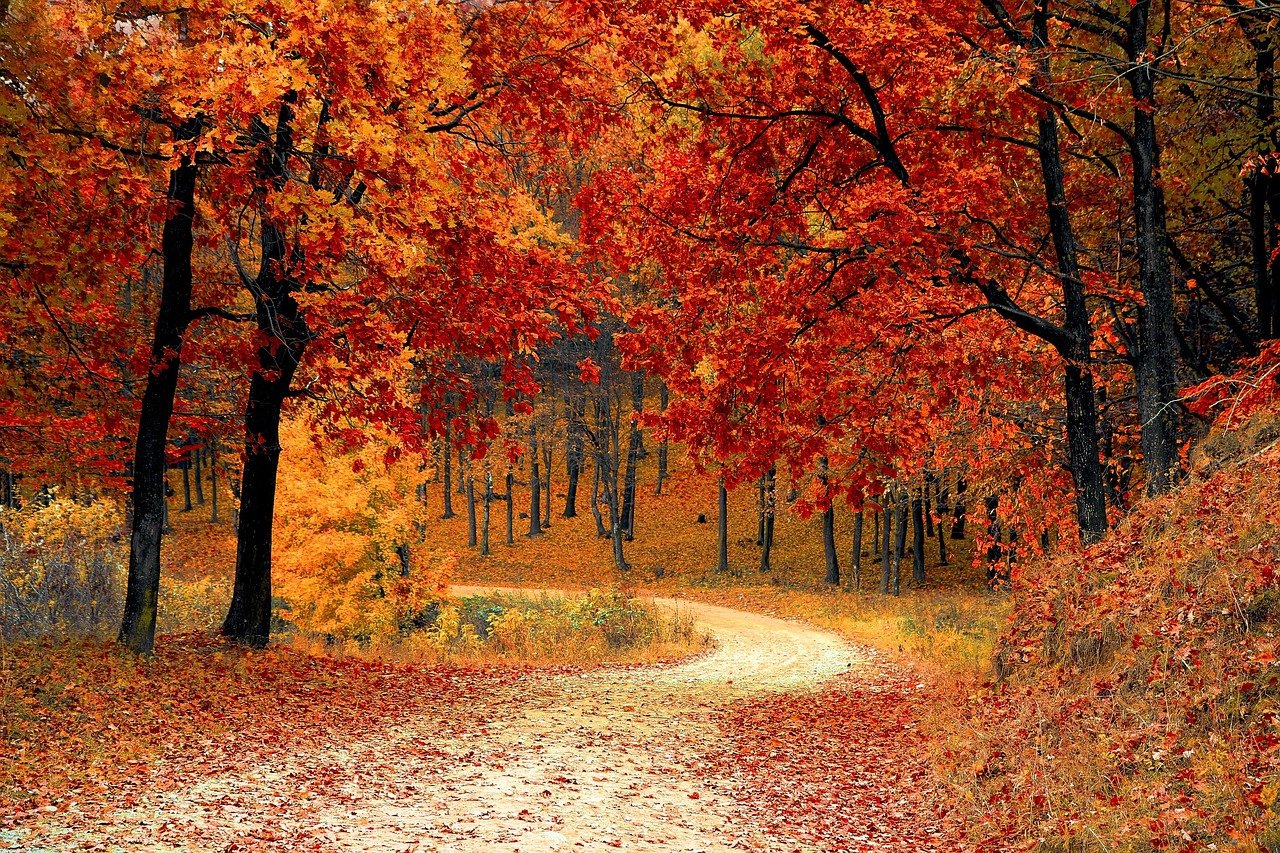
Nahuel Huapi defining quality is its variety. Within a single day you can cross woodland where hummingbirds dart between fuchsia blooms, emerge onto rocky ridges above the treeline with 360-degree Andean panoramas, and descend to the lakeshore in time for a late afternoon kayak. In late February and March, the lenga beech forest turns red, orange, and gold in one of the most dramatic autumn colour displays in the southern hemisphere.
Wildlife is abundant though often elusive: the Andean deer (huemul), the park emblematic species and Argentina national animal, can occasionally be spotted at dawn on forested slopes. Foxes are more brazen, patrolling picnic areas. Ringed kingfishers work the lake margins, and in the backcountry, pumas leave their presence in pawprints and scratched bark.
Practical Information
- Tickets: Park entry fee approximately ARS 8,000-15,000 for international visitors (2025 rates vary by season)
- Opening hours: Park open year-round 24 hours; Bariloche visitor centre 08:00-20:00 daily in high season
- Best time to visit: December-March for hiking; June-September for skiing at Cerro Catedral; March-April for autumn foliage
- Duration: Minimum 3 days; 5-7 days to explore multiple valleys and trails
- Booking: No booking required for day hikes; guided tours and boats bookable in Bariloche
Local Insights
What locals know that guidebooks do not always tell you:
- The Arrayanes forest walk at Quetrihue Peninsula is best done mid-week and early in the morning, before tour boats from Bariloche arrive and fill the narrow path.
- Rent a car rather than relying on tour buses; the Circuito Grande scenic drive covers 250 km of lake and mountain scenery that buses rush through in half a day.
- The municipal market (Mercado Municipal) in Bariloche sells local smoked fish, wild boar pate, and artisan chocolates at a fraction of tourist-shop prices.
- Cerro Campanario viewpoint can be reached by chairlift in 10 minutes and is widely considered one of the finest views in the world; go at golden hour.
- March and April are ideal months: autumn foliage peaks, crowds thin after summer, and hiking conditions are often more stable than in windy January.
Getting There
- By air: Fly to Bariloche (BRC) from Buenos Aires (1.5 hrs); flights with Aerolineas Argentinas and LATAM
- By bus: Long-distance buses from Buenos Aires (18-22 hrs); regional buses from Neuquen and other cities
- By car: Ruta 40 from the north or south; major rental agencies in Bariloche
- On foot from Bariloche: Many trailheads accessible by city bus; taxi or remis to more distant trailheads
Frequently asked questions
Do I need a car to visit Nahuel Huapi National Park?
Not strictly, but it greatly expands your options. Bariloche city buses reach several key trailheads, and tour operators run day trips to major attractions. A rental car or bicycle gives you the freedom to explore at your own pace.
Is the park open in winter?
Yes, and the ski resort at Cerro Catedral makes winter one of the park busiest seasons. Cerro Tronador and some higher trails may be snow-covered and require crampons.
Can I cross into Chile from the park?
Yes. The famous Lakes Crossing runs from Bariloche to Puerto Montt in Chile via buses and boat crossings through national parks on both sides of the border. The trip takes 1-2 days and is considered one of South America great scenic journeys.
Is camping available inside the park?
Yes. The park has numerous designated campsites, both free and paid. Backcountry camping requires registration at the park administration office in Bariloche.
What is the best single day hike?
The Refugio Frey hike (14 km round trip) to a mountain hut beside a glacial cirque lake is widely regarded as the park signature day hike, combining forest, waterfall, and dramatic rocky amphitheatre scenery.