
Museum Island (Museumsinsel)
A narrow island in the middle of the River Spree in central Berlin holds one of the greatest concentrations of museum culture on the planet. Museum Island — Museumsinsel — clusters five world-class institutions within a few hundred metres, housing treasures that range from the ancient gates of Babylon to Egyptian royal busts, Greek temples, and Roman portrait painting. The island itself is a UNESCO World Heritage Site, and strolling its cobbled paths between columned neoclassical buildings feels like navigating an open-air temple to human civilisation.
History of Museum Island
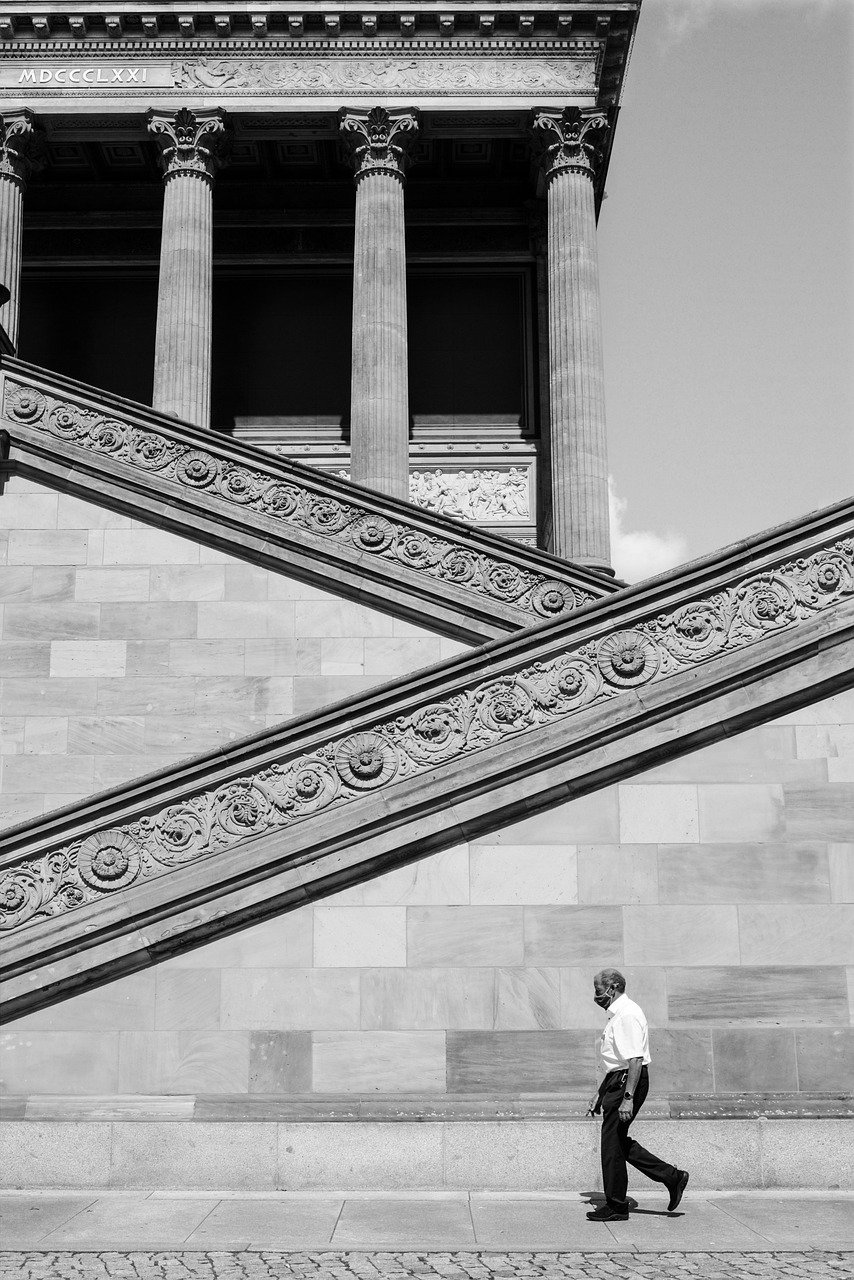
The development of Museum Island began in 1797 when Crown Prince Frederick William III of Prussia ordered the construction of a public museum on the northern tip of the Spreeinsel. The Altes Museum, designed by Karl Friedrich Schinkel, opened in 1830 — one of the first purpose-built public museums in the world. Over the following century, four more museums were added: the Neues Museum (1855), the Nationalgalerie (1876), the Bode Museum (1904), and the Pergamonmuseum (1930). Together they formed one of Europe’s grandest cultural complexes, housing collections amassed during the great age of European archaeological excavation.
World War II devastated Museum Island. Allied bombing in 1943 and 1945 destroyed or severely damaged all five buildings, and much of the collection was dispersed, looted, or lost. For decades under East German rule, the museums were partially restored and opened with reduced collections. After reunification in 1990, a massive masterplan was launched to fully restore all five museums and connect them with an underground promenade called the James-Simon-Galerie. This restoration project — one of the largest in German history — is still ongoing, with the Pergamonmuseum currently undergoing a phased renovation expected to complete in 2037.
What to See

Each of Museum Island’s five museums has a distinct character and collection focus. The Pergamonmuseum is the most famous, containing three enormous reconstructed ancient structures: the Pergamon Altar (currently closed for restoration), the Market Gate of Miletus, and the Ishtar Gate of Babylon — a towering deep-blue tiled gateway from ancient Iraq that stops visitors in their tracks. The Neues Museum houses the Egyptian collection, where the star exhibit is the painted limestone bust of Nefertiti, one of the most recognisable faces in world art history.
The Altes Museum presents Greek and Roman antiquities in Schinkel’s immaculate rotunda — a circular hall modelled on the Pantheon in Rome. The Bode Museum, occupying the island’s pointed northern tip, holds Byzantine art, medieval sculpture, and a coin collection of 500,000 pieces. The Alte Nationalgalerie showcases 19th-century European painting and sculpture across five floors, with particular strength in German Romantic painting. A single Museum Island day ticket provides entry to all five institutions — essential value given the depth of the collections.
The Collections
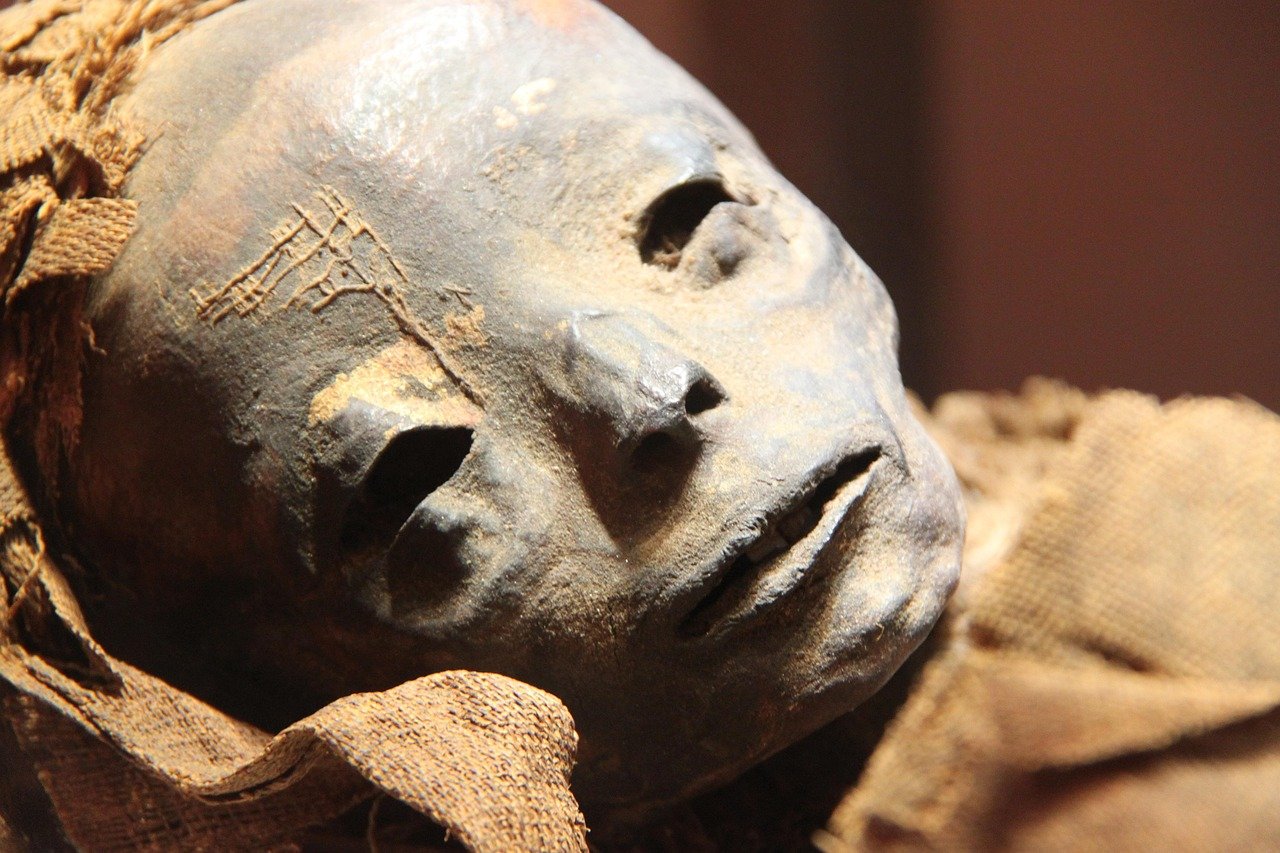
The Egyptian collection in the Neues Museum is one of the finest outside Cairo. Organised chronologically through 6,000 years of civilisation, it culminates in the third-floor room where Nefertiti stands alone behind glass, illuminated dramatically against a dark background. Her famous half-smile and the extraordinary preservation of painted detail after 3,400 years draws an almost reverential silence from the crowds gathered around her. The museum also holds entire dismantled rooms from Amarna, the city founded by her husband Akhenaten — hieroglyphic inscriptions, tomb relief panels, and royal statuary arranged as they might have appeared in ancient chambers.
The Pergamonmuseum’s Middle Eastern department extends far beyond the Ishtar Gate. The reconstructed throne room of Nebuchadnezzar II surrounds visitors with deep-blue lion reliefs, and the Market Gate of Miletus — a complete Roman gateway from present-day Turkey — rises nearly 17 metres inside the museum hall. Despite the ongoing Pergamon Altar restoration, the museum remains one of the most extraordinary experiences of ancient world history available anywhere in Europe, and its scale — you walk through the gates rather than viewing them behind barriers — gives an unprecedented sense of the ancient built environment.
Practical Information
- Tickets: Individual museum: €12–14 adult. Museum Island Day Ticket (all 5 museums): €22 adult. Berlin Museum Pass (3 days, 30+ museums): €32. Children under 18: free.
- Opening hours: Generally Tue–Sun 10am–6pm (Thu until 8pm). Closed Mondays. Neues Museum also open Monday in summer. Check each museum individually.
- Best time to visit: Tuesday and Wednesday mornings for smallest crowds. Weekends in summer are extremely busy, especially the Neues Museum.
- Duration: Half-day per museum for a thorough visit. Allow a full day for two museums. The entire island requires 2 days to explore properly.
- Booking: Online booking strongly recommended for the Neues Museum (Nefertiti). Timed entry tickets available via the SMB website (smb.museum).
Local Insights
What locals know that guidebooks don’t always tell you:
- The Berlin Museum Pass (Museumspass Berlin) at €32 for 3 days covers all five Museum Island institutions plus over 30 other state museums — extraordinary value if you plan more than one day of museum-going.
- The James-Simon-Galerie (the new entrance pavilion and archaeological promenade) is free to enter and worth exploring even without a museum ticket — the underground walkway contains Roman and Egyptian artefacts uncovered during construction.
- The Nefertiti room in the Neues Museum can have queues. Ask staff about the less-publicised Thursday evening openings (until 8pm) which are significantly quieter.
- The island’s café terrace on the Lustgarten side (facing the Altes Museum) is a lovely spot for a break — locals use it to sit on the grass beside the fountain in summer.
- The Pergamonmuseum’s Panorama (an immersive 360-degree recreation of ancient Pergamon) is a separate ticketed experience in the adjacent temporary pavilion and is worth the additional €5.
Getting There
- S-Bahn/Metro: S-Bahn lines S5, S7, S75 to Hackescher Markt (5-min walk). U-Bahn U2 to Klosterstraße. Bus 100 and 200 stop at Lustgarten directly on the island.
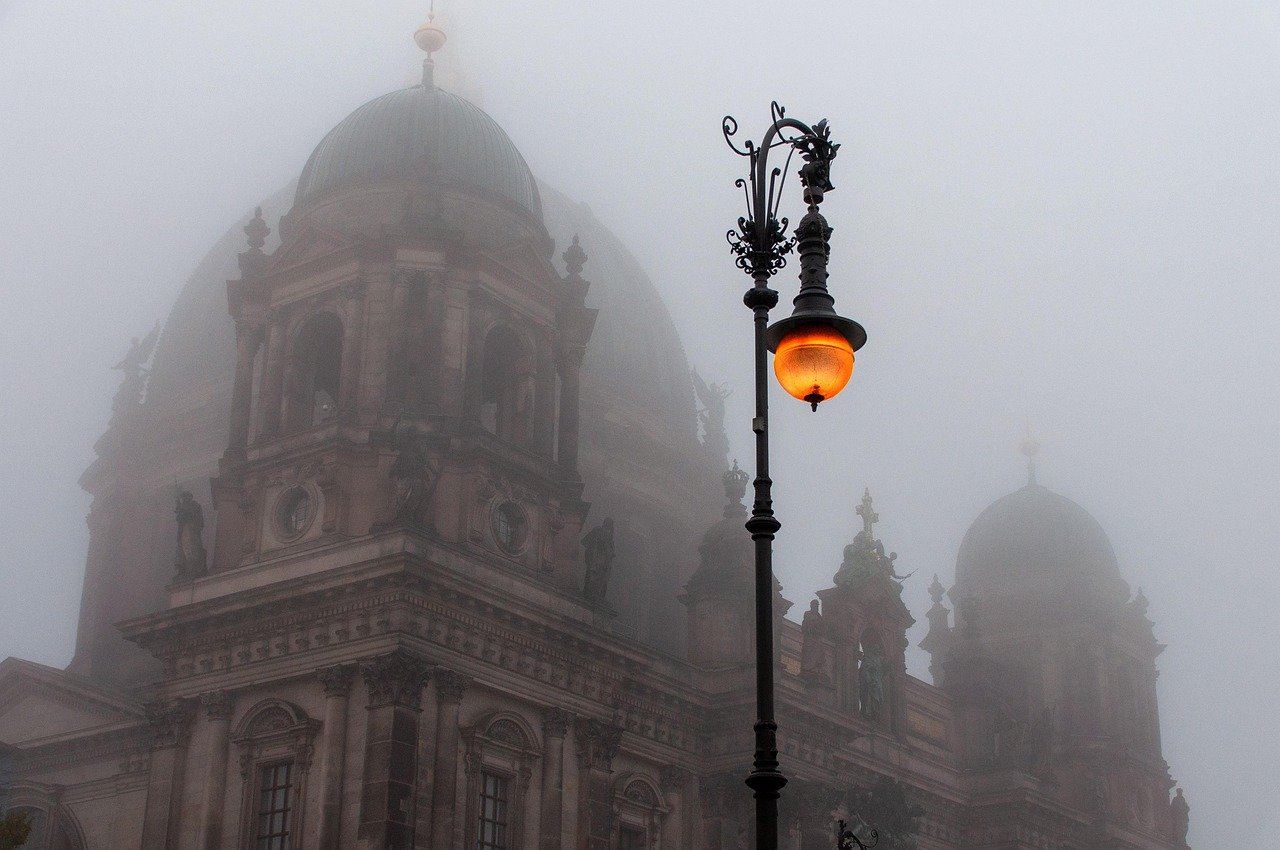
- On foot: 15-minute walk from Alexanderplatz along the Spree riverbank — a scenic route past the Berlin Cathedral.
- By tram: Tram M1, M4, M5, M6 to Hackescher Markt, then cross Monbijou Bridge to reach the island.
- Taxi/Rideshare: Drop-off at Am Lustgarten or Bodestraße. Note that vehicle access to the island is restricted.
Frequently asked questions
Do I need a timed ticket for Museum Island?
For the Neues Museum (Nefertiti), timed entry booking in advance is strongly recommended — it regularly sells out. Other museums are easier to access on the day, though booking is always advisable in summer.
Is the Pergamonmuseum open during renovation?
Partially. The Pergamon Altar is currently closed, but the Ishtar Gate, Market Gate of Miletus, and the extensive Islamic Art and Middle Eastern collections remain open. A phased reopening of all sections is scheduled for 2037.
Are children welcome at Museum Island?
Yes — entry is free for under-18s at all Berlin State Museums. The museums offer family audio guides and dedicated children’s programs, particularly at the Neues Museum and Altes Museum.
Can I photograph the Nefertiti bust?
Photography of Nefertiti is not permitted for commercial use. Personal, non-flash photography is allowed in most areas of the museums but is prohibited in some special exhibition spaces — look for signage.
What else is near Museum Island?
The Berlin Cathedral (Berliner Dom) is directly adjacent to the Altes Museum. Hackescher Markt’s courtyards, cafes, and independent shops are a 10-minute walk north. Unter den Linden boulevard — the great Berlin ceremonial avenue — runs from the island westward toward the Brandenburg Gate.