
Mt. Eden 💎 Hidden Gem
Rising 196 metres above Auckland’s suburbs, Mt. Eden — known to Maori as Maungawhau — is the city’s highest natural point and one of its most beloved landmarks. The perfectly preserved volcanic crater at its summit holds deep spiritual significance for the Maori people, and the 360-degree panorama from the rim sweeps across the entire Auckland isthmus, from the Waitemata Harbour to the Manukau Harbour, with the Hauraki Gulf islands shimmering in the distance. On a clear day, you can see why early settlers and warriors alike prized this vantage point above all others.
History of Mt. Eden
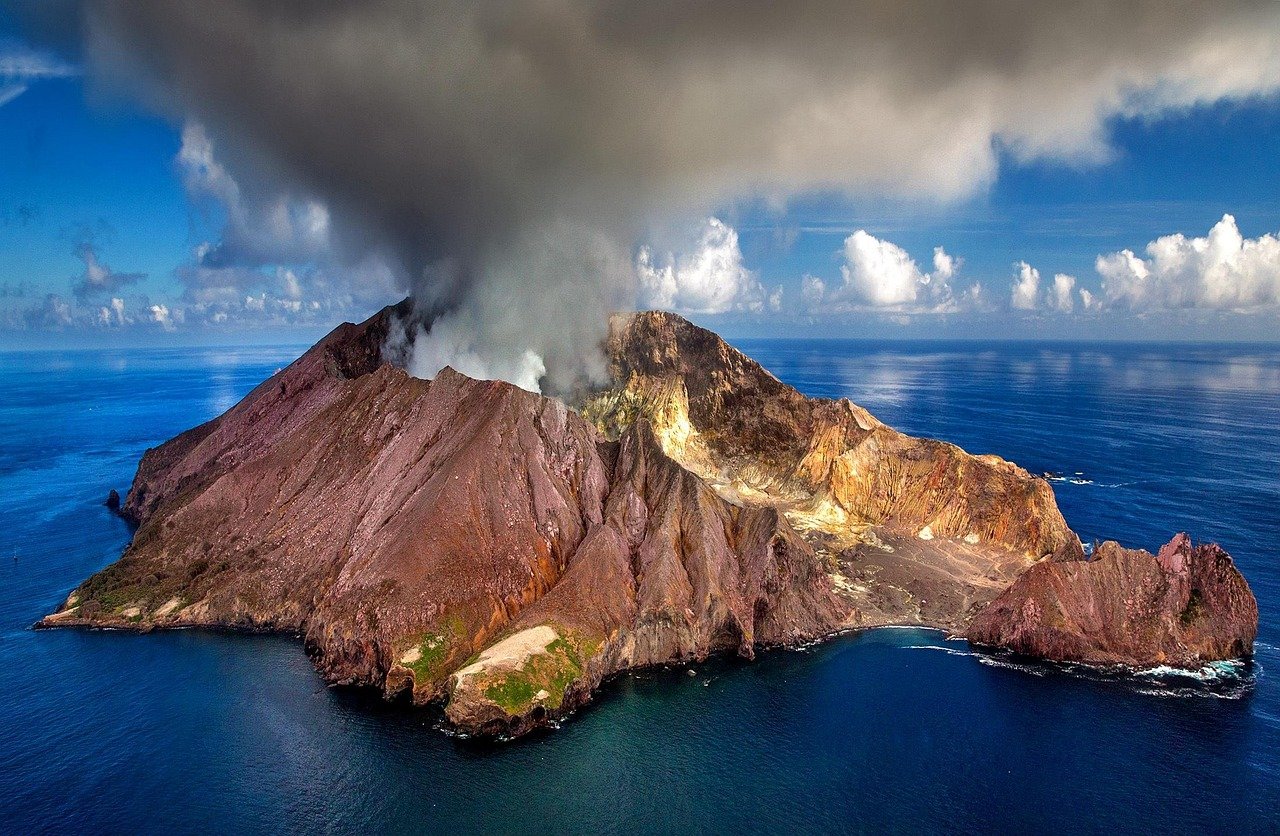
Maungawhau (meaning “Mountain of the Whau tree”) was formed by volcanic eruptions around 28,000 years ago and is part of the Auckland Volcanic Field — one of the world’s most unusual urban volcanic fields, with around 53 separate volcanoes. Maori settled the mountain extensively from around 1000 CE, and the terraced slopes still clearly visible today are remnants of elaborate pa (fortified villages). The mountain changed hands numerous times between different iwi (tribes) over centuries of Maori history. Archaeological surveys have revealed an extraordinary density of earthworks, storage pits, and defensive structures, making Maungawhau one of the best-preserved pre-European archaeological sites in New Zealand.
European settlers renamed the mountain Mt. Eden after the Earl of Auckland, and the surrounding suburb took its name from the volcano. The land was purchased by the Crown in 1844 and has been public reserve land ever since. The summit road was closed permanently to vehicles in 2019 to protect the fragile archaeological surface. The summit is now accessible only on foot, and visitor numbers are managed carefully to preserve the site’s cultural and ecological integrity.
What to See
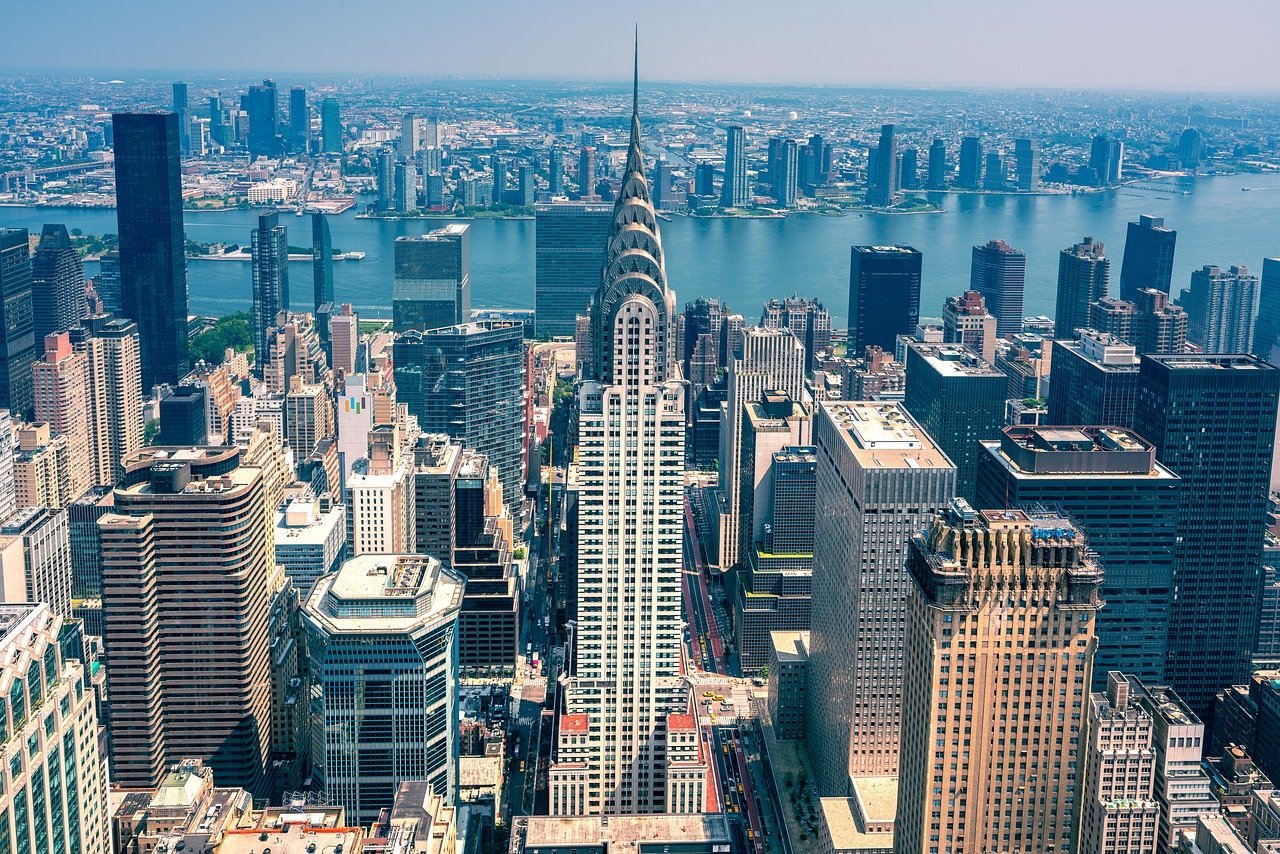
The main draw is the crater itself — a near-perfect circular depression dropping 50 metres from rim to base, its steep inner walls covered in grass so intensely green it almost looks unreal. The crater is tapu (sacred) to Ngati Whatua Orakei, the local iwi, and visitors are asked not to enter the crater bowl or walk on the terraced slopes. The rim walk takes around 20 minutes at a relaxed pace and delivers spectacular views in all directions: the Sky Tower and CBD skyline to the north, the Manukau Harbour glinting to the southwest, and on very clear days, the outline of the Coromandel Peninsula across the gulf.
The volcanic landscape around the summit is striking in its own right — the scoria rock, wind-cropped grass, and pohutukawa trees clinging to the slopes create a distinctive atmosphere. The suburb of Mt. Eden below is equally rewarding: Eden Village on Mt. Eden Road has excellent independent cafes, boutiques, and the famous Hollywood Cinema. The walk up through the residential streets is pleasant in itself, with some of Auckland’s finest villa architecture lining the approaches.
The Volcanic Crater
Auckland sits on a volcanic field that is, in geological terms, still active — Rangitoto Island in the Waitemata Harbour emerged from the sea just 600 years ago, well within Maori oral history. Mt. Eden’s crater represents the central vent from which lava and ash once erupted, and the surrounding terraced slopes represent the accumulated labour of generations of Maori who shaped this natural fortress into one of the region’s most significant pa sites. The depth and symmetry of the crater are remarkable: standing on the rim and looking down, the acoustic properties are unusual — sounds from the crater floor carry oddly to the rim.
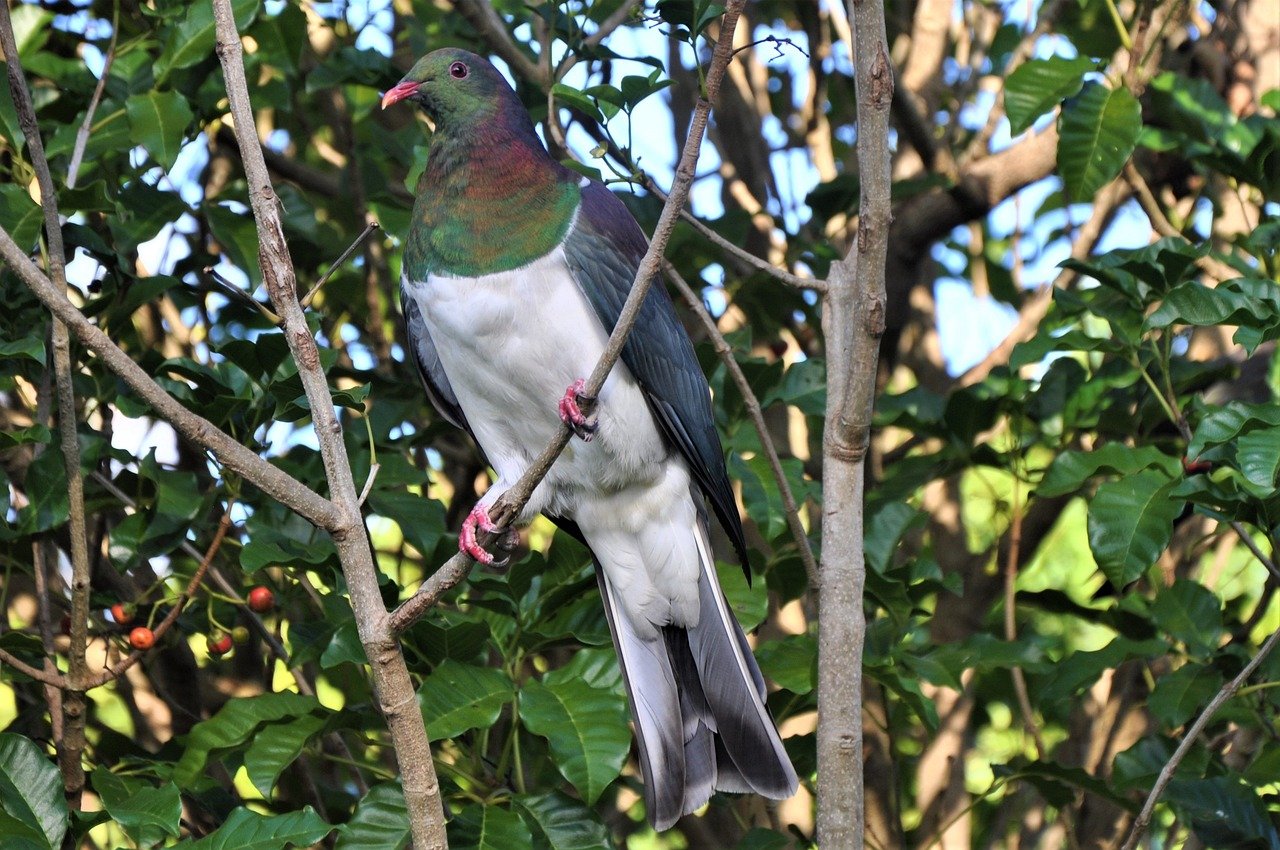
The crater’s inner slopes support a community of native grasses and plants being slowly restored through ongoing ecological work. On the outer slopes, restoration planting has brought back native species including cabbage trees, flaxes, and ground covers. Cattle grazed the mountain for much of the colonial period, but the reserve is now stock-free and the vegetation is recovering noticeably. In spring, native birds including tui and bellbird visit the summit in increasing numbers.
Practical Information
- Tickets: Free admission. No entry fee to visit Mt. Eden and the crater rim.
- Opening hours: Open daily. The summit area is accessible on foot at all hours, though the car park and facilities close after dark.
- Best time to visit: Early morning for the clearest air and fewest visitors. Sunrise visits are magical. Avoid midday in summer when crowds and haze peak.
- Duration: 1–2 hours including the walk up from the suburb and the full crater rim circuit.
- Booking: No booking required. Walk-in only since vehicle access to the summit was permanently closed in 2019.
Local Insights
What locals know that guidebooks don’t always tell you:
- Walk up from the Mt. Eden village side via Summit Road rather than driving to the carpark — the approach through the residential streets is beautiful and gives the full volcanic landscape perspective.
- The crater rim is fully exposed and wind can be intense even on warm days. Bring a layer regardless of the forecast — it is significantly cooler at the top than at street level.
- Do not enter the crater itself or walk on the terraced slopes — this is a request from Ngati Whatua Orakei for whom the site is tapu (sacred), and rangers enforce it.
- For the absolute best photography, visit at golden hour about 30 minutes before sunset. The light across the harbours at that time is extraordinary and most day visitors have already left.
- After the visit, the cafes on Mt. Eden Road are local favourites for breakfast or lunch — avoid tourist-oriented spots right at the summit car park.
Getting There
- Bus: Routes 274 and 277 from Britomart (Central Auckland) stop on Mt. Eden Road, a short walk from the summit track. Journey time approximately 20 minutes from the CBD.
- On foot: About 40 minutes walking from Auckland CBD via Newton Road and Dominion Road — a pleasant urban walk through interesting neighbourhoods.
- Car: Parking is available at the base of the summit road on Summit Road, Mt. Eden. The crater rim is no longer accessible by car — all visitors walk from the car park (around 15 minutes to the summit).
- Taxi/Rideshare: Ask to be dropped at the Summit Road car park. Journey from the CBD is 10–15 minutes.
Frequently asked questions
Is there an entry fee to visit Mt. Eden?
No, Mt. Eden is a free public reserve. There is no charge to walk to the summit or around the crater rim. The only costs would be transport to get there.
Can I walk inside the crater?
No. The crater interior and terraced slopes are tapu (sacred) to Ngati Whatua Orakei, the local Maori iwi. Visitors are asked to stay on the crater rim path. This is actively enforced by park rangers.
Is Mt. Eden accessible for visitors with limited mobility?
The path from the Summit Road car park to the crater rim is a formed gravel track with a moderate gradient — challenging but manageable for most mobility levels. The crater rim itself is a grass path that can be uneven. Wheelchair access to the very top is not currently possible.
Can I drive to the top of Mt. Eden?
No. Vehicle access to the summit crater rim was permanently closed in 2019 to protect the archaeological surface. All visitors must walk from the Summit Road car park, approximately 15 minutes to the top.
What other volcanic cones can I visit near Auckland?
One Tree Hill (Maungakiekie) in Cornwall Park is the most historically significant. Rangitoto Island is the youngest and most dramatic — accessible by ferry from downtown Auckland. North Head (Maungauika) in Devonport offers spectacular harbour views on the North Shore.