
Miletus (Miletos)
Walk through the massive gateway of the Miletus theatre and you enter a space where the world once discussed the nature of reality itself. The stage that once held Greek tragedies now stands roofless against a sky of impossible Aegean blue, its stone seats rising in perfect curved tiers above a landscape that has been steadily claiming the city back for two thousand years. Miletus is not the most visited of Turkey’s ancient sites — and that is precisely its magic. The crowds thin quickly once you pass the Roman theatre, and you can stand alone in the Faustina Baths or wander the crumbling colonnaded street with nothing but birdsong and the distant shimmer of the Büyük Menderes River for company.
History of Miletus
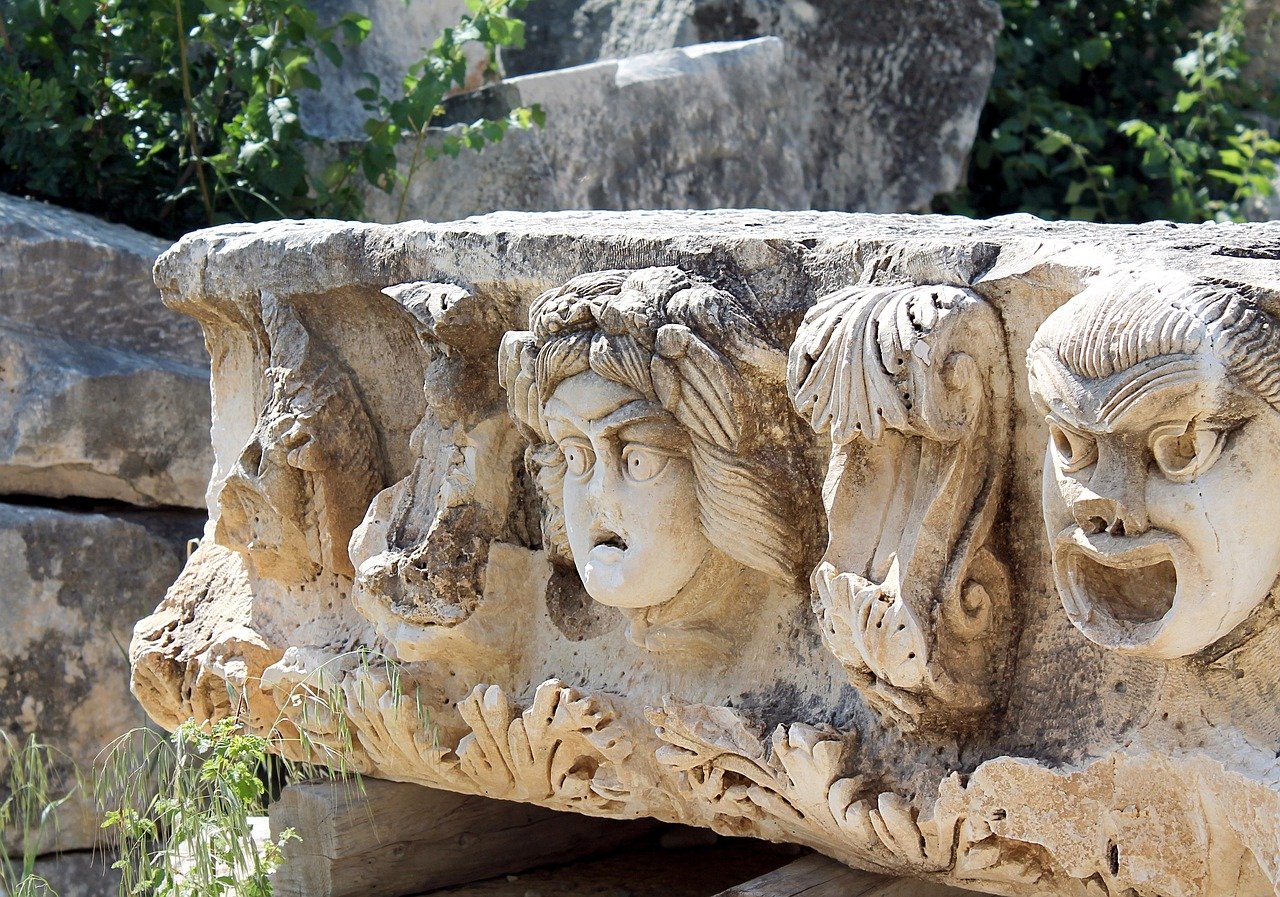
Miletus was once one of the greatest cities in the ancient world — a wealthy, cosmopolitan port at the mouth of the Maeander River (today the Büyük Menderes) on the Aegean coast of Ionia. In the 6th century BC it was the intellectual capital of the Mediterranean world, home to Thales, Anaximander, and Anaximenes — the first philosophers to seek natural rather than supernatural explanations for the cosmos. They are credited with founding Western philosophy and science. Miletus also founded over 90 colonies around the Black Sea and Mediterranean, making it one of history’s most prolific colonising city-states.
The city passed through Lydian, Persian, and then Greek hands before becoming part of Alexander the Great’s empire after 334 BC. It thrived under the Romans, who rebuilt it on a grand scale — the great theatre, the baths, the colonnaded market gate (now in Berlin’s Pergamon Museum) all date to this era. Miletus declined as the Maeander River silted up its harbours over centuries, turning the sea-lapped city into an inland agricultural plain. Today the ruins lie scattered across flat farmland, hauntingly quiet and remarkably underdiscovered compared to Ephesus just 90 kilometres north.
What to See at Miletus
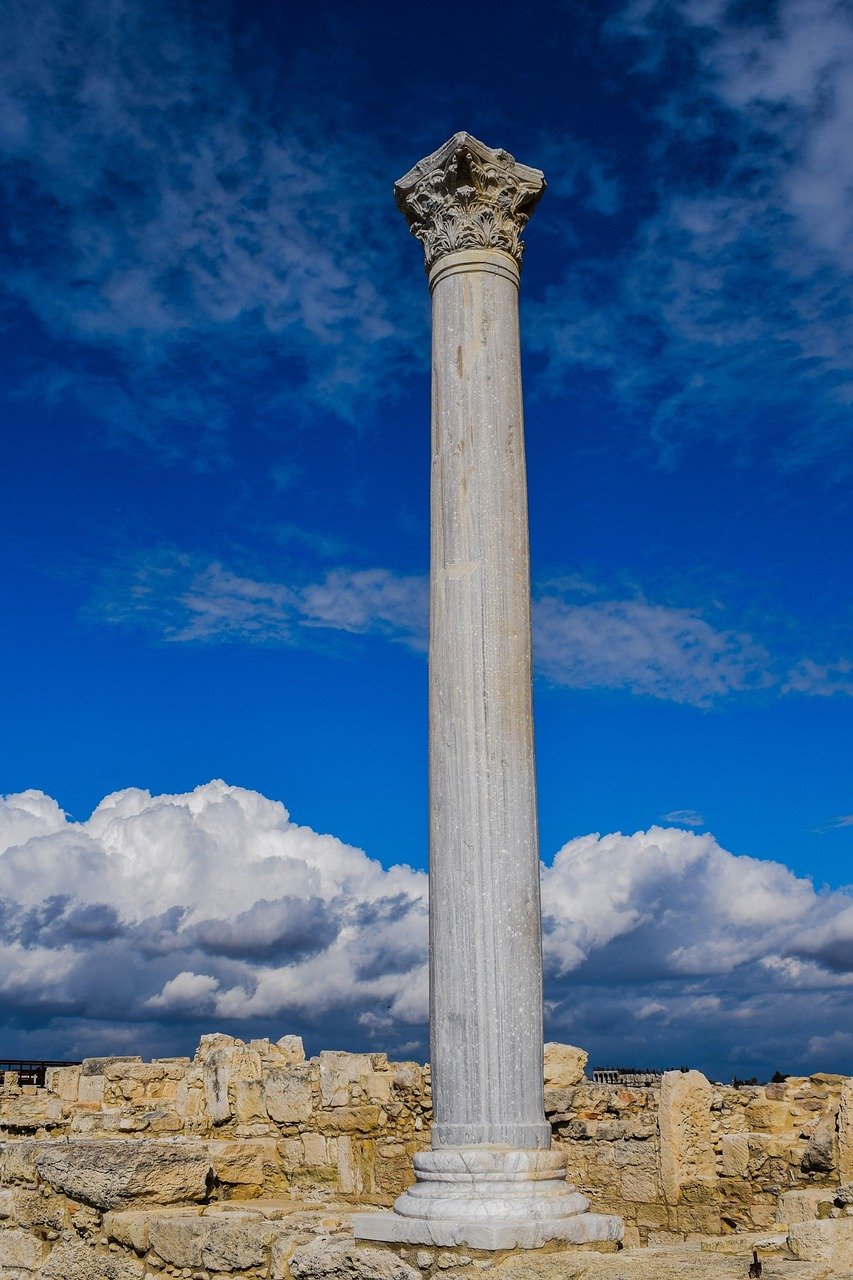
The centrepiece is the theatre, one of the best-preserved Roman theatres in Turkey, capable of seating up to 15,000 spectators and constructed on the foundations of an earlier Hellenistic theatre. Climb to the upper tiers for a panoramic view across the entire ancient city site — on clear days you can see the distant hills above Didyma. Below the theatre, the ruins spread out in all directions: the Bouleuterion (council chamber), the Nymphaeum (ornamental fountain), and the sprawling Faustina Baths, built in the 2nd century AD for the wife of Emperor Marcus Aurelius and still impressively intact.
The Miletus Museum on site is small but thoughtfully arranged, with sculpture, mosaics, pottery, and coins found in excavations displayed alongside scale models that help visualise the city at its height. Allow at least 2–3 hours to walk the full site and visit the museum. The site is large and unshaded, so water, sun protection, and comfortable shoes are essential. Morning visits avoid both the worst heat and the small tour groups that arrive from Kuşadası after 10am.
The Great Theatre
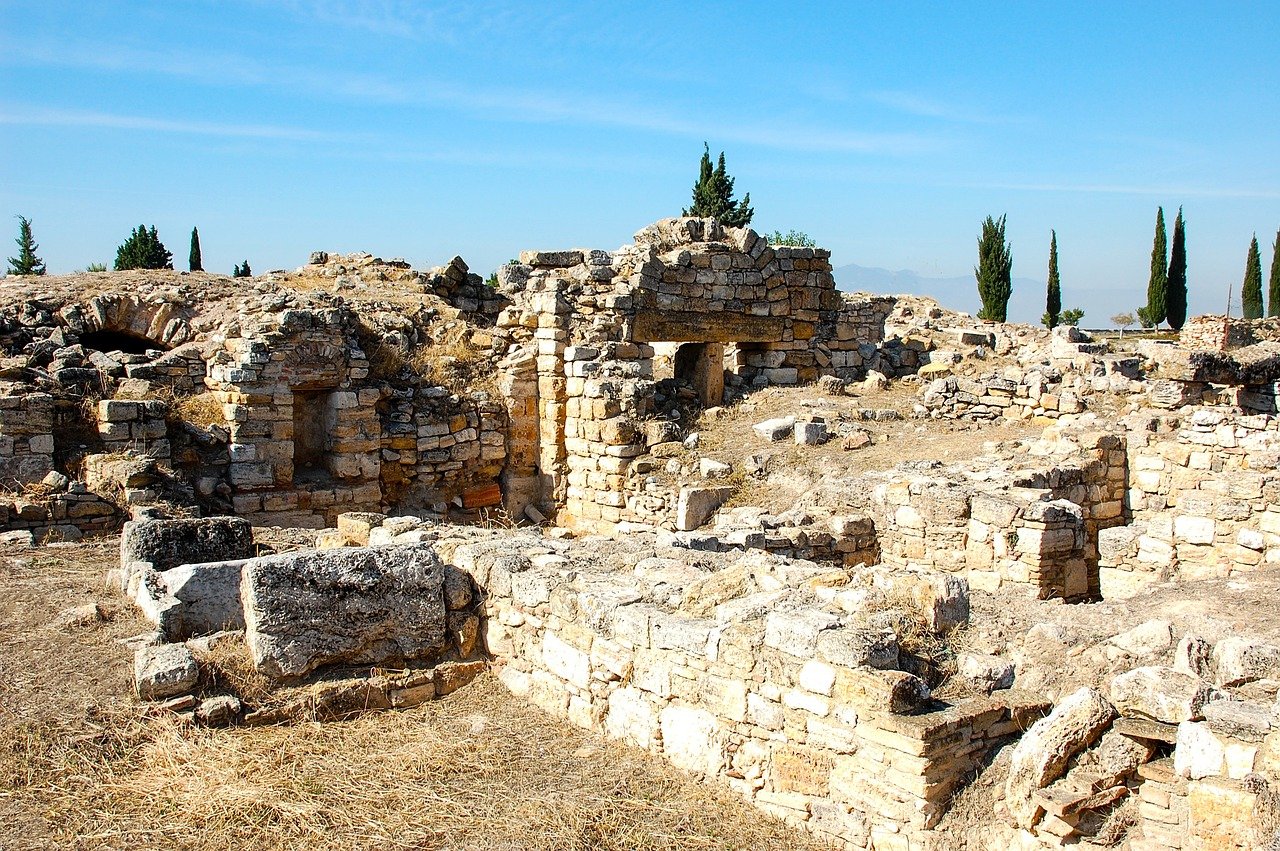
The theatre at Miletus is a masterpiece of ancient engineering that has survived earthquakes, centuries of stone robbing by medieval builders, and the encroachment of farmland. Built initially in the Hellenistic period and massively expanded under Roman rule, the cavea (seating area) is divided into three horizontal sections connected by walkways. The stage building (scaena) was three storeys tall with an elaborately decorated facade — fragments of its carved decoration are preserved in the on-site museum and in Istanbul’s Archaeological Museum.
What makes the Miletus theatre particularly compelling is its relationship to the landscape. The original Greek theatre was oriented to face the sea, with the stage area at sea level and the natural hillside providing the backdrop. As the Romans expanded it, they retained this sea-facing orientation even as the city’s harbours silted up around them. Today, standing at the centre of the orchestra — the circular performance area — you can look out over what was once a busy harbour and is now agricultural fields stretching to the horizon, a powerful reminder of how dramatically geography can change.
Practical Information
- Tickets: Approx. 100 TL (under €6); museum included in entry. Check current rates on arrival as prices are updated annually.
- Opening hours: Summer (Apr–Oct): 08:00–19:00; Winter (Nov–Mar): 08:30–17:30; open daily
- Best time to visit: April–June or September–October for comfortable temperatures; arrive before 10:00 to beat tour groups from Kuşadası
- Duration: 1.5–3 hrs for the full site including museum
- Booking: No advance booking required; pay at the entry gate. Parking is free.
Local Insights
What locals know that guidebooks don’t always tell you:
- Combine Miletus with Priene and Didyma in a single day — all three ancient cities are within 40km of each other and collectively offer a far more complete picture of Ionian civilization than any one site alone.
- The small cafes on the road leading to the site sell freshly squeezed orange juice and traditional Turkish breakfast — fuel up here rather than arriving hungry with no shade in sight.
- The Faustina Baths, often overlooked in favour of the theatre, contain some of the most impressive standing masonry on site including barrel-vaulted halls and ornately carved doorframes.
- The site gets very hot from June to August — bring at least 1.5 litres of water per person and apply sunscreen generously before entering.
- Miletus sees a fraction of Ephesus’s visitor numbers, making it possible to have major monuments entirely to yourself on weekday mornings.
Getting There
- By car: From Kuşadası: 90 km south (approx. 1.5 hrs via D515). From Bodrum: 90 km north (approx. 1.5 hrs). Parking free at site.
- By minibus: Dolmuş services from Söke (nearest town, 22 km) run periodically; check local timetables. Söke is reached by bus from İzmir or Kuşadası.
- Guided tours: Most Kuşadası and Bodrum tour operators offer Miletus–Priene–Didyma day tours; this is often the most convenient option without a rental car.
- Taxi: From Söke to Miletus and back with waiting time, negotiate a fixed price in advance (approx. 300–500 TL depending on season)
Frequently asked questions
Is Miletus worth visiting if I’ve already seen Ephesus?
Absolutely. Miletus and Ephesus have very different characters. Ephesus is polished and crowded; Miletus is raw and quiet. The philosophical heritage of Miletus — as the birthplace of Western philosophy — adds an intellectual dimension that Ephesus, despite its grandeur, cannot match.
Can I visit Miletus without a car?
It is possible but requires effort. Dolmuş services from Söke run infrequently. The most practical non-driving option is a guided day tour from Kuşadası or Bodrum, which typically combines Miletus with Priene and the Didyma oracle.
Is there shade at the site?
Very little. The site is largely open farmland with minimal tree cover. Bring a hat, sunscreen, and more water than you think you’ll need, especially in summer.
How far is Miletus from Ephesus?
Approximately 90 km south of Ephesus, about 1.5 hours by car. Most organised tours combine both sites in a single day, though this makes for a very long day — consider splitting them if time allows.
What is the Lion Harbour at Miletus?
The Lion Harbour was the main port of ancient Miletus, named for the two stone lion statues that once guarded its entrance. Both lions are preserved at the site. The harbour basin is now completely silted up and forms a marshy depression visible from the theatre upper tiers — one of the most striking examples of geographical change at any ancient site in Turkey.