
Maracana Stadium (Estádio do Maracanã)
Walk through the tunnel at Maracanã and the noise hits you before the light does — a wall of sound, the exhalation of a hundred thousand voices, the cathedral roar of football’s most mythologized ground. Even on a quiet tour day, when the stands are empty and your footsteps echo under the concrete vaults, the stadium hums with the accumulated energy of every final, every heartbreak, every triumph that has unfolded on this pitch since 1950. Maracanã is not merely a stadium; it is a national monument where Brazil’s relationship with football — passionate, personal, and sometimes unbearable — plays out in full public view. To visit it is to understand something essential about Rio de Janeiro, and about Brazil itself.
History of Maracanã Stadium
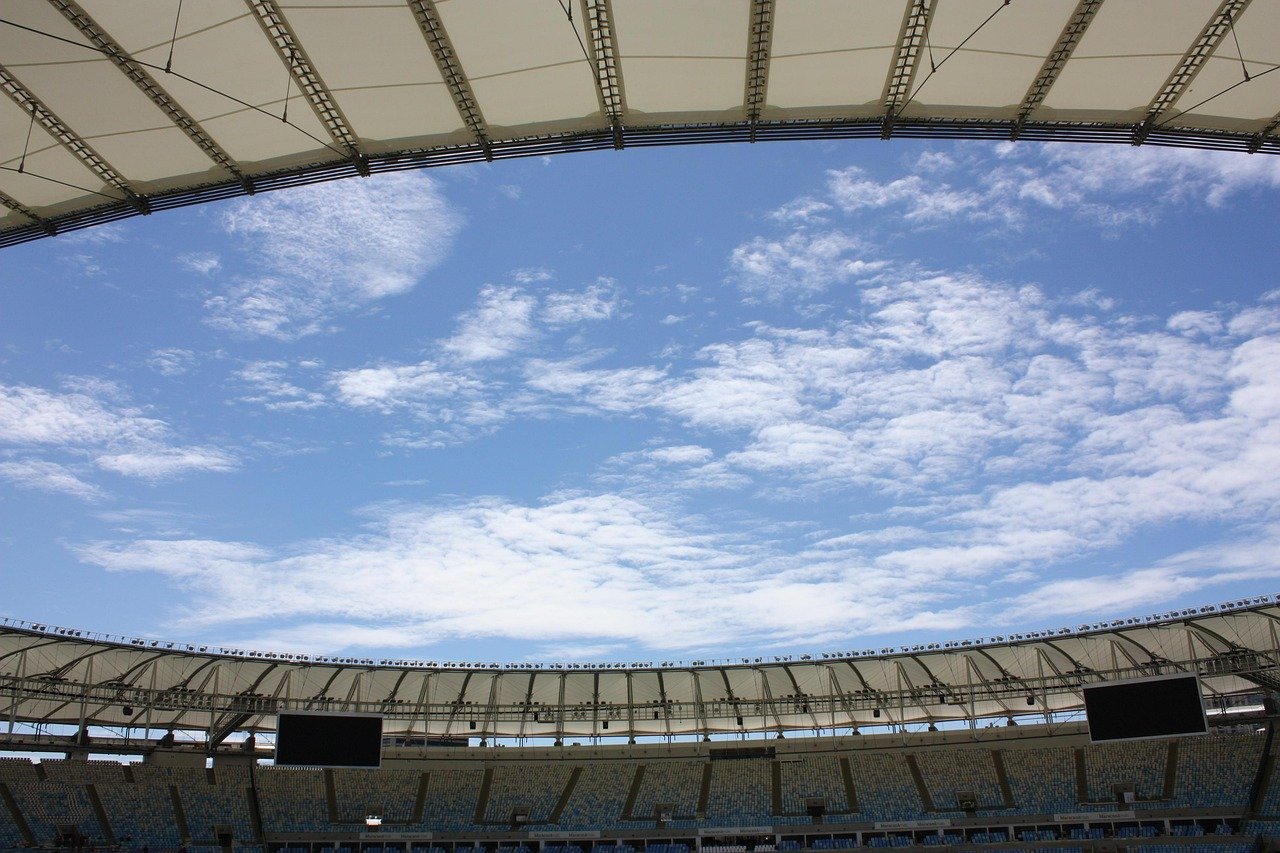
Maracanã was built for the 1950 FIFA World Cup, constructed in just under two years on a site in the Tijuca neighbourhood of Rio de Janeiro. Its official name is Estádio Jornalista Mário Filho, after a sports journalist who campaigned for its construction, but no one calls it that. When it opened, it was the largest stadium ever built, designed to hold over 200,000 spectators — a figure that speaks to both the ambition and the raw fervour of Brazilian football in the postwar period. The 1950 World Cup final, played against Uruguay before an estimated 173,850 spectators, ended in a 2-1 defeat for Brazil that left the country in a state of collective shock. The “Maracanazo,” as Brazilians call it, remains one of the most discussed sporting disasters in any culture, and the stadium where it happened carries that memory into every subsequent event.
Over the following decades Maracanã became the stage for the defining moments of Brazilian football: Pelé scoring his 1,000th career goal here in 1969, the Copa Libertadores finals, the Confederations Cup, and ultimately the 2014 FIFA World Cup final and the 2016 Rio Olympics opening and closing ceremonies. Substantial renovations preceded the 2014 World Cup, reducing the official capacity to approximately 78,838 all-seated spectators to meet modern safety standards. The result is a stadium that balances its historic grandeur with contemporary infrastructure — the largest football-specific stadium in South America and still one of the most atmospheric sporting venues on Earth.
What to See at Maracanã Stadium
The Guided Stadium Tour

The official guided tour (R$94 full price, R$47 half price for students, seniors 60+, children 3–10, and people with disabilities) runs daily from 9:00 am to 4:30 pm, with guided groups departing throughout the day. Tickets can be purchased online at tourmaracana.com.br or at the gate (Gate A for pedestrians). The route takes visitors through areas ordinarily closed to the public: the home and away changing rooms with their institutional blue tiles and trophy displays, the player tunnel leading out to pitch-side, the press rooms and commentary booths, the VIP areas and glass-fronted directors’ boxes, and eventually the stands themselves, where you sit for a moment in the same seats as the fans and look down at that famous green rectangle. Guides deliver the tour in Portuguese, English, and Spanish, lacing the route with match anecdotes and club history that bring the empty corridors to life. The tour lasts approximately 60 minutes and covers significant ground, so comfortable walking shoes are advisable.
The Pitch and the Hall of Fame

The Maracanã tour culminates at the pitch itself — or at least the edge of it — where visitors can look out across the playing surface from pitch level. The turf is meticulously maintained and the scale of the bowl becomes fully apparent only when you are standing beside it: the upper tiers soar above you in a continuous oval, and the floodlights on their gantries dwarf everything nearby. Outside the stadium, embedded in the plaza pavement, is the famous Wall of Fame: concrete footprints and handprints of Brazilian football legends including Pelé, Zico, Ronaldo, Ronaldinho, and Romário. The prints are small, human-sized, and strangely moving — the physical impression of hands that shaped the game. The plaza also houses the Museu do Futebol (Football Museum, separate admission), which traces the history of Brazilian football through interactive exhibits, archival footage, and remarkably evocative displays of football shirt collections and World Cup memorabilia spanning eight decades.
Match Days at Maracanã
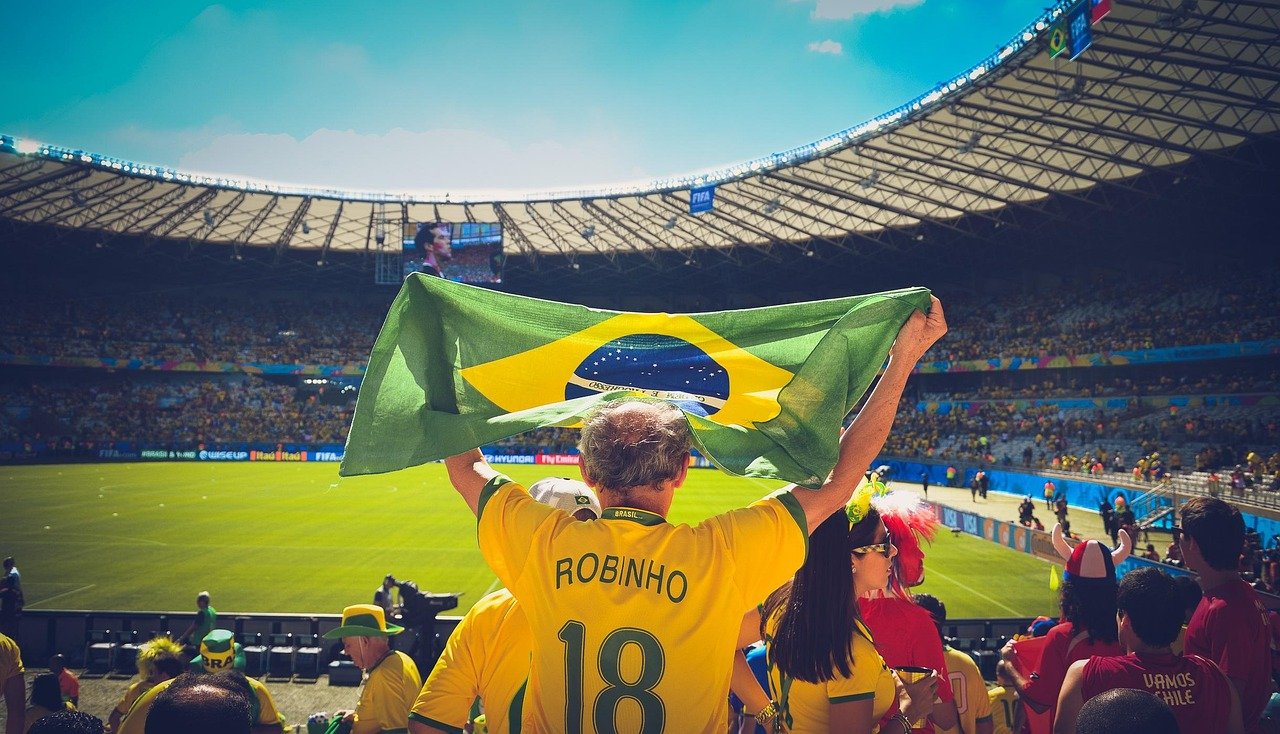
A tour is memorable; a live match at Maracanã is transformative. The stadium hosts fixtures for Flamengo and Fluminense — Rio de Janeiro’s two dominant clubs — throughout the Brazilian football season (roughly January to December with a winter break), as well as Copa Libertadores and Copa do Brasil knockout rounds. Attending a Fla-Flu derby (Flamengo versus Fluminense) or a Flamengo match during a Libertadores campaign is among the most intense sporting experiences available anywhere in the world. Ticket prices vary from approximately R$40 for distant upper-tier standing areas to R$300 or more for covered central seats. Purchase through official club websites or the official Maracanã ticketing portal; avoid unofficial touts outside the stadium. Arrive at least 90 minutes before kick-off as security queues grow quickly, and embrace the pre-match ritual of grilled meat skewers and cold beer from the vendors in the plaza — this is as integral to the experience as the football itself.
Maracanã holds a special place in the sociology of Brazilian identity. Football here is not a pastime but a civic religion, and the stadium is its principal temple. The 1950 World Cup defeat, the Maracanazo, spawned decades of cultural reflection in Brazilian literature, music, and film — the sociologist Roberto DaMatta wrote extensively about how that moment crystallized anxieties about Brazilian national character, and the walls of Maracanã have absorbed every subsequent chapter of that ongoing national conversation. When Brazil hosted the 2014 World Cup and lost 7-1 to Germany in the semifinal (played in Belo Horizonte, not Maracanã), the emotional resonance with 1950 was immediate and widely discussed. Yet the stadium itself endures, renewed and enlarged, hosting new generations of drama. It is a living institution — still scheduling fixtures, still producing moments that become part of the national story — and that vitality is precisely what makes a visit so compelling even for visitors with only a passing interest in football.
Local Insights
These tips from local Rio residents and experienced visitors will sharpen your Maracanã experience considerably.
- Check the match calendar before you book flights: If attending a live match is your priority, build your Rio trip around the fixture list. Flamengo’s home matches at Maracanã, particularly Libertadores nights, sell out weeks in advance. The Brazilian league (Campeonato Brasileiro) runs February through December; check flamengoingressos.com.br for the official schedule and ticket sales.
- Go early on tour days, avoid match-day afternoons: Stadium tours are suspended on match days from approximately 6 hours before kick-off. If your visit coincides with a match, plan to tour in the morning. Non-match weekday mornings between 9:00 am and 11:00 am are the quietest tour windows, with smaller groups and more time with the guide at each stop.
- Combine with the Museu do Futebol: The Football Museum adjacent to the stadium (separate ticket, approximately R$20–25) is one of the best sports museums in the world. Its interactive exhibits on Brazilian football culture, including a remarkable room built around archival broadcast recordings of iconic goals, deserve at least 90 minutes. Buy the combined stadium-plus-museum ticket if available.
- Metro is the smartest transport option: The Maracanã metro station (Line 2, orange) drops you at the stadium gate with a 2-minute walk. On match days, post-game metro queues are significant — wait 30–45 minutes after the final whistle for crowds to thin before heading to the station. Uber surge pricing on match nights can be steep; the metro is far more reliable.
- Bring photo ID for half-price tickets: Students, seniors, and those with disabilities are entitled to 50% discount on tour tickets, but the discount is only applied on presentation of valid identification at the gate. A passport or student card works. Without it, you will pay full price regardless of your eligibility — the gate staff cannot make exceptions.
Planning Your Visit
- Tickets: Stadium tour R$94 (~USD 18) full price; R$47 (~USD 9) half price (students, seniors 60+, children 3–10, disabled persons plus one companion). Children under 2 free with documentation. Book online at tourmaracana.com.br or purchase at Gate A. Match tickets vary R$40–R$300+ depending on seat category and fixture importance.
- Opening hours: Tours run daily 9:00 am – 4:30 pm (last entry). Box office at Gate A open same hours. Tours suspended on match days from approximately 6 hours before kick-off.
- Best time: Weekday mornings (Tuesday–Thursday) for quietest tours. For a match, any home Flamengo game for atmosphere; Copa Libertadores knockout rounds are the most electric. Avoid tour visits on match afternoons.
- Duration: Stadium tour approximately 60 minutes. Allow 90 minutes if also visiting the Football Museum. For a match, plan 4–5 hours total including arrival, match, and departure.
- Booking: Tours can be booked online at tourmaracana.com.br. No advance booking strictly required for tours but recommended for weekends. Match tickets must be purchased in advance through official club portals.
Getting There
- Bus: Several municipal bus lines stop near Maracanã along Avenida Maracanã and Rua Professor Eurico Rabelo. From Copacabana, buses 455 and 474 run to the area. Journey time from the South Zone beaches is approximately 30–45 minutes depending on traffic.
- By car: The stadium is located on Rua Professor Eurico Rabelo in the Maracanã neighbourhood. Paid parking available in surrounding streets and private lots nearby. On match days road closures are common — arrive at least 2 hours before kick-off and expect significant post-match congestion.
- On foot: From the Maracanã metro station it is a 2-minute walk to the stadium entrance. The neighbourhood is walkable during daylight hours; exercise standard urban awareness as in any large Brazilian city.
- Taxi/ride-share (Uber widely available in Brazil): Uber is the easiest option from the South Zone (Copacabana, Ipanema, Leblon) and from the historic centre. Expect R$25–50 depending on distance and traffic. On match days, surge pricing applies and traffic around the stadium is severe — book early departure to avoid being stranded.
Frequently asked questions
What is the best way to get tickets to a live match at Maracanã?
Purchase directly from the official websites of the competing clubs — flamengoingressos.com.br for Flamengo matches and fluminense.com.br for Fluminense fixtures. The official Maracanã ticket portal (bilheteriadigital.com) also sells tickets for some events. Avoid purchasing from scalpers outside the stadium, as counterfeit tickets are common at high-profile matches. For Copa Libertadores fixtures, buy at least two weeks in advance. Bring your passport to collect tickets if purchasing online, as Brazilian stadium security now requires ID matching the ticket purchaser for seated sections.
Is the Maracanã tour suitable for children?
Absolutely. Children under 2 enter free and children aged 3–10 receive half-price tickets. The tour includes areas that fire children’s imaginations — the player tunnel, the changing rooms, the pitch-side view — and guides are experienced at adjusting their pace and content for younger visitors. The tour involves moderate walking (approximately 1.5 km through corridors and stands) with some stairways but no difficult terrain. Buggy access is limited inside the stadium itself. Match day attendance with children is possible but best suited to earlier kick-off times; late evening Libertadores games with large ultras sections are intense environments that very young children may find overwhelming.
Can I see the pitch up close during the tour?
Tour visitors access the pitch-side area and can view the playing surface from ground level via the player tunnel exit. You will not be permitted to walk on the pitch itself (the turf is maintained to professional playing standards and access is strictly controlled), but the view from the tunnel mouth — looking out across the field with the stands rising around you — is one of the most memorable moments of the tour. This is exactly the perspective that players experience emerging for a match, and it is genuinely stirring even with an empty stadium around you.
What other attractions are near Maracanã?
The Quinta da Boa Vista — a large public park housing the National Museum of Brazil and the Rio Zoo — is a 10-minute walk from the stadium and makes an excellent half-day companion to a Maracanã tour. The São Cristóvão neighbourhood immediately north of the stadium has a traditional northeastern market at the Campo de São Cristóvão on weekends. The Tijuca Forest, the world’s largest urban tropical forest, starts within a 15-minute drive; its trails and waterfalls are accessible via Uber from the stadium. Corcovado and Christ the Redeemer are approximately 20–25 minutes by car from Maracanã.