
Latin American Art Museum of Buenos Aires (Museo de Arte Lationoamericano de Buenos Aires, MALBA)
In a city famous for the tango, the parrilla, and the passions of fútbol, MALBA quietly stakes its own claim to the soul of Buenos Aires. The Museo de Arte Latinoamericano de Buenos Aires — MALBA for short — sits on Avenida Figueroa Alcorta in the leafy Palermo neighbourhood, its sharp glass-and-concrete facade a deliberate act of architectural confidence. Inside, more than 400 works trace the story of Latin American art through the twentieth century and into the present, from the vivid self-portraits of Frida Kahlo to the political canvases of Argentina’s own Antonio Berni. For anyone even remotely interested in art, identity, or the cultural complexity of this continent, a few hours here will be among the best-spent of your trip.
History of MALBA
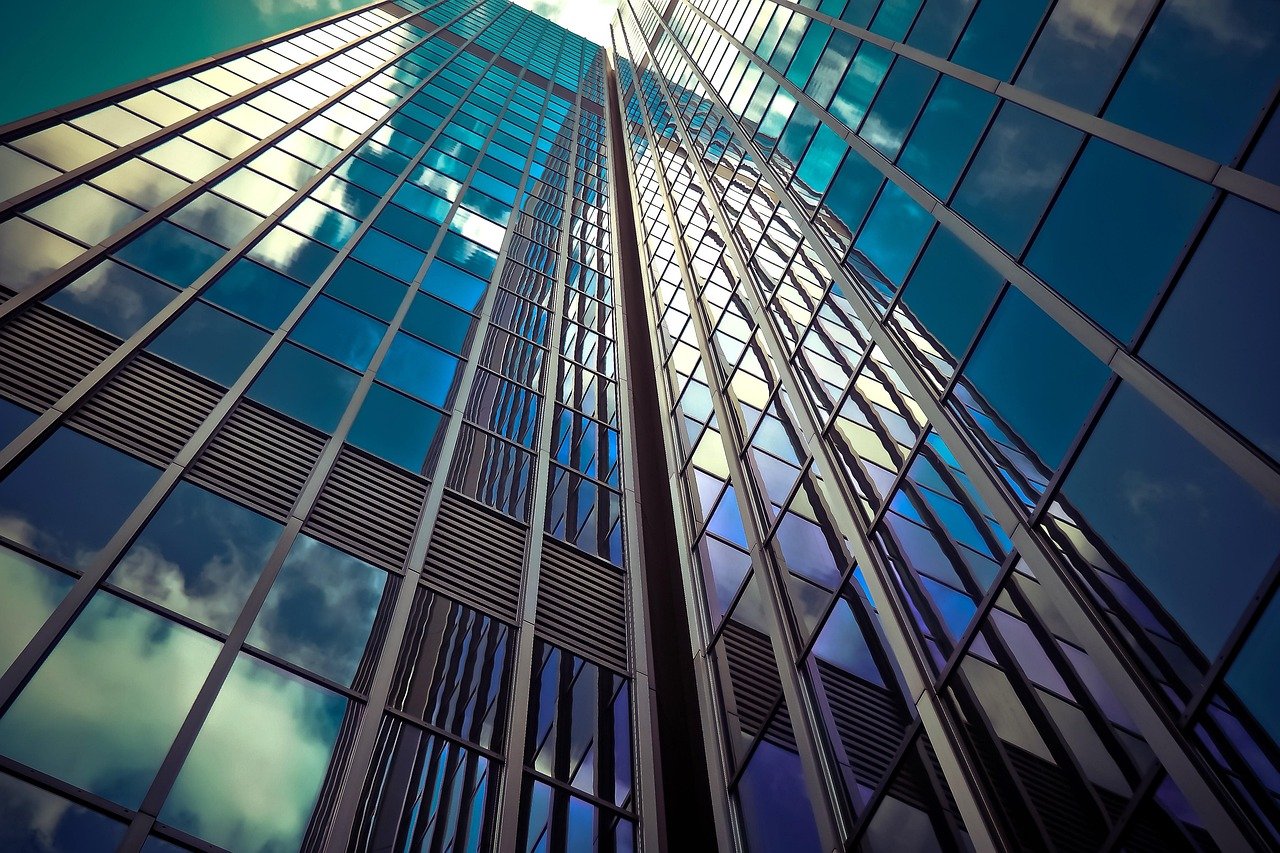
MALBA owes its existence to Eduardo Costantini, a Buenos Aires real estate magnate who spent decades assembling one of the finest private collections of Latin American art in the world. Costantini began buying in the 1970s and 1980s, at a time when the market for Latin American modernism was still thin and works by Frida Kahlo, Tarsila do Amaral, and Diego Rivera could be acquired for relatively modest sums. His instincts proved impeccable. By the late 1990s he had accumulated some 220 major works, and he had come to believe that they deserved to be seen by the public — particularly in Buenos Aires, a city with a sophisticated cultural life but no dedicated space for the art of its own hemisphere.
The museum building was designed by the Buenos Aires architects Gastón Atelman, Martín Fourcade, and Alfredo Tapia and opened in September 2001 — just months before Argentina’s catastrophic economic collapse at the end of that year. The timing was terrible in financial terms but the museum endured, becoming a cultural anchor through the crisis. The Fundación Costantini, the private foundation that operates MALBA, has continued to grow the collection and add programming ever since. Today the museum presents rotating exhibitions alongside the permanent collection, operates a highly regarded cinematheque (one of Buenos Aires’ best arthouse screening rooms), and hosts a busy programme of talks, workshops, and events that draw both local art lovers and international visitors to Palermo.
What to See at MALBA
The Permanent Collection
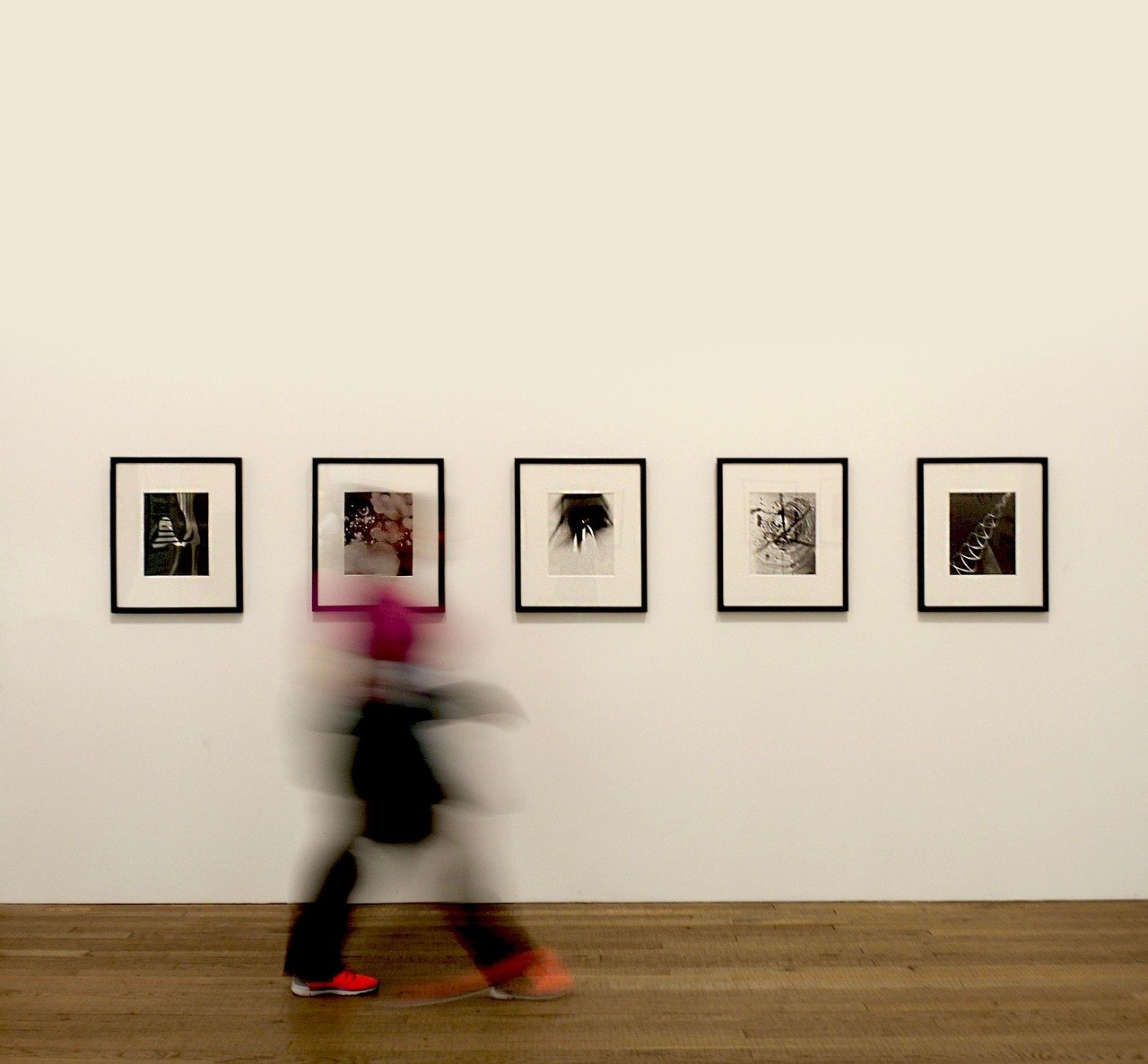
The MALBA collection spans the period from roughly 1900 to the present and is broadly organised by movement and decade. The early twentieth century rooms cover the Mexican muralists, Cuban vanguardism, and Argentine modernism. The mid-century galleries explore abstraction, concretism, and the fraught relationship between art and political violence during the decades of dictatorship across Latin America. Highlights beyond Kahlo include Tarsila do Amaral’s dreamlike “Abaporu” — a work so central to Brazilian cultural identity that the Brazilian government once refused to allow it to leave the country — and Antonio Berni’s “Manifestación,” a monumental canvas depicting an Argentine protest march that manages to be both specific to its historical moment and completely universal in its emotional charge. Allow at least 90 minutes to do the permanent collection justice; the scale and quality of the rooms reward unhurried looking.
Frida Kahlo’s Self-Portrait with Monkey and Parrot
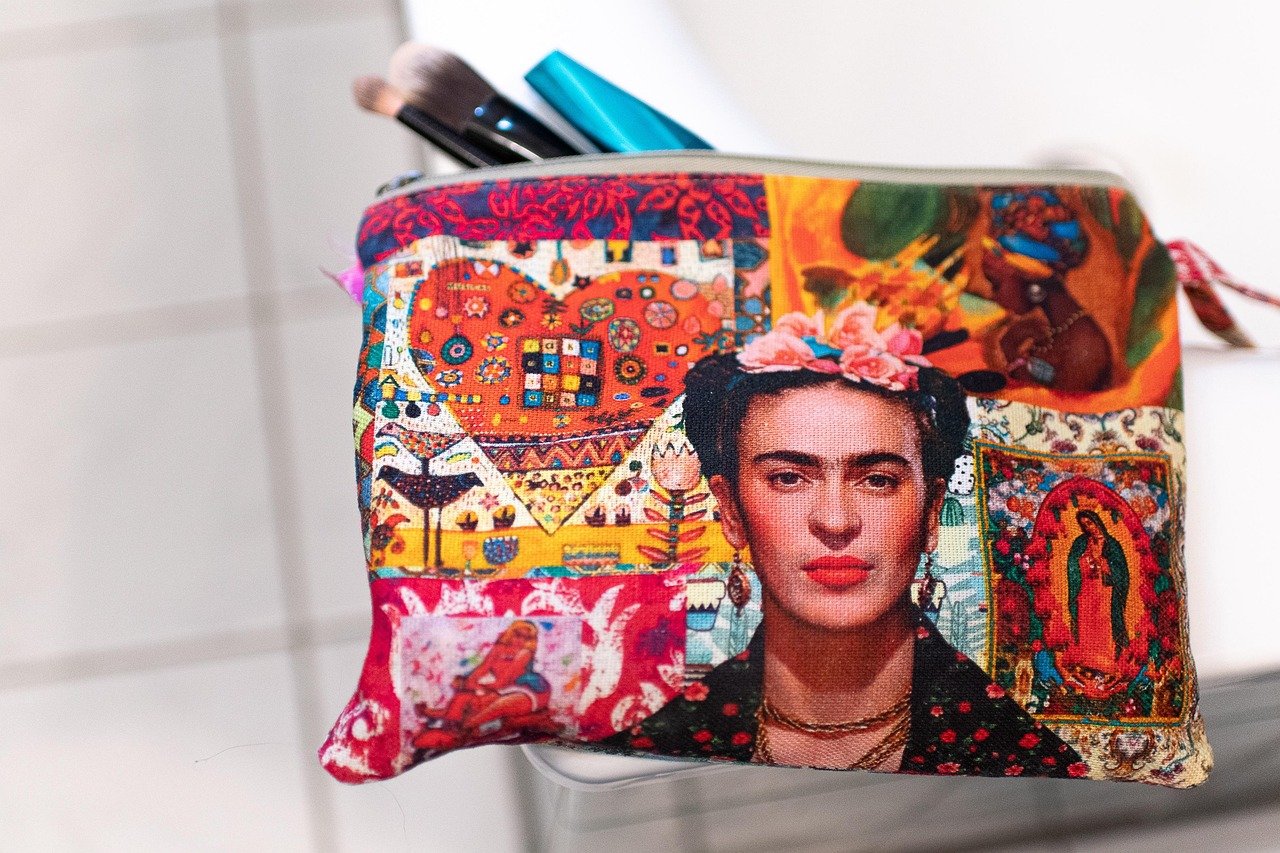
For many visitors, the Kahlo room is the emotional centrepiece of MALBA. The museum holds two significant works by the Mexican painter: “Self-Portrait with Monkey and Parrot” (1942) and “Diego and I” (1949). “Self-Portrait with Monkey and Parrot” is considered the crown jewel of the collection — a small but intensely compelling canvas showing Kahlo flanked by her pet monkey and parrot, her gaze direct and unflinching, her elaborate braided headdress a statement of Mexican identity against the European-dominated art world of her time. The animals press close, creating a sense of both comfort and confinement that reads differently depending on when in your life you encounter it. Standing in front of this painting — a work you may have seen reproduced countless times — and experiencing its actual scale and texture is a quietly astonishing experience. The room is rarely crowded, and the museum’s lighting is excellent.
The Cinematheque and Temporary Exhibitions
MALBA’s cinematheque screens classic and contemporary arthouse films most days of the week, and the programming is among the most carefully curated in Buenos Aires. Films screened range from silent-era Argentine cinema to contemporary Latin American features and international retrospectives. Screenings are inexpensive and tickets can be bought at the door or online. The temporary exhibition spaces on the upper floors rotate every few months and have hosted internationally significant shows; in recent seasons, these have included major surveys of contemporary Argentine artists as well as visiting exhibitions from European and North American collections. Check the museum’s website before your visit — a strong temporary exhibition can easily justify an additional visit.
The MALBA Cinematheque Programme
Buenos Aires has one of the richest cinemagoing cultures in Latin America, and MALBA’s cinematheque is part of that tradition at the highest level. Films are screened in the museum’s dedicated cinema almost daily, with programming that shifts every week and ranges from classic Argentine silent films to recent Latin American festival circuit selections, international retrospectives, and themed cycles dedicated to specific directors or national cinemas. Admission to screenings is separately ticketed from museum entry and is very affordable — typically ARS 8,000 (USD 8) for general admission, with students and seniors paying half. Some special screenings with live musical accompaniment or Q&A sessions are priced slightly higher. The cinematheque has become a meeting point for Buenos Aires’ film community, and the pre-screening conversations in the lobby often feel as interesting as what is on screen. Check the programme on the MALBA website before your trip — if you are staying in Buenos Aires for more than a few days, there will almost certainly be something worth seeing.
Getting the Most from the Permanent Collection
With over 400 works in the permanent collection, even dedicated visitors make choices about where to concentrate their time. The most efficient approach is to begin on the top floor and work down, following the collection’s loose chronological organisation from the early twentieth century to the present. The early rooms — covering Mexican muralism, Brazilian modernism, Argentine avant-garde, and Cuban vanguardism — are particularly rich and set context for everything that follows. The mid-century rooms deal with abstraction, concretism, and the political turmoil of the 1960s and 1970s, and contain some of the collection’s most unsettling and powerful works. The ground floor installations and contemporary pieces are the most variable in quality but occasionally include pieces of genuine originality. Budget roughly 15–20 minutes per major gallery and do not try to look at everything — the collection rewards depth over breadth.
Local Insights
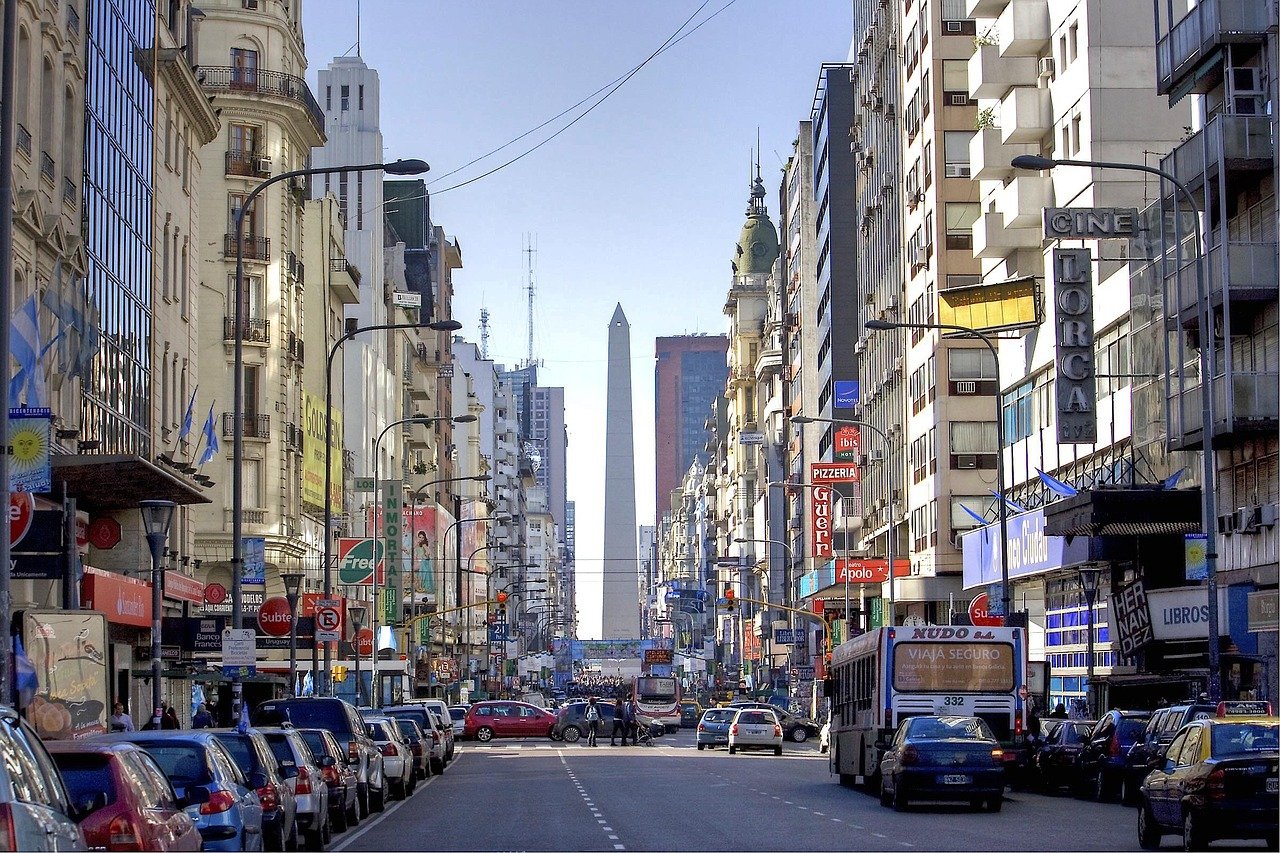
Make the most of your MALBA visit with these tips from regular visitors and local art lovers:
- Visit on a Wednesday for the best value: Wednesday is MALBA’s discount day. General admission drops significantly, and students, teachers, and seniors enter for free. The museum also opens an hour earlier on Wednesdays (11:00 AM vs. noon on other days), giving you a head start on the crowds before the school groups arrive in the early afternoon.
- Buy tickets online in advance: While MALBA rarely sells out completely, purchasing tickets online before your visit saves the queue at the entrance and lets you plan your arrival precisely. The museum recommends it, and it takes less than two minutes on their website.
- Combine with the Palermo neighbourhood: MALBA is set right on the boundary between Palermo Chico (the embassy district with its grand houses) and Palermo Soho/Hollywood (the neighbourhood of boutiques, restaurants, and nightlife). An afternoon at MALBA pairs perfectly with dinner and a walk through the nearby streets — some of the most pleasant in the city.
- Check your bag at the coat check: The museum requires that bags over 30×40 cm be checked at the entrance. This is standard and the service is free, but it is worth knowing in advance so you do not arrive with a large backpack and a locked valuables situation. The coat check is efficient.
- The museum café is genuinely good: MALBA’s ground-floor café is well above average for a museum restaurant — the kind of place Buenos Aires locals actually visit independently of the museum. The menu changes seasonally, the coffee is excellent, and the glass wall facing the garden is a pleasant spot for a post-exhibition lunch or dessert.
Planning Your Visit
- Tickets: General admission ARS 12,000 (approx. USD 12) on regular days; ARS 6,000 (approx. USD 6) on Wednesdays. Students, teachers, and seniors pay half-price on regular days and enter free on Wednesdays. Children under 5 always free.
- Opening hours: Monday and Thursday–Sunday: 12:00 PM – 8:00 PM. Wednesday: 11:00 AM – 8:00 PM. Closed Tuesdays.
- Best time: Wednesday mornings for lower crowds and reduced admission. Weekday afternoons are generally quieter than weekends. Avoid arriving within 30 minutes of closing as galleries begin to close early.
- Duration: Allow 2 hours minimum for the permanent collection; 3 hours if you plan to take in a temporary exhibition and linger in the café.
- Booking: Online ticket purchase recommended but not always required. Book ahead for specific film screenings at the cinematheque, which can sell out for popular titles.
Getting There
- Subte (subway): Line D to Bulnes or Scalabrini Ortiz stations; from either stop it is a 10–12 minute walk east along Avenida Santa Fe toward the museum.
- By car: The museum is located at Avenida Figueroa Alcorta 3415. Street parking along Figueroa Alcorta is available but limited; paid lots operate on nearby side streets in Palermo Chico.
- On foot: A 20-minute walk from the Recoleta cemetery, one of Buenos Aires’ most visited sights, making a combined visit easy and enjoyable.
- Taxi/ride-share: Uber, Cabify, and radio taxis all serve Palermo directly. Drop off at MALBA on Avenida Figueroa Alcorta. The fare from the Microcentro is typically ARS 3,000–5,000 (USD 3–5) depending on traffic and time of day.
Frequently asked questions
What is the most important artwork at MALBA?
The single most celebrated work in the MALBA collection is Frida Kahlo’s “Self-Portrait with Monkey and Parrot” (1942), widely regarded as the crown jewel of the museum’s holdings. The painting is small in physical size but enormous in emotional and cultural significance — one of the finest examples of Kahlo’s unflinching self-portraiture, it draws a steady stream of visitors who travel specifically to see it. Tarsila do Amaral’s “Abaporu” (1928) is equally significant in Latin American cultural history: a totemic image of a giant figure under a Brazilian sun that became the foundational work of the Antropofagia movement. Both works repay slow, close attention.
Is MALBA suitable for children?
MALBA is generally welcoming to children, particularly older children and teenagers with some interest in visual art. The museum offers family-oriented guided visits and workshops on selected days — check the website for the current schedule. Younger children may find the collection challenging to engage with, but the building itself — with its dramatic atrium and glass facades — tends to hold their attention. Strollers are permitted and the museum is fully wheelchair accessible. The café is a reliable pit stop for families mid-visit. Dedicated children’s workshops in Spanish are offered during school holidays.
How long should I spend at MALBA?
For a focused visit covering the permanent collection’s highlights, budget at least 90 minutes to 2 hours. If you want to move through every room without rushing and take in a temporary exhibition on the upper floors as well, 3 hours is more realistic. Add another 90 minutes if you plan to have lunch or coffee in the museum café, which is worth doing. MALBA’s cinematheque screens films in separate ticketed sessions, so a film visit is essentially a separate outing. Most visitors with a genuine interest in Latin American art find 2.5 hours to be the sweet spot — enough to absorb the collection without fatigue.
What language are the museum labels in?
MALBA’s wall texts and artwork labels are provided in Spanish and English throughout the permanent collection galleries. Temporary exhibitions are sometimes labelled in Spanish only, particularly for shows featuring Argentine contemporary artists, though larger survey exhibitions typically include English translations. Audio guides in English are available for rent at the front desk and cover the permanent collection’s major works. Free digital guides can also be accessed via smartphone in the galleries. Staff at the information desk are generally English-speaking and happy to direct you toward specific works or answer questions about the collection.