
La Ventana Tango Show
Somewhere between the first note of the bandoneón and the moment the first couple takes the floor, something shifts in a room. At La Ventana in San Telmo, Buenos Aires’ oldest and most storied neighbourhood, this shift happens every night. The show has been running for decades in a brick basement on Balcarce street, and it distills everything Buenos Aires loves about itself — the tango’s melancholy elegance, the folklore of the Andean highlands, the bone-deep Argentine pleasure of a long dinner — into a two-hour performance that ranges from electric to genuinely moving. If you visit just one dinner show in Buenos Aires, this is the one.
History of La Ventana Tango Show
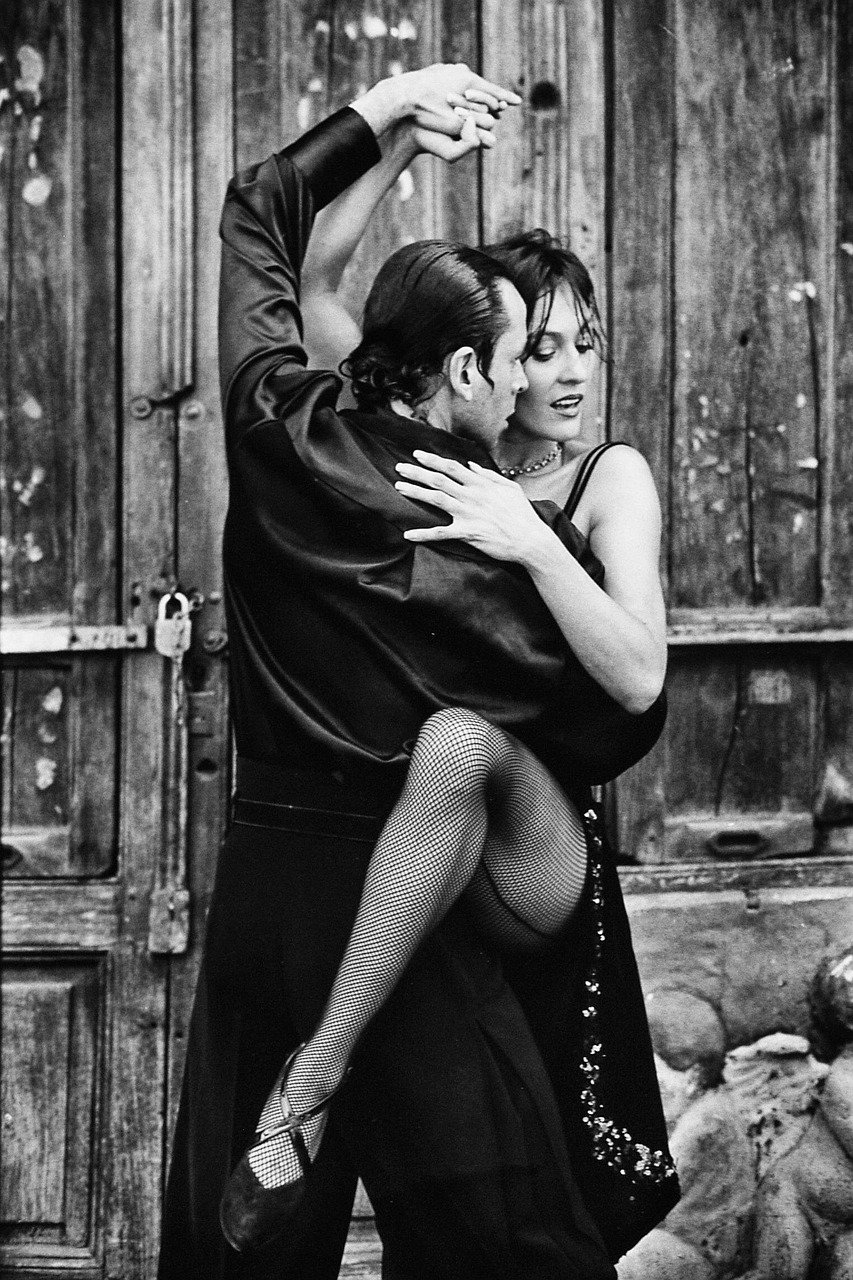
La Ventana’s roots reach back into the golden age of Buenos Aires tango, when the dance had already survived its rise in the conventillos (immigrant tenement houses) of the late nineteenth century and its scandalous conquest of Parisian ballrooms in the 1910s, and had settled into its classic form in the 1940s under the orchestras of Juan D’Arienzo, Carlos Di Sarli, and Aníbal Troilo. The venue in San Telmo was chosen deliberately — this neighbourhood, with its cobblestoned streets, its Sunday antique market, and its dense population of artists, writers, and old porteño families, has long been considered the spiritual home of Argentine popular culture.
Over the years La Ventana has refined its format into something that works equally well for first-time visitors to Buenos Aires and for returning guests who know exactly what they are watching. The show is not a simplified tourist spectacle — the dancers are rigorously trained, the orchestras play authentic arrangements, and the folk sections draw on a genuine tradition of Andean and northwestern Argentine music and dance that most visitors know nothing about until they encounter it here. The venue’s intimate basement setting, with its exposed brick, low ceiling, and tables arranged close to the floor-level stage, means there is no bad seat in the house. Every table has a clear sightline to the performers.
What to See at La Ventana
The Tango Performance
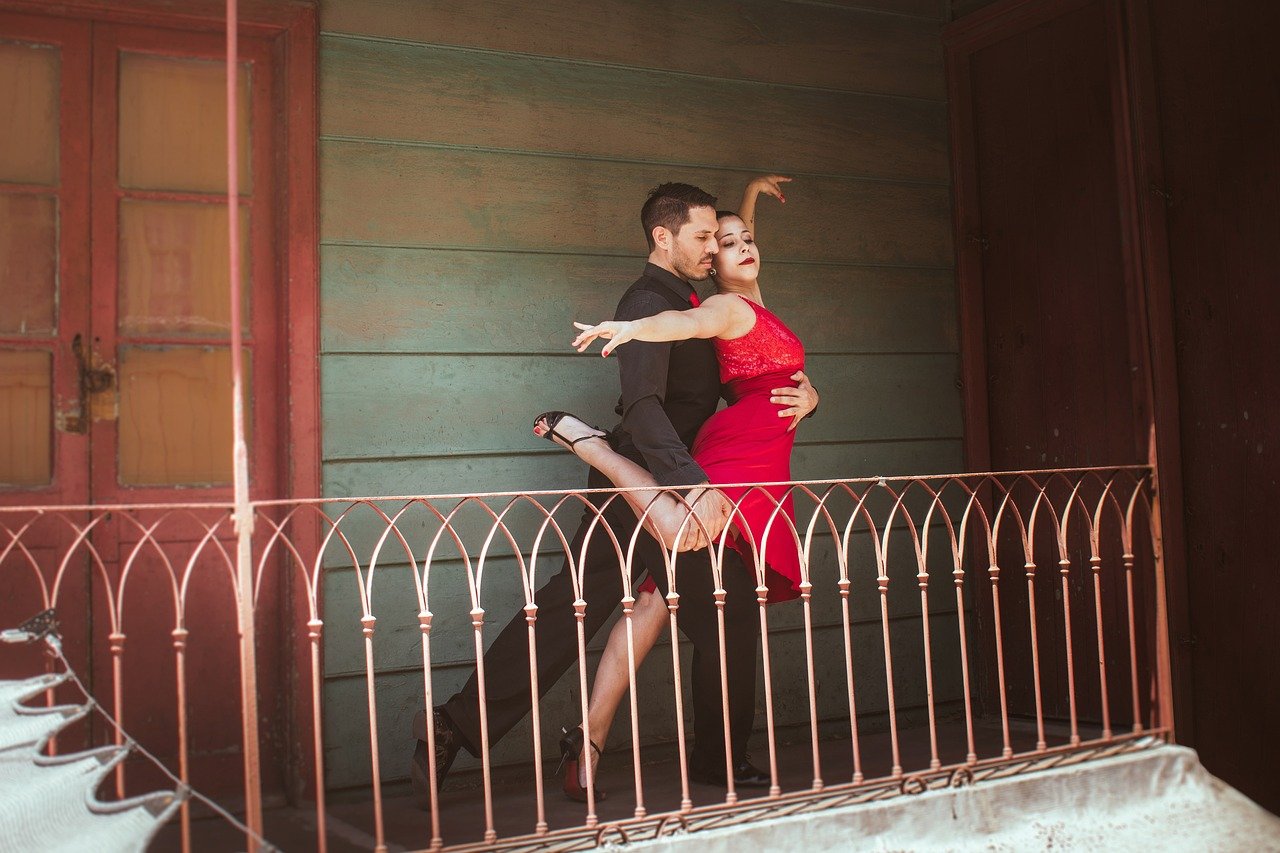
The tango section of La Ventana is anchored by five dancing couples and accompanied live by two tango orchestras — including the Gran Orquesta de Juan D’Arienzo, one of the most celebrated names in the entire history of Argentine tango music. The D’Arienzo style is known as “el rey del compás” — the king of rhythm — a driving, syncopated approach that emphasises the beat and gets feet moving involuntarily even among guests who have never tangoed in their lives. Two tango singers perform throughout the evening as well, delivering the melancholic lyrics that give the dance its emotional weight. The choreography ranges from show tango — dramatic, technical, built for spectacle — to milonga sequences that feel closer to the social tango you might see in a Buenos Aires dance hall. Both styles are represented and both are worth your full attention.
The Folkloric Show
Many visitors are surprised to discover that La Ventana’s programme is not purely tango — and pleasantly so. The folkloric sections, drawing on the traditions of Argentina’s northwestern provinces and the Andean altiplano, provide striking contrast to the urban sophistication of the tango segments. Boleadora performances — the boleadora being a hunting weapon of the Patagonian and pampas cultures, consisting of weighted balls on cords swung at extraordinary speed — are a particular highlight. In expert hands, the boleadoras become a percussion instrument, a visual spectacle, and an expression of a cultural tradition entirely distinct from the European-influenced tango of the city. The folk ballet sequences that accompany the Andean music add colour, movement, and a welcome reminder that Argentina is a country of vast and varied regions, not just one city and one dance.
The Dinner
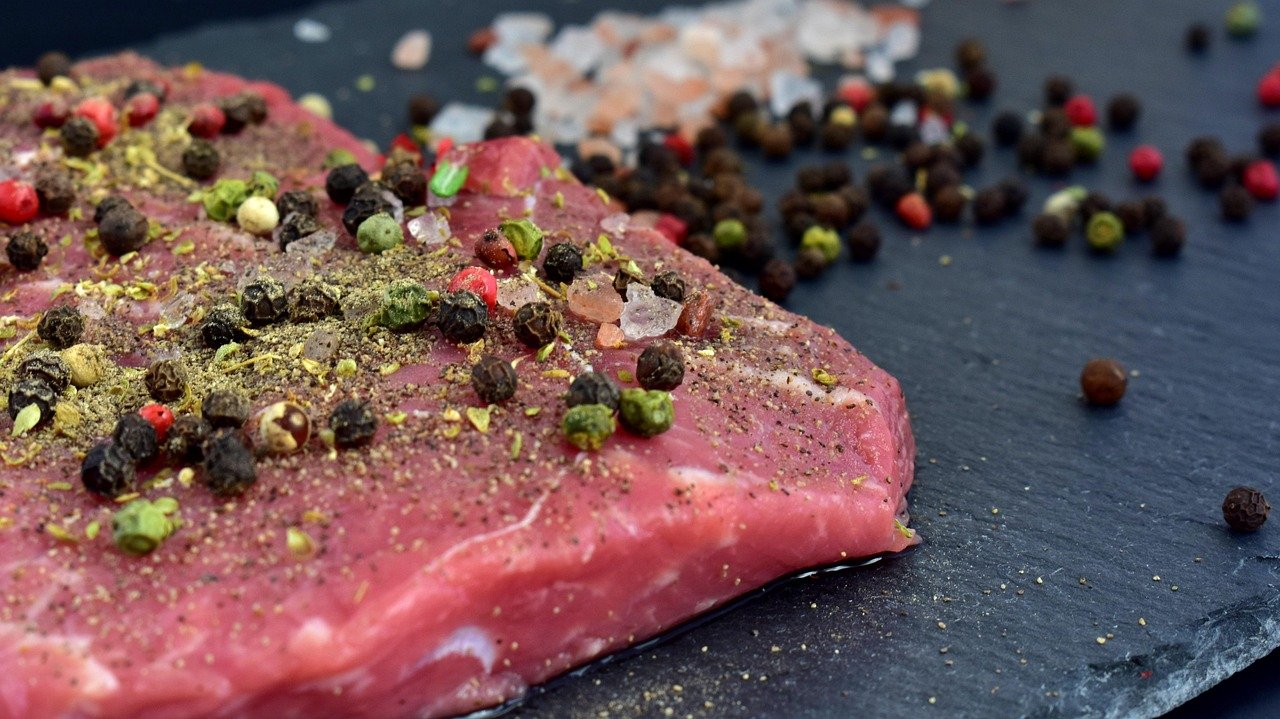
Dinner at La Ventana is served before the show begins, between approximately 8:00 PM and 10:00 PM, and the menu is a thoughtful representation of Argentine cuisine rather than a perfunctory placeholder before the main event. The flagship dish is a 400-gram sirloin steak served with baked potatoes and chimichurri — the classic Argentine combination — though the menu also includes a pork tenderloin option, a hearty stew (guiso), and vegetarian selections. Bread, soft drinks, and mineral water are included in all dinner packages, and dinner packages also include one bottle of wine shared between every two guests. The food is genuinely good: portions are generous, the steak is properly cooked, and the kitchen manages to serve the full room without sacrificing quality. Vegetarian guests are well catered for and should mention their preference when booking.
The Music: Bandoneón and the D’Arienzo Orchestra Style
To fully appreciate the La Ventana experience, it helps to know a little about the music. The tango’s characteristic sound is built around the bandoneón — a type of concertina brought to Argentina by German immigrants in the nineteenth century and adopted by tango musicians because its breathy, melancholy tone was a perfect match for the dance’s emotional register. In the hands of a skilled player, the bandoneón can produce the full dynamic range from quiet introspection to aggressive rhythmic drive. The Gran Orquesta de Juan D’Arienzo, which performs at La Ventana, represents one of the most historically significant styles in tango: El Rey del Compás, the King of the Beat. D’Arienzo’s recordings from the 1930s and 1940s revitalised a tango scene that had become overly slow and self-indulgent, driving the dance back to its more rhythmically exuberant roots. Dancing or even just listening to the D’Arienzo style — with its crisp, insistent pulse — makes it immediately clear why tango conquered the world’s ballrooms in the early twentieth century and has never really let go.
San Telmo: The Neighbourhood Around La Ventana
A visit to La Ventana gives you a reason to spend time in San Telmo, one of the most rewarding neighbourhoods in Buenos Aires for aimless walking. The streets around Balcarce — particularly Defensa, the main pedestrian artery — are lined with antique shops, small galleries, milonga halls, and bars that date back to the late nineteenth century. On Sundays, the San Telmo Market spills out into the streets for the famous Feria de San Pedro Telmo, an antique market that stretches from Plaza Dorrego south to Parque Lezama and is one of the most atmospheric street markets in South America. Even on weekday evenings before the La Ventana dinner service, a 30-minute walk through the neighbourhood adds significant context to the show: you will hear tango drifting from bars, see practiced dancers moving on the cobblestones of Plaza Dorrego, and understand viscerally that for all its theatrical presentation, what La Ventana is showing you is not a museum piece but a living culture.
Local Insights
- Book the Dinner + Show package, not show-only: The logistics of La Ventana work best when you arrive for dinner at 8 PM, settle in, and let the evening unfold naturally into the show. Arriving at 10 PM for a show-only ticket means navigating a room mid-service, finding your table among guests who are mid-meal, and missing the relaxed pre-show atmosphere that is genuinely part of the experience. The dinner package is also excellent value at USD 117–130.
- Request a table near the stage when booking: La Ventana’s basement venue is intimate enough that most seats are good, but the tables closest to the floor-level stage give you a more immersive experience — particularly for the boleadora sequences and the final tango showcases. Call or email ahead and ask; they are often accommodating for advance bookings.
- Arrive a few minutes early to explore San Telmo: Balcarce 431 is in the heart of San Telmo, one of the most atmospheric streets in Buenos Aires. If you arrive 30–40 minutes before dinner service, you have time to walk a block or two and absorb the neighbourhood — the Mercado de San Telmo is particularly worth a quick visit if it is still open.
- Book the tango lesson add-on if you are genuinely curious: La Ventana offers a pre-dinner tango lesson as an add-on experience. If you have any interest in the mechanics of the dance — beyond watching it — the lesson provides useful context that makes the show itself more interesting. Instructors are patient and used to complete beginners.
- Complimentary parking is available nearby: La Ventana offers free 2-hour parking at Balcarce 440, a short walk from the entrance. For guests arriving by car from Palermo or Recoleta, this is a useful perk that most other dinner shows do not offer. Confirm the arrangement when booking.
Planning Your Visit
- Tickets: Show only from USD 63–108. Dinner + Show from USD 117. Dinner + Show + Wine Tasting or Tango Lesson from USD 126. Argentine BBQ Experience from USD 162. VIP packages available up to USD 171. Prices in USD; payment accepted in USD, ARS, and major credit cards.
- Opening hours: Dinner service begins at 8:00 PM daily. Show begins at approximately 9:30–10:00 PM and runs approximately 2 hours. Lunch service Monday–Friday 12:00 PM – 3:00 PM.
- Best time: Any night of the week — La Ventana performs daily. Saturday nights have the liveliest atmosphere; Wednesday and Thursday evenings are quieter and tables are easier to arrange.
- Duration: Allow the full evening: arrive at 8:00 PM for dinner, expect to leave around midnight. The dinner + show combination runs roughly 4 hours total.
- Booking: Advance booking strongly recommended, especially on weekends and during Argentine school holidays (January, July). Book via the La Ventana website or major online platforms including Viator and Headout. Full refund for cancellations made 24+ hours before the show.
Getting There
- Subte (subway): Line C to Independencia station, then a 5-minute walk north along Balcarce street. Alternatively, Line E to Belgrano station for a slightly longer but very pleasant walk through San Telmo.
- By car: La Ventana is at Balcarce 431, San Telmo. Free 2-hour parking available at Balcarce 440 (confirm when booking). Street parking in San Telmo can be scarce on weekend evenings.
- On foot: A 15-minute walk from the Plaza de Mayo, 20 minutes from Puerto Madero. San Telmo is extremely walkable from the historic centre of Buenos Aires.
- Taxi/ride-share: Uber, Cabify, and radio taxis drop directly on Balcarce street in front of the venue. From Palermo or Recoleta, expect ARS 4,000–7,000 (USD 4–7) depending on traffic. Hotel pick-up is available as part of some packages — confirm at booking.
Frequently asked questions
Is La Ventana suitable for families with children?
La Ventana welcomes families, and the show is generally appropriate for children over approximately 8 years old who have the patience for a dinner lasting two hours before the performance begins. The folkloric sections — particularly the boleadora sequences — tend to captivate younger viewers more reliably than the tango, which requires more cultural context to fully appreciate. The basement venue is cosy rather than formal, and the staff are experienced with family groups. That said, the show ends around midnight, so it is better suited to older children than to very young ones. If you are booking with children, mention it when reserving so the team can suggest the best seating arrangement.
How do I get to La Ventana from central Buenos Aires?
La Ventana is located at Balcarce 431 in San Telmo, one of Buenos Aires’ most central neighbourhoods. From Plaza de Mayo (the city’s main square), the venue is a 15-minute walk south through some of the most atmospheric streets in the city — well lit and safe in the early evening. From Palermo or Recoleta, a taxi or ride-share costs approximately ARS 4,000–7,000 (USD 4–7) and takes around 15–20 minutes depending on traffic. The nearest Subte station is Independencia on Line C, a 5-minute walk away. Some dinner packages include hotel pick-up from Palermo and the microcentro — confirm availability when booking.
What is the difference between tango show types at La Ventana?
La Ventana offers Standard and VIP show tiers. The Standard package gives you a good seat and full access to the show; the VIP tier typically offers priority seating closer to the stage, preferential table placement, and in some packages an enhanced wine or beverage selection. For most visitors, the Standard Dinner + Show package (USD 117) offers excellent value and more than adequate seating — the intimate size of the venue means even standard tables have strong sightlines. VIP is worth considering if you are celebrating a special occasion or simply want the best possible position for the boleadora sequences, where proximity to the performers significantly heightens the effect.
What is the tango and what makes Buenos Aires tango unique?
Tango is a partnered social dance and musical genre that emerged in the working-class neighbourhoods of Buenos Aires and Montevideo in the late nineteenth century, born from the fusion of African candombe rhythms, Cuban habanera, and the milonga of the Argentine pampas. What makes Buenos Aires tango distinctive — and what La Ventana demonstrates beautifully — is its improvisational character: unlike ballet or show dance, social tango is created in the moment between two partners responding to each other and the music. Show tango, as performed at La Ventana, is choreographed for theatrical impact, but the best performers retain that quality of conversation — a responsiveness and spontaneity — that makes the dance feel alive rather than merely spectacular.