
La Boqueria Market (Mercat de la Boqueria)
The iron entrance gates of La Boqueria frame a cathedral of food — a vaulted 19th-century market hall where the morning light filters down through the glass roof onto stalls piled with jambón ibérico, whole wheels of aged cheese, glistening sea creatures, and mounds of brilliantly coloured fresh fruit arranged with obsessive artistry. Barcelonans have been shopping here, in one form or another, since the Middle Ages, and despite the tourist influx that has transformed its front section, La Boqueria remains a functioning market, a centre of Catalan culinary life, and one of the great sensory experiences of any European city.
History of La Boqueria
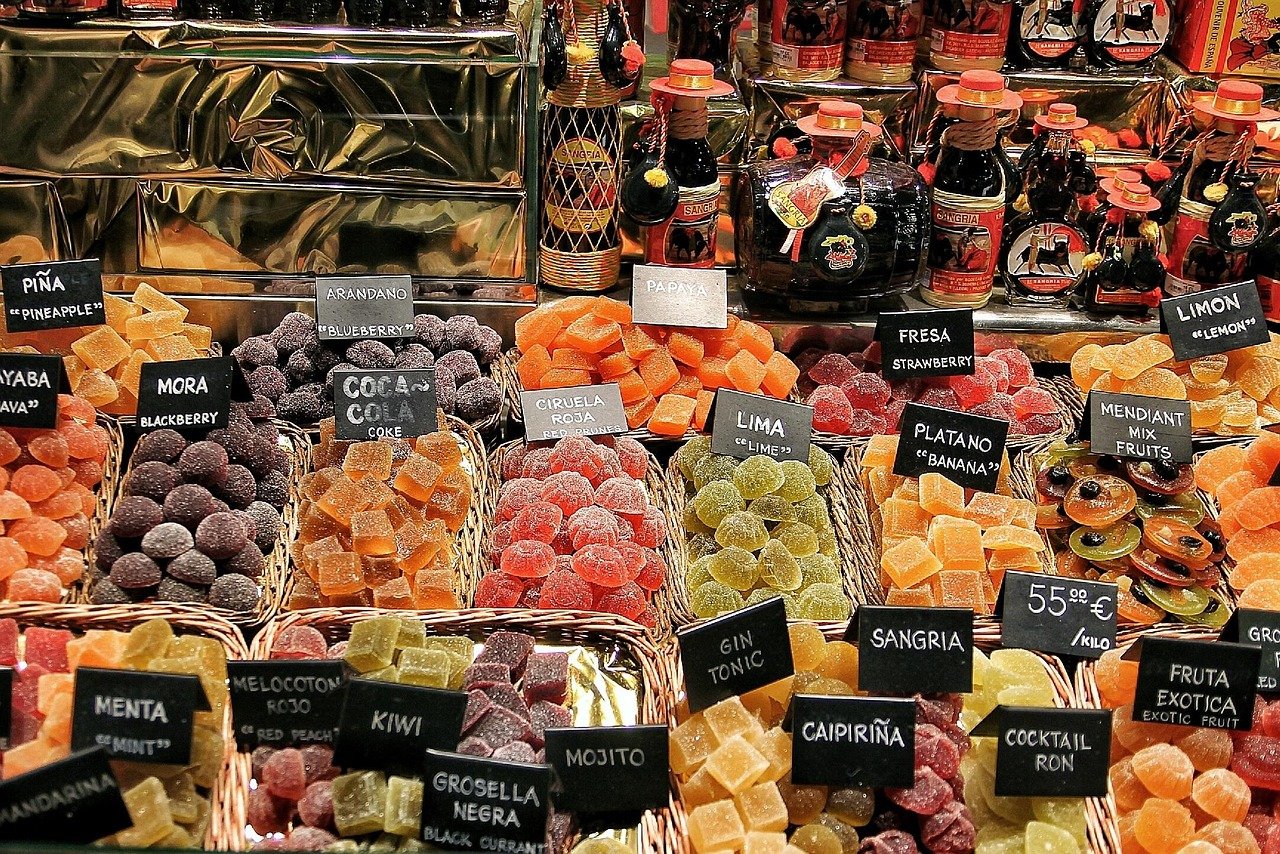
A market has occupied this site on La Rambla since at least the 13th century, when traders in the open air in front of the Sant Josep convent sold meat, vegetables, and provisions to the inhabitants of the city's expanding medieval quarter. The name “Boqueria” is thought to derive either from the medieval Catalan for the place where goats were slaughtered (boc, goat) or from the Arabic for provisions. The open-air market was enclosed in a permanent structure in 1836, after the Sant Josep convent was demolished during the liberal reforms of the 1830s.
The current iron and glass structure was built in stages through the mid-19th century, with the full market hall completed in 1914. The architecture — a large metal framework covering an open-plan market of some 2,500 square metres — is characteristic of the great covered markets of the 19th century, when iron construction technology allowed the creation of large, airy public spaces that had previously been impossible. The market is officially named Mercat de Sant Josep but has been universally known as La Boqueria for generations.
What to See and Buy
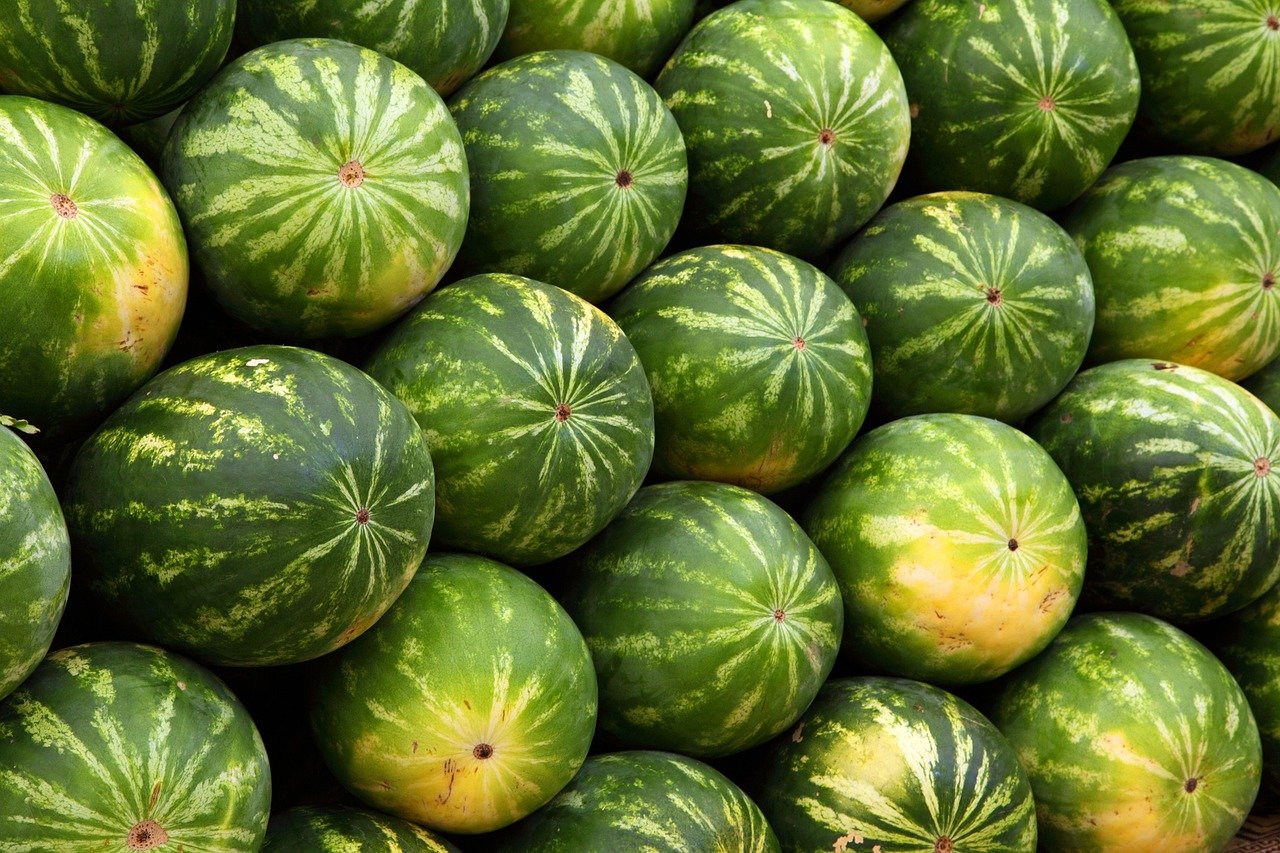
La Boqueria is best understood in zones. The front section on La Rambla side is the most touristic — stalls sell pre-cut fruit cups, exotic smoothies, and confectionery at elevated prices aimed at tourists who have not yet learned to explore further. Venture deeper into the market and the character changes: the fishmongers' section in the centre has extraordinary variety, from whole dorada and lubina to percebes (barnacles), razor clams, and sea urchins that locals come from across the city to buy. The meat section has hung jambón legs in serried rows, charcuterie of every kind, and the offal and game that speak to the deeper traditions of Catalan cooking.
The bar counters inside the market — particularly Bar Pinotxo (front left) and Kiosko Universal — are some of Barcelona's best eating experiences. Bar Pinotxo is run by the legendary Joan, who has worked the counter since the 1960s and serves a daily menu of whatever was excellent that morning — house-braised chickpeas, fried eggs with sobrasada, grilled baby squid. The bar fills by 8am and queues form; early morning is the optimum time for a counter meal.
The Market Today
The transformation of La Boqueria under mass tourism pressure has been a subject of debate in Barcelona for years. The city council has restricted new tourist-focused stalls and sought to maintain the balance between functioning food market and visitor attraction. Local shoppers — particularly chefs, restaurant buyers, and residents of the Raval neighbourhood — still come to La Boqueria for their daily shopping, though the rhythm of the market has shifted away from the early-morning-only pattern of previous generations.
The best approach for visitors is to arrive as early as possible — the market opens at 8am — and to move toward the back half of the space where the tourist premium fades and the genuine market character asserts itself. The fresh mushroom and wild herb stalls near the back left section are a good indicator of authentic market territory; nowhere else in Barcelona will you find such a range of seasonal wild fungi outside of the restaurant supply trade.
Practical Information
- Tickets: Free entry — La Boqueria is a public market. Budget for what you eat and buy.
- Opening hours: Monday–Saturday 8:00–20:30. Closed Sunday. Individual stalls may close earlier on Saturday; some close Monday.
- Best time to visit: 8:00–10:00 on weekday mornings for the most authentic experience, fewest tourists, and access to the best bar stool seats. Avoid midday and weekends if at all possible.
- Duration: 30 minutes–2 hours depending on whether you are shopping, eating, or browsing.
- Bar Pinotxo: No reservations — queue for a counter seat at the front of the market. Open market hours.
Local Insights
What locals know that guidebooks do not always tell you:
- The fruit cup stalls at the entrance are specifically for tourists — the prices are four to five times what you would pay at an interior market stall. Buy whole fruit from the back of the market if you want value.
- Bar Pinotxo fills by 8am on weekdays — arrive at opening time and sit at the bar rather than waiting for a table. Ask Joan what he recommends; he always knows what came in fresh that morning.
- The mushroom and wild herb stall in the back-left section (Petras) has an extraordinary range of seasonal fungi — a browse through their stock is an education in Catalan and European seasonal cooking.
- La Boqueria closes on Sundays — if you visit on a Sunday, the Santa Caterina market (Carrer Dels Flassaders, 40) in El Born is an excellent and far less crowded alternative.
- The best jambón tasting experience is not at the front stalls but at the dedicated charcuterie counters deep in the market — ask to taste before you buy and compare the ibérico de bellota grades side by side.
Getting There
- Metro: L3 to Liceu station — the market entrance is directly across La Rambla, 2 minutes walk.
- On foot: La Boqueria is on La Rambla, approximately 10 minutes walk from Plaça Catalunya and 15 minutes from the Gothic Quarter.
- Bus: Multiple routes on La Rambla and Via Laietana.
- By taxi/rideshare: Ask for Mercat de la Boqueria, La Rambla 91, El Raval.
Frequently asked questions
Is La Boqueria still worth visiting with so many tourists?
Yes — but timing is everything. Early weekday mornings reveal a genuine working market with remarkable produce. The tourist experience dominates from around 10am to 4pm; outside these hours it remains excellent. The market bars are worth any crowd.
Can I eat at La Boqueria?
Yes — the market bars are some of Barcelona's most celebrated eating spots. Bar Pinotxo, Kiosko Universal, and several others serve market-fresh food at counter seats. No reservation is possible — queue early for the best experience.
Is La Boqueria open on Sundays?
No — La Boqueria is closed on Sundays. The Santa Caterina market in El Born and the Abaceria market in Gràcia are open on Sundays and are excellent alternatives.
Can I buy souvenirs at La Boqueria?
Yes — vacuum-packed jambón and charcuterie, local wines, olive oil, and specialty foods make excellent food souvenirs that are airline-legal and travel well. Avoid the pre-packaged “Barcelona” branded spice mixes and liqueurs near the entrance, which are overpriced.
What other attractions are near La Boqueria?
The Gran Teatre del Liceu (opera house) is directly across La Rambla. The Palau Güell (Gaudí's first major commission) is 5 minutes walk south. The Gothic Quarter and El Born are both 10 minutes walk east.