
Khao San Road
There is no street in Asia quite like Khao San Road. Packed into barely 410 metres of tarmac in Bangkok’s historic Bang Lamphu district, this legendary strip manages to be simultaneously exhausting and exhilarating — a place where backpackers from fifty countries share plastic stools at open-air bars, where the smell of pad thai from street woks mingles with bass from competing sound systems, and where tuk-tuks thread through crowds of travellers who seem to have agreed, collectively, that the night should never end. Khao San Road is not a museum piece or a polished tourist attraction; it is a living, breathing phenomenon, and the best way to experience it is simply to show up after sunset and let the street do the rest.
History of Khao San Road
The road was built in 1892 on the orders of King Chulalongkorn (Rama V), when Bang Lamphu was the largest rice market in Bangkok and likely in the whole of Siam. The name Khao San translates directly as “milled and polished rice,” a reference to the commodity that once defined the neighbourhood. Warehouses and merchant residences lined the street; canal boats carried sacks of grain to the Chao Phraya River; and the district hummed with a commerce that had nothing to do with tourism or nightlife.
The backpacker era began quietly in the late 1960s and early 1970s, when travellers following the Asian hippie trail discovered that Bangkok sat conveniently on the overland route between Europe and Southeast Asia. The city was a necessary stop, and Khao San’s cheap wooden guesthouses — converted rice warehouses, mostly — suited the budget-conscious crowd perfectly. A pivotal moment came in 1982, when Bangkok celebrated its bicentennial and the city struggled to accommodate the influx of visitors. Residents along Khao San Road began opening their homes as informal guesthouses, and the neighbourhood’s identity shifted permanently. By the late 1980s, travel guide coverage — especially the newly influential Lonely Planet — had made Khao San Road the default landing zone for independent travellers arriving in Southeast Asia. The rice warehouses became hostels; the general stores became internet cafes, then smoothie bars, then tattoo parlours. Today the street operates as its own ecosystem, a city-within-a-city that bears little resemblance to the rice market of 1892 but retains an unmistakable sense of being a place where journeys begin.
What to See at Khao San Road
The Street Itself at Night
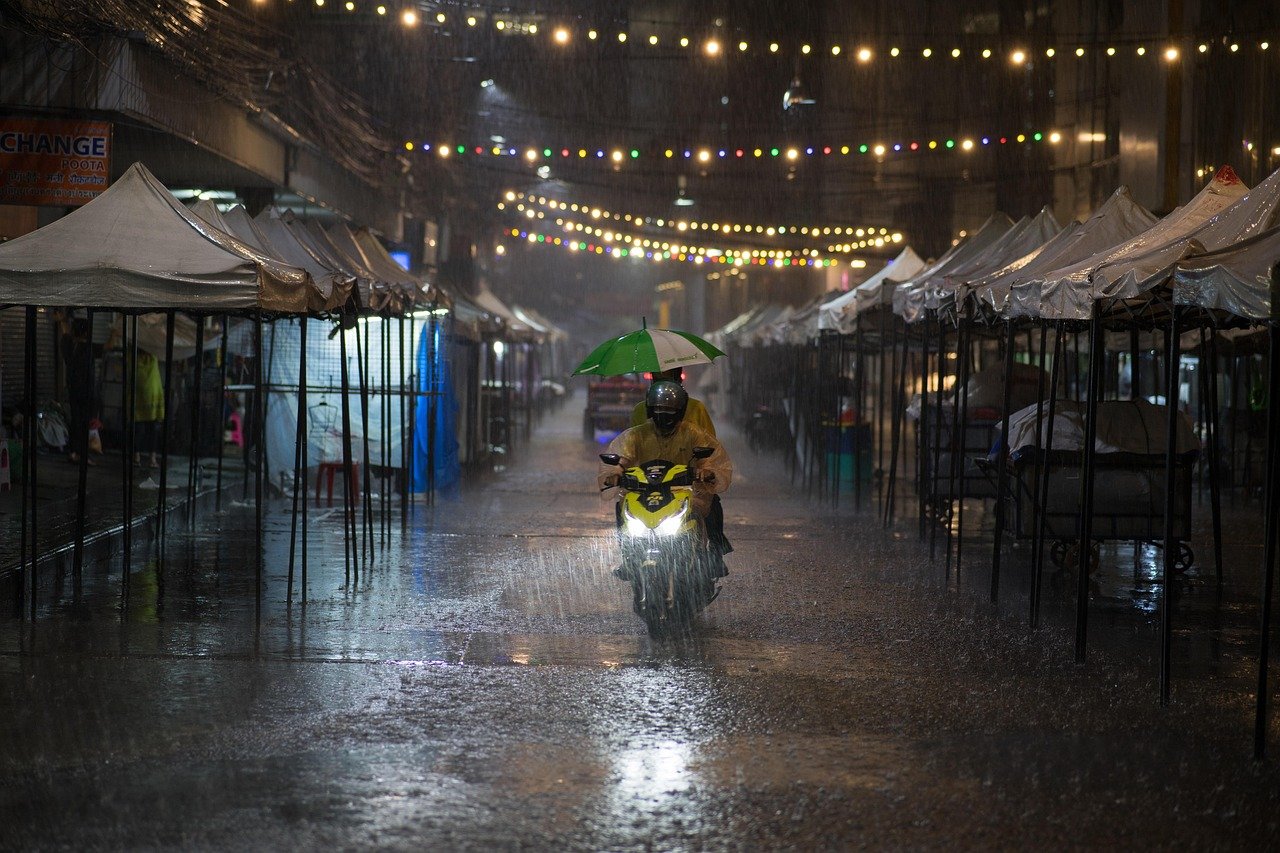
The main event on Khao San Road is the street itself, and it performs best between 6:00 PM and midnight. Neon signs compete with string lights strung between buildings; open-fronted bars spill onto the pavement with plastic chairs and bucket cocktails; live bands at competing venues create an overlapping soundtrack that somehow resolves into something festive rather than chaotic. Street food vendors set up between the permanent shops selling everything from pad see ew for 60 baht to deep-fried scorpions for the adventurous. Clothing stalls display fishermen’s pants, chang beers on singlets, and hand-painted T-shirts alongside stacks of bootleg novels and second-hand paperbacks. The side streets and alleys branching off Khao San — particularly Rambuttri Alley and Phra Athit Road — offer a marginally more relaxed atmosphere if the main strip feels overwhelming, with riverside bars and independent restaurants drawing a mixed crowd of travellers and Bangkokians. The contrast between the frenetic main street and the quieter lanes behind it is itself one of the neighbourhood’s pleasures.
Street Food and Drink Culture
Khao San Road is one of Bangkok’s great outdoor dining rooms, and the street food here covers the full spectrum from Thai classics to international comfort food catering to weary travellers. Must-try dishes include pad thai cooked fresh to order in enormous woks, tom yum goong with the balance of chilli and lime perfected by vendors who have made the same dish for years, and mango sticky rice served in biodegradable cups with generous portions of sweet glutinous rice and fresh fruit. For the genuinely adventurous, several stalls specialise in deep-fried insects — scorpions, silkworms, grasshoppers, and beetles — which have become something of a Khao San rite of passage. Coconut ice cream served in the shell, roti with condensed milk, and grilled pork skewers are better bets for those who prefer their protein less exotic. The bar scene is anchored by bucket cocktails — a Thai institution involving a generous pour of spirits mixed in a small tin bucket with soda and ice — and cheap beer available at nearly every venue. Several rooftop bars have emerged in recent years offering views over the neighbourhood’s roofline.
Nearby Temples and Cultural Attractions
Khao San Road sits within walking distance of some of Bangkok’s most significant historical sites, and a morning of temple-visiting pairs naturally with an evening on the strip. Wat Chana Songkhram, immediately adjacent to the road, dates to 1782 — the year the city was founded — and functions as a second-class royal monastery whose peaceful compound provides a striking counterpoint to the chaos outside its walls. A twenty-minute walk south reaches the Grand Palace and Wat Phra Kaew, Bangkok’s most visited landmark complex housing the sacred Emerald Buddha. Wat Pho, home to the enormous reclining Buddha image, is a further ten minutes on foot. The Museum of Siam, covering Thai national identity through interactive exhibitions, is a short tuk-tuk ride away. For travellers based on Khao San Road, this concentration of cultural attractions within easy reach is one of the neighbourhood’s overlooked advantages.
Local Insights
Veteran Bangkok travellers share these tips for getting the most out of Khao San Road.
- Visit Phra Athit Road in the early evening before the main strip heats up. This riverside street one block north of Khao San has excellent independent restaurants, a weekend market with genuinely local craft, and bars popular with Thai university students — a completely different social register from the international backpacker scene, and the food quality is often superior at a fraction of Khao San’s increasingly inflated prices.
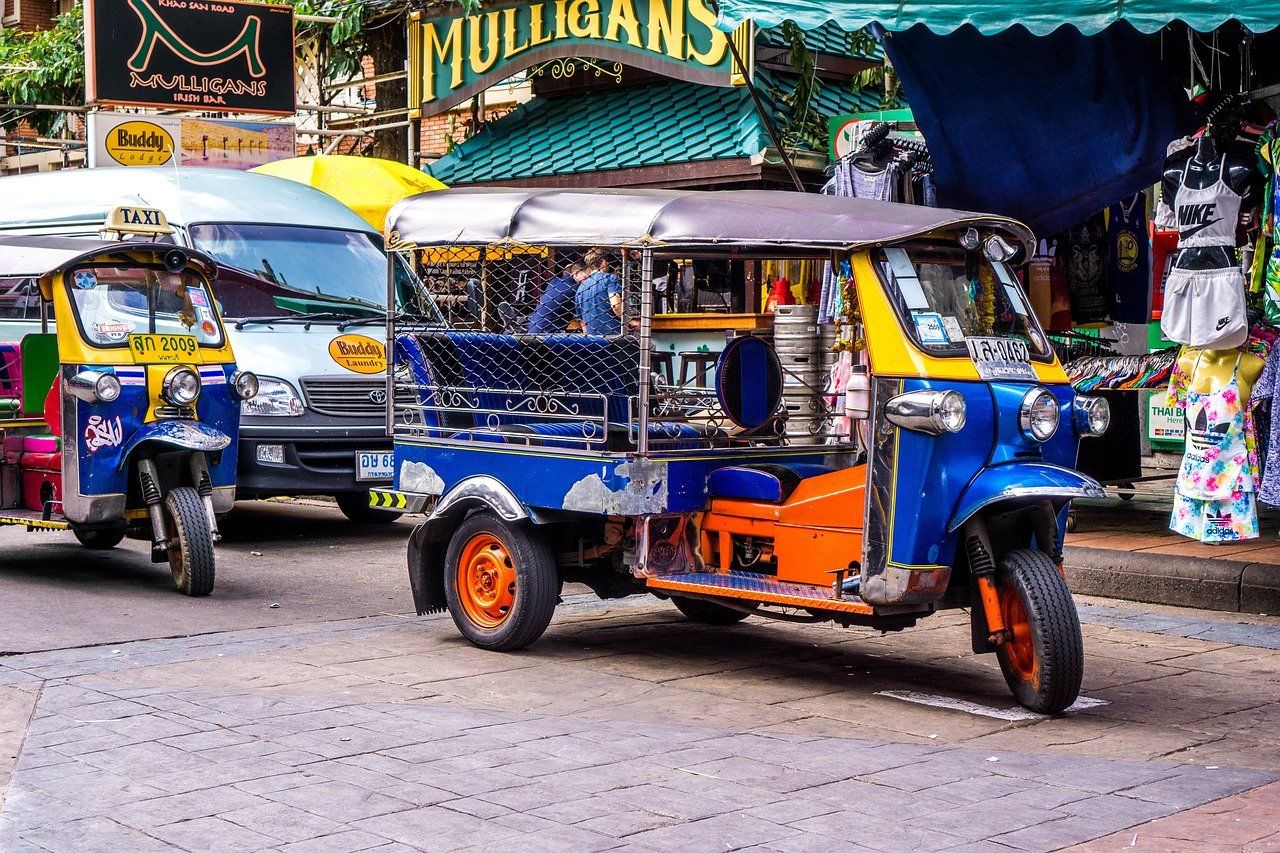
- Negotiate tuk-tuk fares firmly and name your destination first. Tuk-tuk drivers near Khao San Road are among Bangkok’s most persistent and skilled negotiators. Always state a specific destination, agree on a price before boarding, and be prepared for offers to visit a gem shop or tailor on the way — these detour propositions generate commission for the driver and time lost for you. A fair fare to the Grand Palace area is around 60-80 THB.
- Book accommodation at least two weeks ahead for peak season (November to February). The neighbourhood’s hostels and guesthouses fill quickly during cool-season travel peaks. Properties on the quieter streets parallel to Khao San — particularly Soi Rambuttri — offer better sleep quality than those directly on the main strip, whose bars continue operating until 2:00 AM or later.
- Use the Chao Phraya Express Boat from Phra Athit Pier for temple visits. The pier is a five-minute walk from the heart of Khao San Road and the boat service runs regularly throughout the day, stopping at piers near Wat Arun and the Grand Palace. It is far cheaper than a taxi and avoids Bangkok’s daytime traffic entirely, taking roughly 20-30 minutes to reach the main cultural sites.
- Carry small denomination baht notes for street food stalls. Many vendors on Khao San Road and surrounding streets cannot break 1,000 THB notes, and some refuse 500 THB notes at late-night hours. Having a supply of 20, 50, and 100 THB notes eliminates friction at busy stalls and speeds up service considerably during peak evening hours.
Planning Your Visit
- Tickets: There is no entrance fee to Khao San Road itself — the street is public. Individual bars, clubs, and some live music venues charge entry fees typically ranging from 100-300 THB, often including a drink. Street food prices run 40-120 THB per dish; sit-down restaurants on side streets charge 120-350 THB per main course.
- Opening hours: The street operates essentially around the clock, with food vendors appearing from mid-morning and the full carnival atmosphere building from around 4:00 PM. Peak hours are 7:00 PM to 1:00 AM. Several bars and clubs hold licences allowing them to serve until 2:00 AM; some continue later. Daytime visits (9:00 AM-4:00 PM) are quieter and better for exploring the neighbouring temple district.
- Best time: November through February is the most comfortable period weather-wise, with lower humidity and temperatures rarely exceeding 32°C. Arrive on the street after 6:00 PM for the full atmosphere. Songkran (Thai New Year, mid-April) transforms the whole area into a massive water fight — spectacular but chaotic.
- Duration: An evening visit from 6:00 PM to 10:00 PM covers the full experience comfortably. Dedicate a full day if you plan to combine morning temple visits with an evening on the strip — this is the classic Khao San Road itinerary.
- Booking: No booking required to visit the street. Accommodation on and around Khao San Road ranges from dormitory beds at 200-400 THB per night to private rooms at 800-2,500 THB per night. Book hostels directly or through reputable platforms; rates available online are generally the lowest on offer.
Getting There
- By car: Khao San Road is located in the Bang Lamphu district, approximately 3 km north of the Grand Palace. Traffic congestion is severe during evening hours. Drop-off on Chakraphong Road or Tanao Road, which border the neighbourhood, is more practical than attempting to approach directly.
- BTS Skytrain/MRT: No BTS or MRT station is immediately adjacent, but MRT Sam Yot station (on the Blue Line) is approximately a 15-minute walk south. BTS National Stadium serves travellers connecting from the Siam shopping area, requiring a taxi or tuk-tuk for the final leg.
- On foot: Khao San Road is a 20-25 minute walk from the Grand Palace complex and Sanam Luang park. From the Democracy Monument (a major Bangkok landmark), the road is approximately a 10-minute walk west through the Bang Lamphu residential streets.
- Taxi/tuk-tuk: Metered taxis from Siam BTS take 15-25 minutes depending on traffic, typically costing 60-100 THB. Tuk-tuks from the same area cost around 80-120 THB. Show the driver the Thai name: ถนนข้าวสาร (Thanon Khao San) to avoid confusion.
Frequently asked questions
Is Khao San Road safe for solo travellers?
Khao San Road is generally safe for solo travellers, including solo women, particularly during the busy evening hours when the street is densely populated and well-lit. Standard urban precautions apply: keep valuables secure and be cautious with drinks at bars. The immediate neighbourhood around Khao San — Rambuttri, Phra Athit, Chakraphong — is similarly well-travelled and considered safe. Late-night hours after 1:00 AM see thinner crowds, and standard caution is sensible. Tourist police maintain a visible presence in the area.
What is the best time of day to visit Khao San Road?
Khao San Road operates on two distinct rhythms. The daytime version (9:00 AM to 4:00 PM) is quiet, affordable, and good for shopping, people-watching, and connecting the area to morning temple visits at Wat Pho or the Grand Palace. The evening version (6:00 PM onwards) is what the street is famous for — an intensely social, noisy, and colourful experience that peaks around 8:00 PM to 11:00 PM. Most first-time visitors prefer arriving in mid-afternoon to settle in before the full evening energy builds.
How do I get from Khao San Road to the Grand Palace?
The most enjoyable route is to walk south through the Bang Lamphu neighbourhood (approximately 20-25 minutes), passing through Sanam Luang park and approaching the palace complex from the north. Alternatively, take the Chao Phraya Express Boat from Phra Athit Pier (a 5-minute walk from Khao San Road), which stops at Maharaj Pier, a 10-minute walk from the Grand Palace entrance. A tuk-tuk directly to the palace costs around 60-80 THB and takes 10-15 minutes, traffic permitting.
What should I avoid on Khao San Road?
Be cautious of unlicensed taxi touts offering fixed-price transfers that are frequently higher than metered cabs. The gem shop scam — a friendly local who approaches you with news of a special government sale on jewellery — has operated in the neighbourhood for decades and costs tourists significant sums each year. Avoid buying any drugs: penalties under Thai law are severe and apply equally to tourists. Bucket cocktails at unattended bars carry a small but real risk of being adulterated — buy from busy, established venues and keep your drink in sight.