
Khan El-Khalili 💎 Hidden Gem
Step into Khan El-Khalili and the senses ignite all at once — the smoky sweetness of shisha drifting from a centuries-old coffeehouse, the clatter of copper being hammered into intricate trays, and the calls of merchants inviting you to inspect their wares. Cairo’s great bazaar has been the beating heart of commerce and culture in this city for over six centuries, and walking its narrow, lamp-strung lanes today feels little different from wandering through the medieval world that built them. This is not a polished tourist attraction — it is a living, breathing marketplace where Cairenes shop for gold, spices, and handcrafts alongside visitors from every corner of the globe.
History of Khan El-Khalili
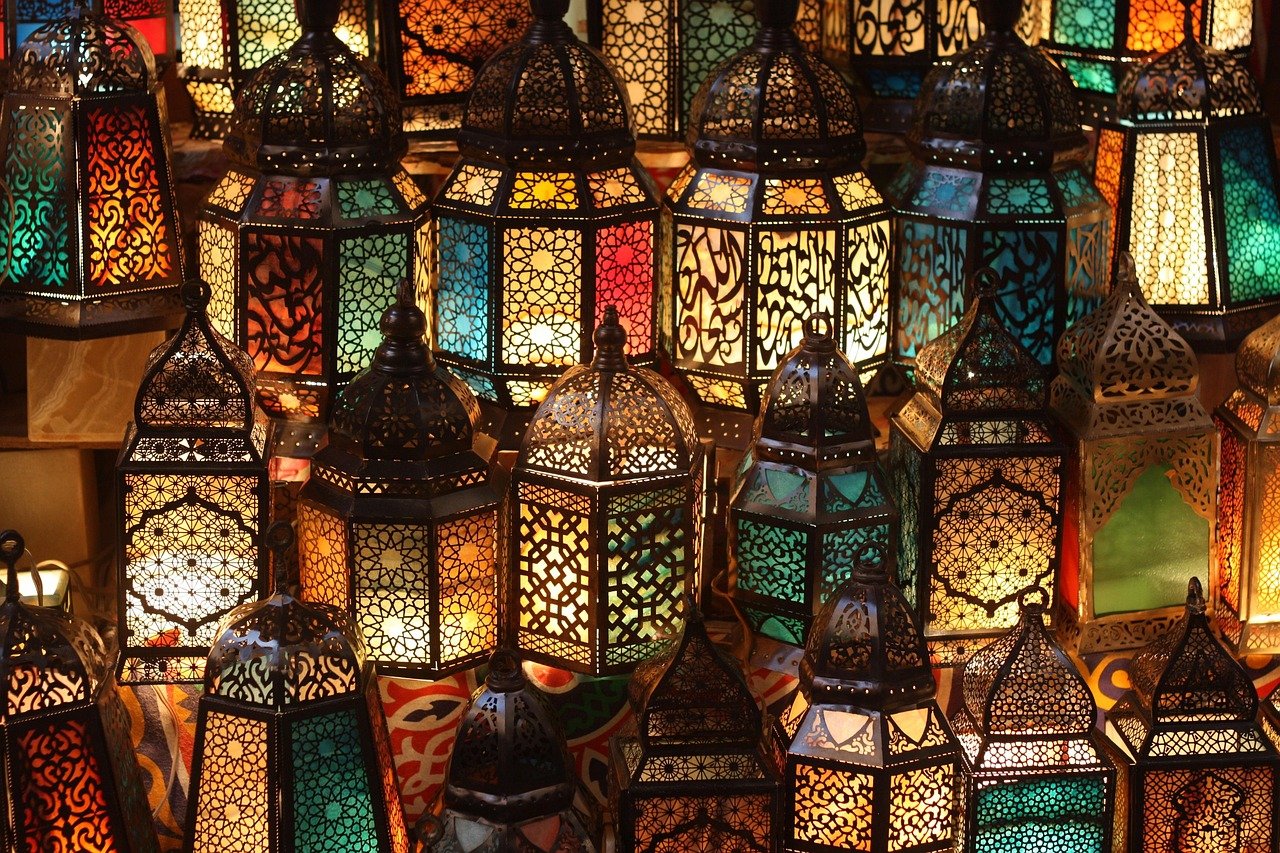
Khan El-Khalili traces its origins to 1382, when Emir Djaharks El-Khalili, a master of horse under the Mamluk Sultan Barquq, transformed a Fatimid royal cemetery into a caravanserai — a rest stop and trading post for merchants traveling the ancient Silk Road. The khan (Arabic for caravanserai) quickly became a hub where textiles from Persia, spices from India, and gold from sub-Saharan Africa changed hands. By the 15th century it had grown into a sprawling complex of workshops, warehouses, and merchant quarters spreading across what is now the Islamic Cairo district. Under the Ottoman Empire, the market expanded further as Istanbul-backed governors invested in new gates, mosques, and trade routes. The grand Wikala of Sultan Al-Ghuri, built in 1504 just steps from the bazaar’s main thoroughfare, stands today as one of the finest surviving examples of Mamluk commercial architecture.
The market suffered fires, plagues, and occupations over the centuries — Napoleon’s troops camped nearby during the French expedition of 1798, and the district was briefly the epicenter of a popular uprising against French rule in 1798. Yet the bazaar endured, absorbing each era’s upheavals and emerging each time as resilient as before. By the 19th century, Khan El-Khalili had become a magnet for Cairo’s creative class, including the Nobel Prize-winning novelist Naguib Mahfouz, who grew up in the surrounding district of Gamaliya and immortalized its alleyways in his Cairo Trilogy. The famous El-Fishawi Café, founded in 1797 and still serving mint tea and Turkish coffee today, was Mahfouz’s regular haunt and remains one of the oldest continuously operating coffehouses in Egypt.
What to See at Khan El-Khalili
The Spice and Herb Market
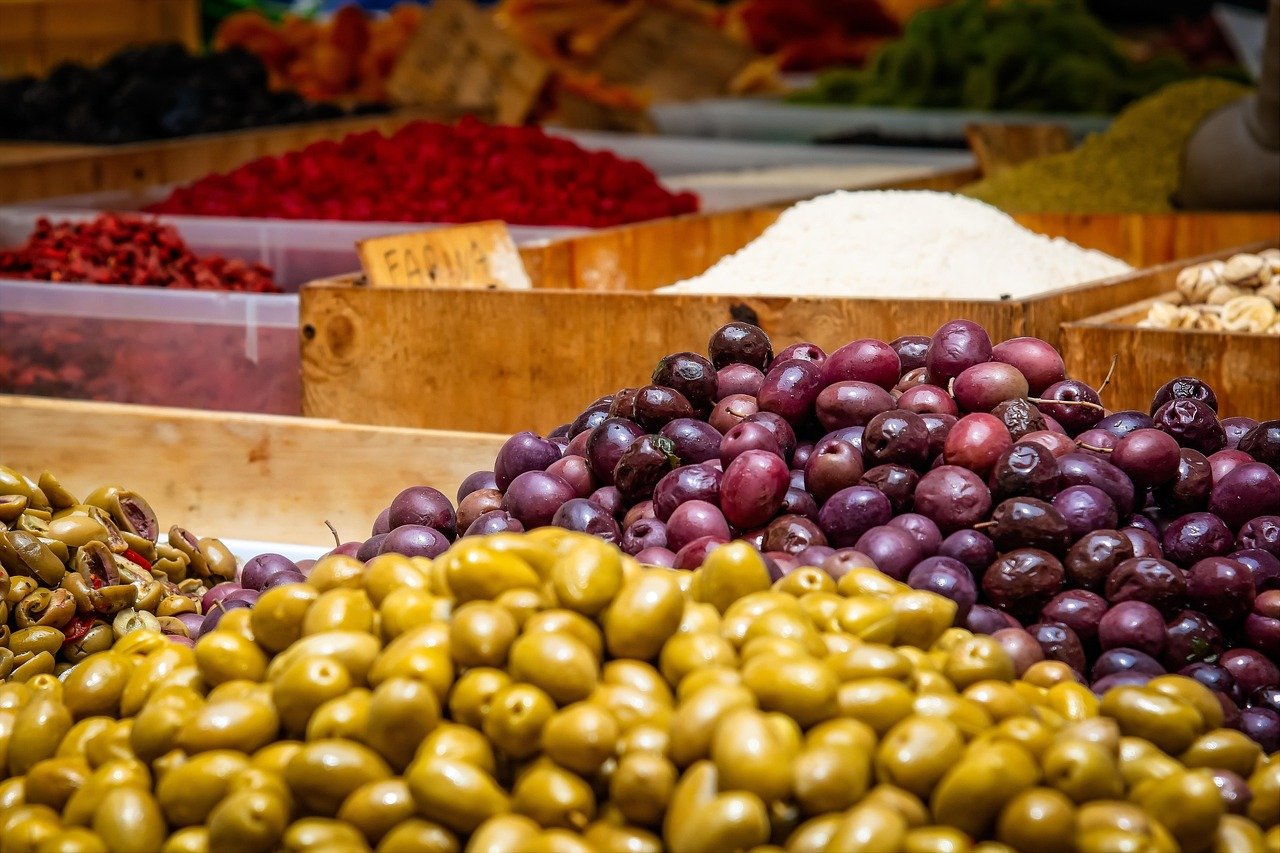
Tucked into the western section of the bazaar complex, the spice and herb souk floods the air with mingled scents of cumin, dried rose petals, hibiscus (karkadeh), fenugreek, and black seed (nigella). Open burlap sacks overflow with mounds of turmeric, chili, and dried chamomile blossoms arranged in vivid pyramids. Local cooks shop here for the za’atar blends and ras el-hanout mixes that flavor everyday Egyptian cooking, and you will find medicinal herbs used in traditional folk remedies alongside culinary staples. Vendors are happy to offer small samples — a pinch of cinnamon, a leaf of dried mint — and many will grind spices to order. Prices are typically quoted by the kilogram, and the going rate is substantially cheaper here than at Cairo’s modern supermarkets. Saffron, often quoted at eye-watering prices, deserves scrutiny — ask to smell it before buying, as lower-quality safflower is sometimes substituted. This corner of the market is also the best place to pick up Egyptian black honey (molasses), dried fruits, and the dried hibiscus that locals brew into a tart cold tea called karkadeh.
The Gold and Silver Jewelers’ Quarter
The jewelers’ quarter occupies a dedicated section of the bazaar where shop fronts glitter with gold necklaces, cartouche pendants inscribed with hieroglyphics, filigree earrings, and silver Bedouin bracelets. Egyptian gold is sold by weight at prices pegged daily to the international gold market, with a percentage added for craftsmanship — meaning you pay for what the piece is actually worth, not an inflated tourist markup on the metal itself. The cartouche — an oval frame enclosing a pharaonic name — is one of the most popular souvenirs: artisans will engrave your name in hieroglyphics on a gold pendant while you wait, typically within 30 to 60 minutes for simple designs. Sterling silver items, including Bedouin hand-crafted jewelry featuring turquoise and carnelian stones, offer excellent value. Bargaining on the workmanship fee is expected, but do not attempt to haggle on the gold weight price, as that is market-fixed. Come with cash in Egyptian pounds — most shops prefer it, and you will get the best rate by paying in local currency.
El-Fishawi Café and the Surrounding Coffeehouses
El-Fishawi has been serving customers without a single day’s closure since 1797, making it one of the oldest cafés in the world. Its mirrored walls, brass lanterns, and battered wooden chairs have hosted generations of poets, philosophers, politicians, and ordinary Cairenes seeking a glass of mint tea or a pot of Turkish coffee. Naguib Mahfouz spent decades writing here, and photographs of the Nobel laureate still hang on the walls. Today the café buzzes around the clock — it never closes — and remains the social nucleus of the bazaar district. Order a shisha pipe loaded with apple-flavored tobacco (moassal) and a pot of anise tea, and settle in to watch the endless parade of merchants, pilgrims, and tourists flowing through the alleyways outside. Beyond El-Fishawi, the surrounding lanes are dotted with smaller ahwas (coffeehouses) where locals play backgammon and dominoes — less photographed but equally atmospheric and usually half the price.
Local Insights
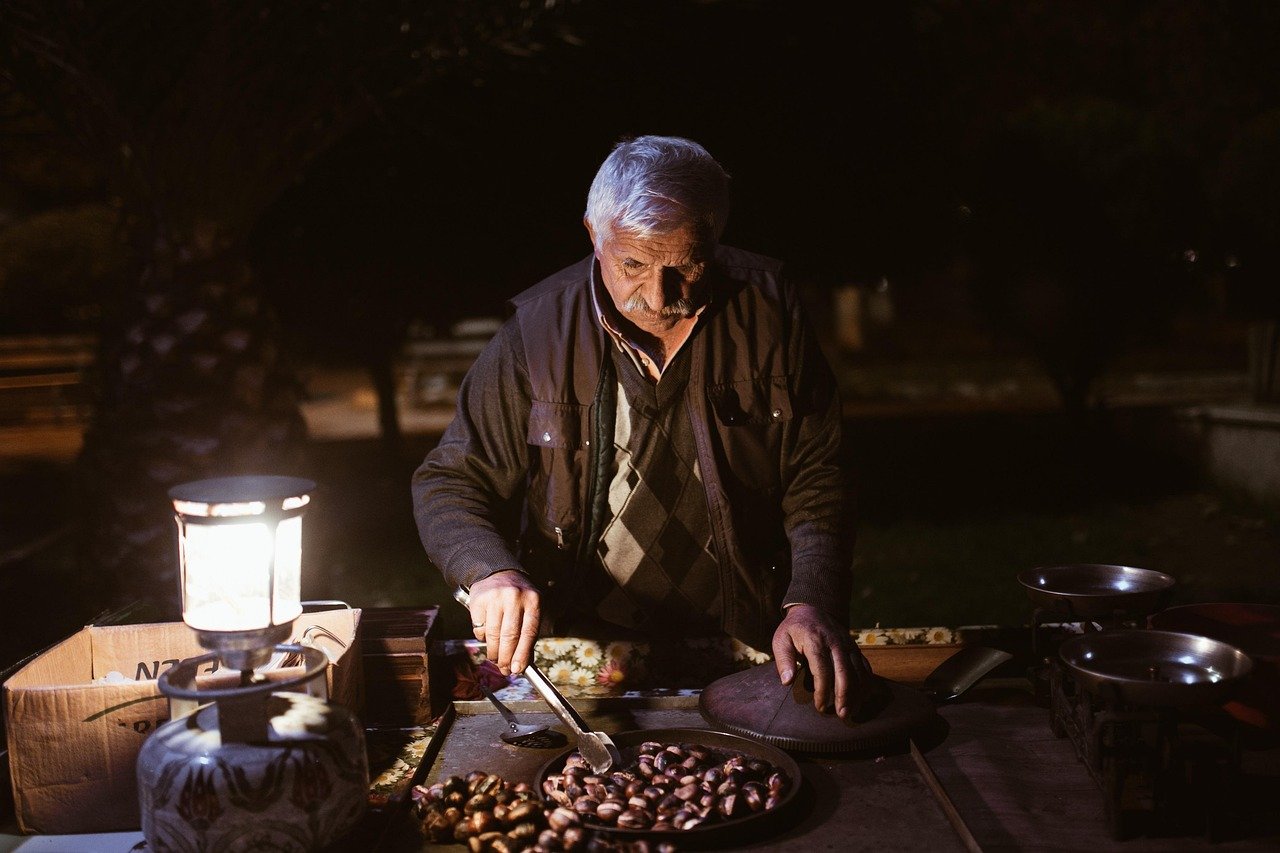
Maximize your Khan El-Khalili experience with these insider tips from seasoned Cairo visitors:
- Go early or go late, not midday. The bazaar is most atmospheric before 10am (fewer crowds, cooler temperatures, locals shopping) or after 6pm when the lanterns illuminate the lanes and the heat breaks. The 11am–3pm window is crowded, hot, and filled with tour groups. Fridays the market is quiet in the morning during prayers but buzzes by afternoon.
- Haggling is expected everywhere except gold. For handicrafts, papyrus art, souvenirs, leather goods, and spices, start your counter-offer at roughly 40–50% of the asking price and work toward a middle ground. Merchants will rarely be offended — aggressive bargaining is simply the local commercial language. Smiling, being friendly, and walking away slowly if no deal is reached are all legitimate tactics.
- Beware the “free tour” scam. A common approach involves a friendly local offering to show you a shorter route or a “special” shop, leading to a commission-based detour. Politely decline unsolicited guides, stick to your own path, and if you genuinely want a guide, hire one officially through your hotel or a licensed agency in advance.
- Pay in Egyptian pounds (EGP) for best prices. As of 2025, the exchange rate makes Cairo very affordable. Withdraw EGP from ATMs inside the bazaar district or at your hotel; avoid currency exchange kiosks in the market itself as rates are often unfavorable. Some gold shops list prices in USD — that is fine — but paying the EGP equivalent usually gets a small additional discount.
- Combine with the nearby Al-Hussein Mosque and the Museum of Islamic Art. Both are within walking distance. The Al-Hussein Mosque, Cairo’s most revered Sunni shrine, sits just across the square from the main entrance. The excellent Museum of Islamic Art, housing one of the world’s finest collections of Islamic decorative objects, is a 15-minute walk and well worth a half-day visit alongside your bazaar trip.
Planning Your Visit
- Tickets: Free admission to wander the bazaar. Individual shops and cafés charge for their goods and services. El-Fishawi Café: tea from EGP 50–100 (~$1–2 USD); shisha from EGP 150–300 (~$3–6 USD).
- Opening hours: The bazaar itself operates roughly 9am–10pm daily, with some shops closing Fridays until afternoon prayers end (~1:30pm). El-Fishawi Café is open 24 hours, 365 days a year.
- Best time: October through April for cooler weather. Visit on a Tuesday, Wednesday, or Thursday for a balance of activity and manageable crowds. Avoid major Islamic holidays (Eid Al-Adha, Eid Al-Fitr) when some shops close for several days.
- Duration: Allow 2–4 hours for a thorough wander; half a day if you plan to sit at El-Fishawi, browse jewelry, and visit the nearby Al-Hussein Mosque.
- Booking: No booking required. Simply arrive and explore. Guided tours of Islamic Cairo including Khan El-Khalili can be booked through reputable operators like Cairo Top Tours or through your hotel concierge.
Getting There
- Metro: Take Cairo Metro Line 1 to Al-Shohadaa station (formerly Ramses). From there, take a taxi or a 20-minute walk south through the Al-Ataba area toward the bazaar. Alternatively, Line 3 to Nasser station puts you closer to Islamic Cairo — about a 15-minute walk.
- By car: Khan El-Khalili is located on El-Muizz Street in the Islamic Cairo district. Parking in the immediate area is extremely limited; use a ride-hailing app and ask to be dropped near the Al-Hussein Mosque square, the main entry point.
- On foot: From Tahrir Square, it is approximately 3 km north-east — a 35–40 minute walk through central Cairo. The route passes the Egyptian Museum and several historic districts worth noting along the way.
- Taxi/ride-share: Uber and Careem both operate throughout Cairo. Request a drop-off at “Midan Al-Hussein” (Al-Hussein Square) for direct access to the bazaar’s main entrance. Expect the ride from Tahrir Square or Downtown to cost EGP 40–80 (~$1–1.60 USD).
Frequently asked questions
Is Khan El-Khalili safe for tourists?
Yes, Khan El-Khalili is generally safe for tourists and is visited by millions of people each year. The bazaar is heavily frequented by locals and foreigners alike, and police are present in the district. Standard urban precautions apply: keep an eye on your belongings in crowded lanes, use a money belt or concealed wallet rather than a back pocket, and be politely assertive in declining unsolicited guides or merchants grabbing your arm. Solo female travelers should be prepared for persistent but typically non-threatening attention from vendors, and dressing modestly — covered shoulders and knees — is respectful and will reduce unwanted interactions.
What are the best souvenirs to buy at Khan El-Khalili?
The bazaar excels in several categories: Egyptian cotton products (scarves, galabiya robes) offer exceptional quality at fair prices. Handcrafted copper and brass items — trays, lanterns, oil lamps — are among the world’s finest and are made locally. Papyrus artwork depicting pharaonic scenes (verify it is genuine papyrus, not banana leaf paper, by bending a corner gently — real papyrus does not crack). Gold cartouche pendants engraved with your name in hieroglyphics make deeply personal keepsakes. Spices, dried hibiscus, and Egyptian black seed (nigella) pack easily into luggage and are dramatically cheaper than in European or North American markets.
Do I need to haggle for everything at Khan El-Khalili?
Haggling is expected for most goods — souvenirs, handicrafts, clothing, leather items, and spices. Gold and silver jewelry priced by weight follow the international spot price and cannot be negotiated on the metal cost, though workmanship fees have some flexibility. Café prices (tea, shisha, food) are generally fixed, though it is worth asking if a service charge is already included. A polite, good-humored approach to bargaining is always appreciated; aggressive or insulting offers will simply be met with an equally firm refusal. If a price is not to your liking, smiling and walking away is your best leverage.
What is the best way to get from Khan El-Khalili to other major Cairo attractions?
The bazaar is ideally positioned for visiting several of Cairo’s top historical sites in a single day. The Citadel of Saladin and the Mosque of Muhammad Ali are about 2 km south — reachable by a 5-minute taxi ride or a 20-minute walk through the historic district. The Ibn Tulun Mosque, Cairo’s oldest intact mosque, is approximately 3 km south-west and best reached by taxi or Careem/Uber. The Egyptian Museum in Tahrir Square is 3 km west — take the Metro from Al-Shohadaa or grab a ride-share. Al-Azhar Park, with panoramic views over Islamic Cairo, is just 1 km east of the bazaar — an easy 15-minute walk.