
Jim Thompson House Museum
Step through the gates of Soi Kasemsan 2 and Bangkok’s relentless urban roar fades behind you. Ahead stretches one of Southeast Asia’s most enchanting private residences — six interlocking teakwood houses rising above a shaded garden threaded with koi ponds and ancient stone sculptures. This is the Jim Thompson House Museum, the legacy home of the American entrepreneur who single-handedly revived Thailand’s silk industry and filled his rooms with the most extraordinary collection of Asian art ever assembled by a private individual. More than half a century after Thompson’s mysterious disappearance, his house stands as a pilgrimage site for lovers of art, history, and the golden age of Thai craftsmanship — a place where every carved doorframe and porcelain jar tells a story worth travelling across the world to hear.
History of Jim Thompson House Museum
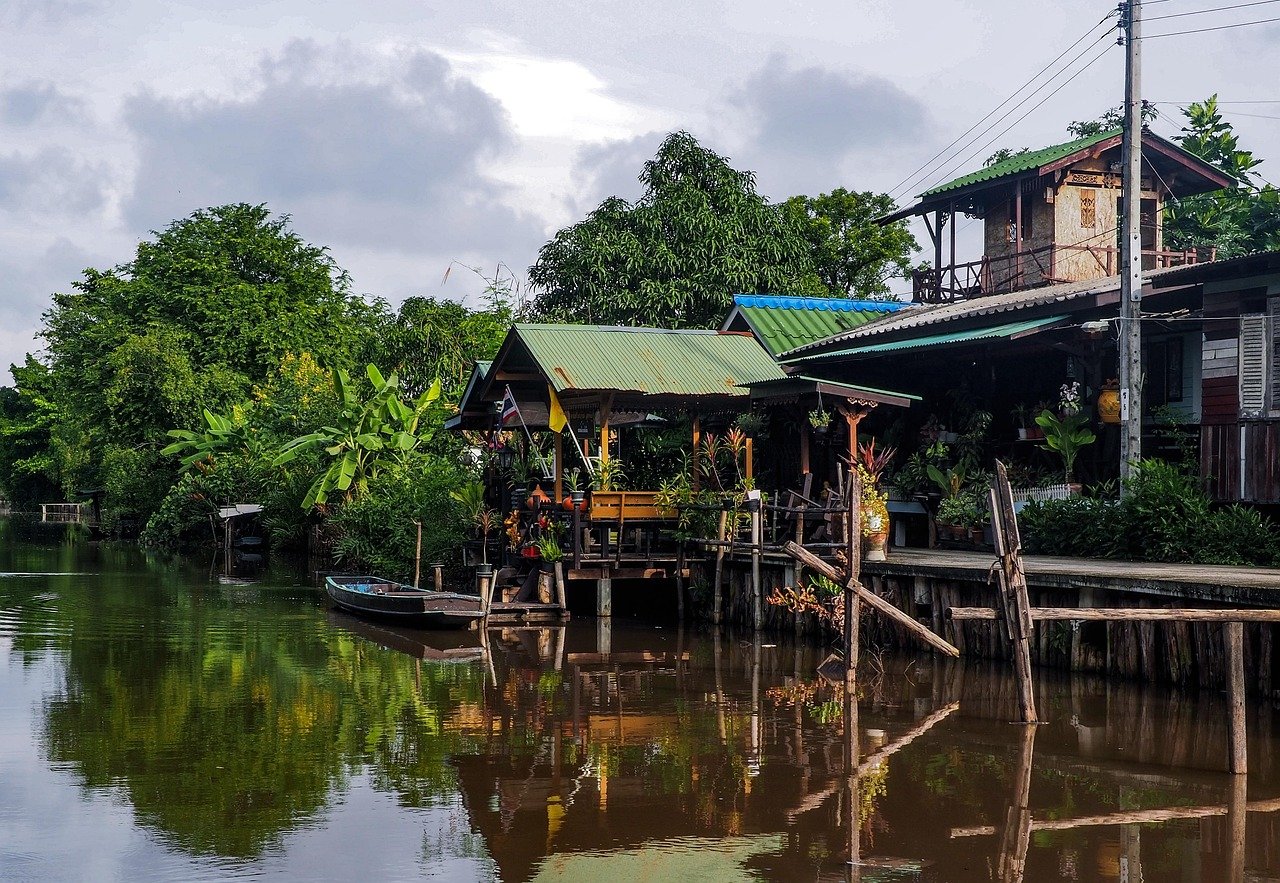
James H. W. Thompson was born in Delaware in 1906, trained as an architect, and arrived in Thailand in 1945 as an agent with the United States Office of Strategic Services. The country captivated him immediately. When the war ended, most of his colleagues went home. Thompson stayed. In 1948 he founded the Thai Silk Company Limited in the weaving village of Bangkrua, just across the canal from where his museum now stands, and proceeded to transform a cottage industry into an internationally recognised luxury brand. Western fashion designers, film productions — including the original Hollywood staging of Ben-Hur — and retail customers across Europe and America discovered Thai silk through Thompson’s relentless promotion. Within a decade he had made himself rich, famous, and deeply embedded in the social fabric of Bangkok’s expatriate community.
Throughout the 1950s Thompson indulged a parallel passion: collecting antique Asian art. In 1958 he began construction of his permanent Bangkok home, acquiring six traditional Thai-style houses — most dating from the nineteenth century — and reassembling them on his plot beside the Bangkrua canal. One of the structures had served as a weaver’s house in Bangkrua itself, and Thompson incorporated it as his living room, a sentimental link between his domestic life and his silk business. He reversed the direction of some wall panels to expose their carved inner faces, and he raised the ground floor a half-storey higher than traditional practice to allow light to flood the interiors. The result was a compound simultaneously faithful to Thai architectural tradition and unmistakably personal. In March 1967, Thompson vanished while on holiday in the Cameron Highlands of Malaysia. No trace of him was ever found. His house, its contents untouched, passed to The James H. W. Thompson Foundation under the royal patronage of HRH Princess Maha Chakri Sirindhorn, and opened to the public as a museum later that same year.
What to See at Jim Thompson House Museum
The Six Teakwood Houses
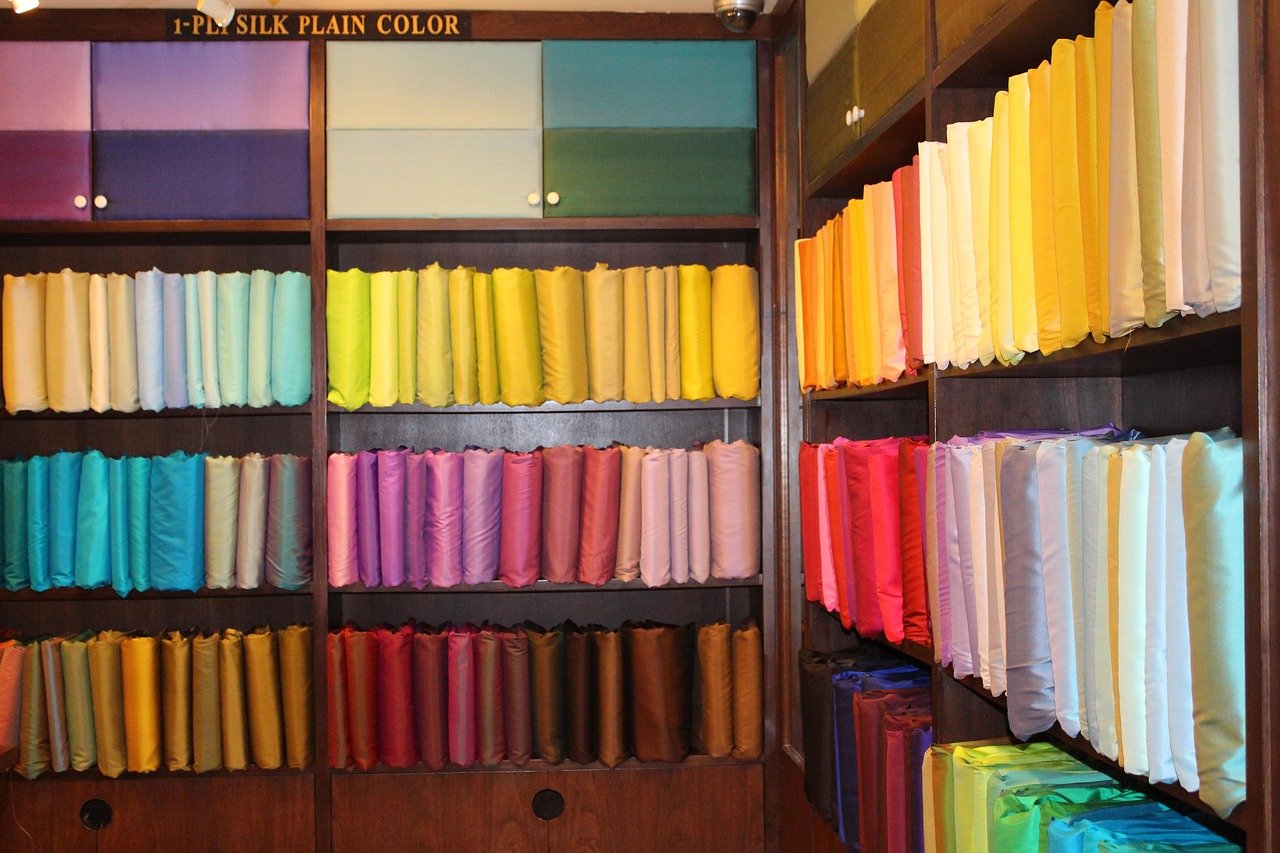
The architectural centrepiece of any visit is the compound of six interconnected teakwood houses, each serving a distinct residential purpose — living room, dining room, bedrooms, and service quarters. Thompson did not simply import these structures; he redesigned them with a curator’s eye, reversing wall panels to display carved motifs, installing French doors to open rooms to garden views, and adding Venetian glass chandeliers alongside Thai lacquerwork cabinets. Walking through the enfiladed rooms on a guided tour, visitors witness a seamless dialogue between Eastern and Western aesthetics that was entirely Thompson’s invention. The guided format is mandatory — no independent wandering inside the main house — but this works in the visitor’s favour: guides explain the provenance and significance of individual objects, revealing that the blue-and-white porcelain dish on a side table once belonged to a Siamese court, or that the wooden beams overhead were floated down the Chao Phraya on rafts from northern forests. Photography is not permitted inside the houses, which encourages a rare quality of attentive looking. The circuit typically takes around forty-five minutes and covers all six structures in sequence, ending at the threshold of the garden.
The Asian Art Collection
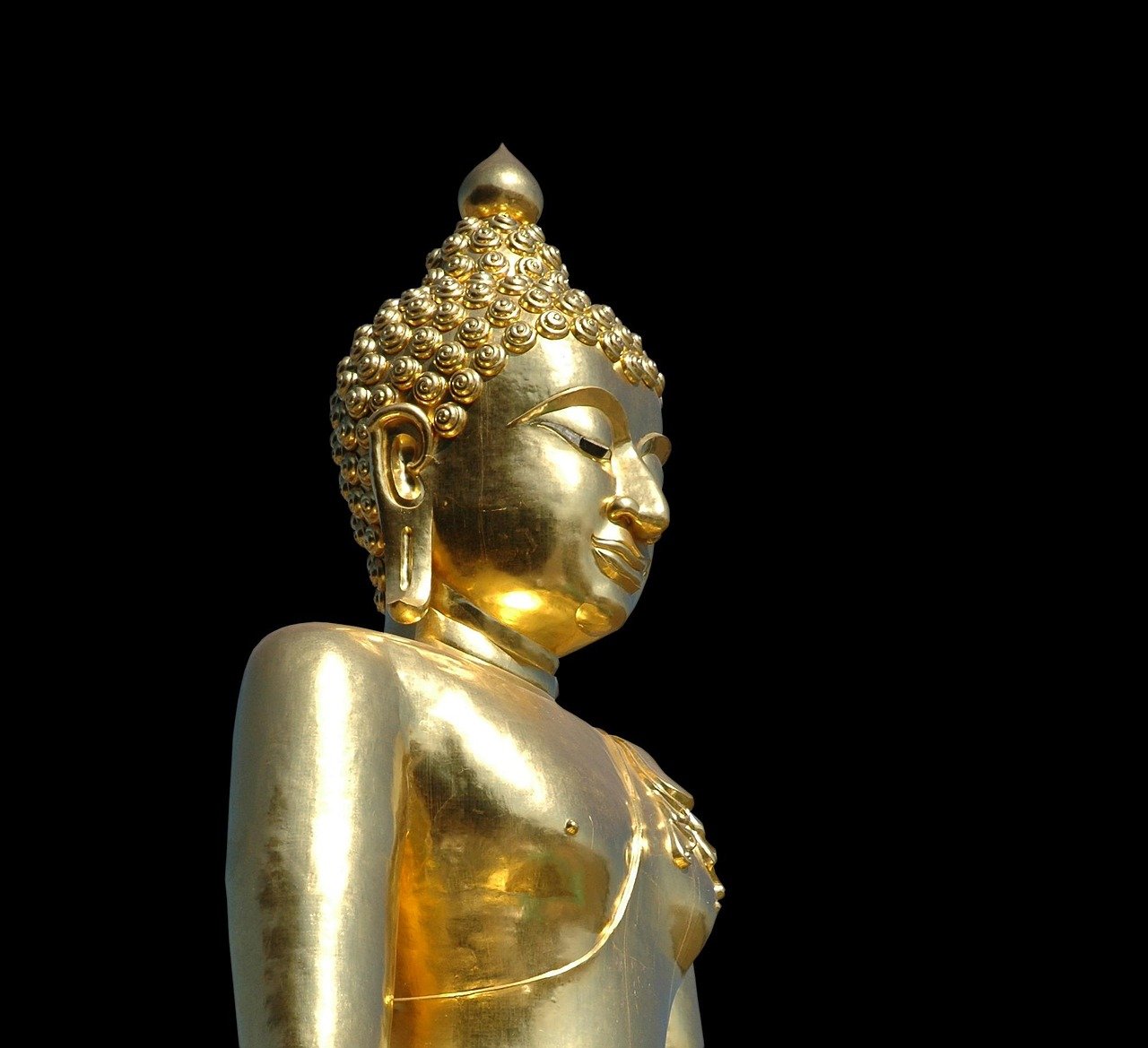
Thompson spent two decades acquiring objects with the selectivity of a scholar and the budget of a successful entrepreneur. His collection spans an extraordinary range of media and origins: Chinese Ming dynasty porcelain from the sixteenth and seventeenth centuries, Buddhist statuary from Thailand, Burma, Cambodia and Laos, Cambodian carved stone lintels, traditional Thai paintings depicting scenes from the life of the Buddha and the Jataka tales, and secular bronzes of remarkable refinement. Many of these pieces entered Thailand as trade goods centuries ago — the Chinese export porcelain, for instance, arrived aboard junks plying the Gulf of Thailand — and Thompson recognised their art-historical importance at a time when few Western collectors paid them serious attention. Among the highlights are a seventeenth-century Cambodian torso in grey sandstone, a group of gilded lacquer cabinets inlaid with mother-of-pearl, and a rare set of Thai paintings on cloth showing scenes from the Vessantara Jataka. The collection is not simply decorative; it is displayed as Thompson himself lived with it, objects arranged on tables and shelves as though their owner might return at any moment to rearrange them.
The Garden and Canal Setting
Beyond the main houses, the half-acre garden rewards extended exploration. Ancient terracotta pots from Sawankhalok kilns sit among tropical plantings; a spirit house receives fresh jasmine garlands each morning; and the canal-side terrace looks directly across the water to the Bangkrua weaving community whose silk threads first brought Thompson to this neighbourhood. The Jim Thompson Art Center, housed in a separate building within the compound, rotates temporary exhibitions in collaboration with cultural institutions from around the world — a programme that keeps the museum in dialogue with contemporary art practice rather than existing purely as a period artefact. The museum shop is one of Bangkok’s finest sources of high-quality Thai silk products, and the adjacent cafe serves good coffee in a garden setting that makes it tempting to linger long after the guided tour concludes. Children and students often find the koi pond — stocked with large, slow-moving carp — one of the most memorable details of the entire visit.
Local Insights
A few insider tips will make your visit considerably more rewarding.
- Arrive at opening time (10:00 AM). Tour groups from cruise ships and hotel packages typically arrive between 11:00 AM and 2:00 PM. Joining the first guided tour of the day means smaller groups, a more attentive guide, and unobstructed sightlines through the house rooms. The garden light is also softer and more photogenic in the morning hours.
- Wear slip-on shoes. Visitors must remove footwear before entering each of the main houses, and the rule applies at every threshold throughout the compound. Sandals or shoes without laces save you significant time and keep the queue moving. Socks are a good idea — some wooden floors can be dusty.
- Request a tour language in advance. The museum offers guided tours in Thai, English, French, Chinese, and Japanese. If your preferred language is anything other than English, alert staff when you purchase your ticket at the on-site office — guides are assigned at the desk and the roster changes throughout the day.
- Combine with the Jim Thompson Brand outlets nearby. The Thai Silk Company still operates a flagship retail shop on Surawong Road, about fifteen minutes by taxi. Silk products at both the museum shop and the brand stores use designs descended directly from Thompson’s original patterns — a meaningful souvenir connection to the museum visit.
- Leave time for the Art Center. The temporary exhibition programme in the Art Center building is often overlooked by visitors focused on the main house. Check the museum’s official website before your trip for the current show — some exhibitions are genuinely unmissable and have attracted international loans from major institutions.
Planning Your Visit
- Tickets: Adults 250 THB; ages 10-21 with valid student ID 150 THB; children under 10 free when accompanied by an adult. Tickets are sold exclusively at the on-site ticket office — the museum does not sell tickets through any online platform or third-party agent, so walk-up purchase is the only option.
- Opening hours: Daily 10:00 AM – 5:00 PM. The last guided tour departs at 5:00 PM. The museum is open every day of the year including Thai public holidays, though hours on major holidays such as Songkran may vary — check the official website before visiting.
- Best time: November through February during the cool dry season offers the most comfortable conditions for walking the garden. Weekday mornings between 10:00 AM and 11:00 AM are the quietest windows regardless of season. Avoid weekend afternoons when tour groups peak.
- Duration: Allow 1.5 to 2 hours — approximately 45 minutes for the mandatory guided house tour, 20-30 minutes for the garden and Art Center, and additional time for the shop and cafe if desired.
- Booking: No advance booking is required or available. Tickets are purchased at the entrance gate on the day. Guides are assigned automatically upon entry and tours begin when a sufficient group has assembled, typically every 15-20 minutes.
Getting There
- By car: The museum is located at 6 Soi Kasemsan 2, Rama 1 Road. Parking in the immediate vicinity is extremely limited; rideshare drop-off is the most practical option. Instruct your driver to enter from Rama 1 Road opposite the National Stadium.
- BTS Skytrain/MRT: The closest BTS station is National Stadium (Exit 1), approximately a 5-minute walk. Walk south from the station exit, turn right into Soi Kasemsan 2, and the museum entrance is on your left after about 200 metres.
- On foot: The museum is a 10-12 minute walk from Siam BTS interchange and roughly 20 minutes from MBK Center. Follow Rama 1 Road east or west depending on your starting point — the lane to Soi Kasemsan 2 is clearly signposted from the main road.
- Taxi/tuk-tuk: Show drivers the address in Thai script: 6 ซอยเกษมสันต์ 2 ถนนพระรามหนึ่ง. Most Bangkok taxi meters start at 35 THB; the ride from Siam Square takes under 5 minutes. Tuk-tuks are plentiful around the National Stadium area — agree on a fare before departing.
Frequently asked questions
Can I visit the Jim Thompson House Museum without a guided tour?
The garden, Art Center, museum shop, and cafe are accessible without joining a guided tour. However, entry into the main house complex — the six teakwood houses containing the bulk of the art collection — is only possible as part of a guided group tour. This is a firm museum policy designed to protect the fragile wooden structures and antique objects. Tours run continuously throughout the day in multiple languages, so you are unlikely to wait more than 15-20 minutes before a tour in your preferred language begins.
Is photography allowed inside the Jim Thompson House?
Photography and videography are strictly prohibited inside the six main houses. The restriction exists to protect light-sensitive artworks, particularly the antique Thai paintings and lacquerwork pieces, which can degrade under repeated flash exposure. You are welcome to photograph the garden, exterior facades, koi ponds, and the Art Center (subject to any restrictions on individual temporary exhibitions). The museum’s own website and gift shop offer high-quality photographic books of the collection for purchase if you would like a visual record of the interior.
How long should I spend at the Jim Thompson House Museum?
Most visitors are satisfied with 1.5 to 2 hours, which allows time for the full guided house tour (approximately 45 minutes), a self-guided walk through the garden and Art Center (30 minutes), and browsing in the museum shop. If you are a serious collector or student of Southeast Asian art history, the Art Center temporary exhibitions can extend a visit to 2.5 to 3 hours. The on-site cafe makes it easy to decompress after the structured tour before heading on to other Siam neighbourhood attractions.
What is the story of Jim Thompson’s disappearance?
On 26 March 1967, Jim Thompson went for an afternoon walk from his rented bungalow in the Cameron Highlands of Malaysia and never returned. Despite one of the largest search operations in Malaysian history, involving hundreds of police, soldiers, and volunteers, no trace of him was ever found. Theories have proliferated for decades — accidental fall, tiger attack, deliberate disappearance to avoid CIA scrutiny, even kidnapping connected to his wartime intelligence work. The mystery remains officially unsolved. Thompson’s Bangkok house, which he had never had the opportunity to fully complete to his satisfaction, was sealed and then opened as a museum later in 1967, becoming one of the most visited heritage sites in Southeast Asia.