
Itaipu Dam (Barragem de Itaipu)
Standing at the edge of the Itaipu Dam, you feel it before you see it — a deep, resonant vibration rising through the observation deck as 14,000 megawatts of electricity surge through turbines the size of houses. This colossal structure stretching across the Paraná River between Brazil and Paraguay is not merely an engineering achievement; it is a wonder of human determination on a geological scale. For decades it held the title of the world’s largest operational hydroelectric plant, and even today it supplies roughly 10% of Brazil’s entire electricity needs and close to 90% of Paraguay’s power. Few places on Earth let you stand face to face with infrastructure that keeps an entire nation’s lights on — and feel the ground tremble beneath your feet as proof.
History of Itaipu Dam
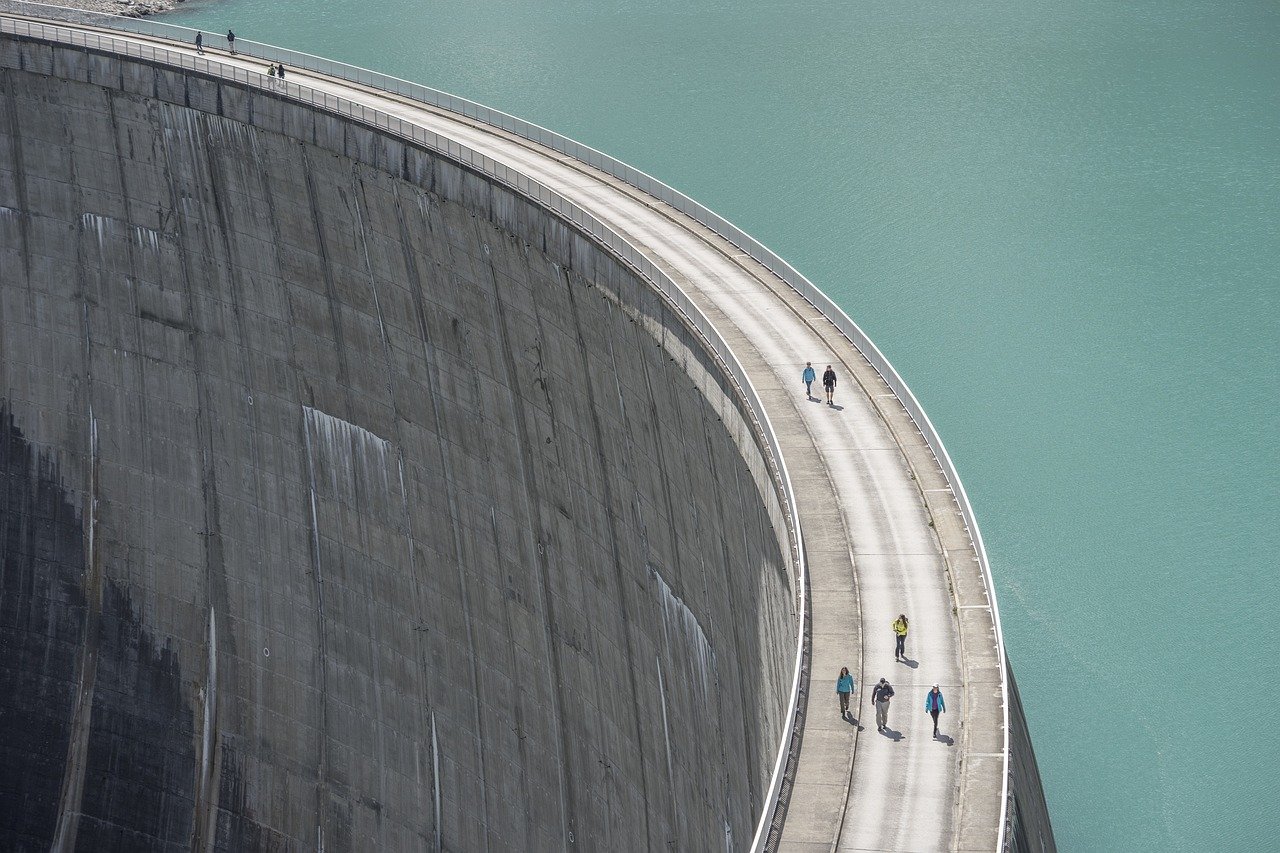
The story of Itaipu begins not with concrete and steel but with diplomacy. For decades the Paraná River — one of South America’s mightiest waterways — was the subject of territorial tension between Brazil and Paraguay. The Iguaçu Treaty of 1973 transformed that rivalry into partnership, and the two governments established Itaipu Binacional, a joint entity that would govern the construction and operation of the dam forever. Work began in 1975 with a workforce that at its peak employed over 40,000 people, making it one of the largest construction projects of the twentieth century. To redirect the river during construction, engineers dug an 8-kilometre diversion channel — a feat requiring 50 million tonnes of earth and rock to be shifted in just three years. The village of Guaíra was flooded when the reservoir filled, displacing some 10,000 families in what remains a deeply felt historical wound in the region.
The first generating unit came online in May 1984, and by 1991 all 18 original turbines were operating. The plant then shattered records: in 2016 it generated 103.1 terawatt-hours of electricity, surpassing the previous world record set by the Three Gorges Dam. Two additional units were later added for a total of 20 turbines producing 14,000 megawatts of installed capacity. The dam wall itself is 196 metres tall and 7.7 kilometres long, containing enough iron and steel to build 380 Eiffel Towers. Itaipu Binacional still manages the facility as a binational entity, with profits shared equally between Brazil and Paraguay — an ongoing reminder that one of the modern world’s great engineering monuments is also a model of international cooperation.
What to See at Itaipu Dam
The Panoramic Tour
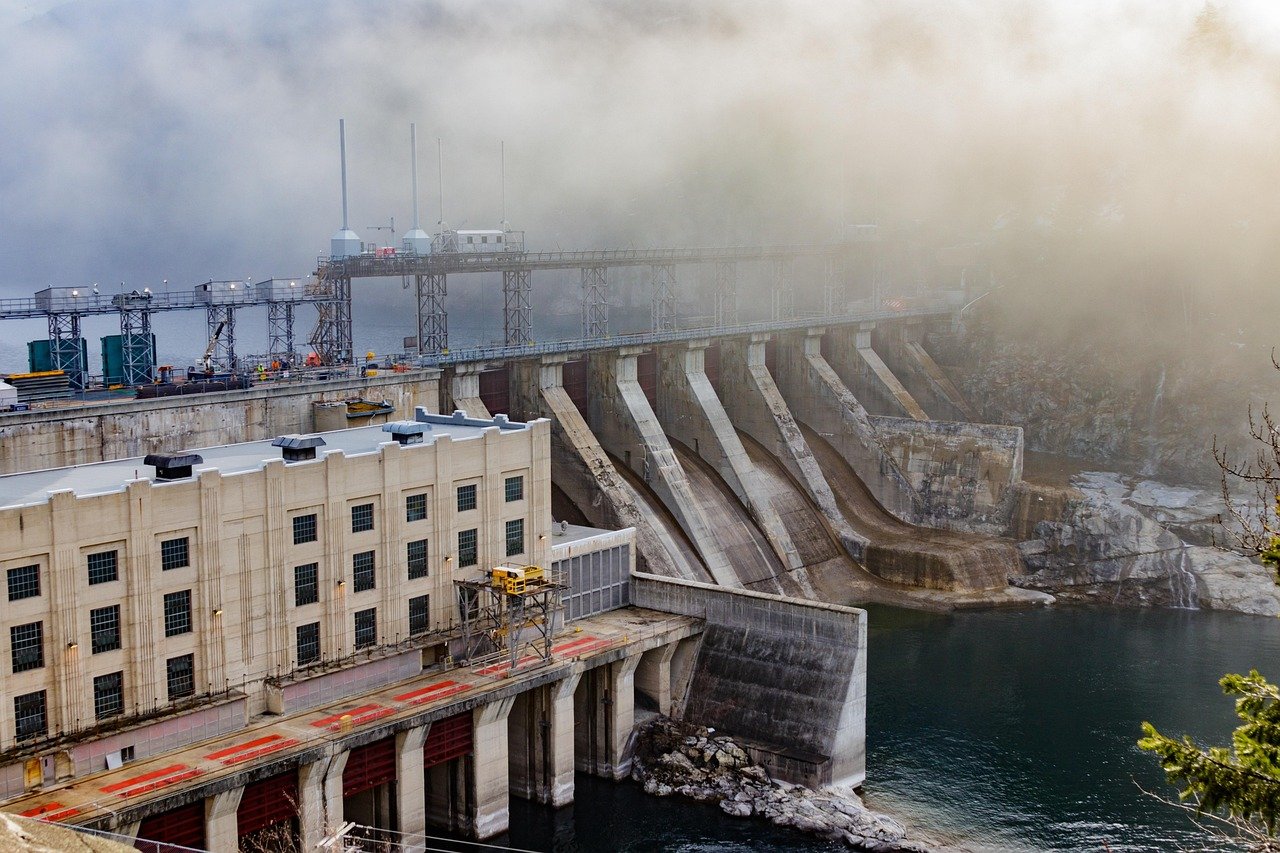
The Panoramic Tour is the classic way to experience Itaipu and runs daily from 8:30 am to 4:00 pm on the Brazilian side. An air-conditioned bus carries visitors along the dam crest for unobstructed views of the 14-kilometre-long reservoir on one side and the thundering spillways on the other. The tour lasts approximately 70 minutes and includes stops at the main viewing platforms where you can grasp the full scale of the 196-metre wall. Guides explain how the turbines work, how much water flows through each second during peak generation, and the binational political framework that keeps two countries sharing one of the world’s biggest power stations. For families and first-time visitors, the Panoramic Tour is the perfect introduction — accessible for all ages, requiring no specialized knowledge, and delivering genuinely jaw-dropping views of a structure that words struggle to contain. On the Brazilian side the ticket costs R$63 per adult, with half-price rates for children aged 6–11 and seniors over 60. Advance booking is strongly recommended, especially during peak summer months.
The Special Circuit Tour
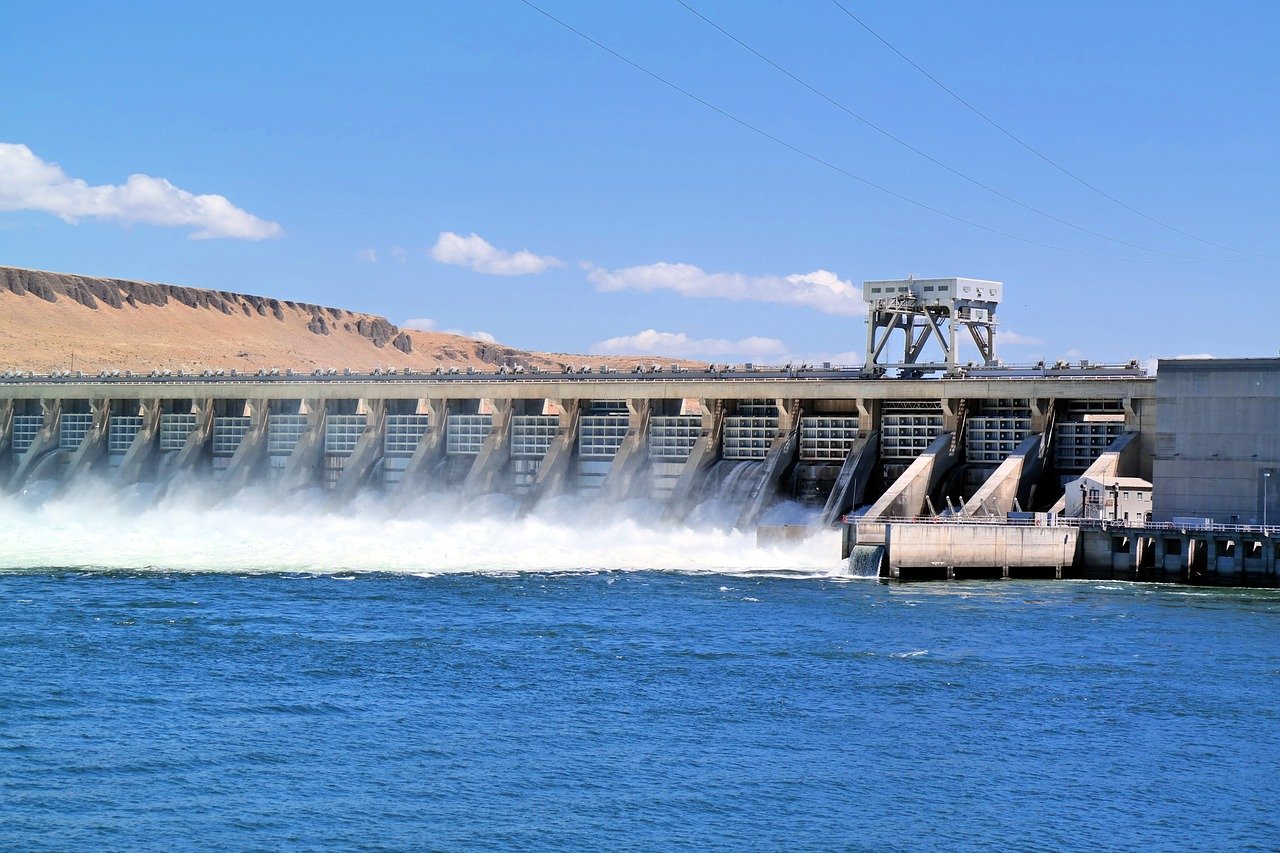
For those who want to go deeper — literally — the Special Circuit Tour descends into the heart of the dam. This 2.5-hour experience (R$185 per person on the Brazilian side; note children under 14 are not admitted due to safety regulations in active industrial zones) takes visitors through the immense underground galleries that house the turbines, the binational control room where engineers from both Brazil and Paraguay monitor output in real time, and the massive machine room stretching for hundreds of metres inside the dam body. The contrast between the serene reservoir above and the deafening industrial power below is almost surreal. Hard hats are provided and guides walk the group through every stage of electricity generation, from water intake to transmission lines. The Paraguayan side also offers its own Special Circuit Tour (Gs. 100,000, approximately USD 13–14), which provides a slightly different perspective on the same remarkable facility, with an emphasis on the panoramic views from the Paraguayan Visitor Center. Both sides merit a visit if you have a full day, and crossing the bridge between them is an experience in itself.
Itaipu Biological Refuge and Ecomuseum
Itaipu is far more than concrete. The surrounding Biological Refuge protects 1,400 hectares of Atlantic Forest remnants and serves as an animal rescue and rehabilitation center, housing tapirs, giant anteaters, peccaries, and over 400 species of birds. Guided tours of the Refuge run Wednesday through Monday and last approximately 2.5 hours (R$48 per person). The on-site Ecomuseum — free to enter and open most days — tells the human and environmental history of the Paraná River basin through compelling exhibits about the communities displaced by the reservoir and the wildlife conservation programs that followed. It is a sobering and thoughtful counterpoint to the dam’s engineering triumph, and one of the most honest presentations of a megaproject’s full legacy you will find anywhere in South America. The Illuminated Tour, running Friday and Saturday evenings (R$50), adds a cinematic dimension: the dam lit against the night sky, with live music from the Tri-Border region, is genuinely magical.
The engineering legacy of Itaipu extends well beyond electricity generation. The binational corporation has invested heavily in sustainability programs, reforestation along the reservoir shoreline, fish-ladder construction to support species migration, and an environmental education center that draws school groups from across southern Brazil and Paraguay. More than 250 species of fish inhabit the reservoir, and the company funds ongoing research into the Paraná River ecosystem. The dam also played a role in the region’s economic transformation: Foz do Iguaçu grew from a small frontier town to a city of over 250,000 people in large part because of the construction workforce and the ongoing employment the plant provides. Today tourism is a major industry in its own right, with the dam and the nearby Iguazu Falls drawing over two million visitors per year to this pocket of southern Brazil where three countries share a border and two nations share an extraordinary river.
Local Insights

Make the most of your visit to Itaipu with these insider tips from seasoned travelers and local guides.
- Visit both sides: The Brazilian and Paraguayan visitor centers offer different perspectives and different tours. The Brazilian side has better infrastructure and the impressive Special Circuit underground tour; the Paraguayan panoramic is free and offers a broader exterior view of the entire dam structure. Budget a full day and cross the Friendship Bridge to do both.
- Book the Special Circuit weeks ahead: Spots on the Brazilian Special Circuit are limited and frequently sell out, particularly on weekends and school holidays. Book via the official turismoitaipu.com.br website as soon as your travel dates are fixed — walk-ups are rarely possible for this tour.
- Combine with Iguazu Falls: Foz do Iguaçu is only 20 km from the dam, and most visitors combine both attractions over two days. This is the single best value itinerary in southern Brazil — two UNESCO World Heritage-adjacent sites in one trip. Many tour operators in town offer combined packages at a discount.
- Friday or Saturday for the night tour: The Itaipu Illuminated Tour (R$50) runs Friday and Saturday evenings starting at 7 pm and transforms the dam into a spectacle of light and shadow. The queue is shorter than daytime tours and the temperature is cooler — a much more comfortable experience in summer.
- Wear closed-toe shoes for underground tours: The Special Circuit requires walking on wet industrial surfaces inside the turbine galleries. Sandals and flip-flops are actively prohibited. Comfortable walking shoes with grip are essential, and dress in layers — the interior of the dam is significantly cooler than the subtropical exterior.
Planning Your Visit
- Tickets: Panoramic Tour R$63 (~USD 12) adults, half price for children 6–11 and seniors 60+. Special Circuit R$185 (~USD 35), 14+ only. Biological Refuge R$48 (~USD 9). Ecomuseum free. Paraguayan side: Panoramic free; Special Circuit Gs. 100,000 (~USD 13). Purchase at turismoitaipu.com.br.
- Opening hours: Brazilian side daily 8:30 am – 4:00 pm (last tour entry). Illuminated Tour Fri–Sat from 7:00 pm. Ecomuseum open Wed–Mon. Closed on select public holidays.
- Best time: Visit April–October (dry season) for clearer skies and lower humidity. Arrive for the first morning departure (8:30 am) to beat tour groups. Weekdays are significantly quieter than weekends.
- Duration: Panoramic Tour ~1h 10m. Special Circuit ~2h 30m. Biological Refuge ~2h 30m. Allow a full day if combining Brazilian and Paraguayan sides.
- Booking: Advance booking essential for Special Circuit and Biological Refuge — purchase online at turismoitaipu.com.br. Panoramic Tour tickets may be bought on the day but availability varies. Paraguayan side tickets available at the gate.
Getting There
- Bus: Local urban buses from central Foz do Iguaçu (Terminal Urbano, Av. Juscelino Kubitschek) serve the dam entrance — route “Itaipu” takes approximately 20–30 minutes. Fare around R$5. Check current timetables at the terminal.
- By car: Follow BR-277 west from central Foz do Iguaçu to Avenida Tancredo Neves. The Brazilian Visitor Center is well-signposted. Free parking available at the main gate. Drive time approximately 15–20 minutes from the city center.
- On foot: Not practical from the city center — approximately 12 km along busy roads with no dedicated pedestrian route. Bicycle routes exist within the dam complex itself (Ecomuseum area).
- Taxi/ride-share (Uber widely available in Brazil): Uber and local taxis operate from Foz do Iguaçu city center to the Brazilian Visitor Center. Expect R$25–40 each way. Book your return ride in advance as the area around the dam has limited passing traffic.
Frequently asked questions
Can I visit both the Brazilian and Paraguayan sides of Itaipu Dam in one day?
Yes, and it is one of the best ways to experience the dam in full. The Brazilian and Paraguayan visitor centers are on opposite banks of the Paraná River, connected by the Friendship Bridge (Ponte da Amizade). Most visitors start on the Brazilian side for the morning tours, then cross into Paraguay in the afternoon. Note that you will need your passport and may need a tourist visa for Paraguay depending on your nationality — check requirements before your visit and keep your documents with you throughout the crossing.
What is the difference between the Panoramic Tour and the Special Circuit?
The Panoramic Tour (R$63) provides an external overview of the dam by bus, stopping at key viewpoints along the crest and spillway area. It is suitable for all ages and takes about 70 minutes. The Special Circuit (R$185) is an immersive underground experience that takes visitors inside the dam’s turbine galleries, the massive machine room, and the binational control room deep inside the structure. It lasts about 2.5 hours and is restricted to visitors aged 14 and over due to safety regulations in active industrial areas. If budget allows, the Special Circuit is unforgettable.
Is Itaipu Dam still the world’s largest hydroelectric plant?
Itaipu held the title of world’s largest operational hydroelectric plant by energy production for many years, and in 2016 set a world record by generating 103.1 terawatt-hours in a single year. China’s Three Gorges Dam has a higher installed capacity (22,500 MW vs Itaipu’s 14,000 MW) but Itaipu has outperformed it in annual energy output in several years. By any measure, Itaipu remains one of the two or three largest and most productive hydroelectric facilities ever built, and its continued operation as a binational institution between Brazil and Paraguay is a remarkable achievement in energy diplomacy.
How far is Itaipu Dam from Iguazu Falls?
Itaipu Dam is approximately 20 kilometres from the entrance to the Parque Nacional do Iguaçu (Brazilian side of Iguazu Falls), and roughly 25 kilometres from the Argentine park entrance. Both attractions are accessed via the city of Foz do Iguaçu in Brazil. The drive between Itaipu and the Brazilian park entrance takes about 20–25 minutes by car or taxi. Many tour operators in Foz do Iguaçu offer combined day tours covering both the dam and the falls — this is excellent value and the most efficient way to see two of South America’s great natural and engineering wonders in a single trip.