
Inhotim (Inhotim Institute)
Somewhere between a world-class museum, a botanical garden, and a philosophical statement about what art can be, Inhotim defies easy categorization. Set across 140 hectares of sculpted parkland in the hills of Brumadinho, Minas Gerais, it is the largest open-air contemporary art museum in the world — a place where monumental installations by global artists are nestled into valleys, embedded in hillsides, and reflected across a network of ornamental lakes surrounded by tropical flora. A day at Inhotim is less about ticking boxes in a conventional gallery and more about wandering into discovery: rounding a bend in a garden path to find a pavilion containing a single, life-altering work of art that you will spend forty minutes inside, completely alone. This is a place that genuinely rewards unhurried attention.
History of Inhotim
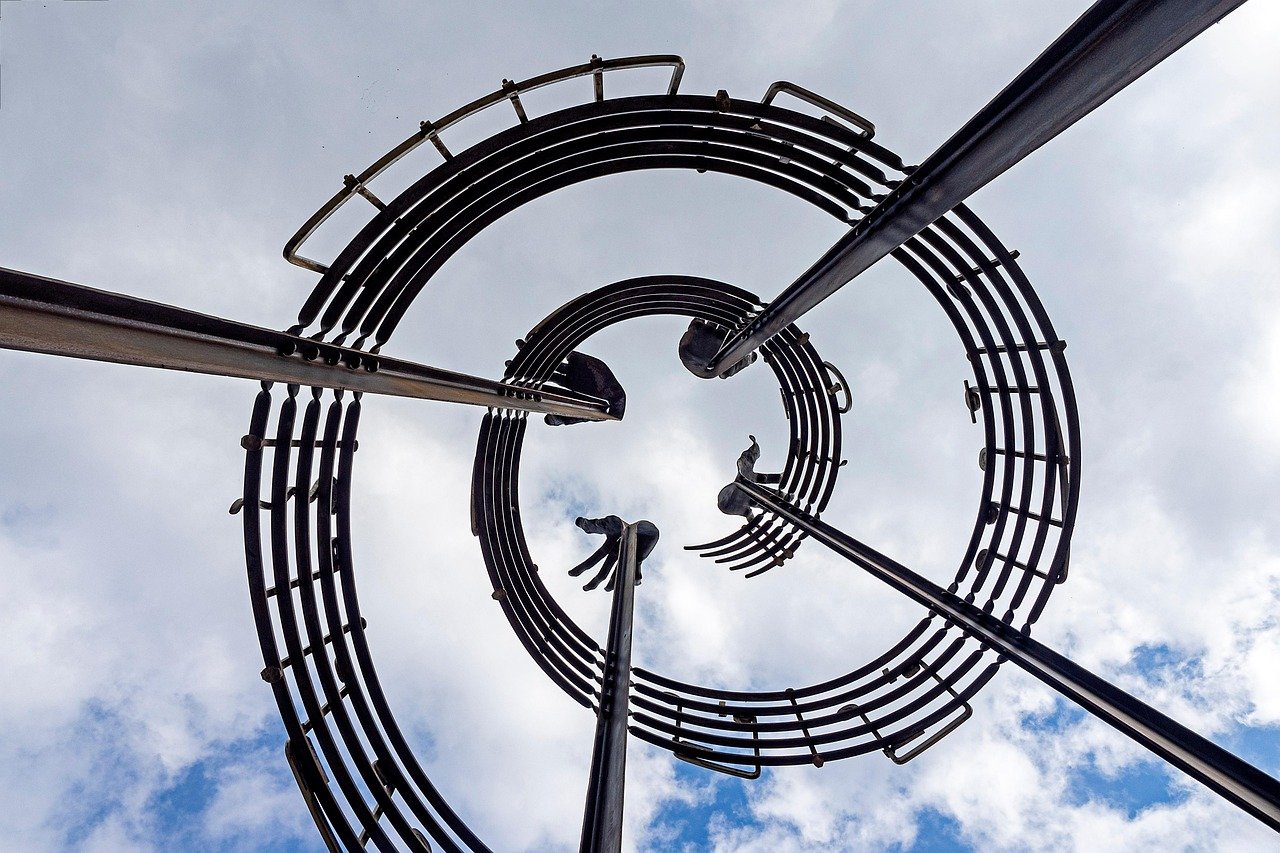
Inhotim grew from the personal vision of Bernardo Paz, a Brazilian mining entrepreneur and art collector who began acquiring land in the Brumadinho region in the 1980s. Initially developed as a private estate and garden, the property evolved over two decades as Paz deepened his relationships with leading contemporary artists and began commissioning site-specific works that could only exist in this particular landscape. The botanical gardens were developed simultaneously, eventually achieving recognition as an official botanical garden by the state of Minas Gerais and housing one of the most biodiverse palm collections in the world.
Inhotim opened to the public in 2006 and quickly attracted international attention as a genuinely new model of the art museum — one where the building, the landscape, and the artworks are conceived as an integrated whole. Artists including Cildo Meireles, Chris Burden, Doug Aitken, Olafur Eliasson, and Adriana Varejão have created permanent pavilions and installations here that are considered among the most important site-specific works of the 21st century. The institution went through administrative difficulties after Paz faced legal troubles in the early 2020s, but has continued operating under new institutional management with its collection and gardens intact. Today, Inhotim draws visitors from across Brazil and the world, firmly established as one of the most significant art destinations in the Western Hemisphere.
What to See at Inhotim
The Art Pavilions and Site-Specific Installations
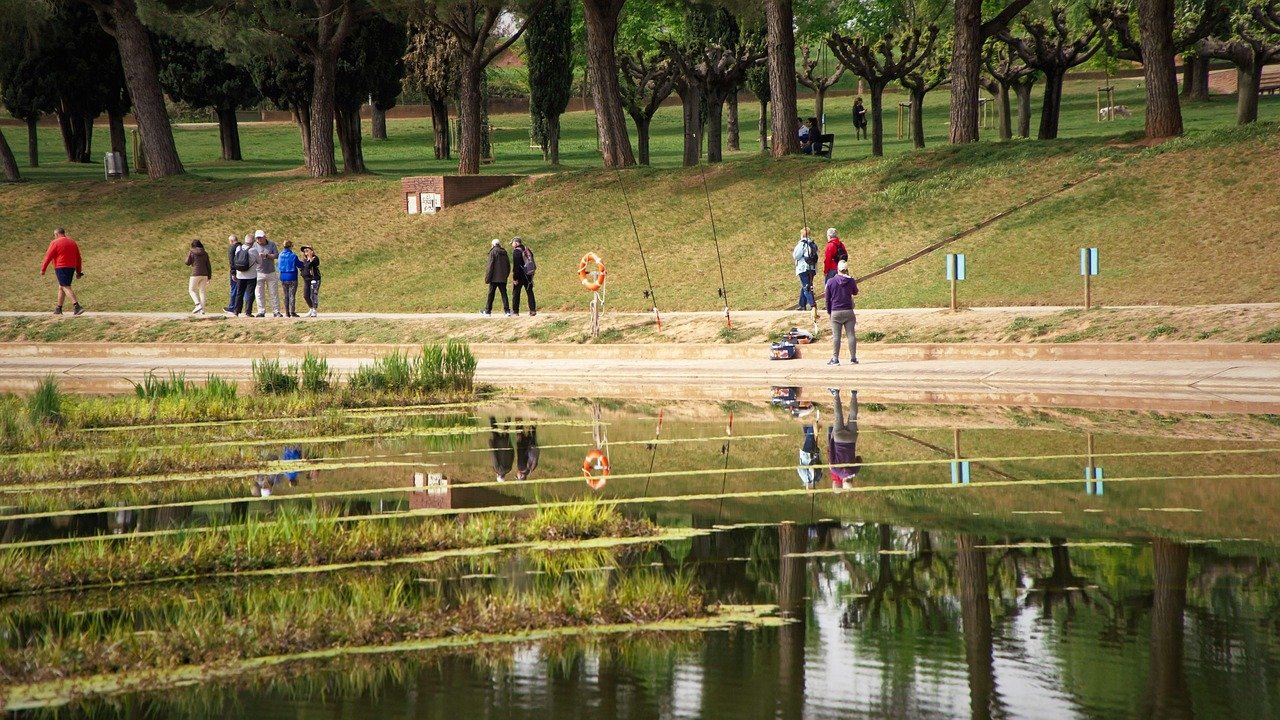
The heart of the Inhotim experience is its collection of permanent artist pavilions — custom-built structures that house single major works or groups of works by individual artists. Cildo Meireles’ Através (Through) fills an entire building with a labyrinthine installation of transparent materials suspended in total darkness; emerging from it is disorienting in the way only the best art can be. The Galeria Cosmococa presents a series of quasi-cinematic environments designed by Helio Oiticica and Neville d’Almeida. The Adriana Varejão Gallery holds some of her most monumental ceramic and flesh-toned tile paintings. Chris Burden’s Beam Drop — a forest of concrete-embedded steel beams dropped by crane — is visible across the valley and seems to have arrived from another era entirely. Each pavilion functions as its own world, and the journey between them through garden paths and hills is itself part of the artistic experience.
The Botanical Gardens and Landscape
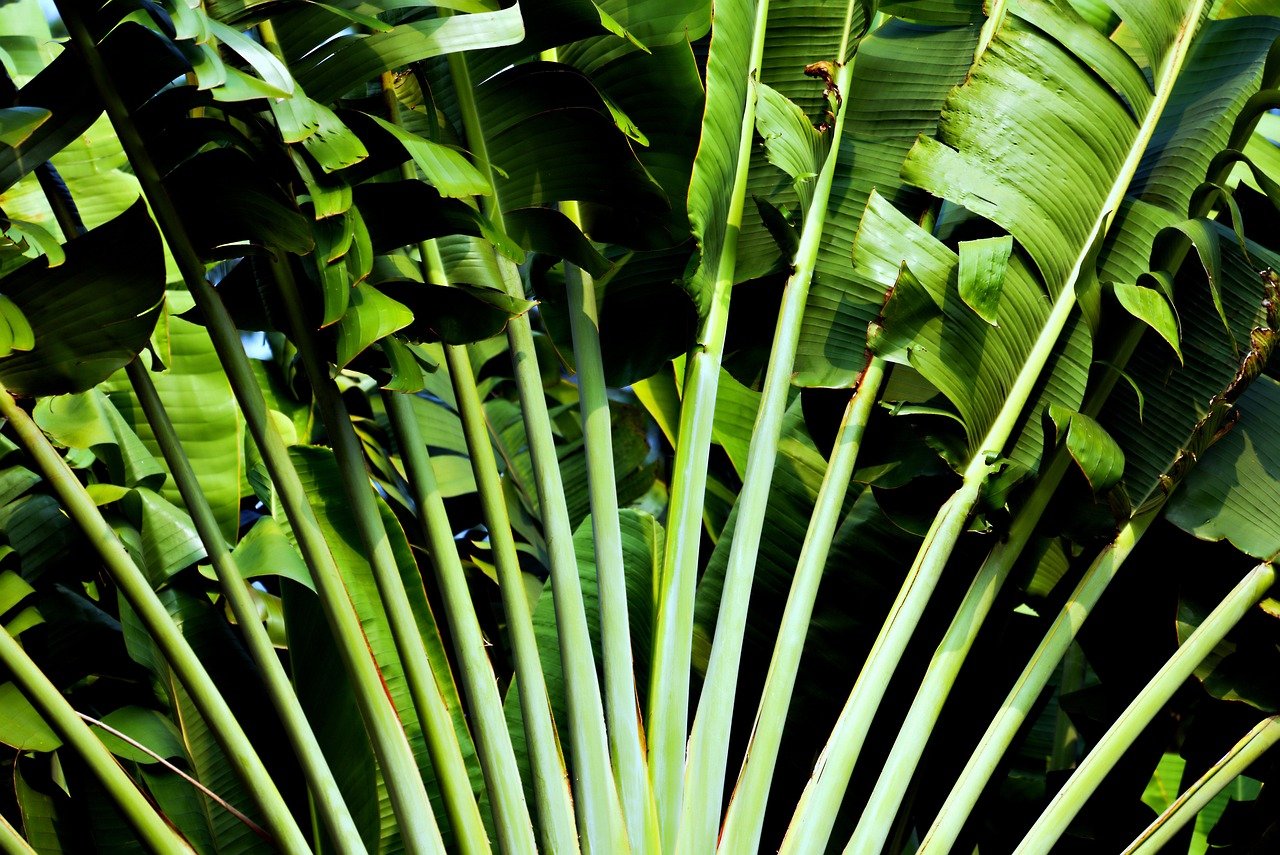
The botanical dimension of Inhotim is not an afterthought — it is a full co-equal with the art collection. The gardens were designed by landscape architect Roberto Burle Marx’s successor, Haruyoshi Ono, and contain more than 4,500 species of plants from around the world, with particular strength in tropical and subtropical palms, bromeliads, and orchids. Walking between pavilions means walking through a living botanical encyclopedia: towering Bismarck palms, immense bamboo stands, and beds of rare anthuriums line the paths. The ornamental lakes — several of them large enough to require shuttle boats to traverse quickly — reflect the sky and surrounding hills in ways that blur the line between the natural and the curated. Even visitors who arrive primarily for the art often find themselves spending as much time in the gardens as in the pavilions.
The Galleries and Rotating Program
Beyond the permanent outdoor pavilions, Inhotim maintains several indoor gallery buildings that host both permanent collection works and rotating temporary exhibitions. The main gallery complex near the entrance houses works across a range of media — video, photography, drawing, and object-based art — and is regularly refreshed with new acquisitions and loans. Inhotim’s permanent collection has grown to more than 500 works by over 100 artists, spanning the 1960s to the present day. Curators actively commission new works, meaning the experience genuinely changes on return visits. Photography and video installations are a particular strength: the visual and acoustic environments created for video works are unmatched in most conventional museum settings.
Local Insights
Veteran Inhotim visitors have developed strategies that dramatically improve the experience. Here is what matters most:
- Book tickets in advance through Sympla — there is a visitor cap. Inhotim strictly controls daily visitor numbers to protect the landscape and quality of experience. On weekends and holidays, tickets sell out days in advance. Arrive without a booking and you may be turned away. The official ticketing partner is Sympla (sympla.com.br); book your preferred date as soon as you know your travel plans. Free Wednesdays and free last Sundays (B3 sponsorship) also require prior Sympla reservation.
- Wear comfortable walking shoes — the terrain is hilly. The park covers 140 hectares across rolling Minas Gerais hills. Between pavilions, you will be walking on grass, gravel, and paved garden paths with significant elevation changes. Sandals and dress shoes are a bad idea. Good trainers or hiking shoes will serve you far better; the distances covered in a full-day visit can easily reach 8–12 km.
- Use the internal transport service strategically. Inhotim operates a shuttle service on fixed routes and a private hire option that covers ground faster between distant pavilions. Use it for the furthest sections — particularly the upper areas of the park — and walk the central garden zones where the density of art and planting is greatest. This way you see everything without exhausting yourself by midday.
- Eat at the on-site restaurants for a full-day stay. Inhotim has multiple food options ranging from self-service lunch restaurants to a finer-dining option. The food is well above museum cafeteria standards and eating on-site saves significant time versus leaving and returning. Pack snacks and a refillable water bottle; water stations are distributed throughout the park.
- The last Sunday free-entry day is the busiest — go midweek if possible. The free last Sunday of each month and all free Wednesdays draw large local crowds. If your schedule allows, visiting on a Tuesday, Thursday, or Friday gives you the gardens and pavilions in near-solitude. The experience of having an entire pavilion to yourself — Cildo Meireles’ Através, for instance — is transformative in a way that a crowded visit simply cannot replicate.
Planning Your Visit
- Tickets: R$ 50 full price; R$ 25 half-price (students, seniors over 60, teachers, people with disabilities, children 6–18). Free every Wednesday and the last Sunday of each month — both require advance reservation via Sympla. Children under 6 are always free.
- Opening hours: Wednesday through Sunday (and public holidays), 9:30 am – 4:30 pm (last entry). Closed Mondays and Tuesdays. The park gates close at 5:30 pm, so time your day accordingly.
- Best time: Visit on a weekday (Tuesday–Friday) to avoid crowds. April through October is the dry season in Minas Gerais — cooler temperatures and less rain make walking the grounds more comfortable. Avoid Brazilian carnival and July school holidays unless you book well in advance.
- Duration: A minimum of 5–6 hours is needed to see the main pavilions and gardens; a full day (7–8 hours) is ideal for a thorough visit. Many repeat visitors spend two days on consecutive visits — the park offers multi-day passport tickets for this purpose.
- Booking: Advance booking via Sympla (sympla.com.br) is strongly recommended and effectively mandatory on weekends. Multi-day passport tickets (two or three days) are available for deep visitors and offer savings over daily pricing.
Getting There
- By bus: From Belo Horizonte’s bus station (Terminal Rodoviário), Transbrasiliana operates direct buses to Brumadinho, with journey times of approximately 1 hour. From central Brumadinho, local vans (kombis) run to Inhotim’s entrance gate — approximately 10–15 minutes and R$ 5–10. Check current schedules at the Rodoviária BH website.
- By car: Inhotim is approximately 60 km southwest of Belo Horizonte via the BR-040 and BR-381 highways, then local roads to Brumadinho. Journey time is 60–90 minutes depending on traffic. Large free parking is available at the Inhotim entrance on Rua B, Povado Inhotim, Brumadinho. GPS coordinates: -20.1194, -44.2133.
- On foot: There is no practical walking approach from the nearest town — distances are too great. Arrive by bus, car, tour van, or taxi from Brumadinho.
- Taxi/ride-share: Uber and 99 operate in the Belo Horizonte metro area. A ride directly from BH city center to Inhotim takes approximately 60–75 minutes and costs R$ 90–140 depending on demand. Some visitors hire a car service for the full day, allowing flexibility with departure times. From Brumadinho town center, local taxis to Inhotim cost around R$ 20–30.
Frequently asked questions
How large is Inhotim and how much of it can I see in one day?
Inhotim covers approximately 140 hectares of developed parkland, with additional conservation land surrounding it. The art and garden areas accessible to visitors span about 100 hectares. In a full 7-hour day with strategic use of the internal shuttle, an energetic visitor can see the majority of the major pavilions and cover the central garden zones thoroughly. However, Inhotim rewards slower pacing — rushing between pavilions means missing the atmospheric quality that makes individual installations so powerful. Many visitors return for a second day to see what they missed. The multi-day passport ticket makes this financially sensible.
What are the must-see pavilions at Inhotim?
No two visitors prioritize the same works, but several pavilions consistently rank as essential experiences. Cildo Meireles’ Galeria Cildo — containing the immersive installation Através — is considered unmissable. The Cosmococa pavilion (Oiticica and d’Almeida) offers a disorienting quasi-cinematic experience unique in any museum context. The Adriana Varejão Gallery is among the finest presentations of her work anywhere. For international visitors, Chris Burden’s Beam Drop and Doug Aitken’s Sonic Pavilion — which transmits sounds from 200 meters below ground — are strikingly original works that cannot be experienced elsewhere. Collect an updated map at the entrance since the layout evolves with new additions.
Is Inhotim suitable for children?
Yes, Inhotim works very well for families with children old enough to walk substantial distances (roughly 6 and above). The outdoor environment, animals visible around the grounds (including free-roaming capybaras near the lakes), and some of the more visually spectacular installations — Chris Burden’s Beam Drop, the lake reflections, the giant palm trees — captivate children who might struggle with a conventional indoor museum. The on-site restaurants serve family-friendly food and have outdoor seating. Children under 6 enter free. The shuttle transport is useful for younger or less mobile children. Avoid the hottest midday hours by planning gallery visits for early morning and saving the gardens for late afternoon.
Can I visit Inhotim as a day trip from Belo Horizonte?
Yes, and the majority of Brazilian visitors do exactly this. The drive from Belo Horizonte is about 60 km (60–90 minutes), and the bus connection via Brumadinho is straightforward if slow. The key consideration is timing: depart BH no later than 8:30 am to arrive at Inhotim for the 9:30 am opening, giving you a full 7 hours before the last-entry cutoff. If you stay until closing and return by car or bus, you will be back in BH by 8 pm. Many tour operators in BH offer day-trip packages including transport and entrance, which simplifies logistics considerably. An overnight stay in Brumadinho itself allows a more relaxed two-day visit.
Inhotim and the Brumadinho Region
Inhotim sits in the municipality of Brumadinho, a small city in the rugged iron-ore highlands of Minas Gerais, about 60 kilometers southwest of Belo Horizonte. The region carries painful recent history: in January 2019, the collapse of a Vale mining dam caused a catastrophic disaster that claimed over 270 lives and devastated the local Rio Paraopeba. Visiting Inhotim today carries an awareness of this context — the institute exists in a landscape shaped equally by natural abundance and industrial extraction. Many local guides speak thoughtfully about the relationship between Brumadinho’s mining past, its contemporary tragedy, and the cultural institution that has become one of its most important sources of civic identity and economic activity. Inhotim’s survival and continued investment in the region has been an important element of the community’s rebuilding, and the museum actively works with local schools and community groups in its educational programs.