
Hauraki Gulf Islands
Step aboard the ferry from downtown Auckland and within minutes the city skyline retreats behind you as you head out into one of the Pacific’s most spectacular natural harbours — the Hauraki Gulf, a sheltered sea stretching east toward the Coromandel Peninsula and dotted with more than 50 islands, each with its own character, wildlife, and secrets. The gulf is Auckland’s backyard and its most treasured natural asset, a place where wine-producing islands with white-sand beaches sit alongside predator-free nature reserves teeming with rare birds, and where the occasional orca pod cruises past commuter ferries. To truly understand Auckland, you have to get out on the water.
History of the Hauraki Gulf Islands
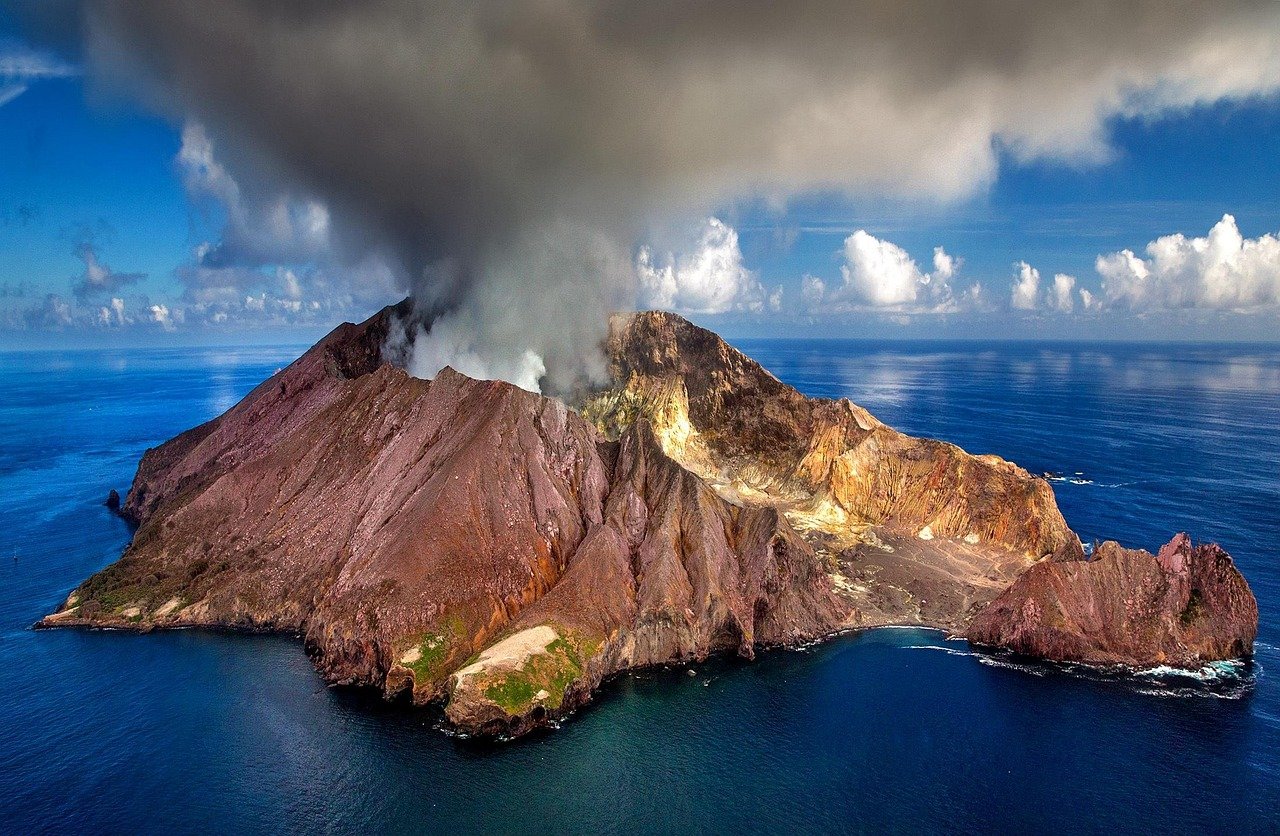
The Hauraki Gulf has been inhabited for at least 700 years, since Polynesian voyagers arrived in New Zealand around 1280–1300 AD and established settlements on the islands and coastal plains surrounding the gulf. The Tainui and Ngāti Whatua iwi (tribes) regard the gulf and its islands as ancestral territory, and Māori names — Waiheke, Motutapu, Tīritiri Mātangi, Aotea — predate any European mapping by centuries. The volcanic cone of Rangitoto, which rises 260 metres from the water a mere 600 years ago in what may have been the most recent eruption in the Auckland volcanic field, would have been witnessed by the earliest Maori inhabitants of the region.
European contact began with Captain James Cook, who sailed through the gulf in November 1769 and named it after the Hauraki people. The British established Auckland on the gulf’s western shore in 1840, making proximity to the islands immediately strategic. During the nineteenth century the larger islands were farmed and timber-milled, their original kauri forests heavily depleted. The twentieth century brought a conservation revolution: islands were progressively cleared of introduced predators (rats, stoats, possums) and replanted with native species, creating sanctuaries for birds that had become extinct on the mainland. Today the gulf is jointly managed as the Hauraki Gulf Marine Park, gazetted in 2000, which provides a framework for conservation and sustainable use across its 1.2-million-hectare extent.
What to See
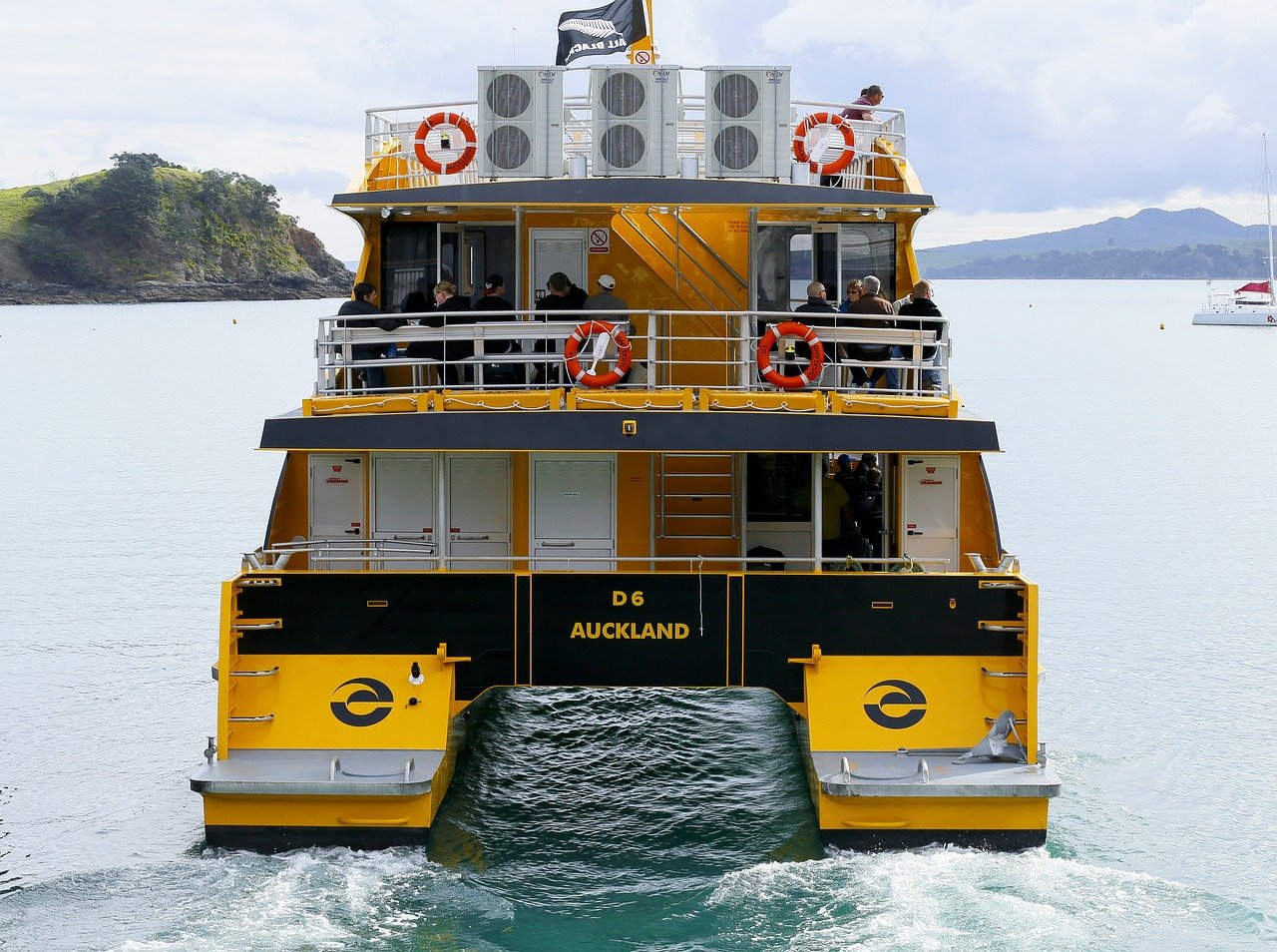
Waiheke Island is the Gulf’s most popular destination — a 35-minute ferry ride from downtown Auckland that delivers you to an island of vineyards, art galleries, olive groves, and beaches that would not look out of place on the Aegean. Waiheke produces some of New Zealand’s most acclaimed red wines from its warm, maritime-influenced terroir: Cabernet Sauvignon, Merlot, and Syrah thrive here in conditions that the New Zealand mainland mainland rarely provides. More than twenty cellar doors operate on the island, ranging from boutique operations to internationally recognised estates, and most offer tasting experiences. The beaches at Onetangi and Palm Beach are among the finest in the Auckland region.
Tīritiri Mātangi Island, a 75-minute ferry ride from Auckland, offers a completely different experience: this is a fully restored sanctuary where 300,000 native trees have been planted since 1984, and the island now harbours populations of birds that are extinct or critically endangered on the mainland — takahē, saddlebacks, kōkako, little spotted kiwi, and tuatara. Walking the island’s trails accompanied by the calls of species that humans nearly drove to extinction is a profoundly moving experience. Volunteer-led guided walks operate on most days. Rangitoto Island, visible from every part of Auckland’s waterfront, rewards the 90-minute round-trip hike to its summit with 360-degree views across the entire gulf.
The Sailing Culture
Auckland’s nickname “City of Sails” exists because of the Hauraki Gulf. With more boats per capita than any other city in the world, Auckland has a sailing culture embedded in daily life: on summer weekends the gulf fills with hundreds of yachts, from racing dinghies to ocean cruisers, and the America’s Cup races that Auckland hosted in 1999–2000 and 2021 drew worldwide attention to this extraordinary sailing ground. The gulf’s sheltered inner waters provide ideal conditions for beginners and casual sailors, while the exposed outer gulf offers challenging offshore sailing toward the Coromandel and beyond.
For visitors without sailing experience, chartered sailing excursions depart regularly from the Viaduct Harbour, ranging from two-hour twilight sails to full-day trips to the Waiheke vineyards. Several America’s Cup sailing experiences allow visitors to crew on genuine racing yachts and take the helm under instruction — an exhilarating way to understand why this harbour has produced some of the world’s finest ocean sailors. The Viaduct Harbour precinct itself, lined with restaurants and bars and dominated by superyachts, is a pleasant evening destination even for those who never leave the dock.
Practical Information
- Tickets: Fullers ferry to Waiheke approx. NZD 36–42 return; to Tīritiri Mātangi approx. NZD 60–75 return; Rangitoto ferry approx. NZD 36 return
- Opening hours: Ferries operate year-round from Ferry Building on Quay Street, Auckland; Waiheke services roughly every 30 minutes in peak season
- Best time to visit: November to April for warm swimming and vineyard harvest; June–September for dramatic stormy seascapes and wine country without crowds
- Duration: Day trip to Waiheke; half-day to full day for Rangitoto; full day for Tīritiri Mātangi
- Booking: Ferry tickets bookable online through Fullers360; wine tours and sailing experiences should be pre-booked in peak season
Local Insights
What locals know that guidebooks don’t always tell you:
- Waiheke’s best beaches (Onetangi and Oneroa) are on the north and south shores respectively — bring a towel and snorkel as the water visibility is excellent in summer, particularly in the sheltered coves.
- The cheapest way to visit Waiheke’s wineries is to hire a bicycle at the ferry terminal (several rental shops operate dockside) and cycle between cellar doors — the island is hilly but the views between vineyards justify every climb.
- For Tīritiri Mātangi, the guided “Supertram” service on the island is worth the small extra charge — the volunteer guides have encyclopaedic knowledge of every bird species and will find species you would never locate independently.
- Orca sightings in the inner gulf are more common between January and March — check the Orca Research Trust’s social media for recent sightings near the ferry route before booking your crossing.
- Motutapu Island, directly adjacent to Rangitoto and accessible by boat, is one of the most underrated day trips in the gulf — a working farm and conservation area with excellent walking tracks and almost no crowds.
Getting There
- Ferry: Fullers360 operates all major ferry services from the Auckland Ferry Building on Quay Street downtown; this is the primary access to all gulf islands
- By bus: Waiheke has an island bus service (the 500 series) connecting the wharf to beaches and the village centre
- On foot / by cycle: Waiheke is excellent for cycling; hire bikes at Matiatia Wharf on arrival
- By car: Vehicles can be taken to Waiheke on the vehicle ferry but it is expensive and largely unnecessary — the island bus and cycling are better options
Frequently asked questions
How long is the ferry to Waiheke Island?
The fast ferry from Auckland’s Ferry Building to Matiatia Wharf on Waiheke takes approximately 35 minutes. Services run roughly every 30 minutes during peak hours in summer and every 60 minutes off-peak.
Do I need to book a wine tour in advance?
In summer (December–March) and on weekends, booking ahead is advisable, especially for guided winery tours. Most individual cellar doors welcome walk-in visitors during their listed tasting hours, but organised tours and special experiences require pre-booking.
Is Tīritiri Mātangi suitable for children?
Yes — the island is excellent for children interested in nature. The guided walks are family-friendly and seeing endangered birds at close range is an unforgettable experience for young visitors. Bring snacks and a picnic as the island’s only facility is a small café at the lodge that has limited stock.
Are there sharks in the Hauraki Gulf?
The gulf is home to various shark species including bronze whalers and mako, but attacks on swimmers are extremely rare. The most common experience with marine life in the inner gulf is dolphins, orca, and penguins. Swimming at designated beaches is safe.
What is the best island for someone with only a few hours?
Rangitoto is the best quick option — 35 minutes by ferry, a 90-minute return hike to the summit, and the last ferry back still gives you time for the climb. The volcanic scenery is unique and the views from the summit are extraordinary.