
Great Ocean Road
The road clings to the cliff edge and the Southern Ocean stretches south toward Antarctica, grey-green and enormous, sending swells that have crossed thousands of kilometres of open water crashing against limestone stacks that stand like giants in the surf. The Great Ocean Road is one of the world's great drives — 243 kilometres of Victorian coastline between Torquay and Allansford, built between 1919 and 1932 by returned soldiers as a memorial to their fallen comrades. Every bend reveals another view more dramatic than the last.
History of the Great Ocean Road
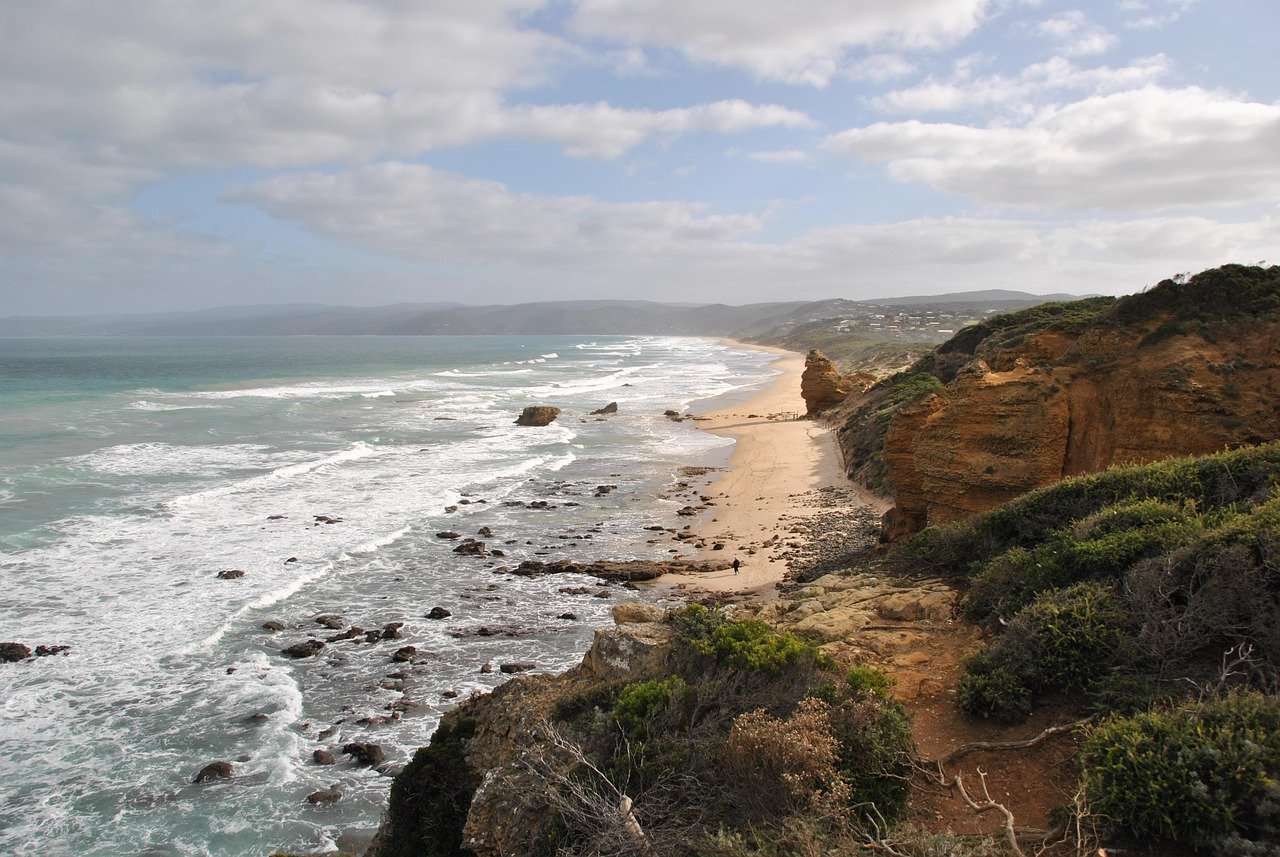
The Great Ocean Road was constructed between 1919 and 1932 by 3,000 returned soldiers from the First World War, many of whom were unemployed in the difficult post-war economy. Working with only hand tools, horses, and the most basic of equipment, they carved the road from the coastal cliffs over thirteen years — a feat of extraordinary physical labour in some of Australia's most challenging terrain. The road was dedicated as a memorial to soldiers who lost their lives in the war and is the longest war memorial in the world.
The road passes through numerous small coastal towns that developed largely because of it, and through landscapes that encompass rainforest, cliff-top heath, and dramatic ocean frontage. The Great Otway National Park, which the road borders through much of its middle section, protects one of the most biodiverse temperate rainforest ecosystems in Australia — fern gully walks and waterfall trails here offer a contrasting experience to the windswept coastal viewpoints. The town of Lorne was established as a resort destination in the 1860s and remains the road's most sophisticated stop for dining and accommodation.
The Twelve Apostles
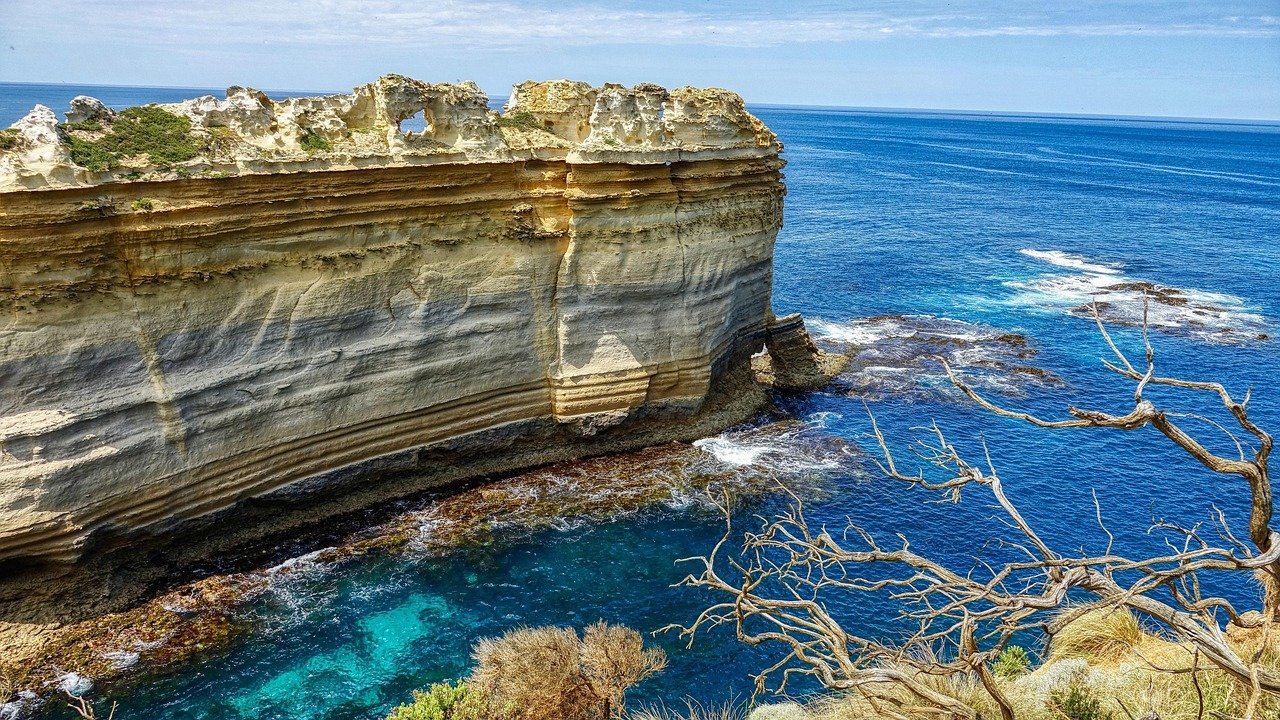
The Twelve Apostles — originally called the Sow and Piglets, then renamed for their marketing appeal — are the Great Ocean Road's most photographed landmark. These limestone sea stacks rise up to 45 metres from the Southern Ocean, carved by waves and wind from the cliffs over millions of years. Despite the name, there have never actually been twelve stacks visible simultaneously; currently around eight remain, as the soft limestone erodes and collapses into the sea over geological time.
The viewing platform is accessible via a short boardwalk from the visitor centre and is free to visit. Helicopter flights from a pad near the visitor centre offer a bird's-eye view of the stacks and coast. At sunrise and sunset the light transforms the limestone from grey-gold to deep orange and crimson, and the photography at these times is exceptional. The visitor centre is open daily and has exhibits on the local geology, ecology, and the road's history.
What Else to See Along the Road
Beyond the Twelve Apostles, the road passes Loch Ard Gorge — a dramatic sea canyon named after a ship that wrecked here in 1878 — and London Arch, a natural rock arch that was a bridge until 1990 when its inner arch collapsed. The Bay of Islands and the Bay of Martyrs offer further spectacular geology. Closer to the road's eastern end, Bells Beach is one of the most famous surf breaks in Australia, hosting the Rip Curl Pro contest and providing world-class waves for experienced surfers.
Wildlife is abundant along the road. Koalas can be spotted in roadside eucalyptus trees near Kennett River — local guides know exactly which trees to check. Cape Otway has a lighthouse walk and is a prime spot for koala sightings in the surrounding national park. Southern right whales pass the coastline between May and October, and are visible from cliff-top lookouts at Warrnambool. Echidnas, wallabies, and wombats are frequently seen along the road, especially at dusk.
Practical Information
- Tickets: The road itself is free to drive. Twelve Apostles viewing area is free. Some national park car parks and walks require a Parks Victoria day pass (approx. AUD 15–20 per car).
- Best time to visit: March–May for mild temperatures, fewer crowds, and whale season beginning. Avoid January school holidays when the Twelve Apostles car park is overwhelmed. Sunrise visits are always worth the early alarm.
- Duration: The road is typically driven over 2–3 days to do it justice; a long day trip from Melbourne is possible but rushed.
- Driving direction: Melbourne to Warrnambool (east to west) keeps you on the ocean side of the road for the best views and easiest pull-off access.
- Distance: Torquay (official start) is 1.5 hours from Melbourne CBD; Twelve Apostles is approximately 3.5–4 hours from Melbourne.
Local Insights
What locals know that guidebooks do not always tell you:
- The Twelve Apostles at dawn — when the first buses have not yet arrived — is an entirely different experience from midday. Drive through the night or stay in Port Campbell to be at the viewpoint for sunrise.
- Kennett River koalas are among the most reliably spotted koalas in Australia. The grey gums along Grey River Road (a short detour from the main road) hold resident koalas year-round.
- The inland detour through the Otway Ranges via Lavers Hill and Hopetoun Falls adds only 30–40 minutes but passes through extraordinary ancient fern gully rainforest that most day-trippers miss entirely.
- Apollo Bay is the best overnight stop for travellers who want good food without Great Ocean Road tourist prices. The local fishermen's co-op sells fresh crab, abalone, and fish directly from the wharf.
- Loch Ard Gorge is as spectacular as the Twelve Apostles and far less crowded — it is just 10 minutes further along the road and most tour buses skip it.
Getting There
- By car from Melbourne: Take the M1 Princes Freeway east toward Geelong, then follow signs to Torquay and the Great Ocean Road. Approximately 1.5 hours to the start of the road.
- Organised tour: Multiple operators in Melbourne offer one-day and multi-day Great Ocean Road tours. One-day tours typically cover Twelve Apostles, Loch Ard Gorge, and key lookouts.
- By bus: V/Line coaches connect Melbourne to Geelong, Lorne, Apollo Bay, and Warrnambool — useful for point-to-point travel but limited for accessing viewpoints between towns.
- By air: Melbourne Airport (MEL) or Avalon Airport (AVV, near Geelong) are the nearest major airports.
Frequently asked questions
How long does it take to drive the Great Ocean Road?
Driving the full 243 km without stops takes about 3 hours, but with stops at the Twelve Apostles, Loch Ard Gorge, Bells Beach, and wildlife spotting, two full days is the minimum to do the road justice. Three days is ideal.
Is the Great Ocean Road driveable in a day from Melbourne?
A long day trip is possible, focusing on the western section around the Twelve Apostles. However, many visitors find they underestimate how much they want to stop — an overnight stay allows a more relaxed experience and a sunrise visit to the Apostles.
When is the best time to see koalas on the Great Ocean Road?
Koalas are resident year-round at Kennett River. They are most active in the early morning and late afternoon. At midday they tend to sleep high in the fork of a gum tree — look for a dark blob wedged in the canopy.
Can I see whales from the Great Ocean Road?
Yes — southern right whales migrate past the coast between May and October. Logan's Beach near Warrnambool has an official whale nursery viewing platform where cows and calves can sometimes be observed very close to shore.
Is the Great Ocean Road suitable for campervans and motorhomes?
Yes, though some sections are narrow with tight bends. Several campgrounds along the route accept campervans; book ahead in peak season (December–January).