
FC Barcelona Museum (Museu del Futbol Club Barcelona)
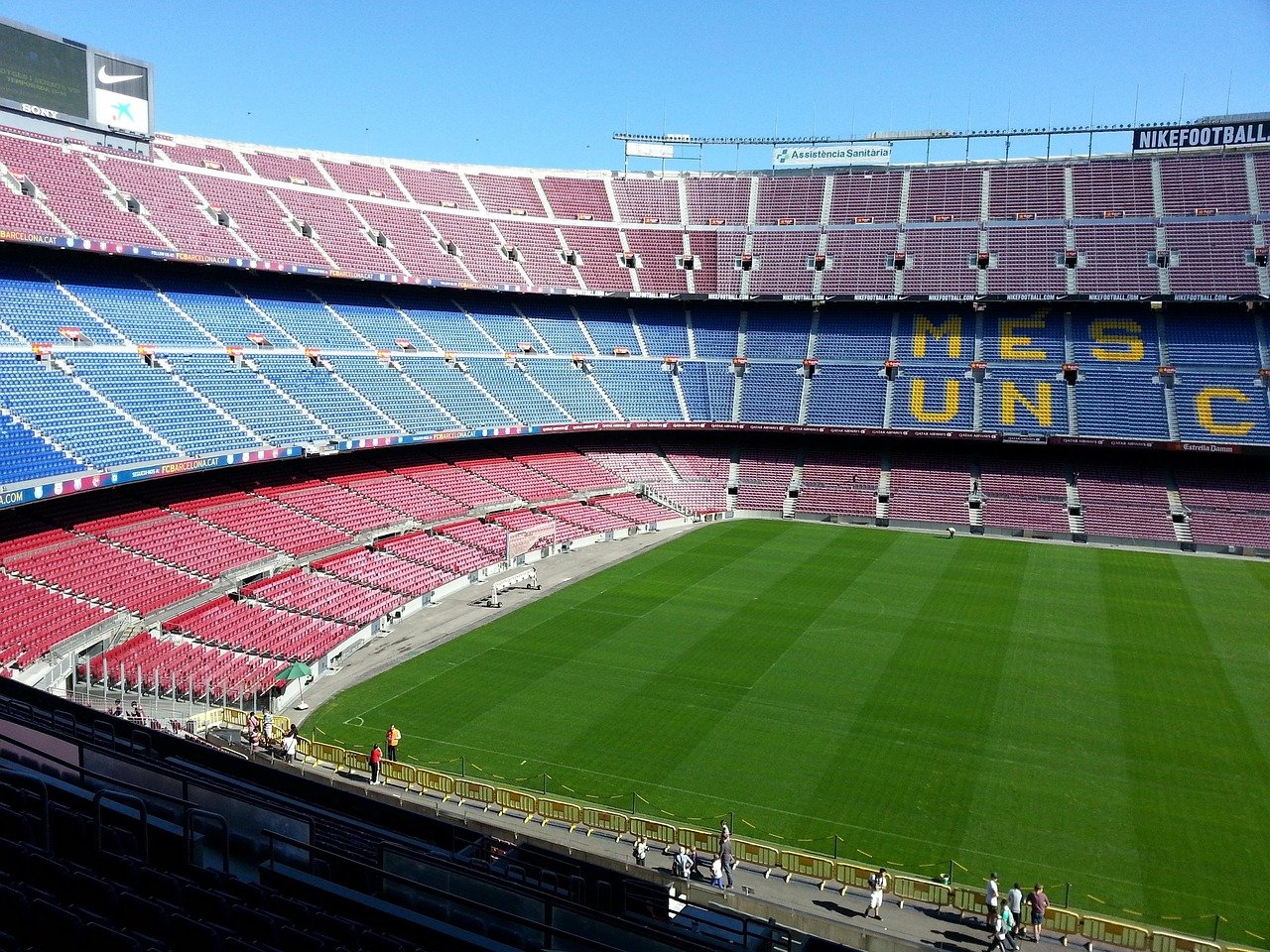
Camp Nou — the biggest football stadium in Europe — looms over the Les Corts neighbourhood like an enormous concrete amphitheatre, its sheer scale more apparent from inside when you climb to the upper tier and look out across 99,000 seats falling away toward a pitch that seems impossibly distant below. FC Barcelona's home ground is more than a sports venue: it is the physical expression of a century-old identity, a cultural institution in a city that has always used its football club as a symbol of Catalan pride and defiance.
History of FC Barcelona and Camp Nou

FC Barcelona was founded in 1899 by the Swiss businessman Joan Gamper and a group of players from various European countries — Swiss, English, German, and Catalan — making it from its inception a cosmopolitan club in a city with strong regionalist sentiments. The club grew rapidly in the early 20th century and became increasingly associated with Catalan nationalism, particularly during the Franco dictatorship when the Catalan language and culture were suppressed and Camp Nou became one of the few spaces where expressions of Catalan identity were permitted.
The current stadium — Camp Nou, Catalan for “new ground” — opened in September 1957 to replace the smaller Les Corts ground. At the time of its construction it was the largest football stadium in the world by capacity. The ground has been progressively expanded and modernised over the decades; a major renovation project launched in the mid-2020s — the “Nou Espai Barça” project — is transforming the stadium with a new roof, expanded capacity, and a completely redesigned interior. Check the club's official website for the current status of construction and museum access during this period.
The Museum Experience
The FC Barcelona Museum (Museu del Futbol Club Barcelona) is consistently ranked among the most visited museums in Spain — an extraordinary claim for a sports institution, but one that speaks to the depth of the club's cultural significance. The museum traces the full history of the club from its 1899 founding through its evolution into one of the world's three or four most recognised sports brands, with particular emphasis on the golden eras of Johan Cruyff, Ronaldinho, and the Messi generation's unprecedented trophy haul.
The trophy room — housing 6 UEFA Champions League trophies, 30+ La Liga titles, and dozens of domestic cup wins — is the centrepiece, though the museum also displays a remarkable collection of art donated by artists who were fans of the club: Joan Miró, Salvador Dalí, and others contributed works specifically for the club's collection. A dedicated section on Lione Messi's career documents the records, goals, and achievements of the player many consider the greatest in the history of the sport.
The Stadium Tour
The standard Camp Nou Experience ticket includes both the museum and a self-guided tour of the stadium that takes visitors through the players' tunnel, the dugouts, the press room, and the chapel where players pray before matches. The view from the upper tier of the stadium — looking out across 99,000 empty seats and a pitch of perfect green — is vertiginous and oddly moving even without a crowd.
Special premium experiences allow access to the directors' box, the referees' changing room, and the VIP areas. The press room is particularly interesting for media enthusiasts — it is here that Pep Guardiola, Johan Cruyff, and successive managers faced the cameras after historic matches. On non-match days, the experience runs throughout opening hours; on match days, access is typically restricted to the pre-match period only.
Practical Information
- Tickets: Camp Nou Experience (museum + stadium tour): from approx. €26–35 per adult depending on category. Book at fcbarcelona.com or authorised resellers. During the “Nou Espai Barça” renovation, access arrangements may differ — check current status before booking.
- Opening hours: Generally daily 10:00–18:30 (hours vary by season and match schedule). Check fcbarcelona.com for current schedule.
- Best time to visit: Weekday mornings are quietest. Avoid match days unless you have a match ticket — museum access is restricted before games.
- Duration: 1.5–2.5 hours for the full museum and stadium circuit.
- Booking: Book online in advance to guarantee entry and avoid queues, especially in peak summer season.
Local Insights

What locals know that guidebooks do not always tell you:
- Attending an actual match is incomparably better than a stadium tour — the atmosphere at Camp Nou during a Copa del Rey or Champions League night is one of sport's great experiences. Check the fixture list and book match tickets via fcbarcelona.com as far in advance as possible.
- The official FC Barcelona Megastore inside the stadium complex is significantly cheaper than the tourist-oriented FC Barcelona merchandise shops on Las Ramblas and elsewhere in the city.
- The upper tier of the stadium gives the best sense of the ground's enormous scale — the view from the very top is vertiginous but spectacular. Do not skip it in favour of only the lower areas.
- The museum section on the club's political history — “Més que un club” (more than a club) — is genuinely moving and explains why the club matters to Catalans in a way that purely sporting exhibits cannot.
- The Les Corts neighbourhood surrounding the stadium has excellent local bars and restaurants — considerably better value than the tourist-facing options inside the stadium precinct.
Getting There
- Metro: L3 to Les Corts, Badal, or Maria Cristina; L5 to Collblanc or Badal. The stadium is a 5–10 minute walk from any of these stations.
- Bus: Multiple city bus routes to Camp Nou; check TMB app for current routes serving the stadium on match and non-match days.
- On foot: 30–40 minutes from the Passeig de Gràcia through the Eixample. The walk is pleasant through residential Barcelona and far from the tourist circuits.
- Taxi/Rideshare: Ask for Camp Nou or Museu FC Barcelona; entrance is on Carrer d'Aristìdes Maillol.
Frequently asked questions
Can I buy FC Barcelona match tickets through the museum?
Match tickets and experience tickets are separate products. Match tickets must be purchased through fcbarcelona.com or the club's box office. The museum experience ticket does not include match access.
Is Camp Nou currently affected by renovation work?
The Nou Espai Barça renovation project was underway as of 2025. Access arrangements to the museum and stadium may be modified during this period. Check fcbarcelona.com for the latest information before booking.
Is the FC Barcelona Museum suitable for non-football fans?
Yes — the museum's art collection (with works by Miró and Dalí), its documentation of the club's role in Catalan political history, and the sheer scale of the stadium make it interesting for visitors without strong football interest.
Is photography allowed in the stadium and museum?
Yes — personal photography is permitted throughout the museum and stadium tour areas. Video is generally allowed. The pitch itself cannot be accessed or photographed from field level.
What other attractions are near Camp Nou?
The Palau Reial de Pedralbes and its gardens are 15 minutes walk north. The Monestir de Pedralbes — a 14th-century Gothic monastery — is 20 minutes walk. The Diagonal commercial district is 10 minutes east.