
Evita Peron Museum (Museo Evita)
She died at 33 and has never left Argentina. In the leafy Palermo neighborhood of Buenos Aires, inside a 1920s mansion that Eva Perón’s own foundation once used as a shelter for impoverished women, the Museo Evita tells the story of one of the twentieth century’s most extraordinary lives. Here you will find the Christian Dior gowns she wore to European state dinners, the working suits she donned for eighteen-hour days at her social welfare foundation, photographs from her childhood in the rural province of Buenos Aires, documentary footage from her meteoric rise, and the objects that accumulated around a woman who became both a political force and a cultural myth. It is a museum about a person, but also about power, gender, class, and Argentina itself.
History of the Evita Peron Museum
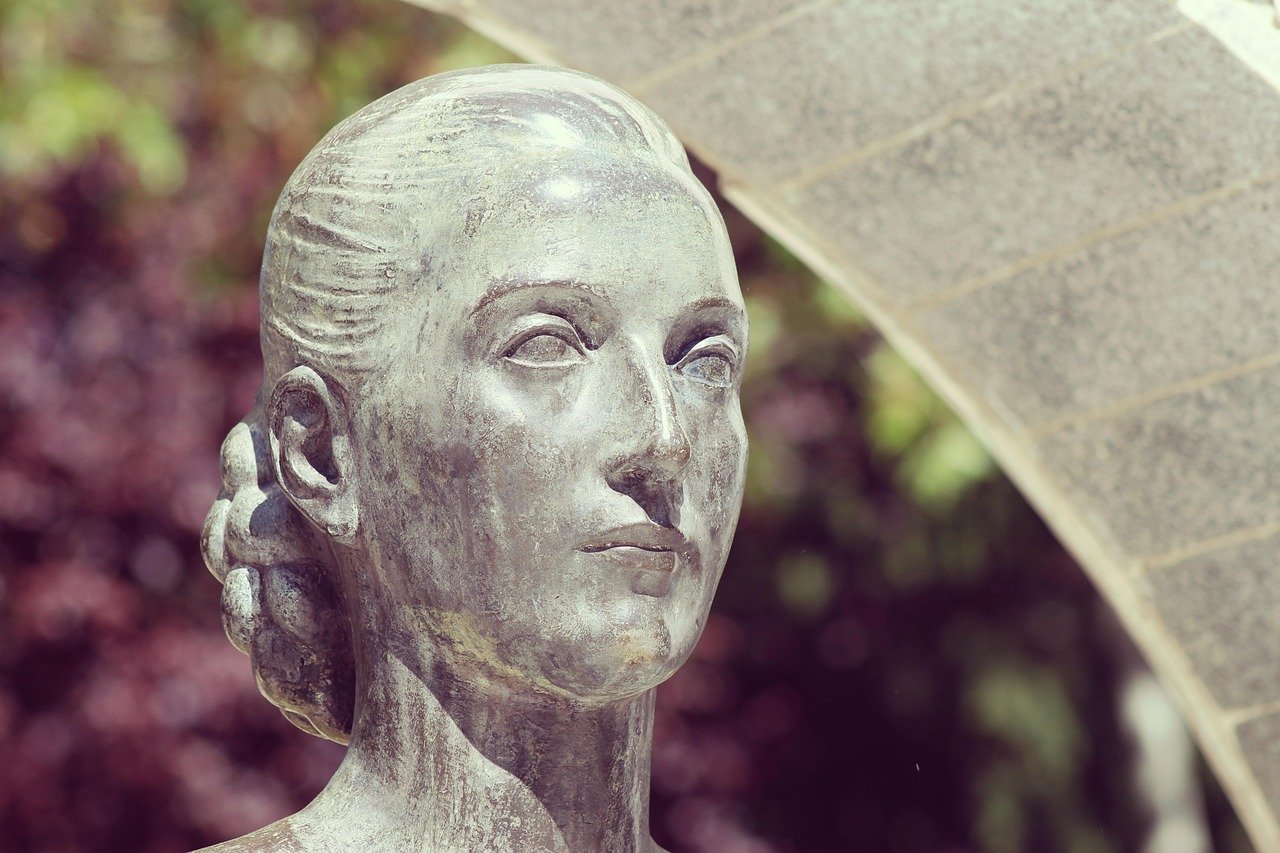
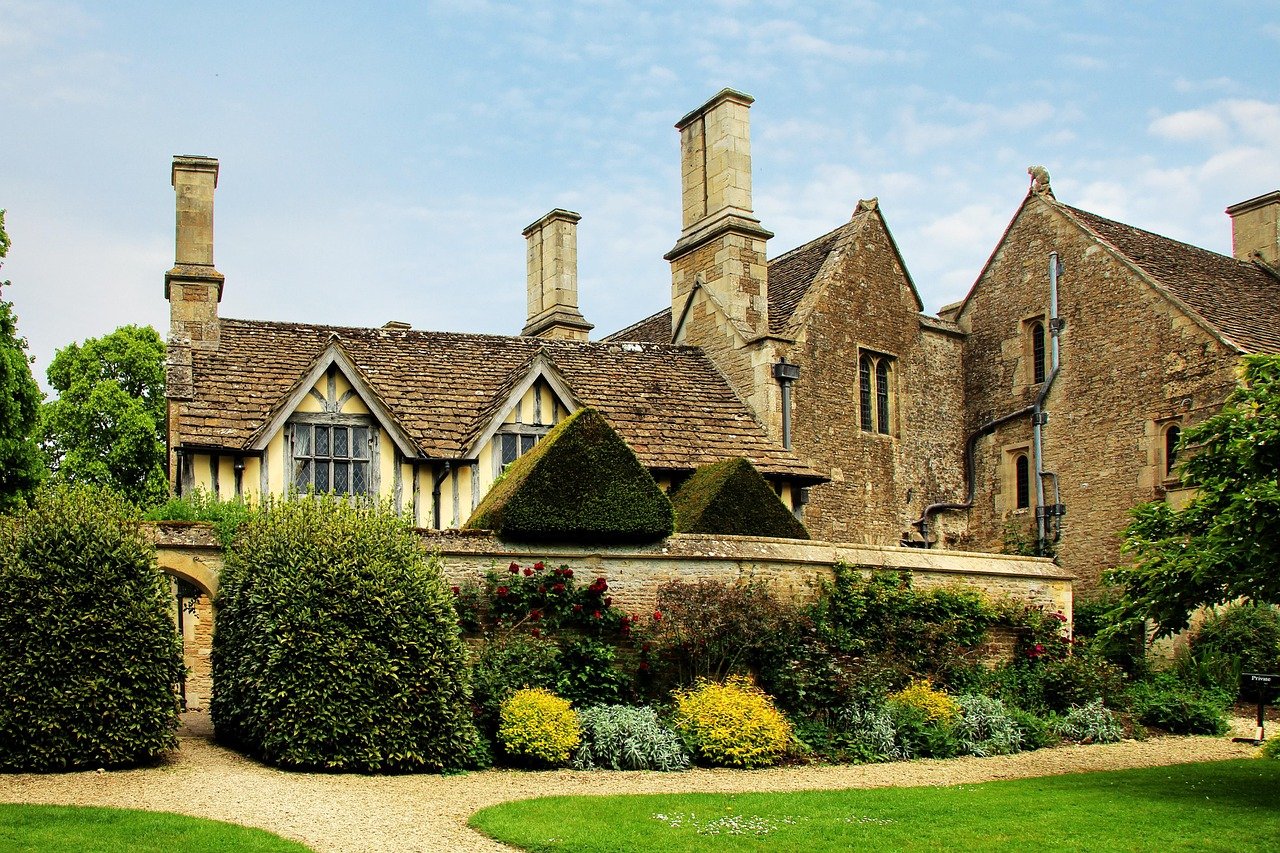
The building that houses the Museo Evita has its own story embedded in Evita’s legacy. Designed by architect Estanislao Pirovano and constructed in 1923, the elegant two-story townhouse on Lafinur Street in Palermo was acquired in 1948 by the Eva Perón Foundation, the vast social welfare organization that Eva ran with extraordinary energy and personal involvement. The foundation used the mansion as a temporary residence for impoverished women and families who had come to Buenos Aires seeking medical treatment, legal assistance, or government support — one of hundreds of such facilities the foundation operated across Argentina. That history gives the building a poignancy that a purpose-built museum space could never replicate: this was not merely where Evita’s story is displayed, but where her social vision was enacted in concrete acts of charity.
The museum itself opened in 2002, on the fiftieth anniversary of Eva Perón’s death from cervical cancer at age 33 on July 26, 1952. The anniversary timing was deliberate: fifty years had provided enough historical distance for the Argentine cultural establishment to begin engaging with Evita’s legacy without the bitter partisanship that had made her a contested figure for decades after her death. The museum was created under the auspices of the National Institute for Historical Research on the Life and Works of Eva María Duarte de Perón, ensuring scholarly rigor alongside emotional resonance. Since opening, it has become one of the most visited museums in Buenos Aires, drawing Argentines who grew up hearing stories about Evita — both reverential and critical — and international visitors who know her primarily through Tim Rice and Andrew Lloyd Webber’s musical.
What to See at Evita Peron Museum
The Dress and Fashion Collection
The museum’s fashion collection is its most visually stunning section, and for many visitors the emotional anchor of the entire experience. Eva Perón understood fashion as a form of political communication: the extravagant evening gowns she wore to European state dinners in 1947 — her “Rainbow Tour” — were a deliberate statement that Argentina had arrived on the world stage. The collection includes gowns by Christian Dior, designs by her personal couturier Paco Jamandreu, and the spare, austere working taileurs she adopted later in her political career as a conscious shift toward identification with the working poor rather than the elite. Also on display are shoes, hats, handbags, and personal accessories — the full material apparatus of a woman who moved between ballrooms and breadlines. The funeral mask, created by artist Juan Carlos Pallarols, is among the most affecting objects in the collection.
The Life and Times Exhibition

The permanent collection is organized chronologically through Eva’s life, beginning with her birth in Los Toldos in 1919 as the illegitimate daughter of Juan Duarte and his mistress, and moving through her determined escape to Buenos Aires as a teenage aspiring actress, her radio career through the late 1930s and early 1940s, her fateful meeting with Colonel Juan Domingo Perón at a fundraising gala in 1944, and her subsequent transformation from actress to political spouse to the de facto minister of labor welfare that she became as Argentina’s First Lady. Photographs, personal documents, campaign materials, and archival footage fill the galleries. Among the highlights is Argentina’s first female DNI (national identity document), a symbol of the women’s suffrage victory that Evita championed and delivered in 1947. Documents from the Eva Perón Foundation reveal the staggering scale of its operations — hospitals, schools, orphanages, old-age homes — funded by the foundation’s vast resources.
The Building, Garden, and Restaurant
The museum occupies two floors of the 1923 Pirovano mansion, and the building itself rewards careful attention. The original architectural details — period tilework, iron balustrades, ornate window frames, and the quiet garden courtyard — provide a domestic intimacy that grounds the larger-than-life story told inside. Many visitors linger in the garden between galleries. A café-restaurant accessed from Juan María Gutiérrez Street operates independently of the museum and serves Argentine classics in a lovely period setting — an ideal choice for lunch before or after your visit. A souvenir shop offers a wide range of Evita-related books, prints, postcards, and keepsakes at reasonable prices. The academic research institute on the premises produces ongoing scholarly work on Eva Perón’s life and legacy.
One section of the museum that particularly rewards slow exploration is the room dedicated to the Eva Perón Foundation’s social programs. Display cases filled with foundation documents, photographs of hospitals and schools under construction, and testimonials from beneficiaries make the abstract scale of her social welfare program concrete and human. By the late 1940s, the foundation was operating hundreds of facilities across Argentina: children’s hospitals, old-age homes, schools in remote provinces, and holiday camps for working-class families. Critics accused the foundation of being a Peronist political machine rather than genuine charity — and both things were simultaneously true. The museum presents this complexity honestly rather than sanitizing it, which makes for a more rewarding and thought-provoking visit than a simple hagiography would produce.
The museum’s handling of Eva Perón’s death is notably moving. The final gallery rooms address her illness — a cancer diagnosis kept secret from the Argentine public during her final months — her resignation from the vice-presidential candidacy she had been nominated for, and the mass national outpouring of grief that followed her death on July 26, 1952. Hundreds of thousands of Argentines queued for hours to pay their respects. The display of objects from those days, including newspapers and personal letters, conveys the emotional weight of a nation losing a figure who felt, to millions, like a member of their own family.
Local Insights
Get more from your visit to Museo Evita with tips from experienced Buenos Aires travelers.
- Visit on a weekday morning for smaller crowds. The museum is busiest on weekends and during the December–February tourist peak. Arriving Tuesday through Thursday around 11:00 AM typically means shorter queues at the entrance and more room to linger in the fashion galleries, where the gown displays become crowded with photographers on peak days.
- Read at least a basic Evita biography before visiting. The museum assumes some familiarity with Argentine political history of the 1940s and 1950s. Even a quick 20-minute Wikipedia read before arrival transforms the experience — you arrive understanding who the Peronists and anti-Peronists were, why the descamisados (shirtless ones) adored her, and what made her death so nationally devastating.
- Combine with Palermo’s other attractions. Museo Evita sits in the heart of Palermo, one of Buenos Aires’ most pleasant neighborhoods. Plan a full day: visit the museum in the morning, walk through the Rose Garden (Rosedal) in Parque Tres de Febrero, and spend the afternoon in the boutiques and cafés of Palermo Soho. All are within comfortable walking distance.
- Eat at the museum restaurant for a charming lunch. The café-restaurant accessed from Gutiérrez Street serves good Argentine food in a period atmosphere at prices significantly lower than tourist-oriented spots nearby. The set-lunch menu is particularly good value. Enter from the side street rather than through the museum entrance.
- Pick up a Spanish-language book from the gift shop. If you read Spanish, the museum shop stocks biographies, academic studies, and pictorial books on Evita that are difficult to find outside Argentina. Even the illustrated coffee-table books make exceptional souvenirs with far more substance than typical tourist merchandise.
Planning Your Visit
- Tickets: Admission for foreign visitors approximately ARS 9,000–12,000 (roughly $8–10 USD at current exchange rates). Argentine residents pay a lower rate. Children may be free or discounted — verify on the official site museoevita.org.ar. Cash and card both accepted.
- Opening hours: Tuesday to Sunday, 11:00 AM to 7:00 PM. Closed Mondays, New Year’s Day (January 1), Labor Day (May 1), Christmas Eve (December 24), Christmas Day (December 25), and New Year’s Eve (December 31). Last entry typically 30 minutes before closing.
- Best time: March through May or September through November for pleasant Palermo walking weather. Weekday mornings for smallest crowds. Avoid December and January if possible — Buenos Aires summer brings both heavy tourist traffic and intense heat.
- Duration: Allow 1.5 to 2 hours to see the full permanent collection at a thoughtful pace. Add 30–45 minutes if you plan to eat at the museum restaurant or browse the gift shop.
- Booking: Walk-in admission is available; advance booking is not strictly required. However, purchasing tickets online through the official website can save queue time on busy weekends and holidays.
Getting There
- Subte (Metro): Line D to Palermo station (about a 10-minute walk) or to Scalabrini Ortiz station (about 8 minutes on foot). The museum is at Lafinur 2988 — walkable from either stop through pleasant Palermo streets.
- By car: Street parking on Lafinur and surrounding streets in Palermo; paid lots nearby. Traffic in Palermo is manageable outside of peak rush hours (8–9 AM and 6–8 PM).
- On foot: About 15 minutes walking from the edge of Recoleta (near the MALBA museum) through leafy Palermo streets. A pleasant walk that passes through one of Buenos Aires’ most attractive residential neighborhoods.
- Taxi/ride-share: Uber and Cabify both serve Palermo reliably. Tell the driver “Museo Evita, Lafinur 2988, Palermo.” Drop-off directly in front of the museum entrance. Budget approximately 15–20 minutes from the Microcentro or San Telmo.
Frequently asked questions
Who was Eva Perón and why is she so important in Argentina?
Eva María Duarte de Perón (1919–1952) was the First Lady of Argentina during the presidency of Juan Domingo Perón (1946–1952). Born into poverty in rural Buenos Aires province, she became a radio actress and met Perón in 1944. As First Lady she channeled her enormous popularity into concrete political action: delivering women’s suffrage in 1947, building hospitals and schools through her foundation, and positioning herself as the champion of los descamisados — the working-class poor. She died of cervical cancer at 33. Her legacy remains fiercely contested in Argentina, adored by Peronists and critiqued by conservatives, but her cultural impact is undeniable.
How long should I spend at the Museo Evita?
Most visitors spend between 90 minutes and two hours in the museum itself. The permanent collection is well-paced through approximately ten gallery rooms, moving chronologically through Eva’s life. If you read slowly, absorb documentary footage, and spend time with the fashion collection, plan for closer to two hours. Adding lunch at the museum restaurant and browsing the gift shop extends a morning visit to a comfortable half-day. The museum pairs naturally with the Rose Garden in Parque Tres de Febrero (10 minutes on foot), making a full Palermo afternoon easy to organize.
Is the museum suitable for children?
Yes — children aged 8 and above generally find the Museo Evita engaging, particularly the fashion displays, photographs, and documentary footage. Younger children may find it challenging to maintain interest through text-heavy exhibits. The building itself, with its period architecture and garden courtyard, provides physical variety that helps younger visitors. Entry prices are low enough that bringing the whole family is not a significant expense, and the museum’s location in Palermo means there are parks and ice cream shops nearby to reward patient young visitors after the tour.
Are there guided tours available in English?
The museum offers guided tours, and English-language tours are sometimes available — check the official website (museoevita.org.ar) for the current schedule as availability varies seasonally. Many third-party tour operators in Buenos Aires include the Museo Evita as part of Palermo or “Evita’s Buenos Aires” themed tours that provide English-speaking guides throughout. Audio guides in English may also be available at the entrance — confirm on arrival. Independent visitors using the exhibit labels (which are provided in Spanish; some have English translations) can navigate the collection effectively with a basic knowledge of Argentine history.