
Erawan Shrine
At the intersection of one of Bangkok’s busiest shopping districts, where department stores and luxury hotels crowd along Ratchadamri Road, a golden figure sits at the centre of a constant act of devotion. Devotees arrive at all hours of the day at the Erawan Shrine: office workers on their lunch break, taxi drivers, international tourists, elderly women in white clothing laying garlands of jasmine at the base of the four-faced golden statue. The incense smoke rises in white columns through the noise and heat of the Bangkok midday, creating a pocket of genuine spiritual life in the midst of commercial frenzy.
History of the Erawan Shrine
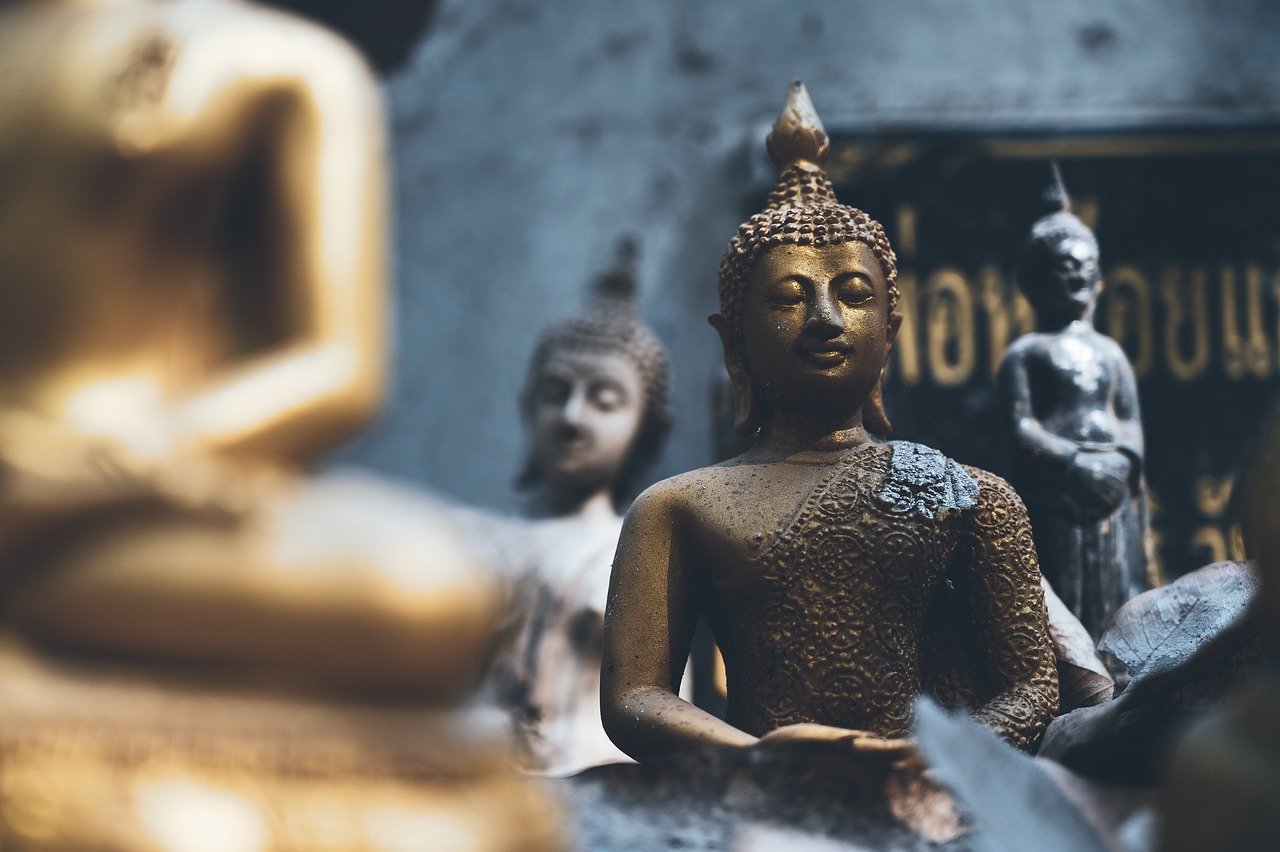
The Erawan Shrine was built in 1956 during the construction of the original Erawan Hotel, predecessor to what is now the Grand Hyatt Erawan. The hotel construction was beset by problems: delays, accidents, and a series of misfortunes that construction workers blamed on supernatural causes. Astrologers consulted by the project’s management advised building a shrine dedicated to Phra Phrom — the Thai embodiment of Brahma, the Hindu god of creation — to restore harmony and avert further trouble. On 9 November 1956, the shrine was inaugurated, and the construction proceeded without further significant incident.
The connection between the shrine and its founding hotel gave it a potent reputation from the beginning: if the god’s intervention had saved one major project, his blessing might be sought for others. The shrine quickly became one of the most popular places of worship in Bangkok, visited not just by Thai Buddhists and Hindus but by people of all faiths and backgrounds seeking good fortune. This inclusive character — the Erawan Shrine transcends religious boundaries in a way that many more formally religious sites do not — is central to its extraordinary enduring popularity.
What to See and Experience
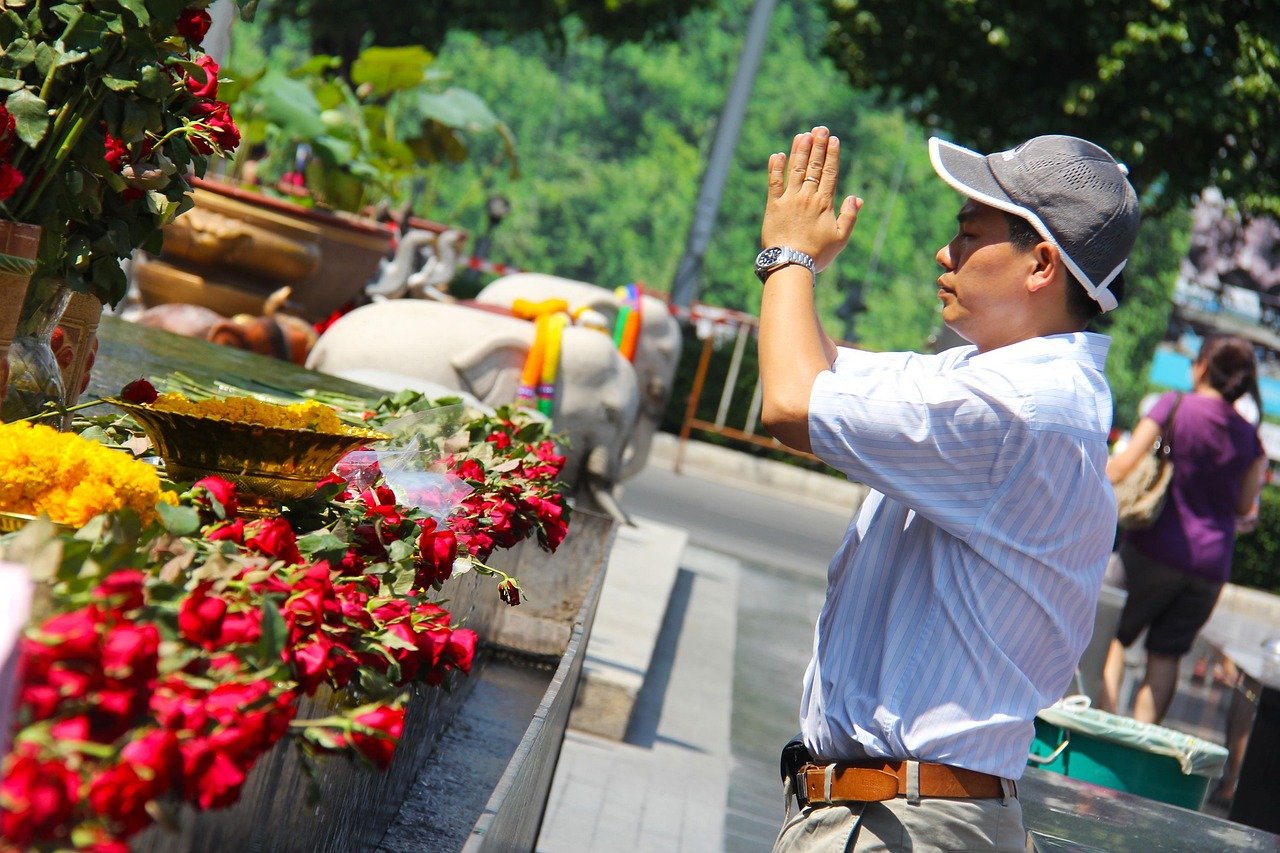
At the centre of the shrine stands the golden statue of Phra Phrom with four faces, each facing one of the cardinal directions and each offering a specific blessing: career and success (north face), relationships and family (east face), wealth and prosperity (south face), and health and longevity (west face). Worshippers typically walk clockwise around the statue, stopping at each face to pray and make offerings relevant to the blessing they seek. The offerings most commonly seen are garlands of jasmine, lotus flowers, wooden elephants, and incense.
Traditional Thai dancers perform at the shrine throughout the day, hired by devotees in fulfilment of vows made when prayers were answered. These performances — the swaying figures in elaborate golden costume moving to the sound of the classical orchestra that sits in the corner of the shrine — are not tourist entertainment but part of the active ritual life of the place. Watching a performance as part of an answered prayer is a genuinely moving experience even for visitors unfamiliar with the tradition.
The Blessing Tradition
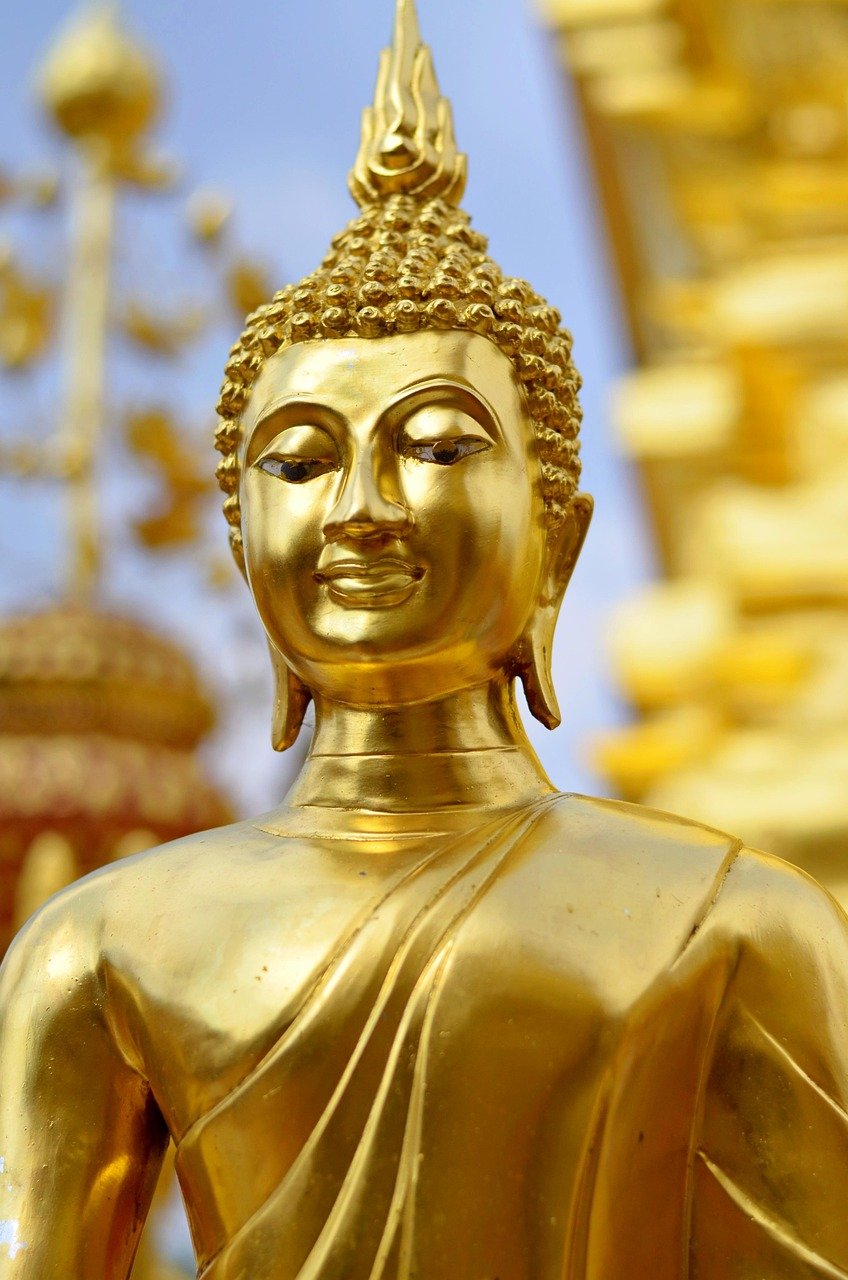
The practice of making vows at the Erawan Shrine follows a pattern common to many Southeast Asian religious sites. A devotee makes a specific request — a new job, a successful exam, a sick relative’s recovery — and promises that if the request is granted, they will return to make a specific offering. The traditional offerings at this shrine include commissioning a dance performance (typically costing around THB 5,000-10,000 for a set piece), presenting a wooden elephant (representing Brahma’s vehicle), or bringing garlands and incense. The sight of successful devotees returning to fulfil their vows maintains the shrine’s reputation and its cycle of devotion.
In August 2015, the shrine was the target of a devastating bomb attack that killed 20 people and injured 125 others. The attack, carried out by a perpetrator with unclear motivations, sent shockwaves through Bangkok and the international community. The shrine was rebuilt within weeks, and the pace of devotional activity returned remarkably quickly. The rebuilt golden statue stands on a slightly different platform but retains the same spiritual character and the same extraordinary daily rhythm of prayer.
Practical Information
- Entry: Free; donations and offerings are customary but not required
- Opening hours: Daily 6:00-22:00
- Best time to visit: Early morning for quietest atmosphere; noon and early evening for peak devotional activity and dance performances
- Duration: 30-60 minutes; longer if you observe a complete dance performance (approximately 20 minutes per set)
- Dress code: Modest dress respectful; remove shoes before stepping onto the shrine platform
Local Insights
What locals know that guidebooks don’t always tell you:
- The best photographs are taken from the second-floor walkways connecting the shopping centres – they give an elevated view of the shrine surrounded by the city.
- Dance performances are commissioned privately and happen throughout the day at irregular intervals; when you arrive during a performance you are witnessing the fulfilment of a private vow, not a public show.
- The offerings sold at the adjacent stall (garlands, incense, wooden elephants) can be purchased and given as offerings; the vendors will explain how to make them correctly if asked.
- Walk 10 minutes north along Ratchaprasong to Lumpini Park for a complete contrast: Bangkok’s largest park, where locals exercise, fly kites, and feed the enormous monitor lizards that patrol its lake.
- The surrounding shopping complex (Central World, Gaysorn, Erawan Bangkok mall) makes this an easy stop during a shopping day in the Ratchaprasong area.
Getting There
- BTS Skytrain: Chit Lom station (E1) – use Exit 1 which deposits you adjacent to the shrine; the walk takes under 2 minutes
- Bus: Multiple bus routes on Ratchadamri and Ploenchit Roads; the Ratchaprasong intersection is a major bus stop
- On foot: 15 minutes walk from Siam BTS station along Ratchadamri Road
- By taxi: Ask for Erawan Shrine (San Phra Phrom) at the corner of Ratchadamri and Ploenchit Roads
Frequently asked questions
Is the Erawan Shrine a Buddhist or Hindu shrine?
The shrine is dedicated to Phra Phrom, which is the Thai Buddhist adaptation of the Hindu deity Brahma. In practice, it is visited and venerated by Thai Buddhists, Hindus (particularly from the large Bangkok Indian community), and people of other faiths or no faith. The Erawan Shrine is an example of the spiritual syncretism that characterises Thai religious practice.
Can tourists participate in making offerings?
Yes – buying offerings at the adjacent stall and presenting them at the shrine is welcomed. The vendors will explain the proper way to make offerings. It is important to approach the practice with genuine respect rather than as a performance for photographs.
Is it appropriate to take photographs at the shrine?
Photography of the shrine and its surroundings is generally acceptable. When photographing worshippers, exercise discretion and respect. Avoid directing your camera at people who are in the middle of prayer.
What happened to the shrine after the 2015 bombing?
The shrine was rebuilt very quickly after the August 2015 bomb attack, which killed 20 people. The golden statue was restored and reinstalled, and devotional activity resumed within weeks. The rebuilt shrine retains the same spiritual significance as before.
What else is near the Erawan Shrine?
The Ratchaprasong intersection is Bangkok’s premier luxury shopping district, with Central World, Gaysorn Village, and the Erawan Bangkok mall all adjacent. The Four Seasons and Grand Hyatt hotels are directly beside the shrine. Lumpini Park is a 10-minute walk north.