
Egyptian Museum (Museum of Egyptian Antiquities)
Step through the rose-pink doors on Tahrir Square and you are no longer in modern Cairo — you are standing at the crossroads of three thousand years. The Egyptian Museum of Antiquities, the oldest Egyptological museum in the world, holds more than 170,000 objects spanning every dynasty from the Predynastic period to the Greco-Roman era. Hushed galleries lit by natural light through frosted skylights frame colossal granite pharaohs, gilded funeral barques, and intimate painted portraits. Unlike purpose-built heritage centres, this building breathes history of its own: it has stood since 1902, collecting stories alongside artefacts. For anyone captivated by ancient civilisation, an afternoon here is less a museum visit and more a homecoming.
History of the Egyptian Museum
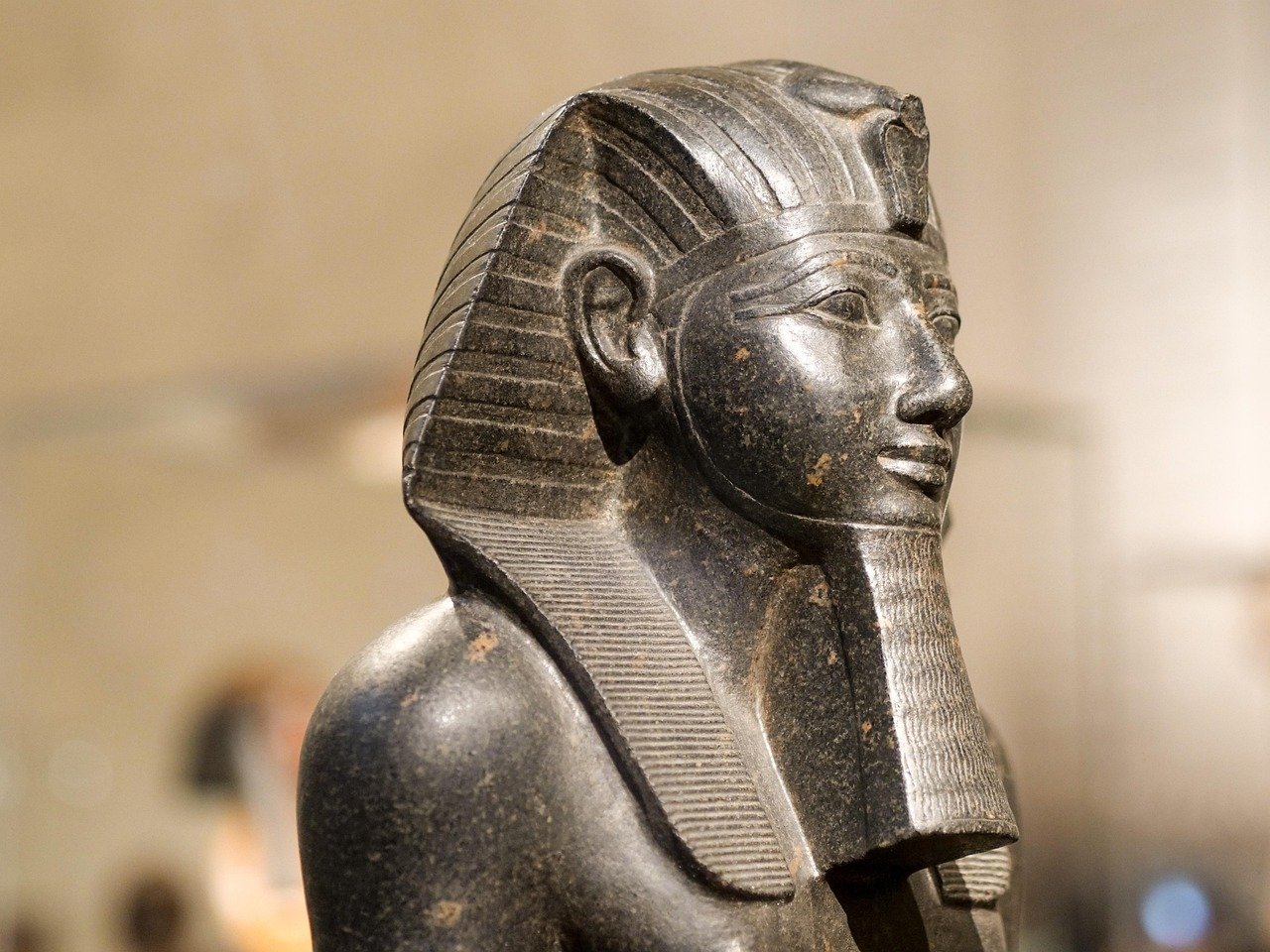
Egypt’s passion for preserving its own antiquity can be traced to Auguste Mariette, the French archaeologist who founded the first national museum service in 1858. Alarmed at the rate artefacts were leaving Egypt for private European collections, he established a storage facility at Bulaq, on the Nile’s bank. That original Bulaq museum flooded repeatedly and its collection was moved first to a palace in Giza in 1891, then — permanently — to the grand Neoclassical building on Tahrir Square that opened on 15 November 1902, designed by French architect Marcel Dourgnon. The inauguration was presided over by Khedive Abbas II before a gathering of European royalty and diplomats, a moment of national pride at a time when Egypt was still under British occupation.
Throughout the twentieth century the museum survived revolutions, wars, and seismic social change. During the 2011 uprising, protesters formed a human chain around the building to protect it from looters — a spontaneous act of collective stewardship that made international headlines. A handful of objects were damaged or briefly stolen, but the core collection remained intact. In recent years the most celebrated pieces, including Tutankhamun’s innermost coffin and burial mask, have been relocated to the Grand Egyptian Museum at Giza, which opened incrementally from 2023. The Tahrir building retains a vast and extraordinary collection; scholars argue it remains one of the richest archaeological museums on earth, now freed of overcrowding to be appreciated with fresh eyes.
What to See at the Egyptian Museum
The Tutankhamun Galleries
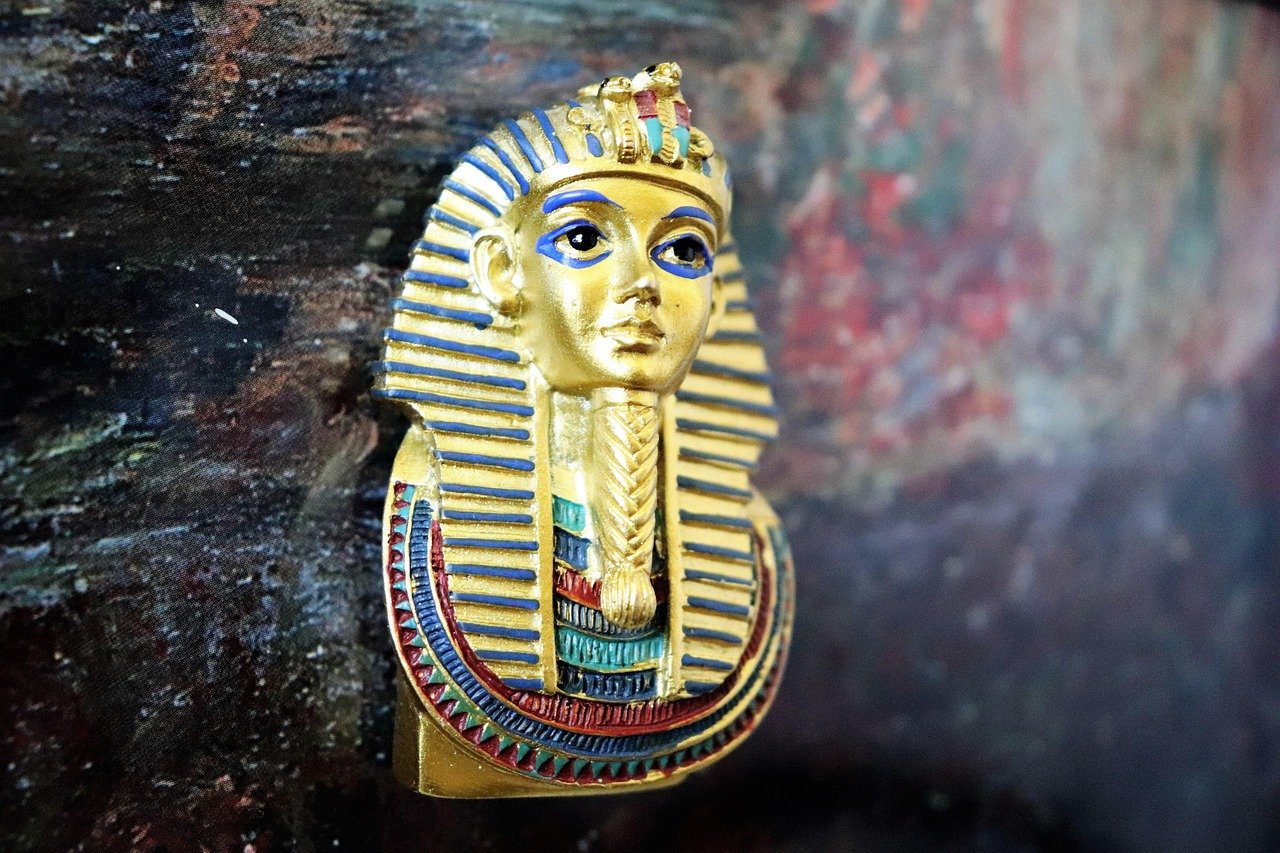
Even with the most iconic Tutankhamun pieces now residing at the Grand Egyptian Museum in Giza, the Tahrir galleries still contain a staggering portion of the boy-king’s treasure: alabaster canopic jars, gilded ceremonial chariots, ivory-inlaid game boards, and finely carved wooden statues of the gods who stood guard at his tomb entrance. The sheer volume of objects recovered from KV62 in 1922 — over 5,000 individual items — means the Tahrir museum continues to display hundreds of them. Walking the circuit around these rooms is less like viewing exhibits and more like counting the possessions of an entire palace. Allow at least an hour just for these galleries; slow down at the miniature golden shrines nested one inside the other like a sequence of gilded Russian dolls.
The Royal Mummies Hall
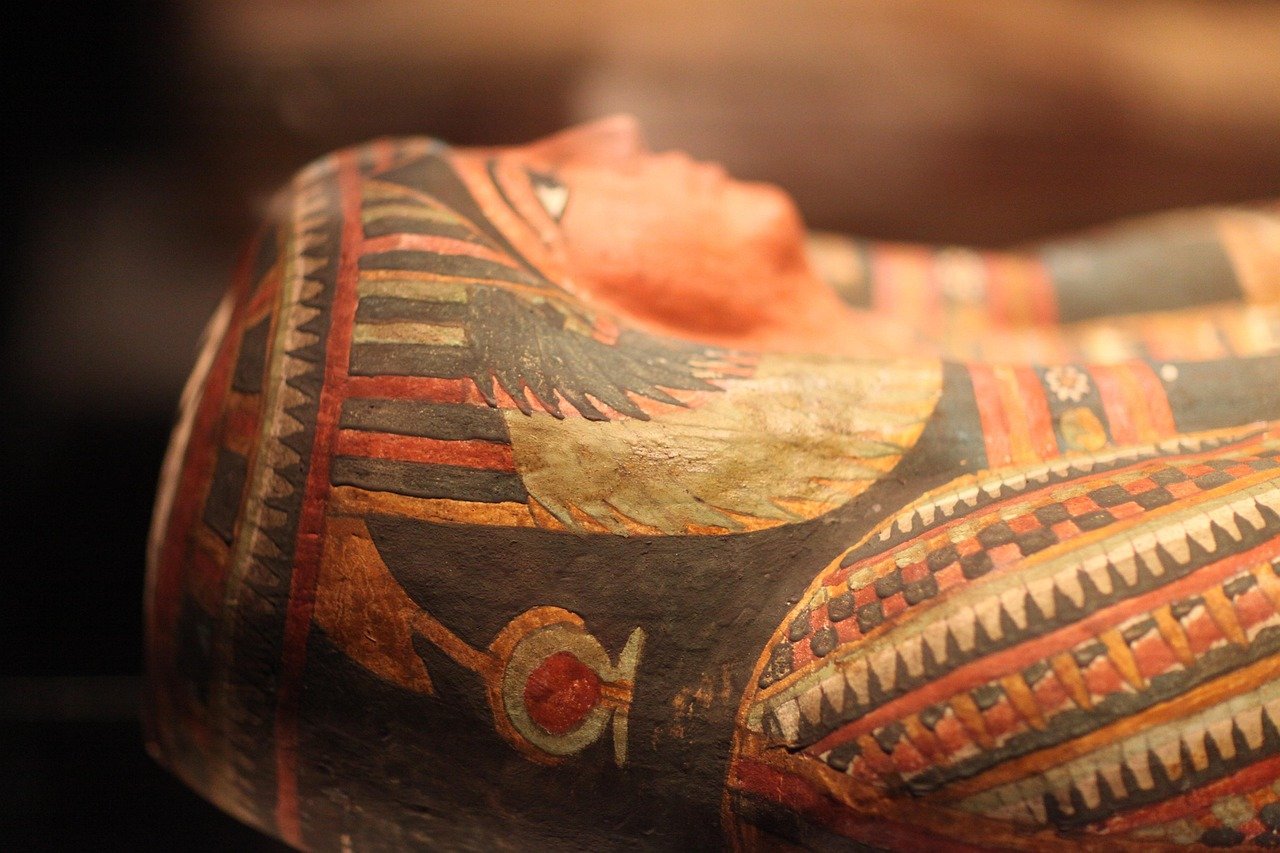
The Royal Mummies Hall on the upper floor requires a separate ticket (worth every pound) and houses twenty-two mummified kings and queens, including Ramesses II, Seti I, and Queen Hatshepsut. Dimly lit to protect the ancient tissue, the room has a cathedral-like stillness. You stand within arm’s reach of people who ruled the ancient world — faces still deeply expressive, fingers curled as if in sleep. Ramesses the Great, perhaps the most powerful pharaoh who ever lived, lies in a glass case measuring just under two metres; seeing the actual scale of the man who built Abu Simbel is unexpectedly moving. Photography is not permitted here, which encourages visitors to simply look — an increasingly rare instruction in the modern museum world.
Old and Middle Kingdom Galleries
Less crowded than the Tutankhamun rooms but arguably more historically significant, the Old Kingdom galleries on the ground floor hold objects dating to 2600–2100 BCE. The diorite statue of Khafre, builder of the second Giza pyramid, shows the pharaoh seated with the falcon-god Horus spreading protective wings around his head — the composition is so elegant it seems barely possible it is 4,600 years old. Nearby, the painted limestone statues of Rahotep and Nofret still wear their original colour: his dusky red skin, her cream white skin, both sets of eyes inlaid with quartz and crystal that give them an eerie lifelike gaze. These figures stopped the first-ever archaeological team cold when they were unearthed in 1871 — the workers reportedly fled in terror, convinced the figures were alive.
The Animal Mummies and Prehistoric Collection
Less visited than the royal galleries but genuinely fascinating, the animal mummy collection occupies several rooms in the upper floor eastern wing. Ancient Egyptians mummified animals as votive offerings to specific deities: cats for Bastet, ibises and baboons for Thoth, crocodiles for Sobek, falcons for Horus. The scale of the industry is staggering — archaeologists estimate millions of animal mummies were produced during the Late Period and Ptolemaic era, often in industrial temple workshops. Seeing an actual mummified cat, still wrapped in its geometric linen bindings with a stylised painted face, brings this abstract fact into sharp relief. Nearby, the prehistoric collection holds objects predating writing itself: flint hand axes, ivory combs, and painted pottery from communities living along the Nile around 5000 BCE, thousands of years before the first pharaoh unified Upper and Lower Egypt under a single crown.
The Amarna Period rooms deserve special attention. When the pharaoh Akhenaten (r. 1353-1336 BCE) instituted his monotheistic revolution, worshipping only the sun disc Aten, he also mandated a completely new artistic style: elongated necks and torsos, rounded bellies, naturalistically rendered children. The resulting sculpture is unlike anything else in ancient Egyptian art. A famous colossal head of Akhenaten on the upper floor, with its dreamily elongated features, is one of the museum most photographed objects. After Akhenaten death the new style was systematically erased by subsequent pharaohs, making these rooms a preserved record of the most radical artistic experiment in ancient Egyptian history. Allow at least twenty minutes to move slowly through the Amarna galleries and compare their distinctive naturalism with the formal rigidity of objects from earlier and later dynasties.
The Graeco-Roman and Late Period Galleries
The final centuries of pharaonic rule — the Late Period under Nubian, Saite, and Persian dynasties, followed by Alexander the Great conquest and the Ptolemaic kingdom — produced some of the most sophisticated and cosmopolitan art in the museum. The Ptolemaic rulers, descended from Alexander general Ptolemy, were Macedonian Greeks who ruled Egypt for three centuries while presenting themselves as pharaohs. Their portrait statues fuse Greek facial naturalism with Egyptian formal posture in ways that feel both ancient and surprisingly modern. The mummy portraits from the Fayum oasis, painted in hot wax on wooden panels and placed over the faces of mummified dead during the Roman period (first to third centuries CE), are particularly haunting: encaustic paintings of actual individuals, shown at the age of their death, that stare out with eyes of extraordinary directness. These portraits, technically Roman but culturally Egyptian, bridge the ancient world and something that feels personally immediate across two thousand years of distance.
Local Insights
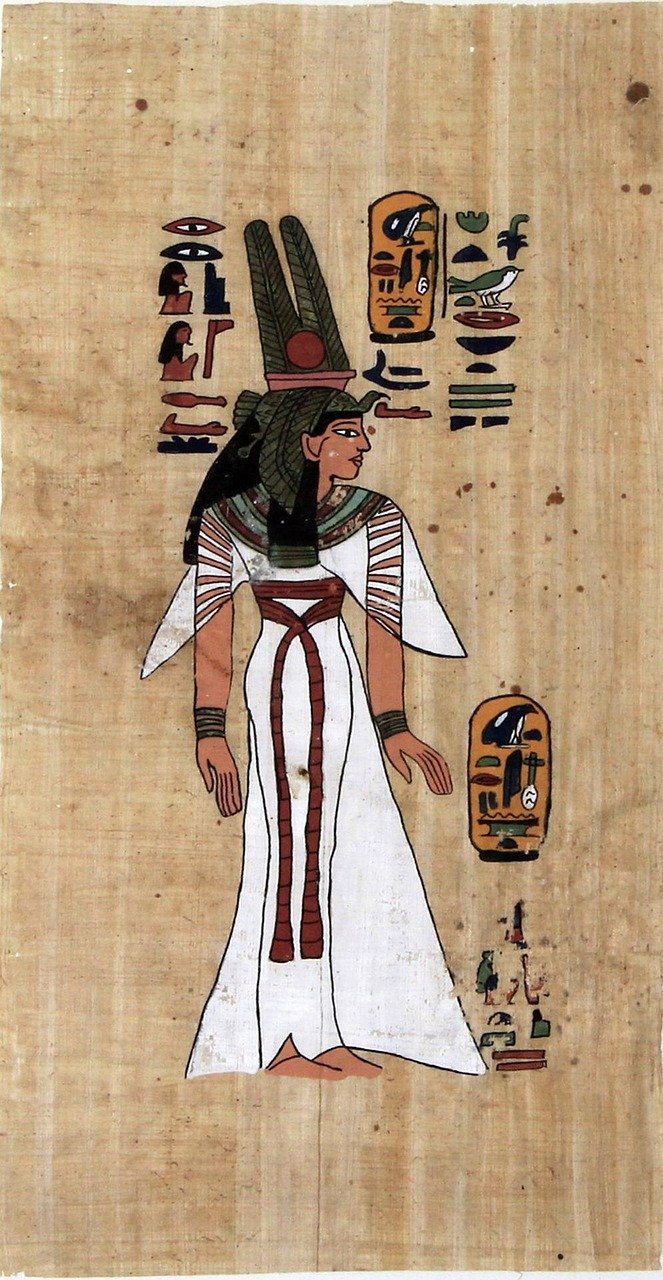
Insider knowledge makes the difference between a rushed photo tour and a genuinely memorable visit to the Egyptian Museum.
- Go early on a weekday. The museum opens at 9 AM and the first ninety minutes before tour groups arrive are dramatically quieter. By 11 AM Tahrir Square fills with coaches; by noon the Tutankhamun galleries become shoulder-to-shoulder. Getting there at opening is the single most effective way to improve the experience.
- Buy a separate Royal Mummies ticket at the main desk. The mummies admission (approximately 180–200 EGP extra for foreigners) is sold separately and often overlooked by visitors who buy the general ticket online. You cannot add it at the gallery entrance — only at the main ticketing counter on arrival.
- Hire an official museum guide for the ground floor. The labelling in the museum is notoriously sparse and sometimes only in Arabic. An official guide licensed by the Ministry of Tourism (look for the badge) will unlock context that transforms the experience. Agree a fixed fee upfront; 200–300 EGP per hour is reasonable.
- Look for Room 53 — the Yuya and Thuya collection. This relatively overlooked room holds the treasures of Tutankhamun’s great-grandparents, discovered nearly intact in 1905. The gilded funerary masks and wooden chairs rival anything in the Tutankhamun halls but attract a fraction of the crowds.
- Combine with a Tahrir Square coffee stop. The Cilantro cafe at the Nile Hilton mall, a five-minute walk from the museum entrance, is where Egyptian archaeologists and academics regularly meet. Overhear fascinating conversations while cooling down, and return for a second museum session in the afternoon when tour groups depart.
Planning Your Visit
- Tickets: General admission 550 EGP (~1 USD) for foreign adults; 275 EGP for foreign students with ID. Egyptian nationals pay 60 EGP. Royal Mummies Hall is an additional ~180 EGP. Children under 5 free.
- Opening hours: Daily 9:00 AM – 5:00 PM; ticket office closes at 4:00 PM. Hours may be shortened during Ramadan.
- Best time: October to April for comfortable weather in Cairo; arrive at 9 AM on Tuesday–Thursday to avoid weekend crowds and large tour groups.
- Duration: Allow 2–3 hours for a highlights visit; 4–5 hours to explore comprehensively. A dedicated researcher could spend a full day.
- Booking: Walk-up tickets available at the museum. Online booking via egymonuments.gov.eg is possible but not required. No advance booking needed for general admission.
Getting There
- Metro: Cairo Metro Line 2 — alight at Sadat station (named after President Anwar Sadat). The museum is directly visible from the station exits on Tahrir Square; walking time under 5 minutes.
- By car: The museum fronts Tahrir Square; parking is limited and the square is often congested. Ask your driver to drop off on Qasr el-Nil street and collect from the same point after your visit.
- On foot: A 12-minute walk from the Nile Corniche hotels along Qasr el-Nil Bridge; the distinctive pink Neoclassical facade is visible from the bridge approach.
- Taxi/ride-share: Uber and Careem both operate widely in Cairo and are reliable from most city hotels. Request drop-off at Egyptian Museum, Tahrir Square. Fare from Downtown typically 30–60 EGP.
Frequently asked questions
Is the Egyptian Museum in Cairo still worth visiting now that the Grand Egyptian Museum has opened?
Absolutely. While the Grand Egyptian Museum at Giza received Tutankhamun’s most famous pieces, the Museum of Egyptian Antiquities on Tahrir Square retains over 100,000 artefacts, including the Royal Mummies Hall, the Yuya and Thuya treasures, and the unmatched Old Kingdom sculpture collection. Many visitors find the historic 1902 building itself — and the museum’s atmospheric, slightly chaotic character — far more engaging than the Grand Egyptian Museum’s polished, modern corridors. Both are worth visiting; the Tahrir museum rewards unhurried exploration.
Can I photograph inside the Egyptian Museum?
Yes, personal photography without flash is permitted throughout most of the museum and is included in the standard admission price. The major exception is the Royal Mummies Hall, where photography is strictly prohibited to preserve the ancient tissue from repeated light exposure. Tripods and professional camera equipment require a separate permit. Selfie sticks are discouraged in crowded galleries. Museum staff are generally relaxed about phone cameras but will intervene if flash is used near painted artefacts or papyri.
How do I get from the Egyptian Museum to the Pyramids of Giza?
The Pyramids are approximately 15–18 km southwest of Tahrir Square. The easiest option is Uber or Careem (30–45 minutes depending on traffic, approximately 100–150 EGP). Alternatively, take Cairo Metro Line 2 from Sadat station to Giza station, then a taxi or tuk-tuk for the final stretch to the plateau entrance — total journey around 45–60 minutes. Note that the Grand Egyptian Museum at Giza is a separate attraction adjacent to the Pyramids, requiring its own ticket.
What should I prioritise if I only have one hour at the Egyptian Museum?
With just one hour, focus on the ground floor Old Kingdom rooms (Rooms 42 and 32) for the Khafre and Rahotep/Nofret statues, then move directly upstairs to the Tutankhamun galleries (Rooms 3–4 on the upper floor). Skip the smaller artefact rooms and head to the Yuya and Thuya room (53) if time allows. Buy the Royal Mummies ticket on arrival regardless — that hall takes only 20 minutes but leaves the deepest impression of any room in the building.