
Devonport 💎 Hidden Gem
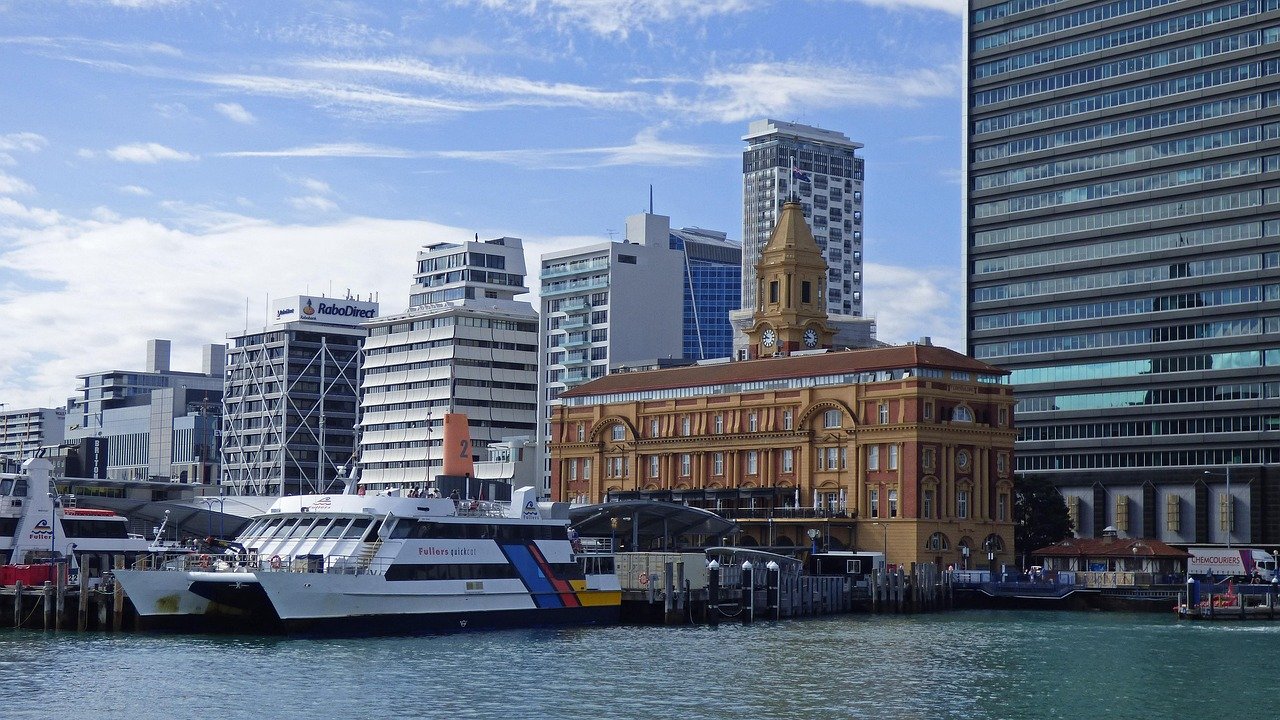
A twelve-minute ferry ride from downtown Auckland — and suddenly you are somewhere else entirely. Devonport sits on a small peninsula at the tip of Auckland’s North Shore, facing the city skyline across the glittering expanse of Waitemata Harbour, and the contrast between the two is the point. Where Auckland is glass towers and traffic and the organised rush of a modern city, Devonport is Victorian timber villas, heritage bakeries, independent bookshops, and volcanic cones rising above quiet streets. It is one of Auckland’s oldest suburbs, one of its most beautiful, and one of the very few places in the region where you can spend a full day without once feeling the need to consult a schedule. Whether you climb the volcanic cones for the views, explore the military history at North Head, or simply sit in a café on Victoria Road watching the harbour, Devonport operates at its own unhurried pace.
History of Devonport
Long before European settlers arrived, the Devonport peninsula was Māori territory with deep significance. According to oral tradition, the great waka (canoe) Tainui made landfall at Devonport — then known as Takarunga — in the fourteenth century, and both Mount Victoria and North Head carry the remnants of pā sites (Māori fortified villages) on their summits. The volcanic cones provided both defensive high ground and fertile soils for cultivation, and the peninsula’s position at the entrance to a sheltered harbour made it a place of strategic importance long before any European foot touched its shores.
British colonial settlement began in the 1840s, when Devonport became the first settlement on the North Shore — a position it held as the primary harbour entry point for ships arriving in the fledgling colony. Ferry services across Waitemata Harbour began in the same decade, making Devonport one of New Zealand’s oldest continuous ferry routes. The suburb quickly developed a character shaped by maritime trade and naval presence: the Royal New Zealand Navy established its main base here in 1921 at HMNZS Philomel, and the base remains active today. The Victorian and Edwardian timber architecture that lines the suburb’s streets reflects the prosperity of those early decades — many of these homes have been carefully restored and give Devonport a heritage streetscape that is among the finest in Auckland. The Vic cinema, which opened in 1912 and has been screening films continuously ever since, is one of New Zealand’s oldest operating cinemas and still shows independent and art-house films on Victoria Road.
What to See at Devonport
North Head Historic Reserve
North Head — Maungauika in te reo Māori — is one of the most historically layered places in Auckland. The volcanic cone at the tip of the Devonport peninsula served first as a Māori pā, then as the city’s primary coastal defence from the 1880s through the Second World War. The military heritage is extraordinarily well-preserved: tunnels bored through the rock connect magazines, gun emplacements, and observation posts that were designed to repel naval attack on Auckland Harbour. Many of these tunnels can be walked freely with a torch (flashlight), and the experience of descending into the cool darkness — through passages lined with concrete and corrugated iron, past sealed doorways and rusted mechanisms — is genuinely atmospheric. Above ground, the summit crater has been converted to a grassy bowl with 360-degree views across the Hauraki Gulf, the Waitemata Harbour, Rangitoto Island, and on clear days, the Coromandel Peninsula. The reserve is a fifteen-minute walk from the ferry terminal along the flat coastal path, or a five-minute walk from the Cheltenham Beach car park. Entry is free, open year-round.
Mount Victoria (Takarunga)
Mount Victoria is the more accessible of Devonport’s two volcanic cones — a ten-to-twenty-minute walk from the ferry terminal, depending on which path you choose and how much you stop to look around. At 87 metres, the summit delivers a panorama that punches well above its modest height: Auckland city and its Sky Tower to the south, the harbour bridge, the container port, Rangitoto Island rising in volcanic symmetry to the east, the Waitematā Harbour opening into the Hauraki Gulf, and on clear days the distant profile of the Coromandel ranges. The summit has the remains of a Māori pā visible as earthworks in the grass, and interpretive panels explain both the pre-European history and the colonial-era gun emplacements. The walk up is suitable for children; there are multiple routes, all clearly marked from the streets below. Go at sunset on a fine evening for one of the best free views in the entire Auckland region — the sky behind the city tower turns pink and gold, and the harbour lights begin to flicker on as the ferry makes its evening run.
Victoria Road Village, Beaches, and the Navy Museum
Victoria Road is Devonport’s main artery and one of the most pleasant shopping streets in greater Auckland — a compact strip of independent cafés, artisan bakeries, bookshops, galleries, and Devonport Chocolates (an award-winning chocolate-maker whose salted caramel truffles are the kind of thing you buy a second box of for the ferry home). The Torpedo Bay Navy Museum on the beachfront is free to enter and covers New Zealand’s naval history from pre-European times through to the present, with highlights including torpedo equipment, wartime photography, and hands-on exhibits aimed at younger visitors. Devonport’s three beaches — Devonport Beach directly in front of the ferry wharf, Cheltenham Beach (a calm, tidal bay about a 25-minute walk from the terminal), and Narrow Neck Beach (safe swimming, playground) — make for easy afternoon swimming from November through March when water temperatures reach 20°C. The suburb also has the Michael King Writers Centre, housed in a heritage villa in Windsor Reserve, and a charming nautical-themed playground at Windsor Reserve that keeps children entertained while parents browse the road.
Local Insights
From regulars who know Devonport well, here are the tips that make the difference between a good visit and a great one:
- Take the ferry over on a weekday morning and back on the afternoon service. Devonport receives most of its visitors on weekend afternoons, when café queues are long and the volcanic cone paths get crowded. A Tuesday or Wednesday morning crossing finds the village quiet, the café staff unhurried, and the summit of Mount Victoria practically private. The 9:30 a.m. ferry from downtown Auckland drops you at the wharf by 9:42 a.m. — perfect for a croissant and coffee before the North Head crowds arrive.
- Bring a torch (flashlight) for the North Head tunnels. The military tunnels at North Head are open for free exploration, but they are genuinely dark inside and the paths are uneven in places. Your phone torch works, but a proper small flashlight is better. Children old enough to walk steadily find the tunnel experience thrilling; it is not appropriate for toddlers or visitors with mobility limitations.
- Cheltenham Beach is the best swimming option, not Devonport Beach. Devonport Beach, directly by the ferry wharf, is scenic but faces the harbour shipping channel and is not ideal for swimming. Cheltenham Beach, about 25 minutes’ walk around the coastal path, is a sheltered tidal bay with soft sand and calm water — excellent for families with children from November through April.
- The Torpedo Bay Navy Museum is free and genuinely underrated. Most visitors walk past it on the way to the beach without stopping. Allocate 45 minutes and you will leave with a surprisingly complete picture of New Zealand’s naval history, including the story of the HMNZS Canterbury and the country’s anti-nuclear stance in the 1980s that fundamentally changed its relationship with the United States. No booking required, open daily 10 a.m. to 5 p.m.
- Sunset from Mount Victoria is extraordinary — but check the weather app first. Auckland’s weather is notoriously variable, and a cloudy evening on the summit is a very different experience from a clear one. Check the hourly forecast and time your visit for a clear evening around 45 minutes before sunset. The last ferry from Devonport runs late (check current timetables — summer services run until around 11 p.m. on weekdays), so you have plenty of time to catch the colours and still make it home.
Planning Your Visit
- Tickets: The ferry is the main cost — NZ$16 adult return (approximately USD 9.50) with an AT HOP card, or NZ$20 without. North Head, Mount Victoria, and Cheltenham Beach are all free to access. The Torpedo Bay Navy Museum is free. The Devonport Museum on Vauxhall Road charges a small koha (donation). Most café and restaurant meals on Victoria Road range from NZ$18–30 per person for lunch.
- Opening hours: The ferry runs from approximately 6:15 a.m. to 11 p.m. on weekdays and from 7 a.m. on weekends, with services roughly every 30 minutes during the day and hourly in the evenings. North Head and Mount Victoria are accessible from dawn to dusk year-round. The Torpedo Bay Navy Museum is open daily 10 a.m. to 5 p.m.
- Best time: November through March for warm weather and swimming. January and February are peak summer — busier but the most festive atmosphere. Devonport is genuinely pleasant year-round: the volcanic cone views are at their best in winter on clear days, with snow occasionally visible on the distant Coromandel Ranges. Avoid visiting on public holidays when the ferry is extremely crowded.
- Duration: A half-day (3–4 hours) covers the ferry crossing, a café stop on Victoria Road, and Mount Victoria or North Head. A full day (6–7 hours) allows you to do both volcanic cones, the Navy Museum, lunch, Cheltenham Beach, and a leisurely browse of the village shops. Devonport is best not rushed.
- Booking: No booking required for the ferry — purchase tickets at the Britomart Ferry Terminal (99 Quay Street) using an AT HOP card or cash at the gate. Load an AT HOP card at the terminal for the cheapest fares. Restaurants on Victoria Road occasionally require reservations for dinner on weekends, but lunch is generally walk-in.
Getting There
- By ferry: The ferry from Downtown Auckland’s Ferry Building (Quay Street, Britomart) departs approximately every 30 minutes during business hours. The crossing takes 12 minutes and arrives at Devonport Wharf directly in the village heart. Buy an AT HOP card at the terminal for NZ$5 (reusable, rechargeable) and load credit — the discounted adult one-way fare is NZ$7.50 versus NZ$10 cash.
- By car: Drive north across the Auckland Harbour Bridge (SH1), follow signs to Devonport via SH1 north and then Devonport Road — approximately 20 minutes from central Auckland in off-peak traffic. Parking on Devonport’s streets is metered; King Edward Parade along the beachfront offers the most reliable paid parking closest to the wharf and village.
- Public transport: Bus route 814 connects Devonport to Takapuna and Smales Farm bus/rail interchange; the NX1 bus runs between Auckland CBD and Albany via the North Shore. Combined bus-and-ferry journeys from the North Shore suburbs are an economical option for those staying outside central Auckland.
- Taxi/ride-share: Uber, Ola, and local taxis all service Devonport. A taxi from central Auckland costs approximately NZ$35–50 via the harbour bridge. Drop-off and pick-up at the ferry wharf on King Edward Parade is straightforward; for North Head, ask to be dropped on Cheltenham Road.
Frequently asked questions
How much time should I spend in Devonport?
Three to four hours covers the highlights comfortably for most visitors: a coffee on Victoria Road, a climb to the summit of Mount Victoria for the harbour panorama, and a walk along the beachfront. Add another two to three hours if you want to explore North Head’s military tunnels, visit the Torpedo Bay Navy Museum, and walk to Cheltenham Beach for a swim. A full day — arriving on the first or second morning ferry and returning on the late afternoon service — allows you to do all of this at a genuinely relaxed pace, with a proper lunch stop at one of the Victoria Road restaurants. Devonport is one of Auckland’s most rewarding half-day excursions, but it rewards an unhurried full day even more.
Are the North Head military tunnels safe to explore?
Yes, they are open to the public and free to enter. The tunnels are maintained by Auckland Council and have been assessed as structurally sound. That said, they are genuinely dark — phone torches illuminate most passages but a proper flashlight is more comfortable — and the ground inside can be uneven or damp in places. Children find them thrilling; the experience works best for children who are confident in the dark and can navigate uneven ground independently. There is no guided tour required or available, so exploration is self-directed. Bring a light source, wear sensible shoes, and be prepared to duck in a few of the lower passages. The tunnels are accessible from the summit path at North Head.
Is Devonport suitable for a day trip with young children?
Devonport is an excellent choice for families with children of most ages. The ferry crossing is a highlight in itself for younger children — 12 minutes across a busy harbour watching ferries and container ships. Mount Victoria is a manageable climb for children over about five years old; the grassy summit is open and safe. The Windsor Reserve playground on Windsor Reserve Road has a nautical theme that children enjoy, with climbing structures and open grass for running. Cheltenham Beach has calm, shallow water ideal for paddling and building sandcastles. The village ice cream shops and Devonport Chocolates tend to close the deal on enthusiasm. Prams and strollers work well on the flat village streets, though the volcanic cone paths are unpaved and not suitable for them.
What is the best way to get the cheapest ferry ticket to Devonport?
The single most effective way to reduce the ferry cost is to load an AT HOP card before boarding. HOP cards are available for NZ$5 from the AT HOP desk at Britomart Ferry Terminal or from Devonport Wharf, and can be loaded with credit immediately. The adult fare with a HOP card is NZ$7.50 each way versus NZ$10 cash — a saving of NZ$5 per adult for the return trip. Children under five travel free; children aged 5–15 pay half the adult fare with a HOP card. The HOP card is the standard way New Zealanders pay for all Auckland public transport (buses, trains, and ferries), so it is worth getting one at the start of any extended stay in the city.