
Coptic Museum
Tucked behind the ancient Roman towers of Babylon in Old Cairo, the Coptic Museum holds a secret that most visitors to Egypt never discover: a continuous Christian heritage stretching back to the first century AD, told through the world’s finest collection of Coptic art. Step through the ornate wooden mashrabiya screens into a pair of linked buildings — one Fatimid in style, one modern — and you step into a world where pharaonic symbols fuse with early Christian iconography, where the ankh evolved into the cross, and where Egypt’s indigenous Christian community, the Copts, preserved a living thread of faith across twenty centuries of conquest, conversion, and change. This is Old Cairo at its most intimate and revealing.
History of the Coptic Museum

The Coptic Museum was founded in 1908 by Marcus Simaika Pasha, a visionary Coptic Christian nobleman who recognized that artifacts from Egypt’s Christian centuries were being scattered — sold to European collectors, removed to foreign museums, or simply deteriorating in neglected churches. His solution was to create a dedicated institution in the heart of Old Cairo, adjacent to the ancient Babylon Fortress and surrounded by some of the oldest functioning Christian churches in the world. The original building, completed in 1910, was designed in a blend of traditional Coptic and Islamic architectural styles, featuring carved wooden ceilings salvaged from medieval Coptic homes and elaborate mashrabiya window screens.
The museum underwent significant expansion in the 1940s when a new wing was added to accommodate the growing collection, and again in the 1980s and 1990s when modern conservation facilities were installed. A major restoration project in the early 2000s, partly funded by international heritage organizations, repaired earthquake damage from 1992 and upgraded the climate control systems protecting the most vulnerable textiles and manuscripts. Today the museum holds over 16,000 objects spanning the 3rd through 19th centuries, making it the largest and most comprehensive repository of Coptic art and artifacts anywhere in the world. It remains an active center of Coptic heritage scholarship, with researchers from Egyptian and international universities regularly working in its archives.
What to See at the Coptic Museum
The Manuscript Collection
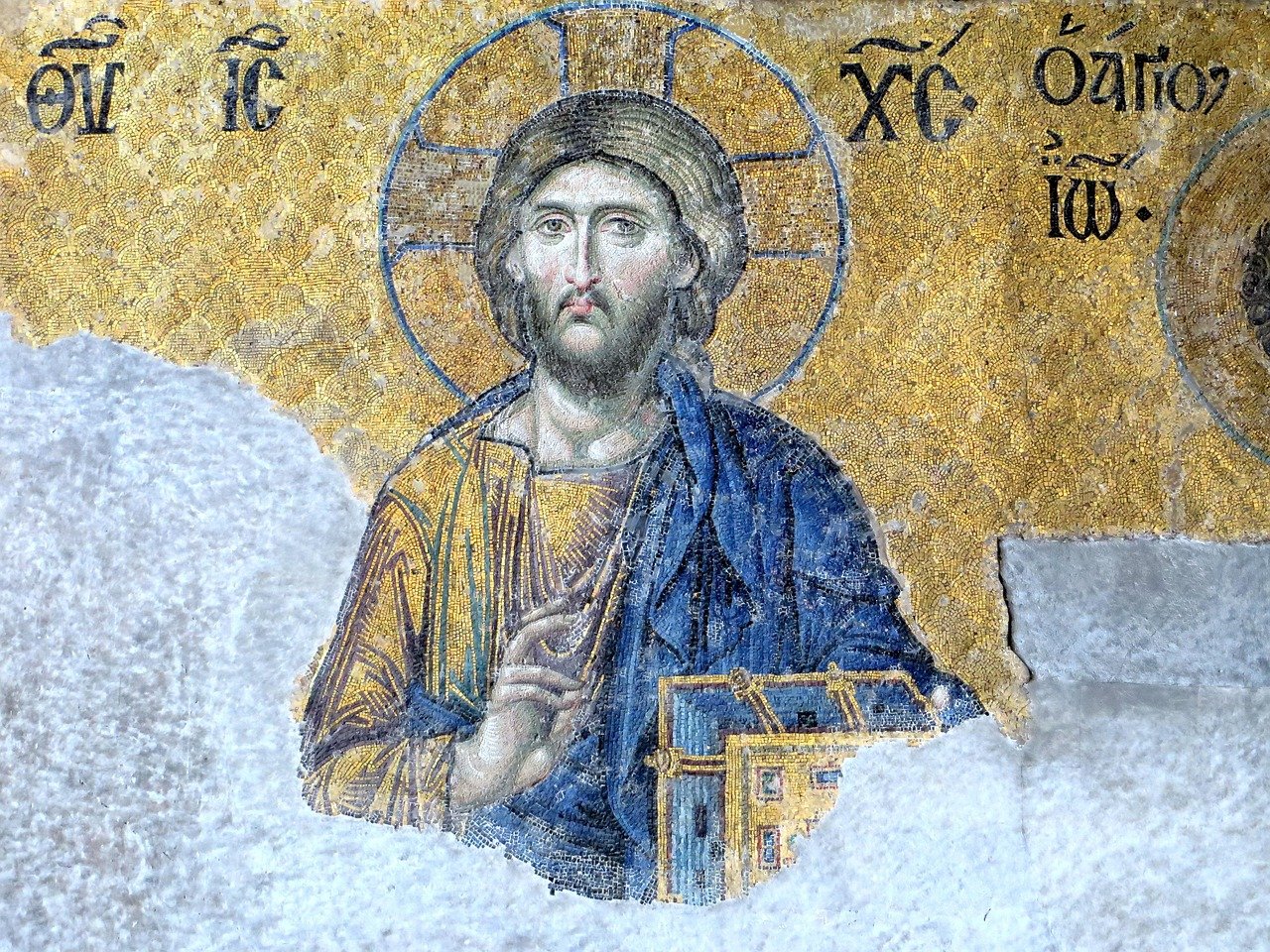
Among the most extraordinary treasures in the Coptic Museum’s collection are its illuminated manuscripts — handwritten books and biblical texts in the Coptic language, a direct descendant of ancient Egyptian written in Greek characters. Some of these manuscripts date to the 4th and 5th centuries AD, making them among the earliest surviving Christian texts in existence. The museum holds complete and partial gospels, liturgical books, monastic rules, and private devotional manuscripts, many decorated with intricate geometric borders and figural miniatures painted in vivid natural pigments. The display cases present selected manuscripts opened to their most visually striking pages, though the full archive is available to researchers by appointment. Particularly notable is a set of wooden book covers from the 7th century, carved with images of apostles and angels in a style that shows clear continuity with pharaonic woodworking traditions.
Coptic Textiles and Tapestries
The Coptic Museum houses one of the world’s most important collections of ancient and medieval textiles, including everyday linen garments worn by ordinary Egyptians in the 4th through 8th centuries, as well as elaborate tapestry panels woven to adorn church walls and priestly vestments. The textiles are remarkable for their technical sophistication: Coptic weavers mastered complex tapestry techniques that allowed them to render detailed narrative scenes — the Nativity, the Flight into Egypt, portraits of saints — in colored wool weft on linen warp, using a palette of reds, blues, greens, and yellows that remain vivid after fifteen centuries. Several tunics on display retain their original colors and intact woven decoration, allowing visitors to understand exactly what a prosperous Christian Egyptian of the 6th century wore to worship. The textile galleries are among the most visually immediate in the museum, requiring no specialist knowledge to appreciate.
The Building Itself — Architectural Details
The Coptic Museum is itself an architectural artifact. The main building features ceilings salvaged from medieval Coptic homes in Cairo and Upper Egypt — carved and painted wooden panels of extraordinary intricacy, some depicting biblical scenes, others purely geometric in the Islamic decorative tradition that influenced Coptic craftsmen after the Arab conquest of 641 AD. The mashrabiya window screens, turned on wooden lathes into elaborate lattice patterns, filter the harsh Egyptian sunlight into soft dappled patterns across stone floors. In the garden connecting the old and new wings, fragments of Roman columns, Byzantine carved reliefs, and medieval architectural elements create an open-air display. The building blurs the boundary between container and collection — every room is itself a work of art worth examining closely before turning attention to the objects within it.
Icons, Frescoes, and Liturgical Objects
Beyond the manuscripts and textiles, the Coptic Museum’s collection of painted icons and church frescoes provides a visually arresting window into Egyptian Christian devotional practice across the centuries. The earliest icons in the collection — small devotional panels painted in encaustic wax on wooden boards — show a direct stylistic lineage from Fayum mummy portraits of the Roman period, with the same direct gaze and individualized facial features that made those portraits so compelling. Later icons from the medieval period display more formal Byzantine influences while retaining distinctly Egyptian color combinations and compositional conventions. A large collection of liturgical metalwork — chalices, censers, processional crosses, reliquary cases — demonstrates the high level of craftsmanship maintained by Coptic artisans even during periods of political marginalization. The section displaying stone architectural fragments from demolished or damaged Coptic churches preserves capitals, lintels, and screen panels that would otherwise be lost entirely, offering a record of church interior design across more than a thousand years of Egyptian Christianity.
The Garden and Outdoor Fragments
Between the old and new wings of the Coptic Museum, a stone-paved garden provides a peaceful interlude between galleries. Set into the garden walls and arranged on low plinths are architectural fragments rescued from demolished or damaged Coptic buildings across Egypt — column capitals carved with vine scrolls and crosses, doorway lintels with Greek inscriptions, relief panels showing saints in the distinctive flat, frontal Coptic style. The garden receives dappled light through overhead trellises and offers a quiet place to rest and absorb the visit. It also provides the best vantage point for appreciating the museum building’s exterior architecture, including the elaborate carved stone facade of the original 1910 wing. This transitional space is easy to rush through, but spending a few minutes in the garden before moving to the second building rewards the attentive visitor with details invisible from inside.
Local Insights
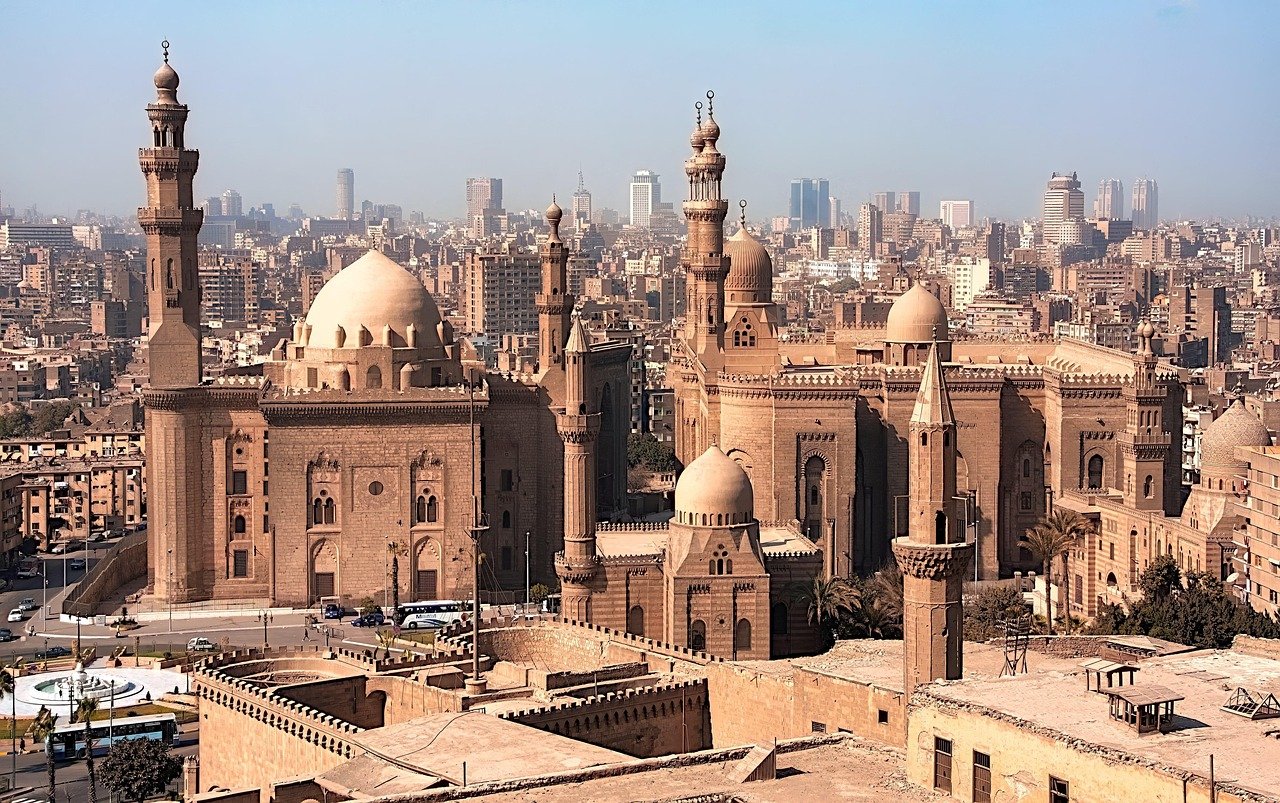
Here are essential tips for making the most of your visit to the Coptic Museum:
- Build in time for Old Cairo’s churches: The Coptic Museum sits in the middle of one of the world’s oldest Christian neighborhoods. The Hanging Church (Al-Muallaqah), the Church of St. Sergius and Bacchus (built over a crypt where the Holy Family is said to have sheltered), and the Ben Ezra Synagogue are all within a 5-minute walk. A half-day exploring all of them together is one of Cairo’s richest historical experiences.
- The museum closes at 3 PM during Ramadan — a fact that catches many visitors off guard. If visiting during the holy month, arrive early. The atmosphere in Old Cairo during Ramadan evenings is spectacular, but the museum itself will be closed.
- Look up at the ceilings throughout both wings of the museum. The salvaged carved wooden ceilings are as significant as the objects in the cases beneath them, and most visitors walk past without noticing. Take a moment in each room to examine the overhead decoration before moving on to the displayed artifacts.
- Admission is a bargain: At 100 EGP (~$2 USD) for foreign adults, the Coptic Museum is among the most affordable major museums in Cairo. The combination of the museum, the neighboring churches, and the Babylon Fortress walls makes Old Cairo an exceptional full-day destination at minimal cost.
- Photography rules vary by gallery: Personal photography without flash is generally permitted in most of the museum, but some textile and manuscript cases are labeled as no-photography zones. Follow posted signs and ask guards if uncertain — they are generally helpful and approachable.
Planning Your Visit
- Tickets: Foreigners: 100 EGP adults (~$2 USD), 50 EGP students. Egyptians and Arabs: 10 EGP adults, 5 EGP students. Free for children under 6, Egyptians and Arabs over 60, and those with disabilities.
- Opening hours: Daily 9:00 AM – 5:00 PM (last ticket issued at 4:00 PM). During Ramadan: 9:00 AM – 3:00 PM. Closed on certain national holidays — check ahead if visiting during public holidays.
- Best time: October through April for pleasant temperatures. Tuesday through Thursday mornings are quietest. Avoid Friday midday when the nearby mosques draw crowds to the Old Cairo area. Christmas and Easter attract large numbers of Coptic pilgrims, creating a festive but crowded atmosphere.
- Duration: Allow 1.5–2 hours for the main galleries. If combining with the Hanging Church, Church of St. Sergius and Bacchus, Ben Ezra Synagogue, and the streets of Old Cairo, budget a full half-day of 4–5 hours.
- Booking: No advance booking required. Walk-in admission at the ticket desk. Guided tours can be arranged on-site or pre-booked through licensed Cairo tour operators who specialize in religious heritage.
Getting There
- Metro: Take Cairo Metro Line 1 to Mar Girgis station (named after Saint George). Exit the station and the entrance to Old Cairo and the Coptic Museum complex is immediately visible — the Roman towers of Babylon Fortress are right at the station exit. It is the easiest major landmark in Cairo to reach by Metro.
- By car: Old Cairo is accessible via Corniche el-Nil heading south from central Cairo. Parking near the Mar Girgis area can be tight on weekends; a small fee to a local informal parking attendant is customary.
- On foot: From the NMEC museum, the Coptic Museum is a 10-minute walk south along the Corniche. From central Cairo the walk takes approximately 45 minutes along the Nile — pleasant in cool weather.
- Taxi/ride-share: Uber and Careem both serve Old Cairo. Ask for “Mathaf al-Aqbat” (Coptic Museum) or “Mar Girgis” — both are widely recognized. Drop-off is directly at the entrance to the Babylon Fortress complex.
Frequently asked questions
Do I need to dress modestly to visit the Coptic Museum?
The Coptic Museum itself does not enforce a strict dress code, but the surrounding Old Cairo neighborhood includes active churches and a synagogue that do require modest attire — shoulders and knees covered for both men and women. It is practical to dress modestly for the entire Old Cairo visit rather than needing to change. Comfortable walking shoes are important as the ground in the museum garden and neighboring sites is uneven, with old stone paving, steps, and narrow passages throughout the Babylon Fortress complex.
What makes Coptic art distinct from other early Christian art?
Coptic art represents a unique fusion of ancient Egyptian visual traditions with early Christian iconography. Unlike Byzantine art, which became increasingly formal and hierarchical, Coptic art retained the flatness and frontality of pharaonic painting while incorporating distinctly Egyptian motifs — lotus flowers, the ankh cross (which predates Christianity in Egypt), and a palette of earth tones typical of Nile Valley pigments. Coptic figures often have oversized eyes, a feature carried forward from the hieratic gaze of pharaonic portraiture. The result is an art form immediately recognizable as Egyptian, even when depicting entirely Christian subject matter.
Can I visit the Hanging Church and other nearby sites on the same ticket?
No — the Coptic Museum, the Hanging Church, the Church of St. Sergius and Bacchus, and the Ben Ezra Synagogue are all separate sites with their own admission arrangements. The Hanging Church and the other churches in the Old Cairo complex are typically free to enter as they are active places of worship, though donations are welcomed. The Ben Ezra Synagogue may charge a small admission fee. The Coptic Museum is the only institution in the complex that requires a formal paid ticket. Visiting all of them in a single half-day is easily achievable.
Is the Coptic Museum suitable for visitors who are not Christian?
Absolutely. The Coptic Museum is a world-class art and history museum that presents its collection in a scholarly, secular framework appropriate for visitors of all backgrounds and none. The significance of Coptic textiles, manuscripts, and architecture is historical and artistic as much as religious. Many of the most enthusiastic visitors are those interested in the continuity of ancient Egyptian artistic traditions into the Christian era, or in understanding how Egypt’s indigenous culture survived through successive waves of conquest and religious change. The museum is welcoming to all visitors regardless of faith or background.