
Colon Theatre (Teatro Colón) 💎 Hidden Gem
Step through the bronze doors of Teatro Colón and the city outside falls away entirely. The air shifts — cooler, hushed, vibrating with the residue of centuries of rehearsals and premieres. Above you, the great horseshoe auditorium rises in six gilded tiers, its ceiling painted in allegorical splendor and crowned by a chandelier the size of a small apartment. This is one of the world’s greatest opera houses, and standing at its threshold, you feel every bit of that weight.
History of Colon Theatre
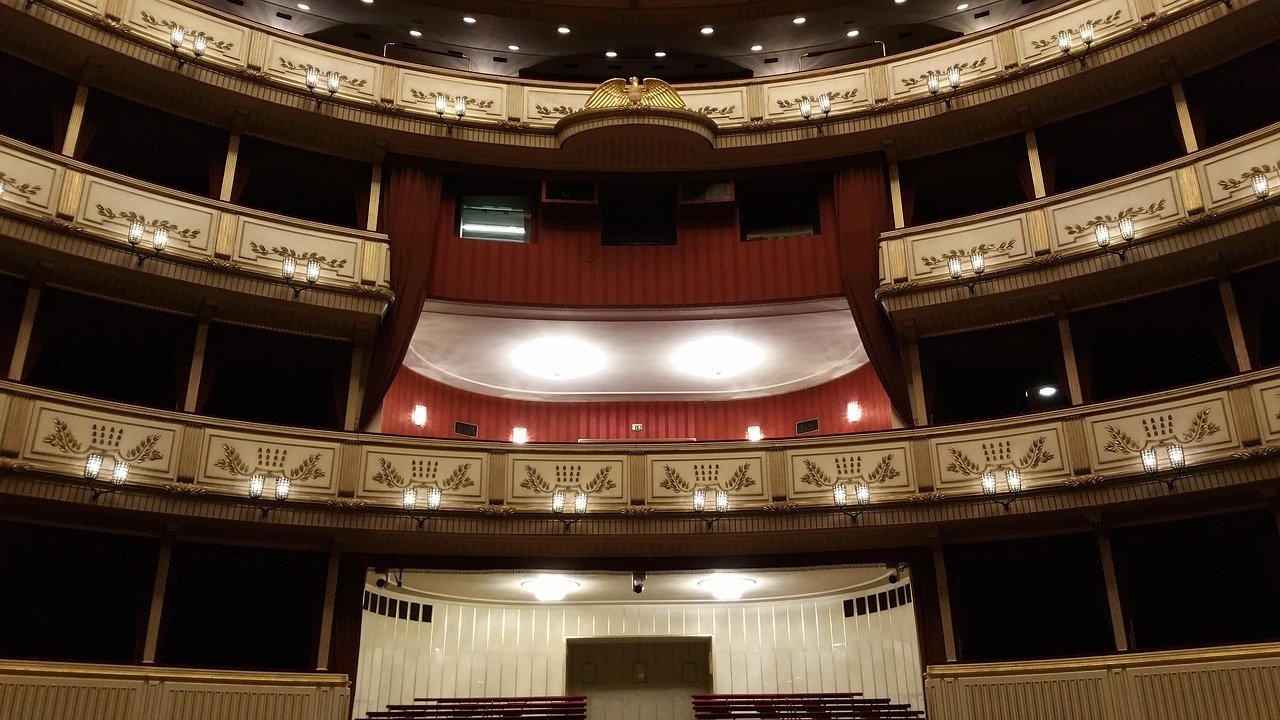
The story of Teatro Colón begins with ambition on a scale that matched the city’s own self-image. Buenos Aires in the late 19th century was a metropolis of immigrants, wealth, and cultural aspiration. The first Teatro Colón opened in 1857 on what is now the Plaza de Mayo, but it was quickly deemed insufficient for a city that saw itself as the Paris of South America. Plans for a new, far grander theatre were commissioned, and construction began in 1890 on a prime block between Cerrito and Libertad streets.
The project took eighteen years and three architects — Francesco Tamburini, Vittorio Meano, and Jules Dormal — before the doors finally opened on May 25, 1908, Argentina’s national holiday. The result was extraordinary: an eclectic masterpiece blending Italian Renaissance, French Baroque, and Greek Revival styles, with workshops producing sets, costumes, and props entirely on site. Over its history the theatre has hosted Enrico Caruso, Maria Callas, Arturo Toscanini, Rudolf Nureyev, and virtually every major name in opera, ballet, and classical music. A painstaking restoration completed in 2010 returned the building to its full glory for the country’s bicentennial.
What to See at Teatro Colón
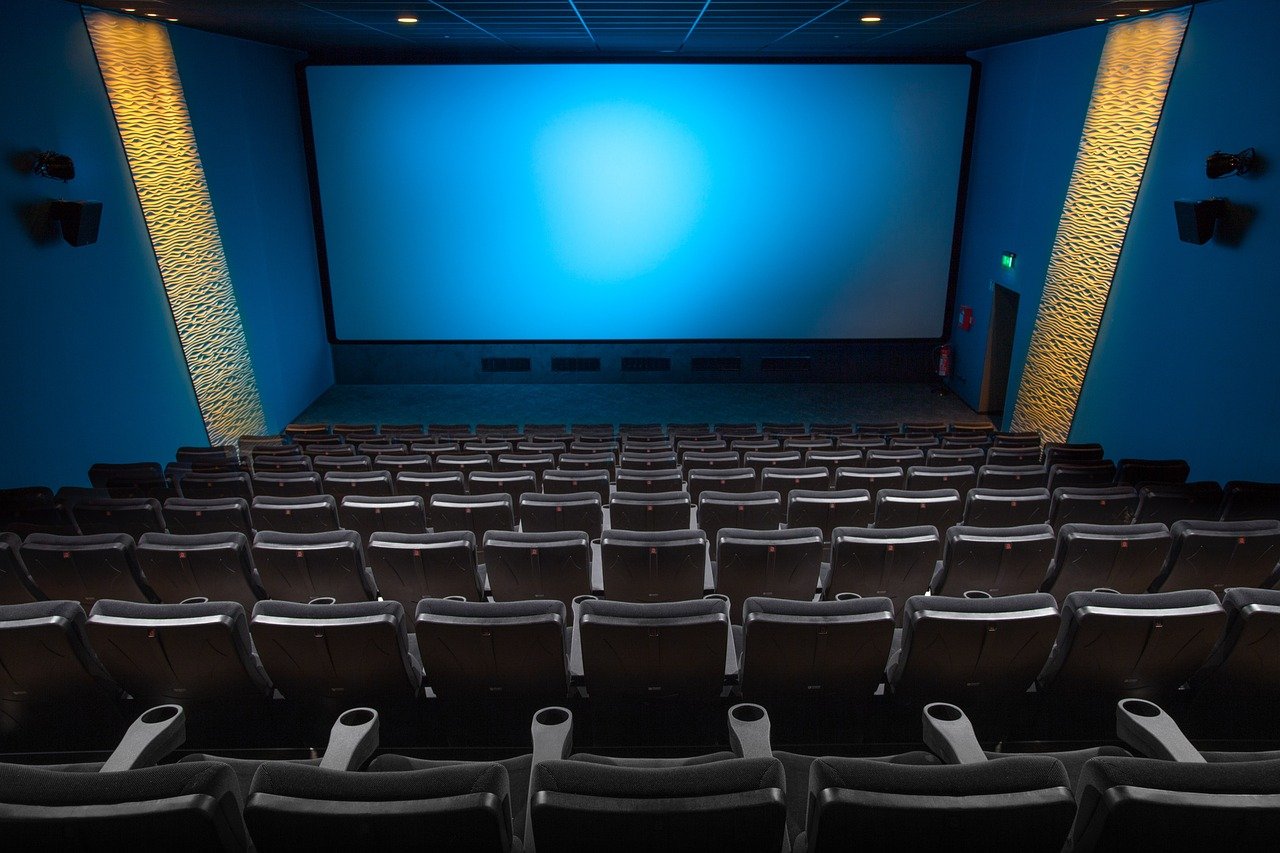
Whether you attend a performance or take a guided tour, the visual richness is overwhelming. The main auditorium seats around 2,500 with room for another 1,000 standing, and the acoustics are scientifically measured among the top five in the world. The horseshoe layout, the profusion of crimson velvet, gilded plasterwork, and Venetian mosaics create a sensory environment unlike any other in South America.
Tour visitors move through the Golden Hall (Salón Dorado), the Hall of Busts lined with portraits of legendary performers, the rehearsal studios, and the underground workshops where scenery and costumes are still crafted by hand. The backstage tour is especially fascinating — seeing the enormous mechanical stage, the costume ateliers, and the instrument repair workshop reveals just how self-contained this theatre city-within-a-city truly is.
The Acoustics and Architecture
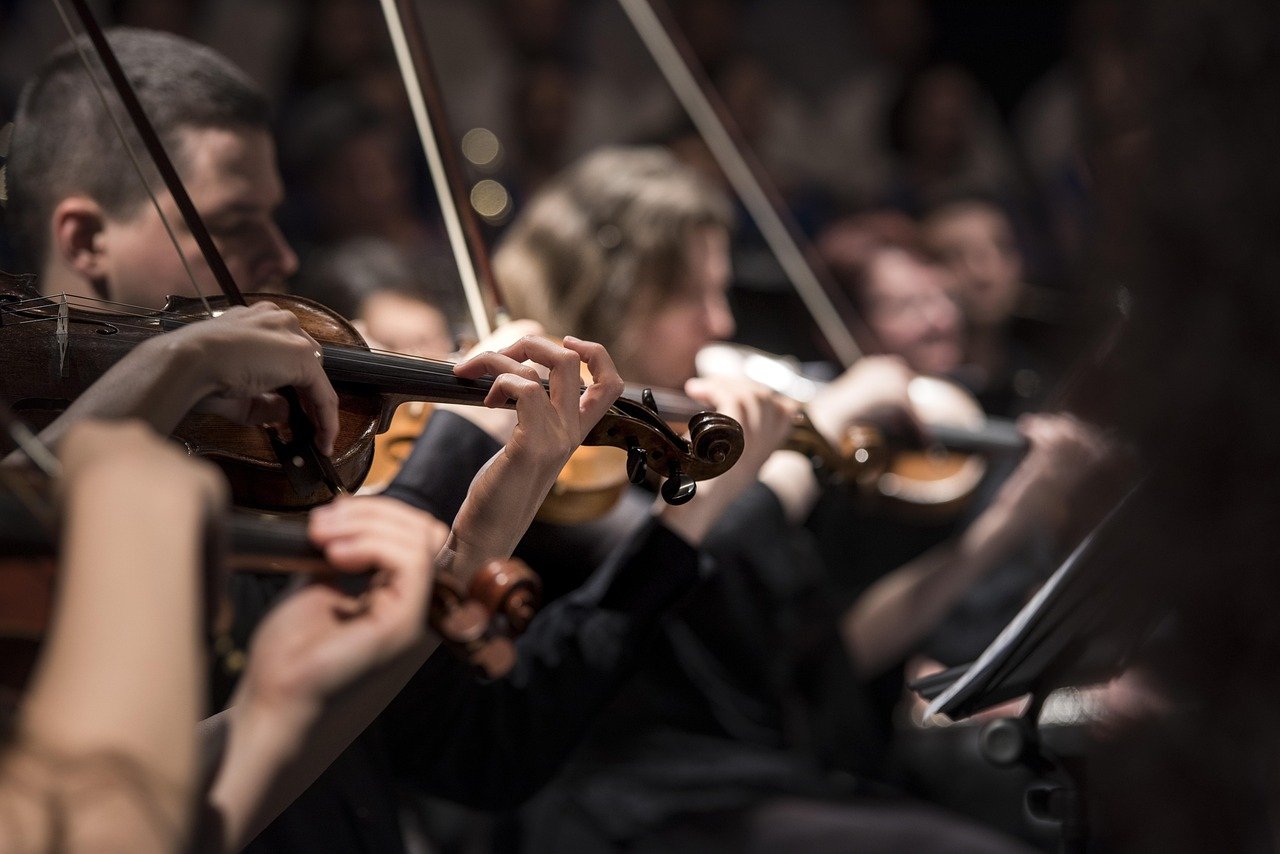
What separates Teatro Colón from mere grandeur is the remarkable fusion of architectural beauty and acoustic science. The horseshoe shape was deliberately chosen to allow sound to reflect evenly from the curved rear wall back toward the stage. The ceiling dome, decorated with allegorical murals by Argentine artist Raúl Soldi added in 1966, contains a hidden network of acoustic panels. Remarkably, a whisper on stage can be heard in the upper balconies during silent moments.
The building spans an entire city block, with seven floors above ground and four below. The stage itself is one of the largest in the world, and its counterweight system — some of it original from 1908 — allows full set changes within minutes. The workshops below street level include a foundry for stage metalwork, a shoemaking atelier, a wig studio, and a full scenic painting studio where backdrops up to 30 metres tall are produced. It is, in every sense, a working institution as much as a monument.
Practical Information
- Tickets: Guided tours from approx. ARS 5,000 (check official website); performance tickets from USD 20–100+ depending on seat and season
- Opening hours: Box office open daily 09:00–17:00; tours daily with first tour at 10:00, last at 15:00
- Best time to visit: March–December for the performance season; tours available year-round
- Duration: Guided tour approx. 1 hour; full evening performance 2–4 hours
- Booking: Buy tour tickets at the box office (Tucumán 1171) or online at the Buenos Aires city website; book performances in advance online
Local Insights
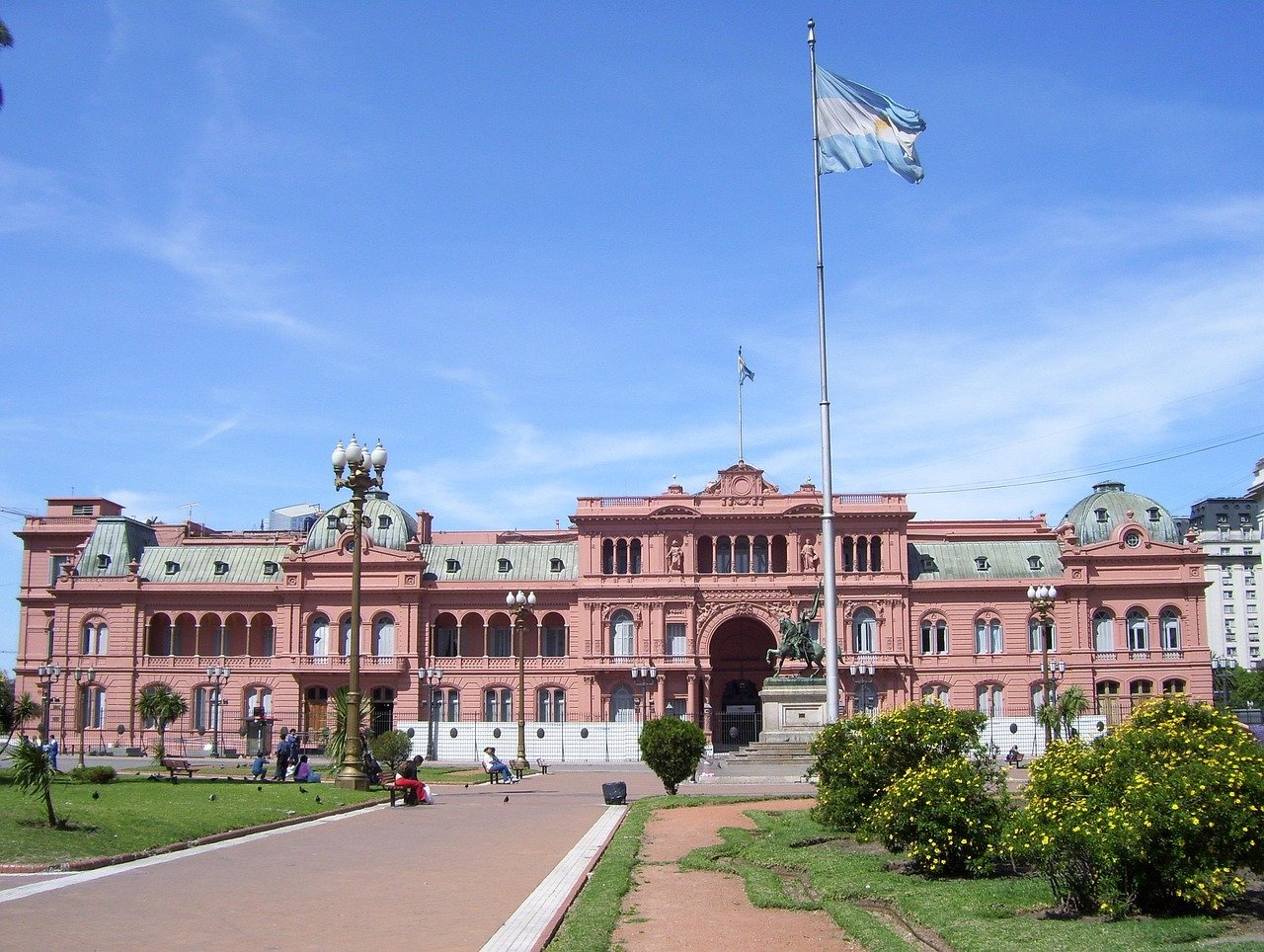
What locals know that guidebooks don’t always tell you:
- Rush tickets (entradas populares) for standing room in the upper gallery go on sale at the box office on the day of performance — often for a fraction of the seated price. Arrive an hour before opening to queue.
- The free open rehearsals, when scheduled, offer an extraordinary way to see the theatre in action. Check the official calendar weeks in advance as spots fill quickly.
- Children under 7 and people with disabilities enter for free on all tours. Students and seniors receive discounts but must show valid documentation and pay by card at the box office.
- The basement workshop tour (included in standard guided tours) is what most visitors miss on self-guided visits — don’t skip it.
- Dress code for evening performances is smart casual at minimum; many porteños dress formally. The atmosphere rewards dressing up.
Getting There
- Subway (Subte): Line D → Tribunales station (2 min walk); Line B → Carlos Pellegrini or Uruguay (5 min walk)
- Bus: Routes 5, 6, 7, 9, 10, 17, 22, 24, 26, 29, 45, 50, 56, 60, 61, 67, 70, 75, 99, 109, 132, 140, 146, 155, 160 stop nearby
- On foot: 10 minutes from Plaza de Mayo; 5 minutes from the Obelisco on Avenida 9 de Julio
- Taxi/Rideshare: Drop off at Cerrito 628 or Libertad 621 — both building entrances on opposite sides of the block
Frequently asked questions
Do I need to book a guided tour in advance?
It is strongly recommended to book online in advance, especially in peak tourist months (January–March and July). The Buenos Aires city website allows bookings up to one month ahead. Walk-up tickets are sometimes available but not guaranteed.
Can I visit without attending a performance?
Absolutely. The guided tour is a complete experience in itself, covering the auditorium, the Golden Hall, the Hall of Busts, and the backstage workshops. It runs daily and lasts approximately one hour in English or Spanish.
Is photography allowed inside?
Photography is permitted during guided tours in most areas. Flash photography and video recording may be restricted in some zones, and photography is generally not allowed during live performances to avoid disturbing other audience members.
Is Teatro Colón wheelchair accessible?
The theatre has lifts and accessible entrances. Contact the box office in advance (tucuman1171@buenosaires.gob.ar) to arrange accessible seating for performances and to confirm tour accessibility for your specific needs.
What is nearby after the visit?
The theatre sits on the edge of the microcentro and Tribunales districts. The Obelisco and Avenida Corrientes (Buenos Aires’ theatre and bookshop street) are five minutes away. Café Tortoni, one of South America’s oldest cafés, is a ten-minute walk toward Plaza de Mayo.