
Chatuchak Market
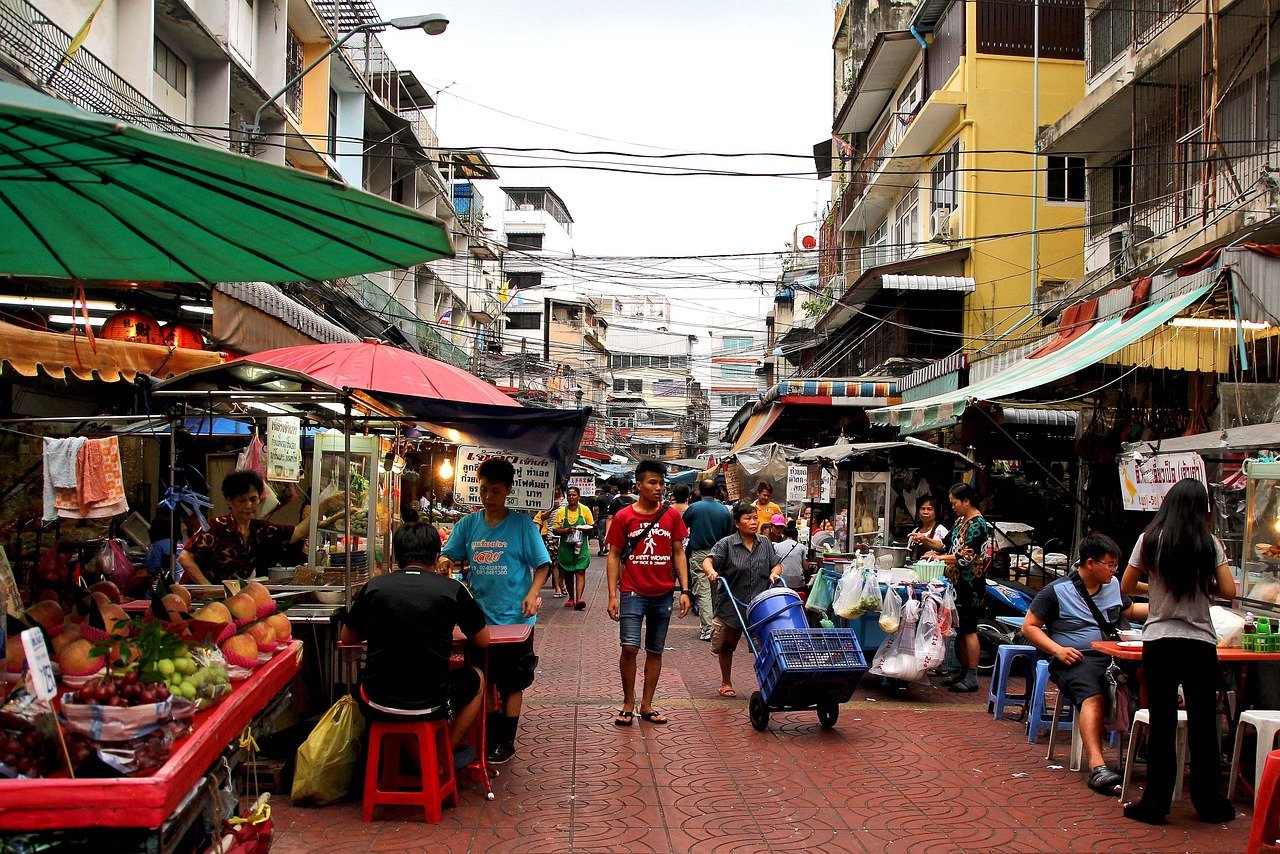
On weekends, a city within the city materialises in Bangkok’s northern suburbs: Chatuchak Weekend Market spreads across 35 acres of pavilions, alleys, and narrow passages in a maze so complex that even regulars get lost, and so densely packed with merchandise, vendors, food smells, and noise that your senses simply surrender and you give yourself over to the experience. With more than 8,000 stalls and an estimated 200,000 visitors on busy days, this is not just the largest market in Thailand — it is one of the largest markets in the world. To come here prepared only for shopping is to miss the point; Chatuchak is an entire ecosystem.
History of Chatuchak Market

The market traces its origins to a roaming weekend market that operated in the Sanam Luang area near the Grand Palace from the 1940s, eventually moved for capacity reasons to Chatuchak Park in 1978. At the time of the move, the market was modest by current standards — a few thousand vendors in a relatively compact area. Under the management of successive Bangkok Metropolitan Administration governments through the 1980s and 1990s, the market expanded dramatically as Bangkok grew wealthy and consumer culture exploded. The construction of the BTS Skytrain’s Mo Chit station and the MRT’s Chatuchak Park station, both immediately adjacent to the market, in the early 2000s transformed visitor numbers by making the market accessible from anywhere in Bangkok without navigating the city’s infamous traffic.
The market is divided into numbered sections (27 in total) that each specialise in broad categories: Section 7 is famous for second-hand clothing and vintage items, Sections 22–26 for pets, Sections 2–4 for art, antiques, and home décor, and Sections 8–10 for clothing and accessories. This organisation is loose in practice — adjacent sections often blur together — but the sectoring is valuable for navigation. The market’s management has operated a directory service and maps from the main information booths for decades, and the current version of these maps is available on the Chatuchak market official website.
What to See
The antiques and collectibles sections are where the most serious shopping happens. Thai and Southeast Asian Buddha images, ceramics, lacquerware, bronze sculptures, old maps, colonial-era photographs, and textiles from across the region are sold by dealers with decades of expertise and the negotiating style that comes with it. Genuine antiques and excellent reproductions exist side by side, and distinguishing them requires knowledge — either bring your own or ask plenty of questions. The home décor sections offer contemporary Thai craftsmanship at prices far below what the same quality commands in Western markets: handwoven silk cushion covers, celadon ceramics, teak furniture, hand-painted panels, and terracotta garden sculpture are all available.
The food offering at Chatuchak is exceptional and functions independently of the shopping — many Bangkok residents make the weekend trip purely to eat. The market’s food courts, distributed throughout the sections, offer fried insect snacks for the adventurous and classic Thai dishes for the sensible: pad kra pao (basil stir-fry), khao man gai (poached chicken rice), mango sticky rice, and the mythically good coconut ice cream sold in sections 26 and 27 are among the most-recommended dishes. The iced coffee and fresh coconut vendors scattered through the market perform a vital cooling function on hot days — Bangkok’s heat in the covered market sections can be significant even in the mild season.
The Pet Section

The pet sections of Chatuchak (Sections 22–26) have long been one of the market’s most internationally discussed features, attracting both animal enthusiasts and animal welfare advocates. The sections sell a remarkable variety of animals — from ornamental fish and fighting cocks to exotic parrots, terrariums of lizards, and an assortment of mammals — alongside all the associated accessories of pet keeping. Thai animal welfare laws have tightened considerably in recent years, and the trade in protected species, which was once notorious, has declined significantly under enforcement pressure. The ornamental fish section in particular is extraordinary: vast displays of fighting fish in individual glass jars, Japanese koi in pools, and every species of freshwater tropical fish imaginable, with vendors of considerable expertise.
The experience of walking through the pet sections raises ethical questions that visitors process individually. The concentration of animals in hot, crowded conditions is uncomfortable for many visitors, and some choose to avoid these sections entirely. Others find the fish and plant sections acceptable while avoiding the mammal stalls. The decision is personal. Whatever section you’re in, the general management principle at Chatuchak remains: haggling is standard, cash is king (though card payment is now available from some larger vendors), and good humour on both sides makes the transaction more enjoyable for everyone.
Practical Information
- Tickets: Free entry; individual purchases are your only expense
- Opening hours: Main market Saturday and Sunday 9:00 am–6:00 pm; some sections also open Friday from noon; plant and flower sections also open Wednesday–Thursday
- Best time to visit: Early Saturday morning (before 11 am) for manageable crowds; avoid Sunday afternoons which can be extremely hot and crowded
- Duration: 3–6 hours; serious shoppers spend all day
- Booking: No booking required; cash in Thai baht is essential as not all vendors accept cards
Local Insights

What locals know that guidebooks don’t always tell you:
- The market has an official map on its website and at information kiosks near the BTS Mo Chit entrance — download it or pick one up immediately on arrival. Without it, navigating the 27 sections becomes genuinely confusing.
- Prices are not fixed. Friendly, patient negotiation (starting at roughly 60–70% of the first asking price) is expected and appreciated. Haggling aggressively or rudely is counterproductive; smile, and vendors will usually meet you somewhere in the middle.
- The market’s covered sections trap heat — bring a small folding fan, a water bottle, and wear loose, breathable clothing. The heat in peak hours (11am–2pm) can be intense even in the “cool” season.
- The BTS Skytrain and MRT subway both stop within a 5-minute walk — taking either is dramatically faster and cheaper than a taxi in Bangkok’s weekend traffic.
- The market clock tower at the centre of the site is the most reliable landmark for re-orientating yourself when lost — make it your meeting point if visiting with others.
Getting There
- BTS Skytrain: Mo Chit station on the Sukhumvit line (light green); walk straight out of Exit 1 — you are immediately at the market entrance
- MRT Subway: Chatuchak Park station or Kamphaeng Phet station; both a 5-minute walk to the market
- Bus: Multiple city bus routes stop on Kamphaeng Phet Road along the market’s edge; useful from Victory Monument area
- Taxi/Rideshare: Grab (Bangkok’s dominant rideshare) operates throughout the city; tell the driver “Jatujak Market” — but expect slow going in weekend traffic and prefer the BTS/MRT
Frequently asked questions
Is Chatuchak Market open every day?
The main market is open Saturday and Sunday only. The plant and flower sections (Sections 2–4) are also open on Wednesday and Thursday. Some vendors selling antiques and art operate small weekday operations within the market but at much reduced scale. For the full Chatuchak experience, visit on a weekend.
Can I pay by credit card at Chatuchak Market?
Some of the larger, more established vendors now accept card payment through QR code or card terminals. However, many smaller stalls remain cash only. Bring sufficient Thai baht — ATMs are available near the BTS Mo Chit exit but lines can be long on busy weekends.
Is Chatuchak Market good for buying antiques?
The antiques sections are excellent, but the market contains both genuine antiques and good-quality reproductions sold alongside each other. If you are purchasing with the assumption of authenticity, ask the vendor directly about provenance and get a receipt. For export of genuine antiques from Thailand, you may need a Fine Arts Department export permit.
Is Chatuchak Market safe?
The market is generally very safe. Pickpocketing can occur in crowded sections — keep valuables in front pockets or use a money belt. The main risk in the market is simply heatstroke from spending too long in the covered sections without adequate water intake.
What is the best food to try at Chatuchak?
The mango sticky rice vendors are famous — look for the stalls with long queues (the queues are worth it). The coconut ice cream served in a coconut shell (Sections 26–27) is extraordinary. Khao man gai (poached chicken and rice) is the preferred local lunch. For adventurous eaters, fried insects are available from several stalls and are genuinely crunchy and flavourful.