
Caminito
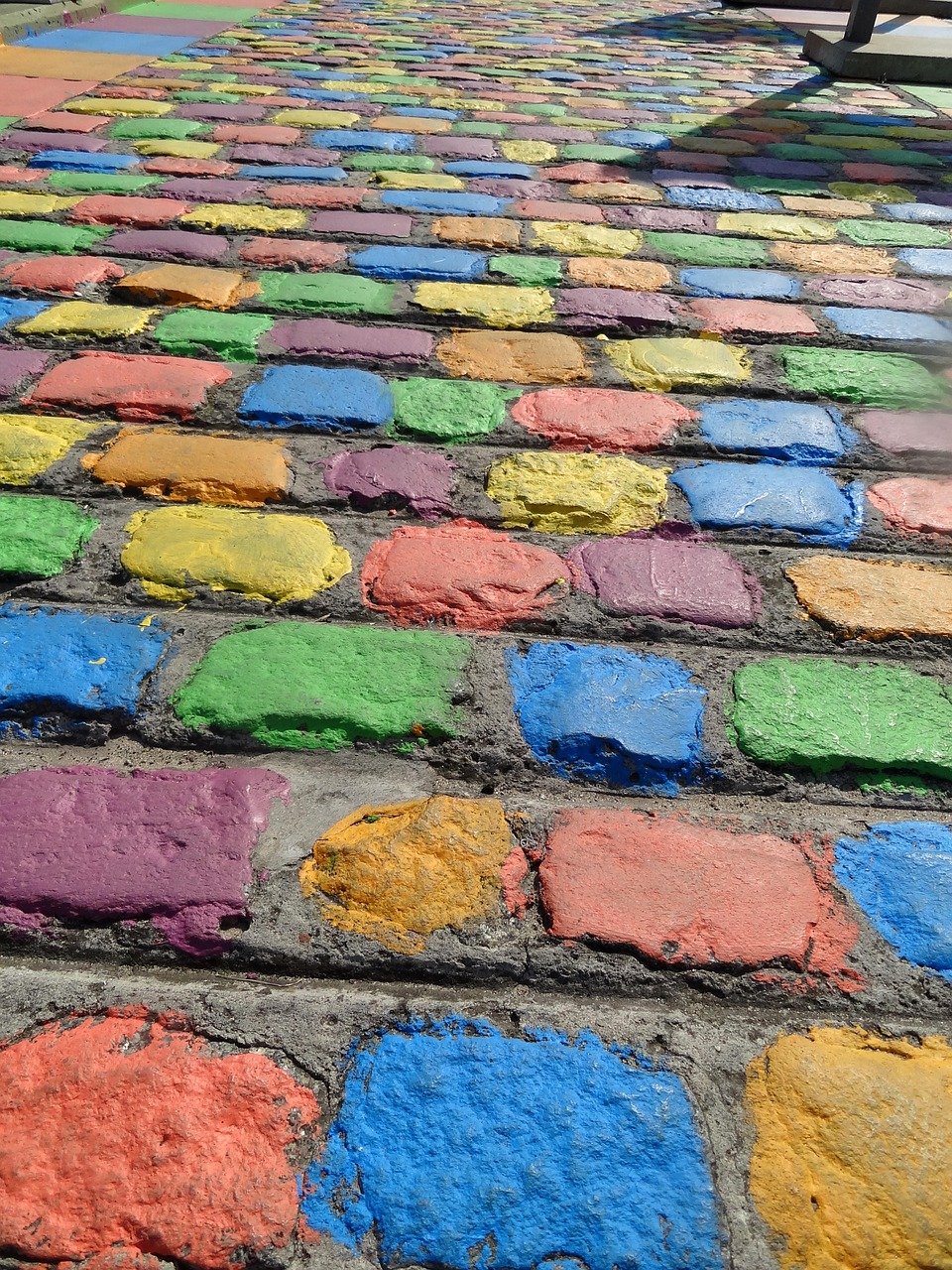
The alley opens without warning – a narrow pedestrian street that explodes in hot pinks, electric blues, and sunflower yellows. Couples in sequined tango costumes spin on the cobblestones while a bandoneon player squeezes out a melancholy line. Vendors hawk mate gourds and football jerseys, and above it all, murals of immigrant life stare down from facades painted with leftover dock paints. This is Caminito – a few hundred meters of open-air theater that distills the soul of Buenos Aires into a single walk.
History of Caminito
In the late 19th century, a seasonal stream later replaced by rail tracks ran through what is now Caminito. When the railway closed in 1954, the abandoned right-of-way became a trash dump. It was the neighborhood painter Benito Quinquela Martin who saw something else: a canvas. He rallied neighbors, organized the removal of rubbish, and invited fellow artists to paint the surrounding conventillos – the tenement houses where generations of Genoese, Spanish, and Croatian immigrants had lived. Quinquela Martin named the street after the beloved 1926 tango composed by Juan de Dios Filiberto, himself a son of La Boca. The name means little path in Spanish.
By the 1960s the street had become an official open-air museum recognized by the City of Buenos Aires. Today Caminito draws more than two million visitors a year, making it one of the most photographed corners of South America. Yet the story behind those vivid facades – of immigrant dreams, dock labor, and artistic reinvention – remains as powerful as the colors themselves.
What to See
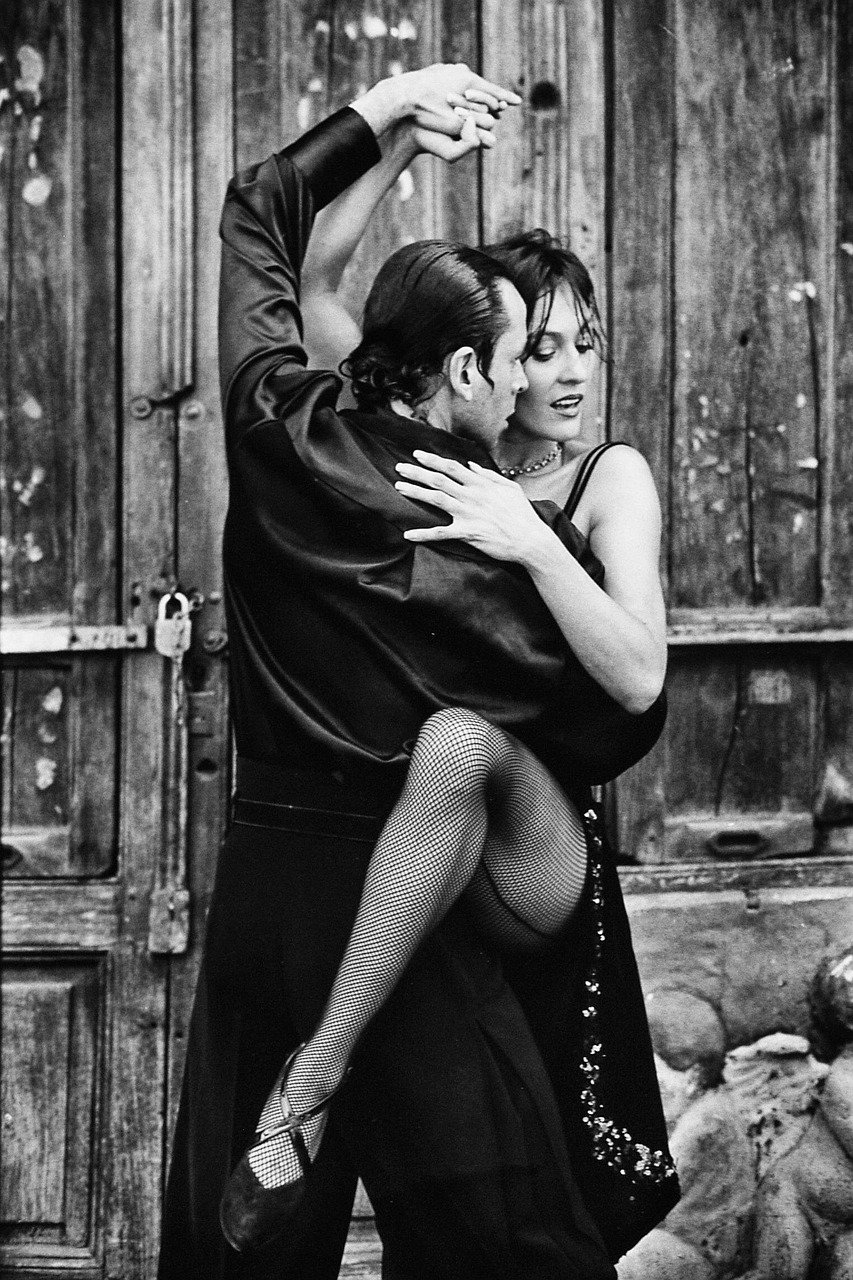
Caminito is a short pedestrian promenade roughly 150 meters long, flanked by multi-story houses painted in vivid contrasting colors. The ground floors hold souvenir stalls, small galleries, and restaurants with outdoor terraces. Along the central walkway, bronze sculptures stand amid garden beds, while costumed tango dancers perform for tips throughout the day. At the far end, you reach the edge of La Bombonera, home stadium of Boca Juniors whose blue-and-yellow colors echo throughout the neighborhood.
Around Caminito a short walk leads to Fundacion Proa, one of Buenos Aires most respected contemporary art spaces, housed in a renovated port building with rooftop views over the Riachuelo. Nearby, the Museo Benito Quinquela Martin preserves the artist studio and a rooftop terrace dotted with carved ship figureheads salvaged from the port. These three stops form the cultural core of La Boca.
The Conventillo Architecture
The buildings lining Caminito are genuine examples of the conventillo building type that housed waves of European immigrants arriving between 1880 and 1930. Constructed from corrugated zinc sheeting, wooden planks, and scrap materials sourced near the docks, they were painted in mismatched colors because dock workers took home whatever paint remained in barrels at the end of a shift. The result was entirely accidental – a patchwork of chrome yellow next to cobalt blue next to brick red – and it became the visual signature of La Boca.
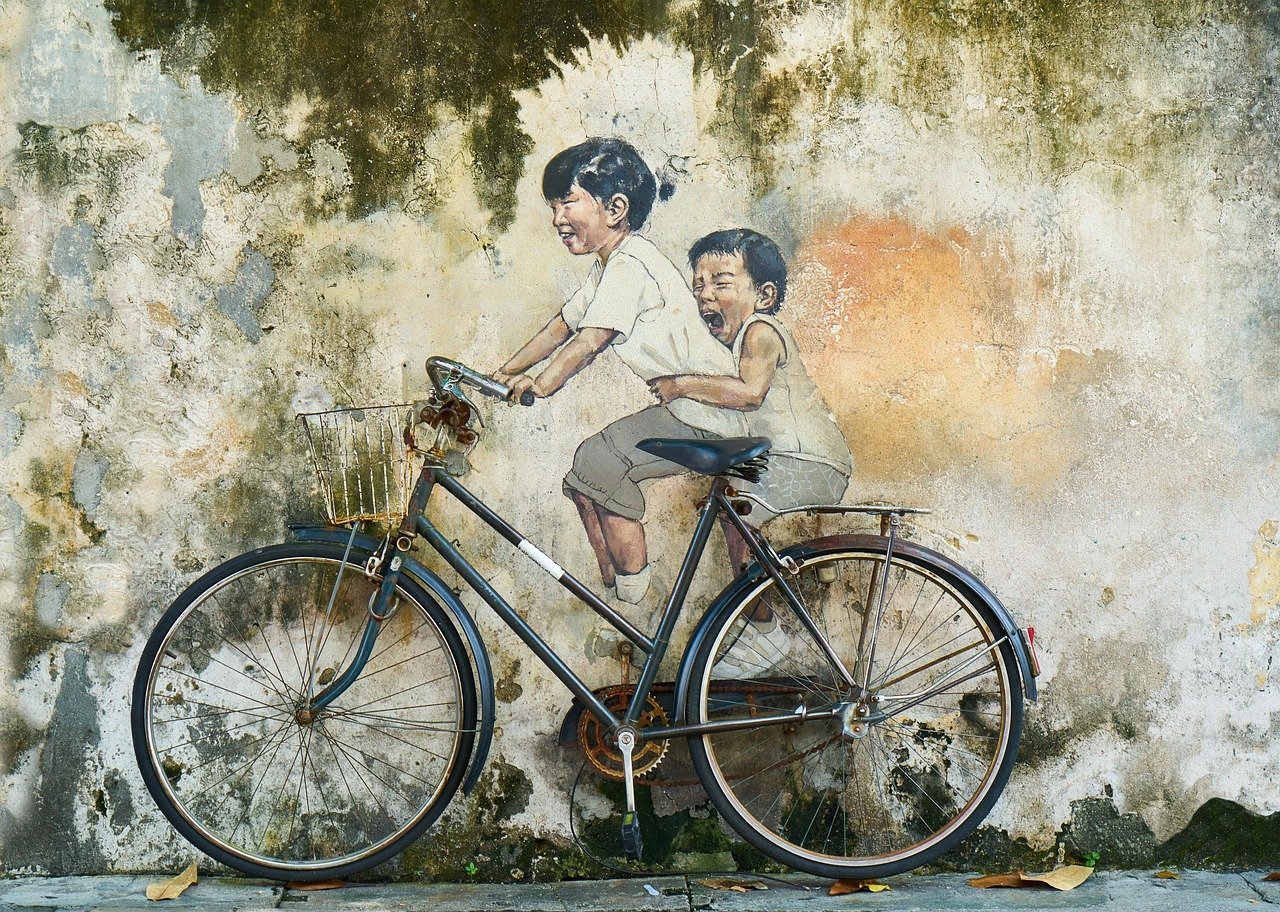
What you see today is a curated version of that improvisation. The colors are intentionally bold and facades are maintained for visitors, but the structures are largely original. Look closely at the balconies – many still have the wrought-iron railings typical of Genoese construction. Some buildings display painted papier-mache figures in their windows: politicians, football stars, tango legends. These installations began as political satire and have since become a neighborhood tradition.
Practical Information
- Tickets: Free entry at all times. Tips for tango dancers: around ARS 500-2,000 per photo session.
- Opening hours: Open 24 hours; performers and stalls active roughly 10:00-18:00 daily.
- Best time to visit: Weekday mornings for smaller crowds; weekend afternoons for the liveliest atmosphere.
- Duration: 1-2 hours for Caminito alone; allow a half day with Proa and the Quinquela Martin Museum.
- Booking: No reservation needed. Guided walking tours bookable via Viator or GetYourGuide.
Local Insights
What locals know that guidebooks do not always tell you:
- Stay on the main Caminito strip and tourist-facing blocks of Calle Garibaldi and Magallanes – La Boca has rough areas just a few blocks away and locals are clear about the safe boundary.
- The tango dancers charge for close-up photos. For candid shots without paying, position yourself across the street and use a longer zoom.
- Fundacion Proa has a rooftop cafe almost unknown to tourists – the views over the Riachuelo and old metal bridges are spectacular.
- Sunday afternoon is when local families come out; neighborhood kids play football in side streets while grandmothers sit on balconies – a far more authentic slice of La Boca life.
- The Riachuelo waterfront walk south of Caminito passes a working boatyard and old cargo cranes converted into public art installations – worth the five-minute detour.
Getting There
- Bus: Lines 29, 64, 86, 152, and 168 stop within one block of Caminito.
- On foot: About 25 minutes south from the San Telmo market area along Avenida Paseo Colon.
- Taxi/Rideshare: Ask for Caminito, La Boca – corner of Del Valle Iberlucea and Magallanes is the standard drop-off.
- Metro: The Buenos Aires Subte does not reach La Boca; bus or taxi required from downtown.
Frequently asked questions
Is Caminito safe to visit?
Yes, within the tourist zone around Caminito itself. The street is busy with visitors and well monitored. Avoid wandering into surrounding residential blocks without local guidance, particularly after dark.
Do I need to pay to enter Caminito?
No – the street is always free to walk. Optional costs include tips for performers, purchases at stalls, or separate entry fees to nearby venues like Fundacion Proa.
Can I see a real tango show at Caminito?
The street performers do brief demonstration dances for tips and photos. For a full ticketed tango show with dinner, look at dedicated milonga venues in San Telmo or Palermo.
Is photography allowed at Caminito?
Yes, freely throughout the street. Tango dancers and costumed performers expect a tip of around ARS 500-2,000 for close-up photos. Photographing the buildings and murals is always free.
What other attractions are near Caminito?
La Bombonera stadium and the Museo de la Pasion Boquense are five minutes away. The Museo Quinquela Martin and Fundacion Proa are both within a short walk along Avenida Pedro de Mendoza.